Leadership Exodus Plunges The Children’s Place Deeper Into Uncertainty As CFO Steps Into Interim Role

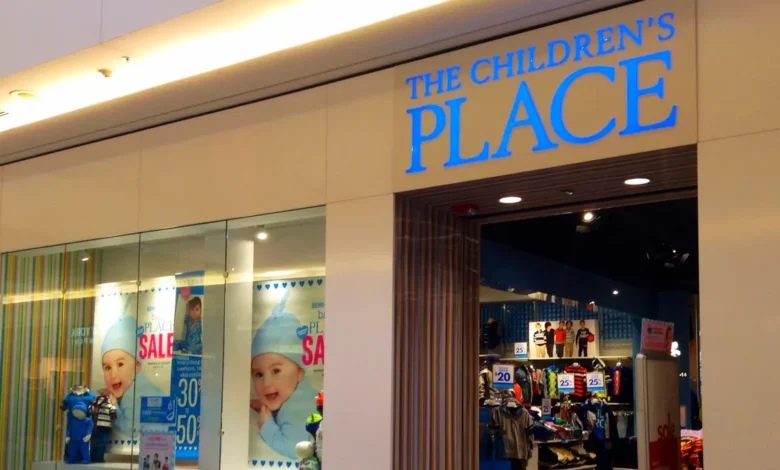
The ongoing turbulence at The Children’s Place has reached a critical juncture following a sweeping leadership exodus that leaves the prominent children’s apparel retailer without its chief executive officer and multiple directors. In the wake of these high-level departures, the company’s chief financial officer has stepped forward to assume the responsibilities of principal executive officer, steering the struggling mall-based brand through one of the most precarious chapters in its corporate history.
This latest executive shakeup compounds years of financial distress, operational restructuring, and shifting consumer habits that have battered specialty children’s retailers across North America. As the brand navigates its immediate leadership vacuum, industry observers, investors, and analysts are closely monitoring whether the remaining executive framework can stabilize a balance sheet that has faced severe pressure for several consecutive quarters.
A Sudden Leadership Vacuum and the Interim Transition
The departure of the chief executive officer and several key members of the board of directors marks a dramatic turning point for The Children’s Place. While corporate transitions are commonplace in the volatile retail sector, the sudden exit of multiple top-tier decision-makers simultaneously creates an acute operational challenge.
With the corner office vacant, the company’s chief financial officer has formally stepped into the role of principal executive officer. This transition places the immense burden of financial rehabilitation and operational oversight onto a single executive who has already been tasked with navigating dwindling liquidity, managing cost-reduction programs, and negotiating with major financial stakeholders.
Internal sources and market watchers note that the suddenness of the departures underscores deep-seated disagreements or mounting pressures regarding the pace of turnaround efforts. The incoming interim leadership faces the immediate challenge of maintaining vendor trust, reassuring jittery shareholders, and preventing operational paralysis during a critical holiday shopping season.
Chronology of Crisis: From Financial Distress to Majority Ownership
The roots of the current crisis extend far beyond the recent boardroom exits. To understand how The Children’s Place arrived at its present state, it is necessary to examine the cascading events of the past several years.
Two years ago, the retailer found itself sinking beneath insurmountable debt and dwindling cash reserves, effectively facing potential insolvency. Recognizing the critical vulnerability of the brand, Saudi investment firm Mithaq Capital intervened, gradually acquiring a dominant majority ownership stake. The infusion of capital and subsequent interest-free loans provided by Mithaq kept the company afloat, preventing an immediate bankruptcy filing and triggering a sweeping board and executive shakeup.
Following Mithaq’s takeover, management instituted aggressive cost-cutting measures, trimmed inventory levels, and attempted to pivot the business model toward a leaner, more digitally focused operational framework. However, these interventions proved insufficient to counteract broader macroeconomic headwinds and secular declines in mall traffic.
By the second quarter of the fiscal year, reported in mid-September, the depth of the retailer’s ongoing struggles became glaringly apparent. Net sales plummeted by nearly 20% year-over-year, dropping to $241.8 million. Even more alarming was the widening of the net loss, which ballooned nearly sixfold to $31 million compared to the same period in the previous year.
During that September earnings report, executive leadership emphasized that their clear and urgent mandate was to shore up liquidity and radically evaluate the core operating model. Yet, despite those stated intentions, top-level friction and continued financial bleeding have ultimately culminated in the departure of the executives tasked with executing that very mandate.
UBS Analysis and Market Realities
External assessments from financial institutions paint a sobering picture of the challenges awaiting the new interim management team. In a mid-September research note, analysts from UBS, led by Jay Sole, acknowledged marginal improvements in specific operational metrics, such as disciplined inventory management and stabilizing short-term cash-flow trends. However, these minor positive indicators were heavily overshadowed by persistent structural risks.
UBS warned that corporate liquidity would remain a primary vulnerability for the foreseeable future, noting that customer demand had dropped off significantly faster than historical models had predicted. According to the UBS research note, The Children’s Place is statistically unlikely to expand its market share or restore healthy operating margins for a considerable duration.
While Sole commended the previous management team for making "considerable progress improving profitability by reducing its cost structure," he issued a stark caution regarding the top line. "Weak customer traffic and a competitive children’s apparel environment are likely to keep the top line under pressure," Sole wrote, highlighting the formidable barriers facing traditional brick-and-mortar children’s wear retailers.

Broader Industry Pressures and Demographic Headwinds
The difficulties confronting The Children’s Place are not isolated to corporate missteps or internal boardroom friction; they reflect profound, structural shifts across the broader North American retail ecosystem.
Chief among these macro pressures is a persistent decline in birth rates across the United States. With fewer children being born year after year, the total addressable market for infant and children’s apparel is fundamentally shrinking, leading to a zero-sum environment where retailers must fiercely contest a diminishing pool of consumers.
Compounding this demographic squeeze is the relentless expansion of online-native competitors, fast-fashion giants, and discount department stores that have captured significant market share from traditional mall stalwarts. Parents shopping for rapidly growing children increasingly turn to e-commerce platforms offering ultra-low-cost alternatives, bypassing traditional specialty brick-and-mortar storefronts entirely.
Furthermore, sluggish real income growth among middle-class families has heavily constrained discretionary consumer spending. Families are prioritizing essential household expenses, groceries, and housing over non-essential apparel purchases, particularly for children who outgrow their wardrobes within a matter of months.
Reflecting these compounding pressures, UBS analysts have adjusted their long-term outlook for the sector, projecting that the North American children’s wear market will grow at a sluggish annual rate of just 1%. This represents a sharp deceleration from the historical 2.3% average growth rate recorded over the preceding decade, signaling that the entire category has entered a permanent era of low growth.
Official Responses and Stakeholder Reactions
As news of the executive departures reverberates through the financial community, official responses from the company emphasize a commitment to operational continuity. Representatives for The Children’s Place have reiterated that the interim executive leadership team is fully equipped to maintain day-to-day business operations, oversee vendor relationships, and execute ongoing restructuring initiatives without immediate disruption.
Meanwhile, majority stakeholder Mithaq Capital has remained relatively tight-lipped regarding the sudden vacancies, though financial analysts anticipate that the investment firm will soon outline a revised strategic roadmap. Shareholders and institutional investors have reacted with cautious apprehension, as evidenced by fluctuating share prices in the wake of the announcement.

Creditors and suppliers are also watching the situation closely. Maintaining healthy trade credit terms is vital for an apparel retailer preparing for the high-volume holiday shopping season, and any sign of prolonged instability could prompt suppliers to demand tighter payment terms, further straining the company’s fragile liquidity position.
Implications and the Road Ahead
The path forward for The Children’s Place is fraught with intricate challenges that will test the mettle of its interim leadership. The immediate priority must be stabilizing the corporate governance structure by initiating a transparent, methodical search for permanent executive talent capable of inspiring confidence among investors and employees alike.
Operationally, the brand must continue walking a tightrope between aggressive cost containment and preserving the customer-facing elements necessary to drive sales. Simply cutting expenses will not suffice; the retailer must find innovative ways to differentiate its product offerings in a crowded, hyper-competitive marketplace where brand loyalty is increasingly fleeting.
As the retail industry enters the crucial final quarter of the year, all eyes will be on The Children’s Place to see if its interim chief executive can successfully navigate the compounding pressures of weak consumer traffic, tightening liquidity, and a shifting demographic landscape. Failure to right the ship could force major strategic pivots, including deeper footprint reductions, asset sales, or even more radical financial restructuring under the watchful eye of its majority owners.