Samsung’s much-anticipated open-earbuds appear to leak again, this time with a new name and long list of features

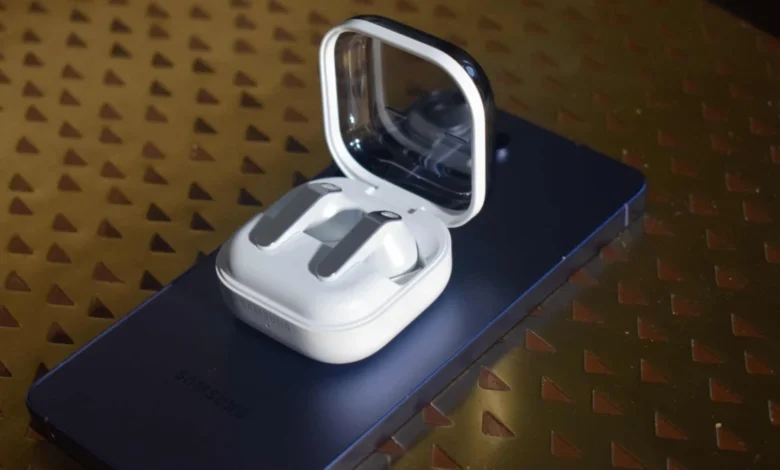
For the past several months, the consumer electronics industry has closely monitored developments surrounding Samsung’s foray into the "clip-style" or open-ear earbud market. While initial industry speculation and leaks from within the Galaxy Wearable application suggested that these devices would be marketed under the moniker "Galaxy Buds Able," recent intelligence suggests a pivot in naming strategy. According to reports originating from the industry analysis site SammyGuru, which claims to have uncovered technical documentation within the Samsung Buds Manager application, the upcoming hardware will likely be released under the brand name "Galaxy Buds On."
This rebranding marks a significant moment for Samsung, as the company seeks to diversify its audio portfolio to compete with established players in the open-ear category, such as Bose and Sony. While the exact release date remains unconfirmed, industry analysts are currently eyeing an October window, potentially coinciding with the company’s scheduled refresh of its tablet lineup. However, observers remain cautious, noting that a launch could potentially slide into 2027, the same period in which rumors suggest Samsung will debut its first dedicated over-ear headphones.
Chronology of Development and Leaks
The development of the Galaxy Buds On has been a process of incremental discovery through software metadata. The trail began early in 2026, when developers and enthusiasts first identified references to "clip-style" hardware within the Galaxy Wearable app’s source code. These early strings explicitly used the name "Galaxy Buds Able," leading to widespread media reporting that a product launch was imminent.
Following that initial surge of interest, a period of relative silence descended upon the project. This quiet phase led to speculation that the product might have been delayed or entirely scrapped. However, the subsequent emergence of data from the Buds Manager app indicates that internal development has reached a mature stage, with Samsung finalizing asset files and UI integration for the device. This activity suggests that the project is not only active but is entering the final phases of pre-production.
Technical Specifications and Feature Integration
The Galaxy Buds On are expected to leverage much of the technological infrastructure established by the Galaxy Buds 4 Pro, which were launched earlier this year. A primary focus for the new hardware is the integration of advanced motion-sensing capabilities. The Buds 4 Pro introduced head-tracking controls, which allow users to manage incoming calls through physical gestures—specifically, nodding or shaking the head to accept or reject communication. Leaks suggest this functionality will be a cornerstone of the Galaxy Buds On experience.
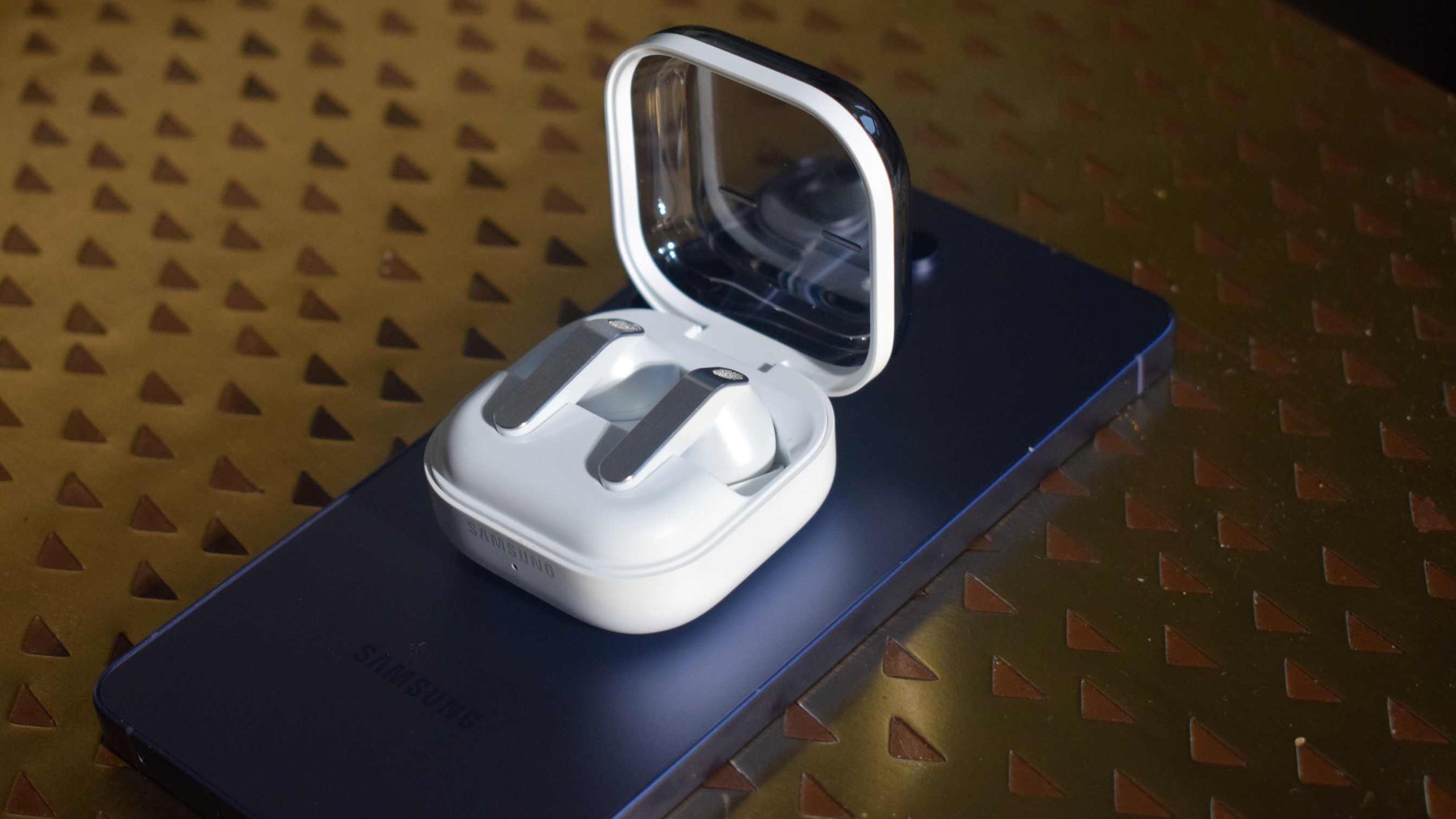
Furthermore, the design constraints inherent to open-ear hardware present unique acoustic challenges. Unlike in-ear canal designs, which provide a physical seal for noise isolation, open-ear devices often struggle with sound leakage and reduced bass response. To mitigate these issues, the leaked documentation outlines two primary software-driven solutions:
- Volume Boost: A proprietary gain-adjustment algorithm designed to compensate for the distance between the driver and the user’s ear canal.
- Auto Volume: A dynamic sound-leveling feature that uses ambient noise detection to adjust output in real-time, particularly useful in high-decibel environments where external noise would otherwise drown out audio content.
Beyond basic audio reproduction, the integration of generative AI is a key differentiator. The Galaxy Buds On are expected to support voice-activated commands for both Gemini and Bixby, allowing for a more seamless transition between ecosystem services. A notable addition for productivity-focused users is a dedicated "instant record" gesture, which would allow a user to trigger a voice memo recording directly from the earbuds, bypassing the need to interact with a smartphone interface.
The Competitive Landscape of Open-Ear Audio
The move toward open-ear technology represents a shift in consumer demand toward "situational awareness." Unlike traditional active noise cancellation (ANC) earbuds that aim to isolate the user from their environment, open-ear designs are engineered for users who require continuous access to ambient sound—such as runners, cyclists, or office workers who need to remain cognizant of their surroundings.
The market for this form factor has grown rapidly. Bose’s Ultra Open-Ear earbuds, for instance, have set a high bar for both comfort and aesthetic appeal. Samsung’s entry into this segment is not merely a product expansion but a defensive maneuver to prevent ecosystem churn. By keeping users within the Galaxy ecosystem, Samsung ensures that its proprietary features—such as seamless device switching and low-latency audio for gaming—remain the primary choice for current Samsung smartphone owners.
However, the success of the Galaxy Buds On will depend less on these feature sets and more on the physical design. Industry experts emphasize that in the open-ear category, ergonomics are the primary factor in consumer satisfaction. If the "clip-on" mechanism does not provide a secure fit or if the weight distribution causes fatigue over extended wear, even the most sophisticated AI features will be unable to overcome the hardware’s fundamental shortcomings.
Strategic Implications for Samsung
For Samsung, the Galaxy Buds On serve as a bridge between its premium audio line and the lifestyle-oriented wearable market. The company’s ability to successfully launch these buds will influence the broader perception of its audio engineering prowess. While the Buds 4 Pro have been lauded for their high-fidelity performance, the shift to an open-ear architecture requires a different approach to digital signal processing (DSP).
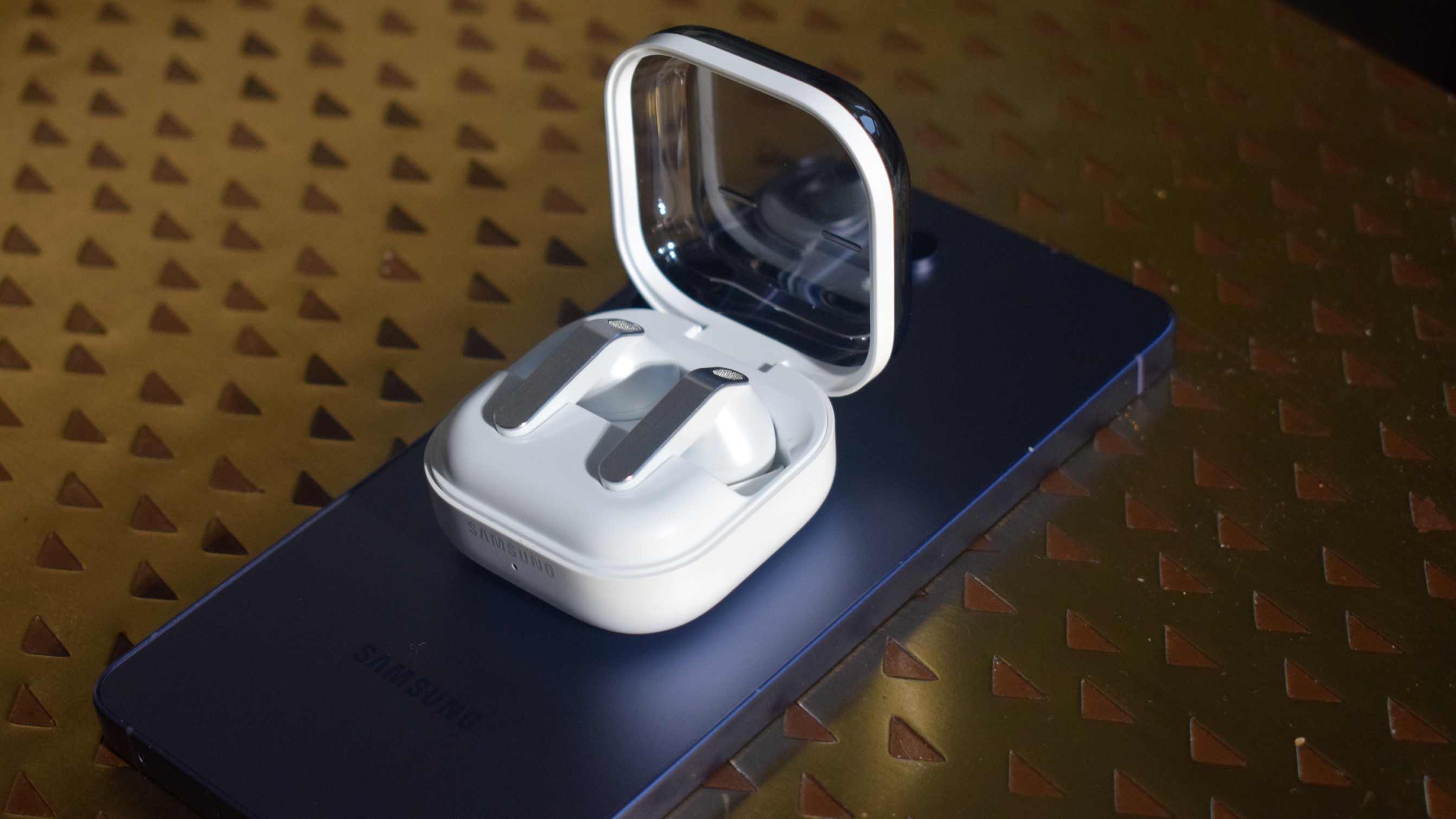
If the product launches in late 2026, it will likely be positioned as a companion piece to the Galaxy S-series and high-end tablet range, emphasizing "always-on" connectivity. This fits within Samsung’s broader strategy of "ambient computing," where devices are designed to disappear into the background of a user’s daily life, becoming extensions of their intent rather than tools that require direct, focused interaction.
Outlook and Future Expectations
As of the current reporting cycle, Samsung has not issued an official statement regarding the existence of the Galaxy Buds On. The company typically maintains a policy of not commenting on unreleased hardware. Consequently, all information remains subject to verification upon an official product announcement.
Potential consumers should monitor the Galaxy Wearable app updates, as these often serve as the first point of confirmation for new hardware releases. While the features detailed in recent leaks provide a compelling look at the intended functionality, the final product’s performance will be determined by its real-world implementation of these software tools.
Whether the Galaxy Buds On will indeed arrive in October alongside new tablets or if they will be held back until 2027 remains the most significant variable. For now, the hardware stands as a testament to the ongoing evolution of wearable audio, reflecting a shift toward devices that prioritize context, connectivity, and the integration of artificial intelligence in everyday interactions. The industry will continue to wait for official confirmation, but the groundwork for a major launch appears to be firmly in place.