Amazon is revolutionizing the streaming experience by integrating seamless e-commerce features directly into Prime Video content.

The retail giant has officially unveiled a suite of sophisticated tools designed to transform television viewing into an interactive shopping experience. By leveraging its existing X-Ray infrastructure and proprietary artificial intelligence, Amazon is bridging the gap between passive media consumption and active retail engagement. This strategic pivot aims to capitalize on the "second-screen" phenomenon, where consumers already use their mobile devices while watching television, by creating a frictionless path to product discovery and purchase.
Evolution of the Shoppable Entertainment Model
The integration of commerce into streaming platforms has been a gradual, yet deliberate, industry-wide shift. For years, the "second-screen" behavior—where viewers look up actors, products, or locations on their smartphones while watching a program—has been a missed opportunity for content distributors. Amazon’s latest move is the next logical step in a trajectory that began with basic content discovery and is now culminating in full-funnel retail conversion.
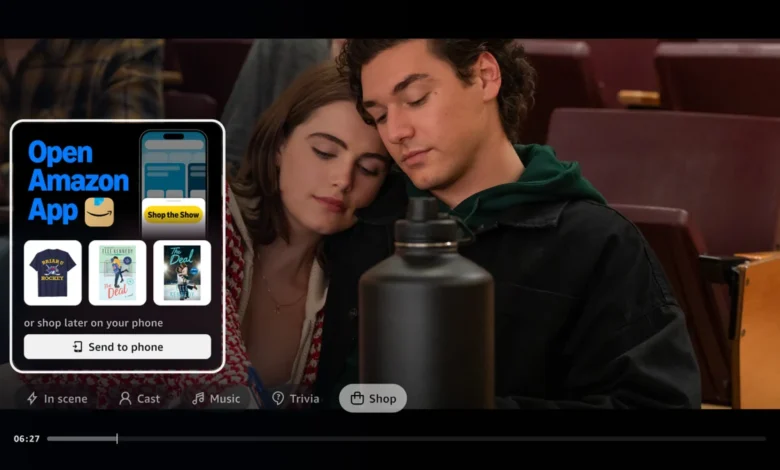
The history of shoppable media dates back to early television infomercials, but the digital age has refined this into something far more subtle and user-centric. In 2023, Amazon introduced "Shop the Show," an experimental feature accessible via the Amazon mobile app. While innovative, the feature required a manual search command, creating a friction point that limited widespread adoption. Amazon’s current rollout seeks to eliminate this barrier by embedding shopping capabilities directly into the UI of its Fire TV interface and enhancing the mobile app’s responsiveness to live content.
Mechanics of the New Shopping Features
The new features rely on two primary pillars: the enhanced X-Ray interface and the AI-driven "Shop the Scene" tool.
The X-Ray experience, a staple of Prime Video that historically provided viewers with trivia, cast information, and musical metadata, is receiving a major functionality upgrade. By navigating to the new "Shop" tab within the X-Ray menu on a Fire TV device, users can now browse a curated list of products associated with the specific content on screen. The process is designed to be non-intrusive: the viewer does not need to leave the show to view items. Once an item catches the viewer’s interest, they can utilize the Amazon Shopping app on their mobile device, which intelligently syncs with the TV screen to display a feed of relevant products, allowing for a swift checkout.
Perhaps the most technologically advanced addition is "Shop the Scene." Utilizing Amazon’s Lens visual search technology, the feature acts as a digital personal shopper. When a viewer pauses a scene or selects a moment, the system scans the frame for identifiable items—such as furniture, home decor, or apparel. While Amazon acknowledges that it cannot always provide an exact match—particularly with high-end designer pieces or bespoke costume work—the system suggests similar items that allow users to replicate the aesthetic seen on screen. This feature is currently live on iOS and Android in the United States and encompasses over 600 titles, with plans to expand as the underlying AI model improves its recognition capabilities.
Market Context and Industry Competition
Amazon is by no means operating in a vacuum. The concept of "shoppable TV" has become a central focus for major media conglomerates and streaming services looking to diversify revenue streams beyond traditional subscriptions and programmatic advertising.
In May 2021, YouTube signaled its intent to lead in this space by announcing shoppable connected TV ads, allowing viewers to click through to products while watching long-form video. By 2023, NBCUniversal’s Peacock launched "Must ShopTV," a service specifically designed to help viewers purchase goods featured in reality shows and scripted dramas. Similarly, Roku has made significant strides in this area, partnering with Shopify to enable direct-to-consumer purchases directly through the television interface. Even Disney has ventured into the space, experimenting with virtual concessions and shoppable advertisements across its portfolio of networks, including Hulu and ESPN.

The competitive urgency is clear: as streaming audiences fragment and ad-supported tiers become the industry standard, platforms that can provide a measurable return on investment for advertisers will hold a significant advantage. By turning content into a storefront, Amazon is positioning itself as a platform that offers value far beyond the entertainment itself.
Scaling the Strategy: From Niche to Mass Market
The scope of this rollout is substantial. The "Shop the Show" mobile integration is expanding from 1,300 titles to over 8,000, covering a diverse array of Prime Originals, licensed television series, and live sports broadcasts. This scale is critical to habit formation. By ensuring that a large percentage of the Prime Video library is shoppable, Amazon is training its massive user base to look for shopping icons or "Shop" tabs as a standard part of their viewing routine.
The logistics of this operation are supported by Amazon’s massive supply chain. Because the company already controls the entire ecosystem—from the content production (Amazon MGM Studios) to the delivery platform (Prime Video/Fire TV) and the retail marketplace (Amazon.com)—it can execute these integrations with a level of coordination that third-party platforms struggle to match.
Analysis of Economic and Behavioral Implications
From a consumer behavior perspective, the success of this initiative will depend on the balance between convenience and distraction. Historically, viewers have been resistant to advertisements that disrupt the flow of storytelling. Amazon appears to be aware of this, opting for an "opt-in" model. By placing the shopping features within the X-Ray menu or requiring a separate app interaction, the company ensures that the primary viewing experience remains immersive for those who are not interested in shopping.
However, for those who do engage, the implications for retail are profound. The traditional "look-up-and-search" cycle for products seen on TV is fraught with abandonment risks. If a viewer sees a lamp on a show, tries to describe it in a search engine, and fails to find it, the intent to purchase often evaporates. By providing a curated, context-aware feed, Amazon captures that intent at the moment of highest peak interest.
Data suggests that "shoppable content" is not merely a gimmick but a viable conversion driver. In early tests across the industry, conversion rates for products featured in shoppable segments have consistently outperformed standard display advertisements. The ability to link a product directly to a specific emotional or narrative context—such as a character’s home office setup or a professional athlete’s gear—adds a layer of social proof and desire that static product listings lack.
The Road Ahead
As Amazon continues to refine "Shop the Scene" and expand the library of "Shop the Show" titles, the company will likely face challenges regarding content diversity. High-end fashion and luxury goods often present difficulties for visual search AI, and maintaining a high level of accuracy will be paramount to user trust. Furthermore, the company must manage the expectations of third-party sellers who will be vying for visibility within these shoppable feeds.
Nevertheless, the announcement marks a turning point in the streaming wars. It is no longer enough to be the platform with the most subscribers or the highest-rated content. The winners of the next decade of media will be those who can seamlessly integrate the digital marketplace into the living room, effectively turning every frame of video into a potential point of sale.
Industry analysts suggest that the next phase of this development will likely involve deeper personalization, where the products suggested are not just relevant to the show, but are also curated based on the viewer’s past purchase history and personal style preferences. As the lines between entertainment, technology, and retail continue to blur, Amazon’s move into shoppable television is a clear signal that the future of e-commerce is not just mobile—it is on the big screen.