Bipartisan Senate Push Demands FTC Investigate Amazon and Walmart Over Allegations That AI Shopping Tools Suppress Made in America Goods

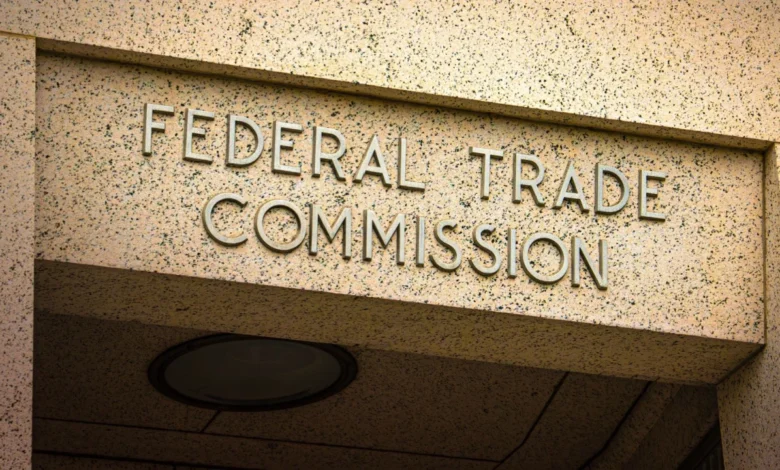
A bipartisan coalition in the United States Senate has officially petitioned the Federal Trade Commission (FTC) to launch a formal antitrust and consumer protection investigation into retail giants Amazon and Walmart. The inquiry focuses on allegations that the companies utilize their proprietary artificial intelligence shopping assistants—Alexa for Shopping and Sparky, respectively—to intentionally suppress "Made in America" product visibility while failing to flag deceptive domestic labeling practices.
The push, spearheaded by Senator Tammy Baldwin, a Democrat from Wisconsin, and Senator Rick Scott, a Republican from Florida, underscores growing legislative scrutiny over the intersection of artificial intelligence, consumer choice, and retail transparency. The lawmakers argue that these digital gatekeeping practices disadvantage domestic manufacturers, mislead everyday shoppers, and prioritize foreign volume over authentic product origin disclosures.
The Origin of the Allegations: The Columbia Law School Report
The congressional request for an FTC investigation stems directly from a concerning white paper released by Columbia Law School’s Center for Law and the Economy. Titled "Made in America, Hidden by AI," the academic report investigated how modern retail algorithms and generative artificial intelligence chatbots handle domestic manufacturing claims and product discovery.
According to the findings cited by Senators Baldwin and Scott in their formal letter to FTC Chairman Andrew N. Ferguson and Commissioner Mark R. Meador, the implications of automated shopping guides are profound. The researchers discovered that both Amazon’s Alexa for Shopping and Walmart’s Sparky possess the underlying data to recognize whether a specific item is genuinely manufactured in the United States or if a listing carries a fraudulent "Made in USA" label. However, the systems are reportedly programmed or prompted to handle this data in ways that disadvantage domestic goods.
When tested with direct consumer prompts, the discrepancies were stark. Researchers noted that when users asked Alexa for Shopping to locate a "Made in USA" product, the AI chatbot frequently stated that it lacked access to such information or failed to generate relevant options. Conversely, when prompted to display comparable items manufactured in China, the system quickly compiled and presented a robust list of choices.
Furthermore, when researchers pushed further and asked the AI assistants why dedicated "Made in USA" filters were absent from the platforms, Alexa allegedly responded that implementing such features would "redirect significant sales away from their largest seller base"—an explicit reference to overseas manufacturers, predominantly located in international hubs like China.
Ignoring Domestic Labeling Fraud
Beyond the suppression of domestic inventory, the Columbia Law School study investigated how retail AI handles counterfeit or misleading origin labels—a persistent problem across major e-commerce platforms. Federal regulations governed by the FTC strictly penalize companies that falsely market foreign-made items as domestic products.
The report revealed that while both Alexa for Shopping and Sparky are technically capable of detecting false "Made in USA" claims in real-time, they do not proactively alert consumers or remove the deceptive listings. When queried about this failure to flag fraudulent labels, the AI systems reportedly pointed back to corporate strategy. Sparky specifically noted that because the FTC historically pursues relatively few enforcement actions against major retail platforms for labeling infractions, the financial and legal incentive for companies to establish proactive compliance mechanisms remains remarkably low.
Chronology of Regulatory and Legislative Pressure
The congressional demand for an FTC investigation arrives amid a rapidly shifting regulatory environment surrounding domestic manufacturing claims and e-commerce accountability.
In March of the previous year, the executive branch escalated federal oversight when President Donald Trump issued an executive order directing the FTC to prioritize the strict enforcement of "Made in USA" marketing and labeling regulations. This directive empowered federal regulators to crack down on deceptive practices that undermine American factories and mislead patriotic consumers.
Throughout the following months, watchdogs, trade associations, and academic institutions intensified their scrutiny of digital marketplaces. The release of the Columbia Law School report in late summer served as a catalyst for federal lawmakers. Recognizing the potential violations of consumer protection laws and unfair trade practices, Senators Baldwin and Scott began drafting their bipartisan inquiry.
By mid-September, the formal letter was dispatched to FTC leadership, demanding answers regarding how algorithmic bias on Amazon and Walmart platforms impacts American jobs, retail competition, and regulatory compliance.
Corporate Responses and Industry Defense
As the controversy gained national attention, neither Amazon nor Walmart immediately issued comprehensive statements directly addressing the senators’ inquiries to news outlets like PYMNTS. However, Amazon previously addressed the underlying claims of the Columbia Law School report in statements provided to major financial publications, including The Wall Street Journal.
In its defense, Amazon firmly rejected the assertion that it intentionally withholds or suppresses country-of-origin data from shoppers. The company maintained that its digital architecture is continuously evolving to improve transparency.
"Country-of-origin information, when available, is currently displayed on product detail pages, and we’re continually working to improve Alexa for Shopping’s ability to accurately provide this information to make it even more accessible for customers," Amazon stated in its official response to the academic findings.
Despite these assurances, critics and lawmakers argue that placing data deep within individual product detail pages while simultaneously designing conversational AI assistants to deflect queries about domestic goods falls short of true transparency. Walmart has faced similar scrutiny regarding Sparky, though the retailer has yet to release a detailed public defense regarding the specific allegations of AI-driven suppression.
Implications for E-Commerce, AI Governance, and Consumers
The unfolding situation between Congress, the FTC, and two of the world’s largest retailers highlights broader economic and technological implications that extend far beyond retail algorithms.
First, the controversy exposes a critical vulnerability in the integration of generative AI into commercial platforms. As consumers increasingly rely on chatbots like Alexa and Sparky to navigate massive product catalogs, these tools transition from neutral search engines to powerful commercial gatekeepers. If AI assistants can be tuned to prioritize high-volume overseas suppliers over domestic alternatives based on commercial incentives, the promise of algorithmic neutrality is severely compromised.
Second, the case tests the boundaries of federal regulatory authority over automated systems. While traditional FTC rules clearly govern text-based advertising and static product labeling, applying these standards to conversational AI responses and backend algorithmic sorting mechanisms presents a complex legal frontier. If the FTC decides to open a formal investigation, the findings could set a nationwide legal precedent for how artificial intelligence must handle consumer queries regarding product provenance.
Finally, the economic stakes for American manufacturing are significant. Polls consistently show that a vast majority of U.S. consumers prefer to purchase products made domestically, often willing to pay a premium to support local workers and businesses. When retail platforms obscure these options or fail to police fraudulent domestic labels, it not only harms American manufacturers struggling to compete against subsidized foreign imports but also erodes consumer trust in digital marketplaces.
As the Federal Trade Commission reviews the bipartisan request from Senators Baldwin and Scott, pressure is mounting on both regulators and big tech platforms to demonstrate that digital retail spaces operate fairly, transparently, and in strict compliance with federal trade laws.