AI and Robotics Revolutionize Global Recycling to Tackle the Impending Waste Crisis

As world leaders and environmental policymakers convene for the COP31 summit in Türkiye, the international discourse has shifted from mere sustainability targets to the granular, technical challenges of achieving a true circular economy. Central to these discussions is the "zero waste" movement, a mandate that requires a fundamental transformation in how human societies manage the more than 2 billion tons of municipal solid waste generated annually. With projections suggesting that this figure could nearly double by 2050 if current consumption patterns persist, the urgency of the moment is underscored by a sobering statistic: globally, less than 7% of materials entering the economy are sourced from recycled or reused streams.
This widening circularity gap—the distance between the amount of waste produced and the amount effectively re-integrated into production cycles—has become a focal point for technological intervention. While the global community grapples with the complexities of plastic pollution and textile waste, a new wave of startups, many supported by the NVIDIA Inception program, is deploying artificial intelligence and high-speed robotics to bridge this divide. By automating the identification and sorting of materials, these technologies are moving the industry toward a future where waste is no longer a terminal endpoint, but a valuable raw material.
The Historical Context of Waste Management
For decades, the recycling industry has been hampered by fundamental structural inefficiencies. Historically, the sorting process—the critical stage where materials are separated by type, quality, and composition—has relied heavily on manual labor or primitive mechanical systems. Manual sorting is not only slow and costly but also poses significant health and safety risks to human workers exposed to hazardous waste streams. Mechanical systems, conversely, have often struggled with the "mixed stream" problem, where the increasing complexity of modern packaging and textile blends renders traditional sorting methods obsolete.
The economic viability of recycling has remained precarious as a result. Recycled materials must compete on price and quality with virgin materials. When sorting is imprecise, the resulting output is often contaminated or inconsistent, leading to "downcycling"—a process where high-value plastics are downgraded into lower-grade products, eventually becoming unrecyclable. The current technological shift, accelerated by advances in vision AI and high-performance computing, aims to reverse this trend by enabling high-precision, closed-loop recycling.
The AI-Powered Sorting Revolution: Four Key Innovators
The integration of computer vision and robotics is effectively turning recycling facilities into data-driven manufacturing plants.
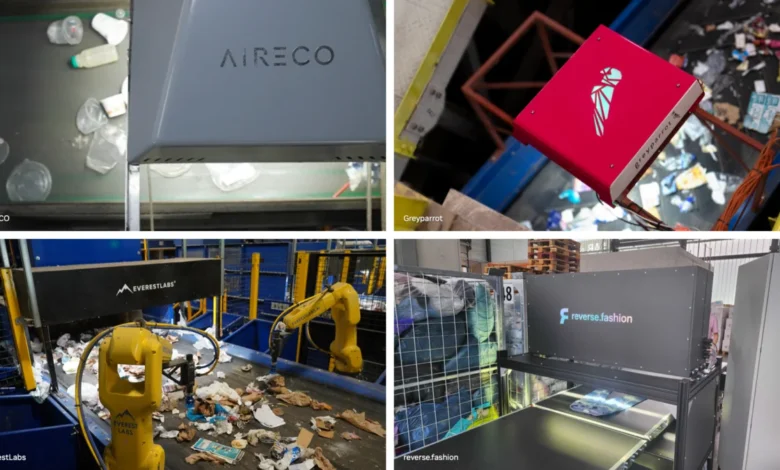
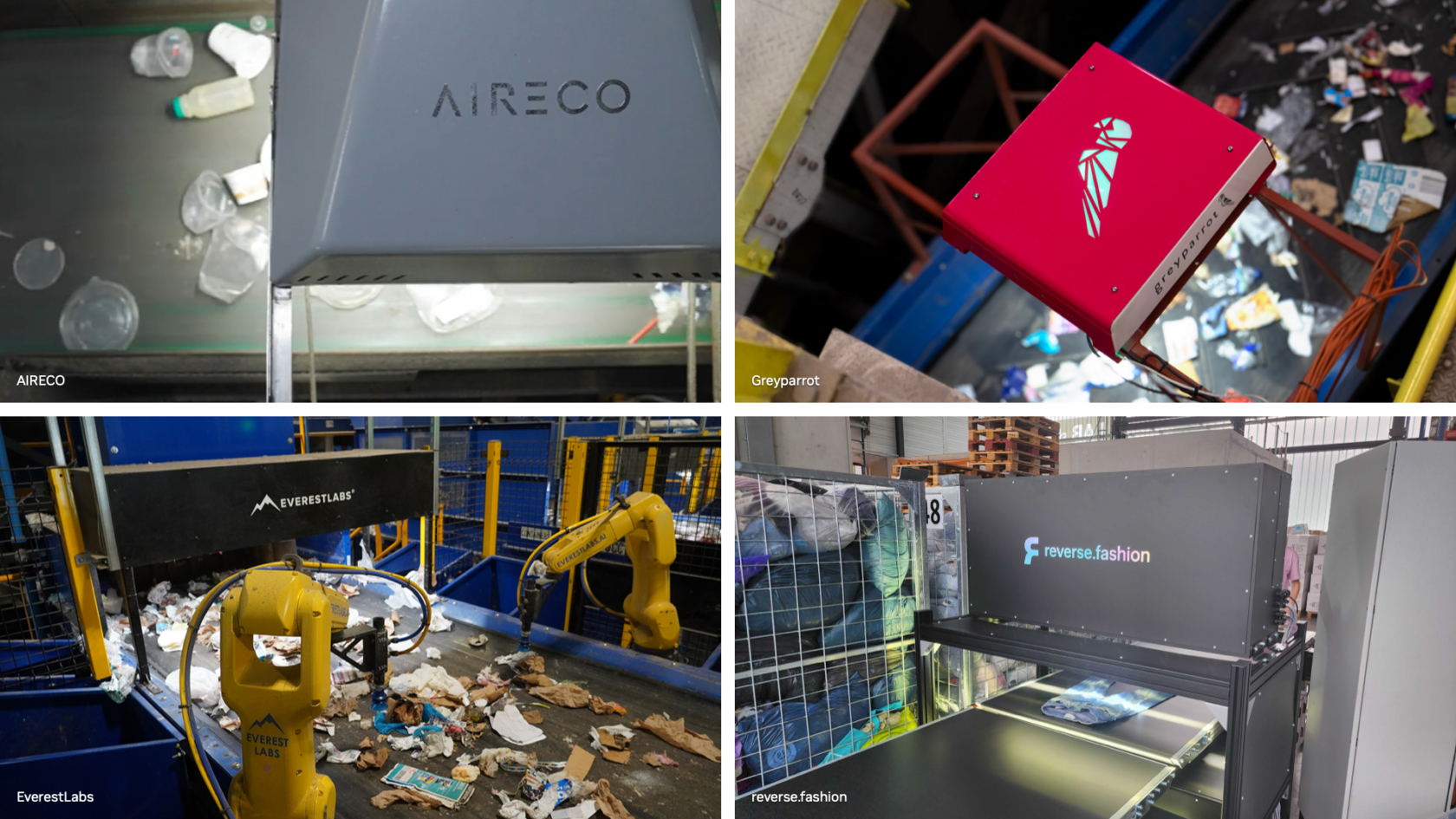
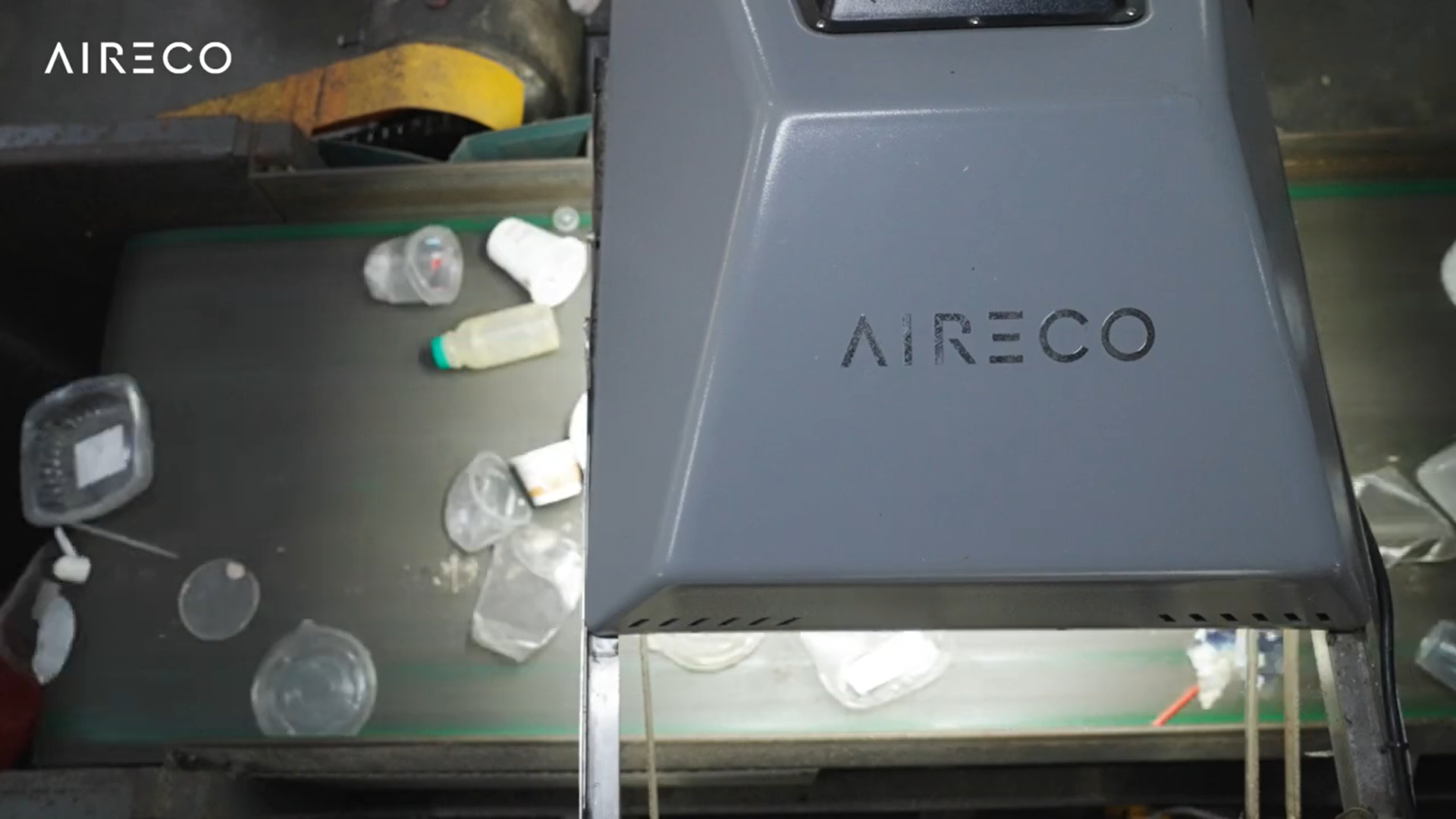
AIRECO, based in Taiwan, is addressing the economic hurdles of plastic recycling by deploying vision AI to achieve unprecedented levels of sorting granularity. By utilizing NVIDIA Jetson Orin NX modules, AIRECO has successfully piloted a system capable of identifying and extracting specific plastic types from mixed waste streams with an accuracy rate exceeding 95%. The implications for the industry are profound: as Chun-Feng Liu, founder and CEO of AIRECO, notes, the ability to sort finely allows a plastic bottle to be recovered and reprocessed into another bottle, rather than being relegated to lower-tier applications. The company’s growth trajectory—aiming to triple annual capacity to 48,000 tons while simultaneously cutting operational costs by 85%—serves as a template for the industrial-scale application of AI in waste management.
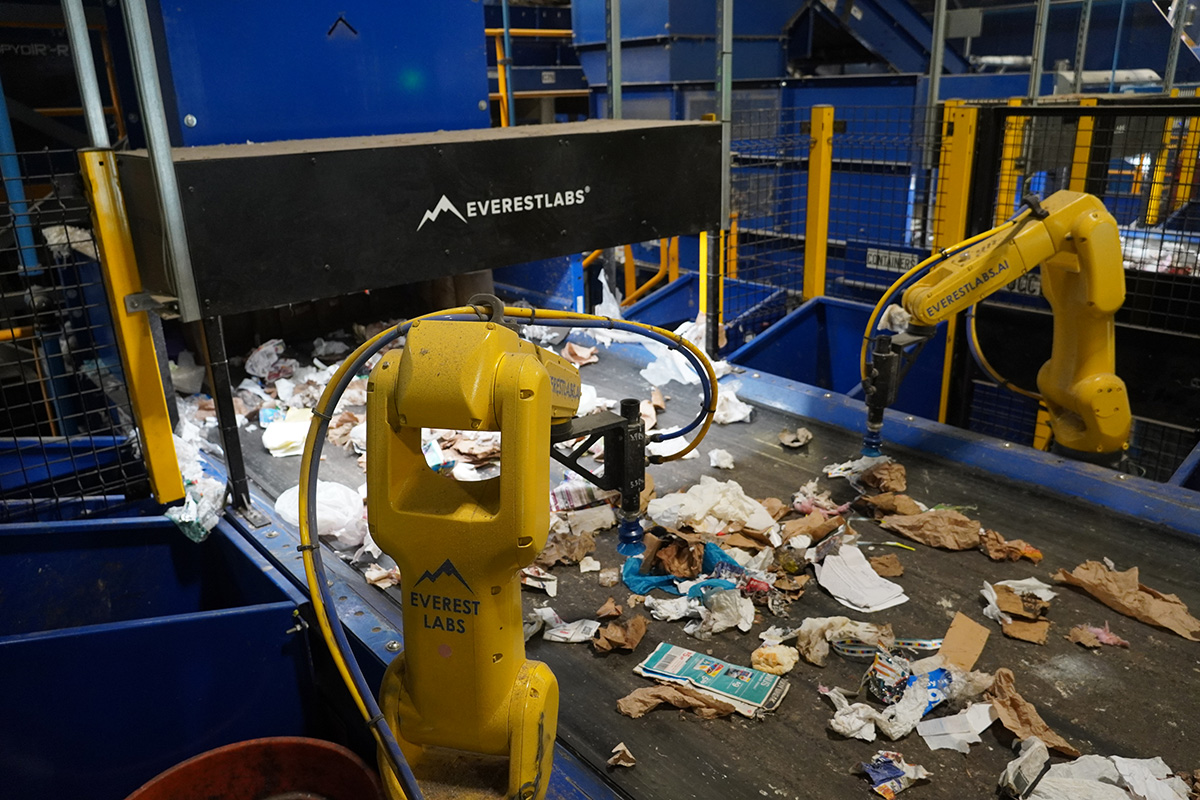
In the United States, EverestLabs AI is tackling the high-velocity requirements of material recovery facilities (MRFs). Unlike laboratory environments, MRFs operate at a frantic pace, with conveyor belts moving at speeds that defy human manual sorting capabilities. EverestLabs has deployed roughly 150 robotic units across North America and Australia, utilizing NVIDIA RTX GPUs for real-time edge inference. The company’s impact is measurable: having identified over 40 billion objects and prevented approximately 30,000 metric tons of carbon dioxide emissions, EverestLabs represents the transition from reactive waste management to proactive, data-informed resource recovery.
The challenge of "visibility" in the waste stream is being addressed by the U.K.-based startup Greyparrot. Historically, facility operators have relied on manual sampling—often inspecting less than 1% of total waste volume—to gauge the composition of their intake. Greyparrot’s Analyzer platform uses high-resolution computer vision to monitor the entire stream in real time. By processing data on billions of objects, the system provides operators with granular insights into the brand, material, and packaging composition of the waste, regardless of environmental factors like dust or fluctuating light. Major global entities, including Coca-Cola and Amcor, are already utilizing this data to monitor the end-of-life journey of their products, demonstrating how supply-chain transparency can drive circularity.
In Europe, where the textile crisis is reaching a breaking point—with nearly 7 million tons of discarded garments generated annually—reverse.fashion is applying sophisticated computer vision to the sorting of used clothing. The startup’s system assesses a garment’s condition, material, brand, and style in seconds as it travels at 3 meters per second. By automating the classification process, which previously took weeks, the system enables the rapid identification of resale-ready items versus materials suitable for textile recycling, effectively unlocking the trapped value of the "fast fashion" economy.
Supporting Data and Official Perspectives
The consensus among industry leaders and sustainability experts is that the transition to a circular economy is no longer a matter of policy alone, but of technological deployment. Josh Parker, head of sustainability at NVIDIA, emphasizes that the primary role of AI is to provide the "intelligence" necessary to understand and extract value from complex waste streams. "AI can help us understand what’s in a waste stream, identify what can be recovered and automate the work of sorting it," Parker stated. "We’re giving innovators the computing tools to make those processes more effective and bring them to more places."
The economic analysis of these technologies suggests that the return on investment is not merely environmental but financial. Facilities integrating AI-driven sorting report efficiency gains ranging from 10% to 30%. When applied across the global recycling infrastructure, these gains translate into billions of dollars in recovered material value, reducing the dependency on resource-intensive virgin material production.
Broader Impact and Future Implications
The broader implications of this technological integration reach far beyond the recycling facility floor. As waste management becomes digitized, the data generated by these systems provides a powerful feedback loop for product designers and packaging manufacturers. If a brand knows exactly how and where its packaging is being recovered—or failing to be recovered—it can adjust its materials and designs to improve recyclability. This "design for circularity" is perhaps the most significant long-term outcome of the AI-waste revolution.
Furthermore, the shift toward agentic AI—systems that not only observe but provide actionable insights and automated responses—will likely lead to a new generation of "smart" recycling facilities. In these plants, AI will orchestrate the entire flow of materials, from the point of entry to the shipment of sorted bales, with minimal human intervention.
However, the challenge of scalability remains. While the technology is proven, the global infrastructure for waste management is highly fragmented. Bridging the circularity gap will require significant investment in updating legacy facilities and a unified approach to waste classification standards. The collaboration between startups and major technology providers like NVIDIA serves as a critical catalyst, providing the computational infrastructure necessary to scale these solutions to a global level.
As the COP31 summit continues to highlight the urgent need for systemic change, the message from the intersection of AI and sustainability is clear: the path to a circular economy is paved with data. By transforming waste from a "nuisance to be buried" into a "resource to be harvested," innovators are not just solving a management problem; they are fundamentally rewriting the relationship between consumption and conservation. The next decade will be defined by the success of these deployments, as the world looks to turn the tide on the mounting crisis of global waste through the precision and scale of modern artificial intelligence.
Related posts: