GeForce NOW expands its cloud gaming library with nine new titles including WARDOGS and the Valheim 1.0 update

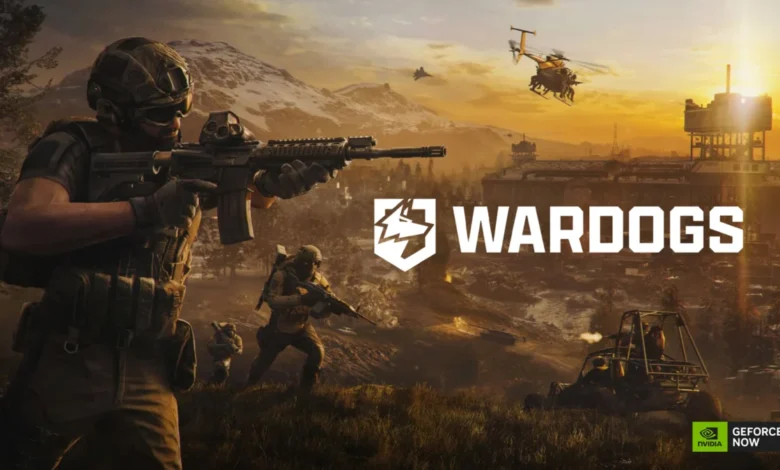
The landscape of high-fidelity gaming is undergoing a significant shift as NVIDIA continues to bolster its GeForce NOW cloud service. This week, the platform announced the addition of nine new titles, headlined by the early-access launch of the large-scale tactical shooter WARDOGS, the long-awaited 1.0 release of the Viking survival phenomenon Valheim, and the simulation-heavy Bus Simulator 27. These additions arrive as cloud gaming matures from a niche convenience into a viable alternative to high-end local hardware, allowing users to bypass the traditional barriers of expensive GPU upgrades, local storage constraints, and lengthy installation times.
The Evolution of Cloud-Based Tactical Warfare
The arrival of BULKHEAD’s WARDOGS on the GeForce NOW platform marks a milestone for the tactical shooter genre within the cloud ecosystem. Designed as a large-scale military sandbox, WARDOGS pits up to 100 players against one another across three distinct teams. The game’s core loop relies on randomized zone control, necessitating fluid tactical decision-making rather than static strategies.
From an industry perspective, the integration of such a resource-heavy title into a cloud environment provides a case study in modern infrastructure efficiency. WARDOGS requires significant processing power to manage real-time environmental destruction, building mechanics, and large-scale vehicle physics. By streaming the title via GeForce RTX 5080-class servers, NVIDIA allows players to experience these high-fidelity assets on devices ranging from standard office laptops to mobile tablets. This removes the "hardware tax" typically associated with the launch of new, graphically intensive early-access titles.
Valheim Reaches 1.0: A Milestone for Viking Survival
After an extensive period in early access that redefined the survival-crafting genre, Iron Gate’s Valheim has officially transitioned to its 1.0 release. This update introduces the Deep North biome, a frozen frontier that expands the game’s map and challenges players with new environmental hazards and combat encounters.
The transition to 1.0 is significant for the cloud gaming community, as Valheim has historically been one of the most played titles on the GeForce NOW service. By supporting crossplay across Steam and the Xbox Store, the 1.0 update facilitates a seamless transition for players returning to their existing servers. For cloud users, this means that even those with limited local storage—who might otherwise have to delete older games to accommodate the 1.0 patch—can jump into the new content instantly. The ability to stream the game to devices like the Amazon Fire TV Stick or Steam Deck underscores the platform’s versatility, as it effectively offloads the compute-heavy procedural generation of the Deep North to remote data centers.
Simulation and Market Diversification
In addition to high-octane combat and survival, the latest update to the GeForce NOW library includes the release of Bus Simulator 27. This title represents a specific segment of the gaming market that has seen a surge in popularity: professional and life simulation.
Bus Simulator 27 offers an expansive experience, featuring over 45 officially licensed buses from 13 different manufacturers. The inclusion of a full day-and-night cycle and a complex management system—where players must oversee routes and schedules across 20 distinct districts—demonstrates the platform’s ability to support titles that prioritize simulation depth over sheer graphical output. For enthusiasts of the genre, the ability to manage a transport empire via the cloud on a portable device represents a new standard in gaming accessibility.
Technical Infrastructure and Performance Metrics
The primary value proposition of the current GeForce NOW rollout is the mitigation of hardware depreciation. With the gaming industry currently trending toward massive, multi-gigabyte patches and increasingly demanding system requirements, the average consumer faces a recurring cycle of hardware upgrades.
Data from the industry indicates that the "barrier to entry" for modern AAA gaming has risen by approximately 30% in terms of required GPU memory and storage speeds over the last three years. By providing RTX-powered performance, NVIDIA is positioning its cloud service not merely as a streaming tool, but as an infrastructure provider. The incorporation of NVIDIA DLSS 5 (Deep Learning Super Sampling) has proven particularly effective in this regard, as it allows for high-frame-rate, high-resolution gaming even on suboptimal network connections. Recent feedback from the community suggests that users who had abandoned PC gaming due to the cost of hardware are returning to the hobby through these cloud-based solutions.
The Strategic Shift Toward Instant Access
The broader implications of this update reflect a systemic change in how consumers interact with software. Historically, the process of "playing a game" involved a multi-stage funnel: purchasing, downloading, installing, updating, and finally launching. GeForce NOW has successfully collapsed this funnel.
The decision to offer a "day pass" for the service is a strategic move aimed at lowering the psychological barrier for potential new subscribers. By allowing users to test the performance of the cloud architecture before committing to a monthly recurring fee, NVIDIA is attempting to mirror the "try-before-you-buy" model of traditional retail, albeit for a service-based product. This approach has seen success, particularly among users who utilize the service to play specific, high-profile titles like the new Valheim update before deciding whether to invest in a long-term membership.
Looking Ahead: The Future of the Library
While the nine titles added this week provide a diverse array of experiences, they represent only a fraction of the ongoing expansion of the GeForce NOW library. The platform’s strategy relies on a rapid onboarding process, where new games are integrated shortly after their official release dates on digital storefronts.
Industry analysts note that this rapid integration is essential for maintaining competitive relevance against other cloud services and traditional console gaming. The challenge, however, remains the reliance on stable high-speed internet connectivity. While the server-side technology, powered by the latest RTX GPUs, continues to advance, the "last mile" of connection remains a factor that varies significantly by geography.
Summary of Recent Developments
The current expansion highlights a pivotal moment for the industry. As the gaming market continues to fragment into various platforms, services that provide hardware-agnostic access are gaining traction. By bridging the gap between high-end graphical fidelity and low-end hardware accessibility, GeForce NOW is successfully democratizing the experience of modern gaming.
With the addition of WARDOGS, the completion of the Valheim saga, and the introduction of complex simulations like Bus Simulator 27, the platform is diversifying its appeal to reach both competitive multiplayer fans and solitary simulation enthusiasts. The integration of cutting-edge technologies like DLSS 5 further ensures that the platform remains at the forefront of the visual quality race. As the industry moves further into the late 2020s, the model of cloud-first gaming is likely to transition from a secondary option to a primary method of consumption for a significant percentage of the global gaming audience. Players are encouraged to monitor official NVIDIA channels and the weekly "GFN Thursday" reports for further updates, as the library continues to evolve in response to both player demand and new game releases.
Related posts: