September Import Volumes Surge as US Retail Supply Chains Defy Expectations of an Early Peak Season

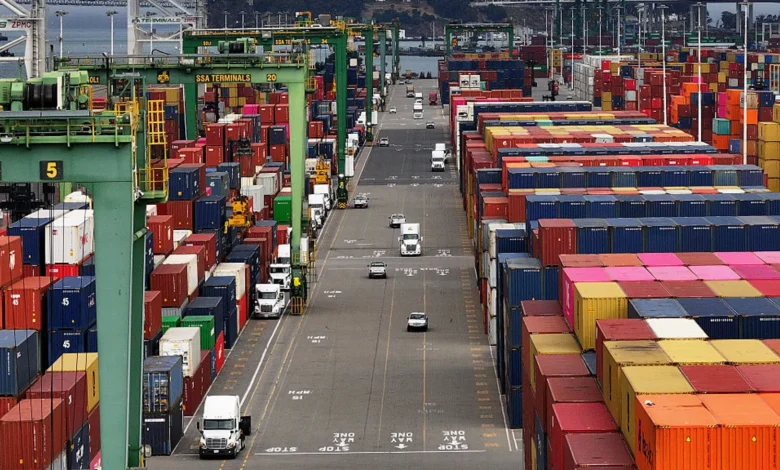
The landscape of American maritime logistics is currently navigating a period of unexpected resilience, as import volumes at major U.S. ports are projected to crest in September rather than witnessing the anticipated cooling of the peak shipping season. According to the latest data from the National Retail Federation (NRF) and Hackett Associates, the Global Port Tracker report suggests that despite earlier industry predictions of an abbreviated shipping cycle, the nation’s supply chain remains robust, driven by persistent consumer demand and strategic cargo frontloading.
For logistics managers and retailers, this development marks a significant deviation from the trend observed as recently as August, when indicators suggested a gradual tapering of volumes heading into the winter months. Instead, September is now forecasted to reach a throughput of 2.31 million Twenty-Foot Equivalent Units (TEUs), representing a significant 9.6% year-over-year increase. This surge underscores a complex interplay between macroeconomic pressures, such as shifting tariff policies and inflationary trends, and the enduring strength of the American retail sector.
The Evolution of the 2026 Peak Season
The current state of U.S. port activity is a far cry from the outlook provided just weeks ago. In early August, industry analysts expected the peak season—traditionally the period when retailers import goods to stock shelves for the holiday shopping rush—to wind down earlier than in previous years. This initial sentiment was rooted in the assumption that shippers had successfully frontloaded their holiday inventories, thereby mitigating the need for massive September and October shipments.
However, the reality on the ground has proven more dynamic. The transition from August into September has been characterized by sustained pressure on infrastructure. While August was projected to process approximately 2.29 million TEUs—a slight dip of 1.3% compared to the previous year—the acceleration into September indicates that the supply chain is operating at a high intensity that defies early cycle termination.
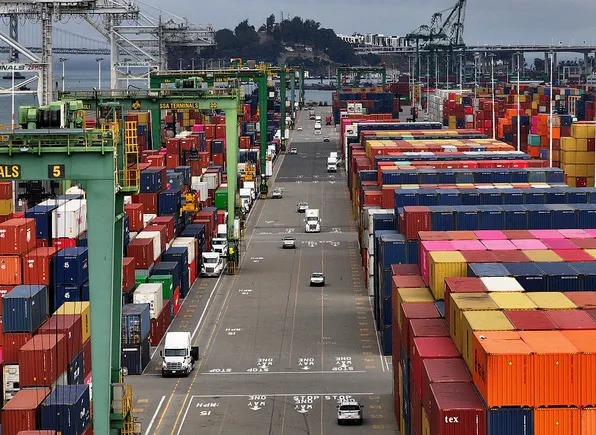
This phenomenon is not occurring in a vacuum. Ben Hackett, founder of Hackett Associates, noted that imports have remained buoyant despite a host of geopolitical and economic headwinds. "Retail sales remain strong and cargo is moving relatively smoothly, although there are reports of vessel delays and increased times required for cargo to move through the supply chain," Hackett stated in the recent briefing. These delays, while manageable, serve as a reminder that even as volume remains high, the system is being tested by the velocity of incoming goods.
Port-Specific Performance and Regional Trends
The Port of Los Angeles, a bellwether for national trade, provides a granular look at this trend. In a September 9 press release, the port reported processing 955,907 TEUs in August alone. This figure is not only 6% above the port’s five-year average but also concludes the busiest three-month stretch in the facility’s history.
Gene Seroka, Executive Director of the Port of Los Angeles, highlighted that this momentum is expected to persist through the end of the month. "We’ve put together an exceptionally strong summer in Los Angeles," Seroka noted. "Resilient consumer demand, early holiday shipments and a broad mix of cargo have all contributed to that strength."
While Seroka expects the specific peak season at his facility to conclude by the end of September—aligning with historical cycles that typically end in November—the national aggregate remains elevated for a longer duration. The regional performance reflects a broader national trend where ports are balancing the rapid intake of consumer goods with the logistical challenges of landside distribution, including rail availability and trucking capacity.
Statistical Outlook: A Four-Month Projection
The Global Port Tracker’s projections offer a roadmap for the remainder of the year and into early 2027, suggesting that while September will be the peak, the subsequent months will not see a drastic collapse in volume.

- September 2026: 2.31 million TEUs (9.6% increase YoY)
- October 2026: 2.11 million TEUs (1.7% increase YoY)
- November 2026: 2.00 million TEUs (0.9% decrease YoY)
- December 2026: 2.03 million TEUs (1.1% increase YoY)
- January 2027: 2.09 million TEUs (1.0% increase YoY)
These numbers suggest a "soft landing" for import volumes. Rather than a sharp decline, the industry is entering a plateau of high-volume activity. The slight year-over-year increase projected for December and January suggests that retailers are not only preparing for the holiday season but are also beginning to re-stock for early 2027, potentially influenced by fears of future tariff escalations or disruptions in global shipping routes.
Macroeconomic Context and Policy Implications
The persistence of these high import volumes is inextricably linked to the broader macroeconomic environment. Throughout 2026, the global supply chain has been forced to navigate the complexities of changing tariff policies. As shippers anticipate potential changes in trade agreements with major partners—including China, Mexico, Canada, and the European Union—there is an inherent incentive to pull forward orders. This "tariff-hedging" behavior acts as a structural floor for import volumes, preventing the expected seasonal decline.
Furthermore, despite concerns regarding fuel prices and high inflation, consumer spending has proven remarkably durable. As long as the American consumer continues to demand a steady supply of retail goods, logistics providers and ocean carriers will remain under pressure to move inventory. The interplay between these factors has effectively elongated the peak season, forcing stakeholders to recalibrate their operational strategies in real-time.
Logistical Challenges: Delays and Throughput
While the cargo is moving, the increased volume has inevitably put pressure on the supply chain’s "choke points." Reports of vessel delays and extended transit times for containers moving through intermodal systems are becoming more common. When ports handle record-breaking volumes, the ability of rail yards and warehouses to absorb the incoming freight becomes the limiting factor.
This operational reality explains why, despite record throughput, some retailers may still experience inventory gaps. The issue is less about the arrival of goods at the port and more about the efficiency of the domestic supply chain in clearing that cargo. As the industry looks toward the final quarter of 2026, the focus for logistics managers will shift from "securing space on a vessel" to "securing space in a warehouse."

Implications for the Industry and Future Outlook
The data provided by the NRF and Hackett Associates suggests that the global shipping industry is entering a new era of volatility where traditional "seasonal" models are less reliable. The combination of unpredictable geopolitical events and rapid changes in consumer behavior means that agility has become the most valuable asset in a supply chain director’s toolkit.
Looking ahead, the stability of these figures through the start of 2027 indicates that retailers are adopting a more defensive inventory strategy. By maintaining higher levels of stock, companies are attempting to insulate themselves from the potential for sudden, unforeseen supply chain shocks.
For the broader economy, these figures are a positive indicator of trade health. A robust flow of goods suggests that the underlying infrastructure of global trade remains functional, even if it is operating under significant strain. However, the reliance on high-volume throughput necessitates continued investment in port infrastructure and automation to ensure that the bottlenecks observed in the current cycle do not become systemic failures in the years to come.
As the industry moves past the September peak, all eyes will remain on the October and November figures. If the volumes hold steady as currently projected, it will confirm that the 2026 peak season was not merely a surge of frontloaded goods, but a fundamental shift in the baseline for U.S. import demand. For the time being, the global supply chain remains a high-stakes balancing act, where the only certainty is the requirement for constant vigilance and adaptive logistics management.