The Emergence of the "Retail Creator": How Employee-Generated Content is Reshaping Modern Marketing and Retail Strategy

Earlier this summer, Mephisto USA CEO Logan Bird ignited a conversation within the retail sector by posting a unique job advertisement on LinkedIn, seeking a store manager for the brand’s forthcoming New York City location. However, this was no ordinary retail position. Bird explicitly stated, "But this isn’t a traditional retail job. I’m looking for someone who can sell shoes and create content. Every day." This declaration underscored a significant shift in retail hiring and marketing strategies, signaling the growing demand for employees who can seamlessly blend sales expertise with digital content creation, effectively becoming in-house brand influencers.
Bird elaborated on the ideal candidate’s profile in an interview with Modern Retail, describing a professional capable of appearing on camera, driving foot traffic to the physical store, and possessing the "influence and connections" essential for penetrating the competitive New York City retail landscape. Beyond a base salary, this individual would also function as an affiliate, requiring a deep understanding of fashion and footwear trends. Bird emphasized the need for a candidate who could "come in with storytelling ideas and be able to leverage content that is going to make this store matter and make the brand more meaningful." Mephisto’s proactive approach reflects a broader industry trend where brands are increasingly recognizing the power of employee-generated content (EGC) to foster authenticity, build trust, and ultimately drive sales in an increasingly crowded digital marketplace.
The Genesis of the "Retail Creator" Trend
The concept of employees doubling as brand ambassadors isn’t entirely new, but the formalized integration of content creation into retail job descriptions marks a pivotal evolution. Historically, marketing relied on traditional advertising, celebrity endorsements, and, more recently, external social media influencers. However, consumer skepticism towards overtly commercial messaging has grown, particularly among younger demographics. This shift has paved the way for EGC, which offers a more genuine and relatable alternative. EGC encompasses a wide range of digital assets, from behind-the-scenes glimpses of new products and "day-in-the-life" videos showcasing daily operations to product reviews and style guides featuring actual staff members. While some employees have organically gained viral traction through their own content—such as the "Staples Baddie" who garnered significant attention for her relatable workplace videos—more brands are now strategically developing formal EGC programs to harness this potential systematically.
This strategic pivot is driven by several converging factors. The proliferation of social media platforms, especially visual-centric ones like TikTok, Instagram, and YouTube, has democratized content creation, making it accessible to virtually anyone with a smartphone. Simultaneously, the rise of Gen Z as a significant consumer demographic has amplified the demand for authentic, transparent, and peer-driven content. Unlike previous generations, Gen Z often trusts recommendations from peers and relatable figures over traditional advertisements or celebrity endorsements. This preference has compelled brands to rethink their communication strategies, moving away from polished, aspirational campaigns towards more raw, real-world portrayals of their products and services. The ongoing challenge for brands to cut through digital noise and establish genuine connections with consumers has accelerated the adoption of EGC, positioning it as a cornerstone of modern digital marketing.
The Unrivaled Authenticity of Employee-Generated Content
Experts in the field of digital marketing are quick to highlight the inherent advantages of EGC. Lia Haberman, author of the marketing Substack "ICYMI," notes, "A lot of companies, particularly this year, are waking up to the reality that having a creator on staff… is an incredibly valuable thing to have." She further explained to Modern Retail that these employees possess an intimate knowledge of the product and the retail environment, allowing them to communicate from an "educational standpoint, more than someone who just started working with the brand can." This deep product knowledge, combined with the authenticity of a real employee, resonates strongly with consumers who are increasingly wary of traditional marketing tactics.
The data unequivocally supports this assertion. A recent survey by Harris Poll revealed that approximately three-quarters (74%) of respondents consider employees more influential than traditional marketing influencers. This finding underscores a significant shift in consumer trust dynamics, where the credibility of an internal advocate often surpasses that of an external, paid personality. This preference is particularly pronounced among younger demographics. Furthermore, a June survey conducted by Sprout Social indicated that 61% of Gen Z consumers, and 40% of the overall population, frequently discover new products or services through EGC. These statistics paint a clear picture: in an era of information overload and declining trust in corporate messaging, the voice of an employee carries significant weight. As Haberman succinctly puts it, "People trust other people much more than [they trust] brand messaging." This trust translates directly into engagement and, ultimately, purchasing decisions, making EGC a powerful tool for customer acquisition and loyalty. The global influencer marketing market, projected to reach over $24 billion by 2028, is now seeing a significant segment shift towards employee creators, indicating a strong financial and strategic imperative for brands to invest internally.
Industry Leaders Formalize EGC Programs
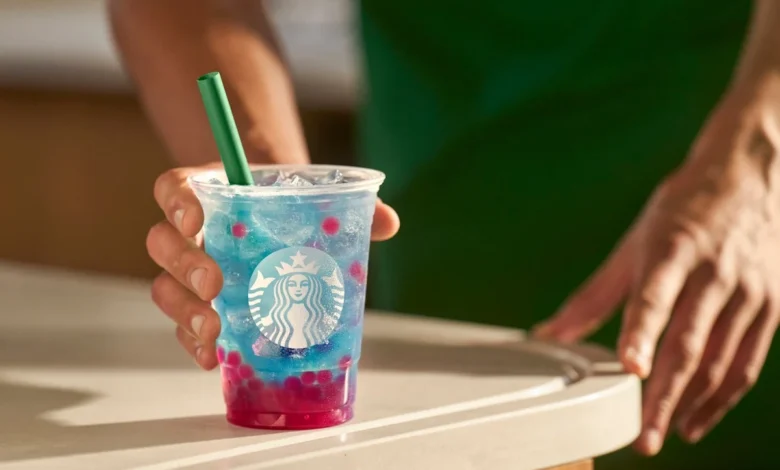
The growing recognition of EGC’s power is prompting major brands to invest substantial resources into formalizing these programs. Starbucks, a global leader in the food and beverage industry, is at the forefront of this movement. Having established its "Green Apron Creators" program in 2024 to empower its "partners" (employees) to share authentic coffee stories, the company is now expanding its initiatives. This summer, Starbucks launched a groundbreaking pilot program in partnership with TikTok’s Creator Network. Under this innovative scheme, Starbucks will provide content briefs to its employee creators and compensate selected individuals through ad revenue sharing. This innovative model provides a structured framework for employees to contribute meaningfully to the brand’s digital presence while being appropriately remunerated for their creative efforts.
Erin Silvoy, Starbucks’ SVP of Global Marketing, emphasized the strategic importance of this collaboration in an emailed statement to Modern Retail. She stated that partnering with TikTok offered Starbucks "the opportunity to build a customized tool that allows us to celebrate and amplify our partners’ authentic storytelling." Silvoy added, "We are elevating those who already love Starbucks and share that passion every day. As we continue to innovate in the employee creator space, we see this pilot as an opportunity to learn, test and evolve what comes next." This move is particularly noteworthy given Starbucks’ already robust organic EGC presence; the company reports that its employees post three times more content than staffers at similarly sized retailers. Many of these organic videos, even those not explicitly pushing products, elicit highly positive consumer reactions, with comments like, "This is the best ad for Starbucks I’ve ever seen," as pointed out by Lucy Robertson, who heads the global brand marketing division at Buttermilk, a marketing agency. Robertson highlights the irony that some of the most effective content often originates outside structured corporate programs, emphasizing the innate appeal of unscripted authenticity.
Lia Haberman views the Starbucks-TikTok partnership as a "game changer," particularly because it ensures that employees who have long served as both baristas and organic content creators are now formally compensated for their efforts. The collaboration between "two of the biggest companies in the world" in EGC is "incredibly validating" for the entire field, suggesting a significant mainstreaming of the strategy. Robertson describes Starbucks’ new TikTok program as an "interesting middle ground" between spontaneous employee content and brands’ often "cringe" attempts to jump on trends themselves—a "Gen-Z cardinal sin." By empowering employees rather than directly creating content, Starbucks can benefit from authentic engagement without sacrificing credibility. However, Robertson also acknowledges the immense challenge of "control and oversight" that comes with managing such a vast volume of employee-generated content, an operational hurdle that many brands will face as EGC scales.
Beyond Starbucks, other retailers are also embracing structured EGC. Dick’s Sporting Goods, for instance, launched its "Varsity Team" creator program in 2021, initially exclusively for its employees. A year later, it expanded to include the general public, but employees remain a crucial component. The company recently appointed "team captains" to guide its creators, including staff members, in best EGC practices, demonstrating a commitment to nurturing internal talent and ensuring content aligns with brand values while maintaining authenticity.
The Business Case and Global Impact of EGC
The economic rationale for EGC is compelling. In an environment of escalating digital advertising costs and diminishing returns on traditional campaigns, EGC offers a cost-effective and highly impactful alternative. Brands are realizing that leveraging their existing workforce to create authentic content can yield significant returns on investment. This is where specialized platforms come into play, streamlining the process and maximizing its effectiveness, often by integrating content directly into e-commerce experiences.
One such innovator is Staff Start, a Japanese EGC company that partners with major brands like New Balance and Levi’s. Staff Start provides an intuitive app that allows employees to upload videos or photos showcasing themselves wearing products or demonstrating their use. This content is then seamlessly integrated into the brand’s online product pages, creating a personalized shopping experience. Crucially, companies can set their own commission rates, incentivizing employees to create high-quality, sales-driving content and effectively turning them into micro-entrepreneurs within the brand ecosystem.
Yasuaki Onozato, CEO of Staff Start, explained to Modern Retail via email that his platform helps foster a "person-driven form of buying." Customers often develop a connection with the employee, thinking, "I want to buy from that staff member," and even, "I want to meet that staff member." This personal connection is incredibly powerful, especially in cultures that value service and human interaction, as is common in Japan. Onozato shared a remarkable anecdote from Japan, where "a 90-minute line formed for a single store staff member" due to their online presence and influence. This exemplifies the profound impact an employee creator can have on customer engagement and loyalty, translating digital charisma into tangible in-store experiences. In Japan, brands utilizing Staff Start’s services observe an average conversion rate increase of 1.5 times, demonstrating a clear uplift in sales efficiency. The highest sales figure attributed to a single EGC post through Staff Start reached an astonishing 156.48 million yen (approximately $960,000 USD at current exchange rates), demonstrating the immense revenue-generating potential of a well-executed EGC strategy that leverages employee influence.
Onozato notes that interest in Staff Start’s services is "unquestionably increasing," attributing this surge to "rising advertising costs and a growing tendency for consumers to trust authentic, true-to-life content from real people." Recognizing the global demand, Staff Start is actively exploring expansion into the U.S. and E.U. markets, currently "redesigning the platform for Western UX" to ensure cultural relevance and user-friendliness. This international expansion highlights the universal applicability and growing necessity of EGC in modern retail, indicating a shift from a niche strategy to a global marketing imperative.
Navigating the EGC Landscape: Training, Compensation, and Oversight
While the benefits of EGC are clear, implementing successful programs requires careful planning and execution. Brands must address key considerations such as training, compensation, and oversight to maintain brand consistency and employee morale. Lia Haberman emphasizes the necessity of training employees on best EGC practices. This includes guidance on confident camera presence, storytelling techniques, brand messaging guidelines, and compliance with disclosure regulations to ensure transparency and legal adherence. Sprout Social, a social media management platform, also recommends providing employees with tips on how to be confident in front of a camera, recognizing that not everyone is a natural performer and that specific skills can be developed.
Compensation models are another critical aspect. While Mephisto plans to treat its store manager as an affiliate, offering a base salary plus commission, other models exist. Starbucks’ partnership with TikTok involves ad revenue sharing, ensuring that creators are directly rewarded for the performance of their content. Fair and transparent compensation is crucial to motivate employees and prevent resentment, especially when their content directly contributes to brand visibility and sales. It’s important to differentiate between organic, voluntary content creation and formal, compensated programs, establishing clear boundaries and expectations to avoid exploitation or misunderstanding. Companies must also consider the potential implications for employee contracts and intellectual property rights concerning the content created.
The challenge of "control and oversight," as noted by Lucy Robertson, is significant for large brands. Maintaining brand voice, ensuring accuracy, and preventing off-message content requires robust internal guidelines and potentially moderation processes. Companies need to strike a delicate balance: providing enough creative freedom to ensure authenticity, while also safeguarding brand reputation and legal compliance. This might involve approval workflows for content or clear "do’s and don’ts" communicated through comprehensive training and ongoing support. The HR department also plays a critical role in managing expectations, ensuring fairness, and integrating EGC responsibilities into job roles effectively.
The Future of Retail Marketing: A Hybrid Approach
The ascendance of EGC does not signal the demise of traditional influencer marketing. Rather, it suggests a move towards a more diversified and integrated marketing ecosystem. Brands like Starbucks continue to engage with external creators and celebrities, such as Ciara, to reach broad audiences and leverage established star power. EGC serves as a complementary strategy, offering a layer of authenticity and direct consumer trust that even the most popular external influencers might struggle to replicate. The combination of high-reach celebrity endorsements, targeted micro-influencer campaigns, and deeply authentic employee-generated content creates a powerful, multi-faceted marketing approach that maximizes reach and impact across various consumer touchpoints.
Lia Haberman believes there is "tremendous power in tapping employees to make TikToks," provided the space doesn’t become oversaturated or overly commercialized, which could undermine the very authenticity that makes EGC effective. The key lies in maintaining the genuine, relatable quality that makes EGC so compelling. As brands become more sophisticated in their EGC strategies, they will likely continue to refine how they empower, train, and compensate their employee creators, turning every frontline staff member into a potential marketing asset. This approach not only boosts brand perception but also fosters a stronger sense of ownership and engagement among employees.
Haberman’s closing remark, "This is probably something that we should have all been doing 10 years ago," encapsulates the sentiment of many marketing professionals. The shift towards EGC represents not just a trend, but a fundamental realignment of marketing strategy with evolving consumer behaviors and expectations. In an age where authenticity reigns supreme, the "retail creator" is poised to become an indispensable component of successful brand building and customer engagement in the years to come, redefining the very nature of what it means to work in retail. The Mephisto job posting, once an outlier, may soon become the industry standard, heralding a new era where every employee is a potential storyteller, shaping the narrative of the brand from the ground up and transforming the customer-brand relationship into a more personal and trustworthy interaction.