Urban Outfitters to join Sheffield’s Heart of the City transformation – Retail Gazette

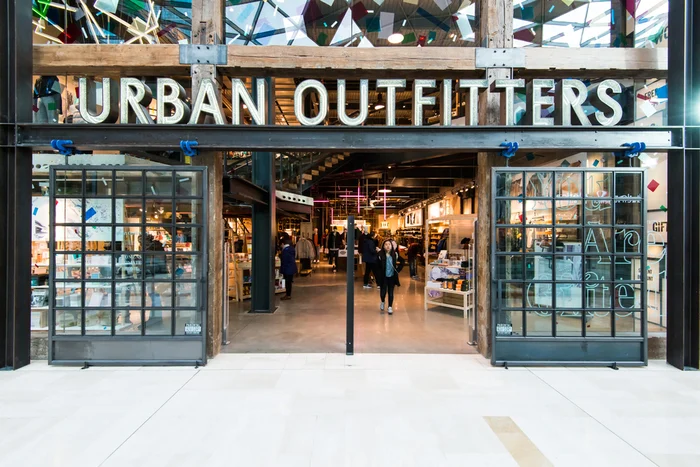
Urban Outfitters, the internationally renowned lifestyle retailer, has solidified its commitment to Sheffield by agreeing to a substantial lease for 8,500 square feet of prime retail space within the city’s transformative Heart of the City regeneration project. This significant development marks a pivotal moment for Sheffield’s evolving retail landscape, further cementing the city centre’s appeal as a dynamic, mixed-use destination and underscoring the success of ambitious urban renewal initiatives. The strategic acquisition of this prominent location by a global brand like Urban Outfitters is anticipated to significantly enhance footfall, attract a younger demographic, and complement the existing diverse retail ecosystem that includes established names such as Superdry, Fjallraven, and the independent brand Lucy & Yak.
The agreement, facilitated by Sheffield City Council in collaboration with its asset management partner RivingtonHark, positions Urban Outfitters as a cornerstone tenant within the 1.5 million square foot flagship project. This sprawling regeneration endeavour has meticulously reshaped Sheffield’s urban core, cultivating what RivingtonHark describes as "a thriving concentration of shops, bars, cafes, restaurants, experiences, apartments, townhouses, and over 330,000 sq ft of occupied workspace." The integration of a brand with Urban Outfitters’ profile is not merely an addition of retail space; it represents a strategic alignment with the project’s vision to curate an "evolving mix of international, regional, and independent retail brands," thereby catering to a broader spectrum of consumers and solidifying Sheffield’s position as a regional retail hub.
The Vision Behind Heart of the City: A Transformative Urban Blueprint
The Heart of the City project, often referred to as Heart of the City II (following an earlier phase that included the Moor Market), represents one of the most ambitious urban regeneration schemes currently underway in the UK. Conceived by Sheffield City Council, the initiative aims to revitalise a substantial portion of the city centre, transforming underutilised areas and dated infrastructure into a vibrant, interconnected urban quarter. Its overarching goal is to foster a dynamic environment where people can live, work, shop, and socialise, thereby boosting the local economy and enhancing the city’s overall liveability and appeal.
This comprehensive mixed-use scheme encompasses a diverse range of elements beyond mere retail. It includes modern commercial office space, with over 330,000 sq ft already occupied by major tenants such as HSBC and CMS, signalling a robust professional services sector. Residential developments, comprising a mix of apartments and townhouses, are designed to increase city centre residency, fostering a 24/7 economy and enhancing vibrancy. Significant investment in public realm improvements, including high-quality public spaces and pedestrian-friendly zones, aims to improve connectivity and create attractive social environments. Furthermore, the project meticulously integrates Sheffield’s rich industrial heritage and existing architectural gems into its new urban fabric, creating a unique sense of place. This holistic approach is crucial in the modern urban context, where successful city centres must offer a compelling array of experiences to draw people away from online retail and out of their homes, fostering genuine community and interaction.
A Chronology of Renewal: Paving the Way for Progress
The journey of the Heart of the City project has been one of strategic planning, phased development, and adaptive execution. Recognising the need to modernise Sheffield’s core and address challenges from out-of-town retail parks and the rise of e-commerce, initial discussions and conceptualisation for a major city centre regeneration project gained momentum in the early 2010s.
By the mid-2010s, typically between 2015 and 2017, the Heart of the City II masterplan was formally established. Sheffield City Council took a proactive role, often acquiring key sites to facilitate development and de-risk the project for private investors. This period saw the appointment of development partners, initially Queensberry, and later RivingtonHark, bringing essential private sector expertise to the ambitious public sector vision.
Major construction works commenced in the late 2010s, around 2018-2019, across several key sites within the project area. Crucially, early anchor tenants for office space, such as HSBC’s new regional headquarters, were secured, providing significant impetus and confidence in the project’s viability. Concurrently, early public realm improvements were completed, setting the aesthetic and functional tone for the new urban environment.
Despite the unprecedented challenges posed by the global pandemic in the early 2020s, typically from 2020-2022, construction continued resiliently, demonstrating long-term commitment. More office spaces were completed and successfully occupied, and the first wave of retail and leisure tenants, including popular brands like Superdry and Fjallraven, began to open their doors. The residential components also started to take shape, steadily increasing the city centre’s population.
Currently, in the mid-2020s, the project has entered a mature phase of tenant attraction and public activation. The focus has shifted to curating a diverse and appealing mix of businesses to complement the established anchors. This period has seen the successful attraction of more niche and independent retailers, and now, significantly, a major international fashion brand like Urban Outfitters. Each new opening builds on the previous, creating a cumulative effect of vibrancy and economic activity. This careful, phased approach has allowed the project to adapt to market conditions and build momentum organically, culminating in the current success of attracting high-profile tenants.
The Economic Catalyst: Impact and Implications
The securing of Urban Outfitters represents more than just another shop opening; it is a powerful economic catalyst for Sheffield. Director of Regeneration and Development at Sheffield City Council, Sean McClean, articulated this sentiment, stating, "It is great to see the City Council’s momentum surrounding our Heart of the City project shows no signs of slowing down, as we see another retailer secured to move into the development. This builds on recent openings to increase the retail offer in Heart of the City. Our aim was to transform and regenerate the area of the city centre, bringing people back into Sheffield and we’ve done just that. The city centre is a fantastic place for people to live, work and enjoy."
The implications of this significant lease agreement are multifaceted and far-reaching:
- Increased Footfall and Consumer Spending: Urban Outfitters is a substantial draw for its target demographic, particularly students and young professionals. Its presence is expected to dramatically increase footfall in its immediate vicinity and across the wider Heart of the City area, encouraging cross-shopping and boosting spending in neighbouring businesses, including cafes, restaurants, and other retailers. This ripple effect is crucial for the overall economic health of the city centre.
- Job Creation: The new Urban Outfitters store will generate both full-time and part-time employment opportunities, ranging from retail assistants to management roles. This directly contributes to local employment figures and provides valuable jobs for Sheffield’s large student population and dynamic young workforce, supporting the city’s economic ecosystem.
- Enhanced Retail Diversity and Attractiveness: Adding a globally recognised brand like Urban Outfitters significantly elevates Sheffield’s retail profile. It signals to other potential retailers and investors that Sheffield is a viable and attractive market, fostering a virtuous cycle of investment and growth. This diversity is critical for enabling Sheffield to compete effectively with other major regional shopping destinations like Leeds and Manchester, which traditionally held a stronger retail appeal.
- Boost to City Centre Vibrancy: A thriving retail core, especially one that includes experiential brands, contributes significantly to the overall vibrancy and appeal of a city centre. It transforms it into a destination for leisure and social activities, not just transactional shopping. This aligns perfectly with the broader goal of making Sheffield "a fantastic place for people to live, work and enjoy" and fostering a dynamic urban environment around the clock.
- Validation of Regeneration Strategy: The success in attracting such a high-calibre tenant serves as a powerful validation of Sheffield City Council’s long-term regeneration strategy. It demonstrates that strategic public sector intervention, coupled with expert private sector partnership (like RivingtonHark), can successfully revitalise urban spaces and attract significant private investment, even in a challenging national retail climate. This success story offers a blueprint for other cities undertaking similar regeneration efforts.
Sheffield’s Evolving Retail Landscape in a National Context
The UK retail sector has undergone profound transformations in recent decades, driven by the rise of e-commerce, shifting consumer preferences, and economic fluctuations. Traditional high streets have faced significant challenges, leading many to adapt or decline. In this context, urban regeneration projects like Heart of the City are crucial for the survival and evolution of city centres.
Sheffield, historically a powerhouse of industry, has been actively diversifying its economy, moving beyond its steel heritage into advanced manufacturing, digital technologies, and creative industries. Its two universities contribute to a large student population exceeding 60,000, providing a significant demographic base for retailers like Urban Outfitters. The city’s growing creative and digital sectors also attract a younger, urban-centric demographic that values experiential retail and a vibrant city lifestyle, perfectly aligning with Urban Outfitters’ brand identity.
The move by Urban Outfitters into Sheffield reflects a broader trend among major retailers to strategically locate in high-quality, mixed-use developments that offer more than just a transactional shopping experience. These developments integrate leisure, dining, residential, and office components, creating dynamic environments that encourage longer dwell times and higher engagement from consumers. This is a departure from the traditional model of standalone high street stores or out-of-town shopping malls, aligning instead with a "destination retail" strategy. Property consultancy data consistently highlights that successful retail destinations are those that offer a blend of international brands, unique independents, and robust leisure and dining options. Sheffield’s Heart of the City project is consciously curating this mix, ensuring resilience and broad appeal, and differentiating itself from competing retail hubs.
Stakeholder Perspectives and Collaborative Success
The success of Heart of the City is a testament to strong collaboration between public and private sectors. Laurence Jones, Portfolio Director at RivingtonHark, underscored their pivotal role, stating, "At RivingtonHark we are a trusted partner among local authorities for delivering long-term value across complex regeneration projects. We are currently working with 10 local councils across the UK to deliver vibrant destinations and together with Sheffield City Council we have helped transform the city centre into a flagship location for offices, retail, leisure, and F&B operators. With international brands such as Urban Outfitters queuing to become part of Heart of the City, complemented by cutting edge regional and independent brands, we look forward to announcing more new arrivals as we continue to transform the city centre."
This statement highlights the specialised expertise required to navigate the complexities of large-scale urban development, from securing intricate funding and planning permissions to attracting the right mix of diverse tenants. The fact that international brands are "queuing" to join the project speaks volumes about its perceived value, strategic location, and immense future potential.
Local business communities and residents are likely to welcome this news with considerable enthusiasm. The Sheffield Chamber of Commerce, for instance, would undoubtedly view this as a robust positive indicator of the city’s economic health and a significant boost for city centre trade. Increased footfall benefits not only the new anchor tenants but also generates a positive ripple effect, supporting smaller, independent businesses in the vicinity and throughout the local economy. For the city’s residents, it means enhanced shopping options, a more diverse range of leisure activities, and a more vibrant, attractive city centre for daily life and social engagements.
Broader Implications for Urban Regeneration in the UK
Sheffield’s Heart of the City project serves as a compelling and instructive case study for urban regeneration efforts across the entire United Kingdom. Many post-industrial cities face similar challenges: declining high streets, persistent vacant properties, and the pressing need to diversify their economies away from traditional sectors. The Sheffield model, characterised by proactive local authority involvement, comprehensive mixed-use development, and strategic public-private partnerships, offers invaluable lessons for these regions.
The resounding success of attracting a high-profile international retailer like Urban Outfitters demonstrates unequivocally that with clear vision, substantial investment, and a meticulously executed strategy, city centres can be successfully revitalised. It actively challenges the prevailing narrative of irreversible high street decline and offers a robust template for creating resilient, future-proof urban environments. This is particularly relevant as local authorities across the nation increasingly seek innovative ways to breathe new life into their town and city centres, moving beyond purely retail-focused models to create holistic "15-minute cities" where amenities and opportunities are easily accessible to all residents.
Future Outlook and Continued Development
With Urban Outfitters now firmly on board, the momentum for the Heart of the City project is expected to continue building at an accelerated pace. The project is not yet complete, and RivingtonHark’s statement about "announcing more new arrivals" strongly suggests that further exciting developments are on the horizon. This could potentially include additional high-profile retail and leisure operators, further phases of residential units to increase city centre living, or even innovative new public spaces designed to enhance community interaction and green infrastructure.
The long-term value of such ambitious projects lies in their inherent ability to adapt and evolve in response to changing market dynamics and consumer preferences. As retail trends continue to shift and urban living preferences transform, Heart of the City will need to remain agile, continually curating its offering to stay relevant, attractive, and competitive. The current success, however, provides an exceptionally strong foundation for sustained growth and positions Sheffield as a leading example of successful urban renewal in the UK. The city is not merely constructing new buildings; it is actively rebuilding its identity as a dynamic, modern urban centre, fully equipped to compete on both a national and international stage. The arrival of Urban Outfitters is a clear and powerful signal that this ambitious transformation is well underway and is already yielding tangible, positive results for the people and the thriving economy of Sheffield.