Reformation, the direct-to-consumer (DTC) fashion brand renowned for its sustainable practices and contemporary designs, is targeting a valuation of up to $1 billion through its forthcoming initial public offering (IPO). This significant move into the public market, detailed in a recent company announcement, involves an offering of more than 14 million shares of common stock, expected to be priced between $15 and $17 per share. The announcement on Monday outlined the strategic financial maneuvers Reformation is undertaking as it seeks to capitalize on its unique brand identity and robust direct-to-consumer model.
The offering structure indicates a substantial component of new capital infusion for the company, alongside a partial liquidity event for existing shareholders. Specifically, nearly 9.5 million of the shares being offered are newly issued by Reformation itself, with the remainder coming from certain existing stockholders. Furthermore, an additional 2.1 million shares of common stock from selling stockholders could be made available for purchase by underwriters through a standard 30-day option, often referred to as a greenshoe option. This mechanism provides underwriters with the flexibility to cover over-allotments and stabilize the stock price after the IPO. Assuming a mid-point pricing of $16 per share, Reformation anticipates netting approximately $134.5 million from the IPO, a critical sum earmarked for strategic financial restructuring and growth initiatives.
Strategic Allocation of IPO Proceeds
The planned allocation of the IPO proceeds highlights Reformation’s immediate financial priorities and its long-term growth strategy. The company intends to deploy about $125 million of the net proceeds towards the partial repayment of an existing loan. This move is generally interpreted as a strengthening of the company’s balance sheet, reducing its debt burden and potentially lowering future interest expenses, thereby improving its financial flexibility. The remaining $9.5 million of net proceeds is designated for the purchase of more outstanding shares and stock options, as outlined in an updated S-1 filing submitted on Monday. This action can be seen as an effort to manage dilution for existing shareholders or to facilitate employee stock option programs, aligning employee incentives with the company’s public market performance. Post-offering, Reformation expects to have just over 59 million shares of common stock outstanding, providing a clear picture of its new capital structure to prospective investors.
Reformation’s Journey: From Niche to Global Presence
Founded in 2009 by Yael Aflalo, Reformation carved a distinct niche in the fashion industry by combining trend-conscious designs with an unwavering commitment to sustainability. From its humble beginnings as a vintage clothing store in Los Angeles, it rapidly evolved into a leading DTC brand, appealing to a demographic increasingly concerned with the environmental and social impact of their purchases. The brand’s philosophy, encapsulated by its "sustainable practices" and "RefScale" (a tool designed to track the environmental footprint of each product), positioned it as a pioneer in the eco-conscious fashion movement. This unique selling proposition has resonated strongly with millennial and Gen Z consumers who prioritize ethical consumption without compromising on style.
Reformation’s growth trajectory has been marked by a shrewd integration of digital-first strategies with innovative physical retail experiences. While the brand initially gained traction through its e-commerce platform, its subsequent expansion into brick-and-mortar stores has been strategically executed to complement and enhance its online presence. This omnichannel approach has been instrumental in broadening its customer base and strengthening brand loyalty.
A Profitable DTC Model: A Rarity in the Industry
In an industry often characterized by high burn rates and elusive profitability for DTC brands, Reformation stands out with its healthy financial performance. The company reported a net revenue of approximately $507 million and a net income of $12.6 million in 2025 (referring to the fiscal year as disclosed in its filings). These figures underscore the viability and effectiveness of its business model, which has managed to achieve profitability while scaling operations. This financial health is a crucial factor in attracting investor interest, particularly in a market that has grown more discerning about growth-at-all-costs narratives and now prioritizes demonstrable profitability.
The ability to generate a net income distinguishes Reformation from many of its DTC peers, some of whom have struggled post-IPO to meet profitability expectations. Investors are increasingly looking for companies with clear paths to sustained earnings and robust unit economics, and Reformation’s performance in this regard presents a compelling investment thesis.
The Power of Omnichannel: "Retail X" and Customer Acquisition
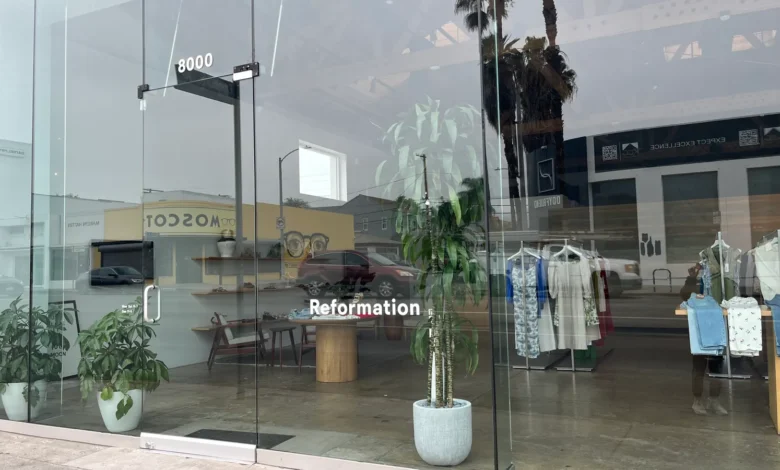
A significant driver of Reformation’s success has been its sophisticated approach to retail, particularly its "Retail X" store model. The company currently operates 70 owned stores, with approximately 75% of these utilizing its patented "Retail X" technology. This innovative store concept integrates digital tools and data analytics into the physical shopping experience, creating a seamless and highly personalized customer journey. While specific details of "Retail X" are proprietary, it is understood to leverage technology for inventory management, personalized recommendations, efficient checkout processes, and potentially virtual try-ons, bridging the gap between online convenience and in-store interaction.
The success of this omnichannel strategy is evident in its customer acquisition metrics: over 30% of its new DTC shoppers last year were acquired through its retail stores. This highlights the crucial role physical locations play not just as sales channels, but as vital brand touchpoints and customer acquisition engines. In an era where online customer acquisition costs are steadily rising, leveraging physical retail to drive digital sales offers a strategic advantage. These stores serve as experiential hubs, allowing customers to engage with the brand’s aesthetic, feel the quality of its sustainable fabrics, and receive personalized styling advice, ultimately fostering deeper brand connection and loyalty that translates into online purchases.
Chronology of the IPO Process
Reformation’s journey towards its public debut began earlier in the year.
- June 2024: Reformation first announced its proposed IPO, signaling its intent to enter the public markets. This initial announcement typically involves filing a confidential S-1 registration statement with the U.S. Securities and Exchange Commission (SEC). The S-1 filing is a comprehensive document that provides detailed information about the company’s business, financial performance, management, and risk factors to potential investors.
- Subsequent Filings and Amendments: Following the initial confidential filing, the SEC reviews the S-1. Companies typically file several amendments to address SEC comments and update financial information. This iterative process ensures full disclosure and transparency.
- Monday’s Updated S-1 Filing: The announcement on Monday detailing the share pricing, allocation, and use of proceeds represents a critical step in the IPO timeline. This updated S-1 filing provides the most current information available to prospective investors, including the expected price range for the shares.
- Roadshow: Following the updated S-1, Reformation’s management team, led by its executives, will typically embark on an investor roadshow. During this period, they will meet with institutional investors, fund managers, and analysts to present their business model, growth strategy, and financial outlook, aiming to generate interest and secure commitments for the offering.
- Pricing and Listing: After the roadshow, based on investor demand, the final IPO price will be determined. The shares will then be listed on a major stock exchange, marking Reformation’s official debut as a publicly traded company.
Broader Market Context and Implications
Reformation’s IPO arrives at a pivotal time for both the fashion industry and the broader capital markets. The past few years have seen a mixed bag of results for DTC brands entering the public sphere, with some experiencing strong initial performance followed by challenges, while others have struggled to maintain investor confidence. This has led to increased scrutiny from investors, who are now prioritizing sustainable growth, profitability, and clear differentiation. Reformation’s ability to demonstrate profitability and a robust omnichannel strategy positions it favorably in this environment.
Implications for the Sustainable Fashion Movement: This IPO could serve as a significant bellwether for the sustainable fashion sector. A successful public debut for Reformation could validate the commercial viability of environmentally conscious business models, potentially encouraging more sustainable brands to scale and seek public funding. It could also attract greater institutional investment into companies prioritizing ESG (Environmental, Social, and Governance) factors, aligning with a growing global trend of responsible investing.
Impact on the DTC Landscape: Reformation’s strong emphasis on physical retail, demonstrated by the success of its "Retail X" model in acquiring new customers, offers valuable lessons for the wider DTC industry. It underscores the importance of a blended online-offline strategy in an increasingly competitive market where digital advertising costs are escalating. The IPO could reinforce the notion that physical presence, when integrated intelligently with digital capabilities, is not just a legacy channel but a crucial component of modern customer engagement and acquisition.
Investor Outlook: For investors, Reformation presents an opportunity to invest in a growing brand with a strong ethical foundation, appealing to a burgeoning consumer segment. However, like any investment, it comes with inherent risks, including intense competition from both fast-fashion giants and luxury brands, supply chain vulnerabilities, and the challenge of consistently innovating while maintaining its core sustainability commitments. The fashion industry is dynamic and subject to rapidly changing trends, requiring continuous adaptation and strategic foresight.
Future Growth Avenues: With the capital raised from the IPO, Reformation is well-positioned to accelerate its growth initiatives. This could include expanding its product categories beyond apparel into accessories or home goods, venturing into new international markets, further enhancing its technological capabilities, and deepening its commitment to sustainable innovation across its supply chain. The reduction of debt through IPO proceeds also provides a stronger financial foundation for these expansion plans, enabling the company to pursue opportunities more aggressively and flexibly.
In conclusion, Reformation’s IPO represents a critical juncture for the brand, offering it the capital and visibility required to cement its position as a leader in sustainable fashion. Its journey from a niche vintage store to a publicly traded company with a $1 billion valuation target reflects a powerful blend of aspirational design, ethical practices, and shrewd business strategy, poised to influence the future trajectory of both the fashion industry and the direct-to-consumer market.