Diddly Squat and Blue Diamond Garden Centres unveil exclusive Christmas gifting collection as part of three-year partnership

The landscape of British retail and horticultural commerce is set for a distinctive intersection this autumn as Diddly Squat Farm, the Oxfordshire-based agricultural venture popularized by Jeremy Clarkson, and Blue Diamond Garden Centres announce the expansion of their strategic partnership. The two entities have confirmed the launch of a bespoke Christmas gifting collection, scheduled for retail release on October 1, 2026. This move marks a significant milestone in a three-year collaborative agreement designed to marry Blue Diamond’s technical horticultural expertise with the rugged, authentic brand identity associated with Diddly Squat Farm.
The collection, which will be available both in-store at Blue Diamond’s nationwide network of garden centres and through the digital storefronts of both brands, represents a deliberate pivot toward experiential and "grow-your-own" gifting. By moving beyond traditional retail offerings, the partners aim to capitalize on the increasing consumer demand for products that possess a tangible connection to the British countryside and agricultural authenticity.
The Genesis of the Partnership
The relationship between Blue Diamond and Diddly Squat Farm was formally cemented following the success of the Diddly Squat Farm Rosé Rose, which debuted to significant public interest at the RHS Chelsea Flower Show earlier in 2026. The initial success of that product served as a proof-of-concept for the collaboration, demonstrating that the "Clarkson effect"—a phenomenon where products associated with the television personality see rapid adoption—could be successfully integrated into the high-end gardening retail sector.
Alan Roper, the CEO of Blue Diamond Garden Centres, has positioned this partnership as a long-term strategic investment rather than a fleeting marketing exercise. The three-year roadmap established between the two firms is structured to evolve with the seasons, leveraging Blue Diamond’s established logistical and horticultural infrastructure to provide a platform for Diddly Squat’s product development team.
Product Innovation and Sustainability
At the core of the new Christmas range is a focus on practical, garden-centric items that eschew traditional mass-market plastic gifts in favor of sustainable, growth-oriented alternatives. Among the standout items are the "Seedy Balls," a creative take on bird feeding designed to encourage biodiversity in domestic gardens, and a "Fruit and Nut Bar" specifically formulated to attract native British bird species. These products reflect a broader trend in the UK retail market where consumers are increasingly prioritizing ethical sourcing and environmental stewardship, particularly during the high-consumption holiday season.
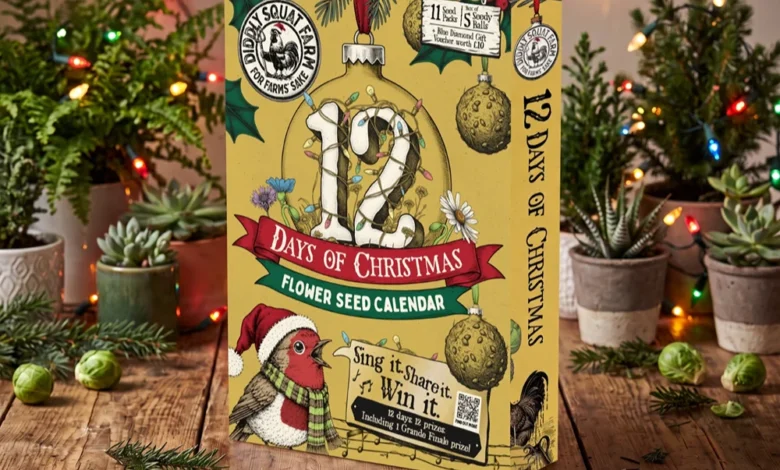
Furthermore, the collection includes the "12 Days of Christmas Flower Seed Calendar," which mirrors the traditional advent calendar format but provides users with seasonal seeds to be planted throughout the following year. This is complemented by the "Diddly Squat Plantable Garden Planner," an interactive tool aimed at both novice and experienced gardeners. By offering items that require user participation and long-term engagement, the companies are positioning themselves as facilitators of lifestyle change rather than mere vendors of seasonal goods.
The Strategic Value of the Collaboration
For Blue Diamond, the partnership offers a vital bridge to a younger, more media-engaged demographic that might not typically frequent traditional garden centers. The retailer has historically maintained a strong reputation for high-quality plants and garden equipment, but the association with Diddly Squat allows it to project a more contemporary, accessible, and character-driven image.
From the perspective of Diddly Squat Farm, the collaboration represents a professionalization of its retail arm. By utilizing Blue Diamond’s expertise in supply chain management and retail display, the farm can scale its product reach beyond its local Oxfordshire customer base to a national level. This transition from a niche farm shop to a nationwide brand is a significant case study in the diversification of agricultural businesses in the United Kingdom.
Industry analysts suggest that the "Diddly Squat" brand has successfully tapped into a specific niche of the British public that values traditional farming, skepticism of bureaucracy, and a hands-on approach to land management. By embedding these values into gardening products, the partnership effectively converts the brand’s media presence into measurable retail output.

Official Perspectives
Lisa Hogan, co-founder of the Diddly Squat Farm Shop, has emphasized the collaborative nature of the product development process. According to Hogan, the goal was to ensure that the gifts were not only "fun" but also functional, aligning with the ethos of the farm. "There is something rather satisfying about creating Christmas presents that can actually be grown, planted, or used in the garden," Hogan noted in a statement. She added that the collection is designed to bring a "bit of Diddly Squat to gardens across the country," highlighting a desire to maintain the brand’s unique personality while operating within a professional retail framework.
Alan Roper echoed these sentiments, noting that the products are designed to stand out under the Christmas tree. "We expect they will appeal to both gardeners and Diddly Squat fans looking for something a little different this Christmas," Roper stated. He emphasized that the products are "practical, unique, and have a clear connection to gardening and the countryside," which he believes will be the primary driver of their success during the peak winter trading period.
Economic and Market Implications
The retail sector in the United Kingdom is currently navigating a complex environment characterized by fluctuating consumer spending and an increased focus on the "value-add" of physical retail spaces. Garden centers have been particularly resilient, as they offer an experience that is difficult to replicate online. By combining this "experience" with a strong brand identity like Diddly Squat, Blue Diamond is effectively creating a "destination retail" strategy.
Data from the Horticultural Trades Association (HTA) suggests that interest in home gardening and biodiversity-friendly products has remained high in the post-pandemic years, despite inflationary pressures. The specific focus on bird-friendly products and seed-based gifts aligns with wider environmental trends in the UK, where domestic gardens are increasingly viewed as essential components of local ecosystems.
Moreover, the three-year timeline of the agreement suggests that the partners are focused on building brand equity. By releasing new, seasonal collections, they are establishing a cycle of anticipation among consumers. This is a common strategy in high-end retail, but it is relatively novel within the agricultural-product space, marking a potential shift in how farm shops leverage their branding to compete with large-scale retailers.
Looking Ahead: The Future of the Partnership
As the October 1, 2026, launch date approaches, attention will turn to the logistical success of the rollout. With the Diddly Squat Farm Rosé Rose returning to shelves alongside the new collection, Blue Diamond is effectively curating a "lifestyle" section within their centers. This suggests that the scope of the partnership may continue to expand into other categories such as home textiles, tools, or outdoor living equipment.
The success of this collection will likely serve as a barometer for future collaborations between high-profile personality-led brands and traditional horticultural retailers. If the "grow-your-own" and bird-friendly range performs as expected, it may set a new standard for how garden retailers approach seasonal gifting.
In the broader context of British farming, the collaboration highlights the necessity of innovation. As agricultural subsidies and market conditions change, businesses like Diddly Squat are finding that the monetization of their "brand" is as important as the crops they produce. By partnering with a firm as established as Blue Diamond, they have ensured that their products have the quality assurance required for the mass market while retaining the authenticity that their audience demands.
As the industry watches this partnership unfold, the focus will remain on the intersection of media, agriculture, and retail. For consumers, the upcoming Christmas season will provide the first real test of whether this unique synthesis of interests can deliver a sustained retail experience. Whether these products become a staple of the holiday shopping season remains to be seen, but the clear, structured approach taken by both Diddly Squat and Blue Diamond suggests that they are well-prepared for the challenge.
The collaboration, which is now entering its most intensive phase, stands as a testament to the evolving nature of the UK retail landscape. By blending the expertise of a seasoned garden retailer with the raw, unconventional appeal of a modern farm brand, the partnership is successfully navigating the complexities of a changing market, ensuring that both parties remain relevant and competitive in an increasingly crowded retail environment.