The retail landscape is experiencing another major shakeup as brand management and investment firm WSG Brands officially announces its acquisition of the iconic digital-first fashion retailer Nasty Gal. The transaction, made public in September 2026, marks a significant new chapter for the rebellious e-commerce pioneer. Under the terms of the agreement, WSG Brands plans to aggressively scale Nasty Gal’s global footprint, leveraging targeted licensing deals, wholesale partnerships, and an expanded product assortment to introduce the vintage-inspired label to a fresh generation of consumers.
This high-profile purchase builds on WSG Brands’ growing portfolio of nostalgic and culturally resonant properties. Two years prior to acquiring Nasty Gal, WSG Brands purchased the iconic early-2000s streetwear label Von Dutch. Furthermore, the company partnered with Aerosoles owner American Exchange Group earlier in the year to acquire footwear brand Allbirds for $39 million. With the addition of Nasty Gal, WSG Brands is cementing its reputation as a premier revitalizer of influential lifestyle and apparel brands that possess deep cultural roots.
The Chronology and Evolution of Nasty Gal
To understand the weight of this acquisition, it is essential to look back at the trajectory of Nasty Gal since its inception. The brand was founded in 2006 by Sophia Amoruso as a modest eBay storefront. Operating under the name "Nasty Gal Vintage," Amoruso originally sourced eclectic, one-of-a-kind apparel finds and curated vintage clothing, which she sold primarily to a burgeoning community of young, style-conscious digital consumers.
Driven by Amoruso’s distinct rebellious aesthetic, savvy social media marketing, and an authentic connection to a younger demographic, the enterprise experienced explosive organic growth. Transitioning from a third-party marketplace to an independent e-commerce destination, Nasty Gal evolved from a curated vintage reseller into an in-house designer label, capturing the zeitgeist of 2010s indie-sleaze and festival fashion.
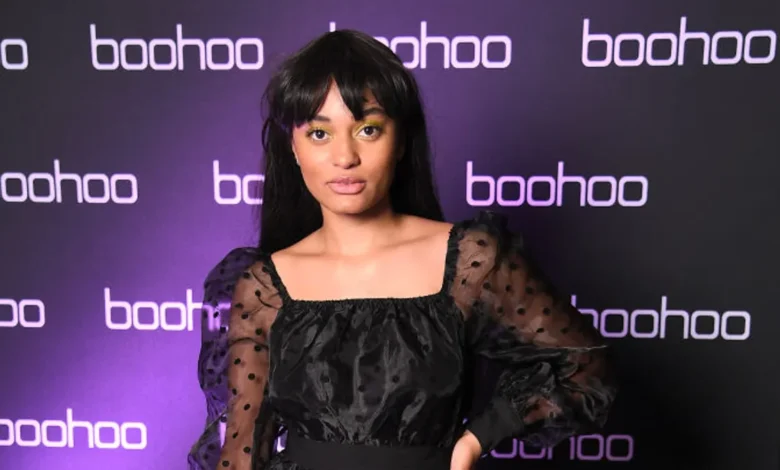
In a bid to bridge the gap between digital native retail and brick-and-mortar shopping, Nasty Gal expanded its physical footprint by opening its first standalone retail store in 2014. However, the subsequent years brought significant corporate and financial headwinds, leading to a bankruptcy filing in 2016 and a subsequent acquisition by British fast-fashion giant Boohoo Group in 2017. Under Boohoo’s umbrella, Nasty Gal operated primarily as a digital entity, scaling back its brick-and-mortar ambitions while expanding its wholesale distribution through major retail heavyweights such as Nordstrom, Macy’s, Amazon, and Boohoo’s global platforms.
The WSG Brands Takeover and Strategic Vision
The transition to WSG Brands introduces a deliberate shift in strategy. Rather than relying solely on direct-to-consumer online sales, the new ownership group intends to transform Nasty Gal into a comprehensive global lifestyle brand through an extensive network of licensing agreements and strategic distribution partnerships.
WSG Founder and Chief Executive Officer Jack Cheika emphasized the enduring cultural equity of the brand in a formal statement released following the acquisition. Cheika noted that Nasty Gal retains an incredibly strong identity and a level of cultural recognition that very few consumer brands achieve across multiple generations.
"We see a tremendous opportunity to build upon that foundation, introduce the brand to a new generation of consumers, and expand Nasty Gal into a global lifestyle brand while staying true to the attitude and individuality that have always defined it," Cheika stated.
According to company disclosures, the expansion roadmap includes a substantial broadening of the brand’s merchandise categories. While Nasty Gal has historically been recognized predominantly for party dresses, trendy tops, and outerwear, the new product pipeline will heavily integrate denim, footwear, handbags, jewelry, activewear, swimwear, sleepwear, beauty products, travel gear, and other lifestyle categories. Rather than handling end-to-end manufacturing and logistics for every category internally, WSG Brands intends to execute this broad diversification primarily through strategic licensing deals with specialized global partners.

Market Implications and Industry Context
The acquisition arrives at a fascinating juncture for the global retail and apparel industry. In recent years, private equity firms and brand management conglomerates have increasingly targeted digitally native vertical brands (DNVBs) that achieved massive cultural cachet in the 2010s but subsequently struggled with profitability or operational scale under traditional venture-backed models.
By utilizing a licensing-heavy business model, WSG Brands aims to mitigate the overhead costs traditionally associated with physical inventory and global supply chain management. Licensing allows brand management firms to monetize intellectual property across diverse categories—ranging from cosmetics to travel accessories—by partnering with established manufacturers and regional distributors who possess deep expertise in specific product verticals.
Furthermore, Nasty Gal’s existing wholesale relationships provide a ready-made distribution network. By maintaining its presence on platforms like Amazon, Nordstrom, and Macy’s while simultaneously pursuing international licensing deals, WSG Brands can rapidly test new markets with minimal capital expenditure.
Analyzing the Potential Challenges Ahead
While the vision for a global lifestyle brand is ambitious, industry analysts point out several potential hurdles that WSG Brands must navigate to ensure long-term success.

First, the modern apparel landscape is intensely crowded. Fast-fashion competitors, ultra-fast online giants, and social-commerce platforms capture the attention of Gen Z consumers through real-time trend replication and aggressive digital marketing. Nasty Gal will need to carve out a distinct value proposition that differentiates its product quality, price point, and brand ethos from competitors like Shein, Cider, and traditional fast-fashion retailers.
Second, maintaining brand authenticity while executing a sprawling licensing strategy presents a delicate balancing act. When a brand’s footprint extends across dozens of disparate categories—from swimwear to luggage—maintaining a cohesive aesthetic and consistent quality control requires rigorous oversight of licensing partners. If product standards slip, the cultural equity and rebellious attitude that Cheika cited as the brand’s core strengths could be diluted.
Nevertheless, the acquisition of Nasty Gal by WSG Brands signals a renewed confidence in the longevity of early internet-era retail pioneers. As the brand prepares to roll out its expansive assortment of denim, footwear, beauty, and lifestyle goods on an international scale, industry observers will be watching closely to see whether WSG Brands can successfully reposition the once-disruptive e-commerce startup into a modern, diversified global powerhouse.