What to Watch Tonight: Lioness Season 3 Finale Headlines a Packed Sunday Night of Streaming Across Paramount+, HBO, and More


The landscape of home entertainment continues to shift rapidly as major streaming platforms constantly update their libraries, introducing new original programming, highly anticipated seasonal conclusions, and fresh cinematic releases on a weekly basis. For audiences seeking guidance through the vast array of available content, navigating these ever-expanding digital catalogs can become an overwhelming task. Curating a cohesive evening viewing schedule requires balancing high-stakes drama, prestige television, and lighthearted comedy. This Sunday, September 20, the streaming ecosystem offers several standout options, headlined by the explosive season 3 finale of the spy thriller series Lioness on Paramount+, the latest episodic installment of DC’s acclaimed superhero drama Lanterns on HBO, and the premiere of a new romantic comedy series starring Sharon Horgan on HBO Max.
Main Facts and Current Lineup Overview
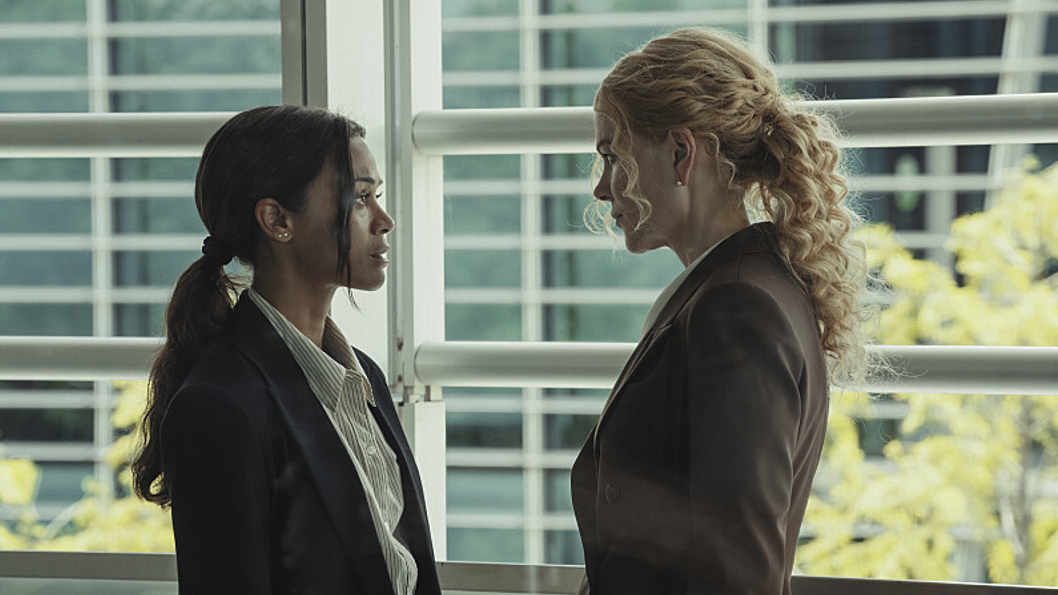
Sunday night television traditionally represents a prime window for prestige programming, and this week’s catalog maintains that standard across multiple major platforms. The primary focal point for many viewers is the conclusion of Paramount+’s military and espionage drama Lioness, which wraps up its third season with an episode dedicated to the late producer Rajeev Malhotra. Concurrently, HBO continues its strong run of Sunday night releases with episode six of Lanterns, a gritty and atmospheric DC Comics adaptation featuring a multi-generational pairing of heroes. Rounding out the major highlights is the debut of Youth, a romantic comedy series created by and starring Sharon Horgan, which launches its initial episodes on HBO Max. Together, these releases encapsulate the diverse offerings currently driving subscriber engagement across the streaming industry.
Chronology and Production Background of the Featured Titles
The journey of these specific series to their current release dates reflects the broader development cycles typical of modern premium television. Lioness, created by Taylor Sheridan, established itself as a cornerstone of Paramount+’s original programming strategy following its initial debut. The series focuses on the clandestine operations of a CIA program utilizing female operatives to infiltrate high-value terrorist networks. Over its three seasons, the show has undergone shifting audience receptions, moving from an initial critical peak to a more nuanced audience evaluation as complex geopolitical plotlines unfolded. The conclusion of season 3 marks a significant milestone for the production team, arriving amidst tributes to key behind-the-scenes personnel who shaped the show’s trajectory.
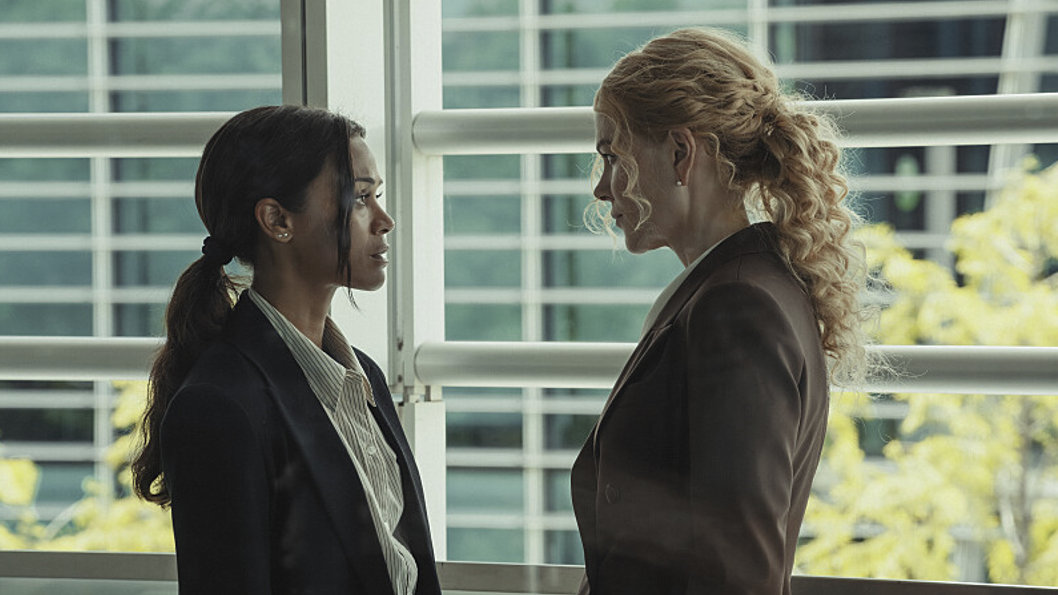
In the realm of comic book adaptations, HBO’s Lanterns represents a deliberate pivot in tone and structure for DC-branded television properties. Developed with creative leadership from Damon Lindelof—noted for his work on HBO’s critically acclaimed Watchmen adaptation—the series adopts an approach that blends traditional superhero mythology with an old-fashioned buddy action-comedy dynamic. The narrative centers on veteran Green Lantern Hal Jordan, portrayed by Kyle Chandler, mentoring rookie recruit John Stewart, played by Aaron Pierre, as they investigate a terrestrial murder mystery that ultimately unravels cosmic implications. The eight-episode arc has steadily built momentum since its premiere, positioning itself as one of the network’s most talked-about genre offerings.
Meanwhile, Youth expands HBO Max’s portfolio of character-driven contemporary comedies. Sharon Horgan, widely recognized for her work on acclaimed series such as Catastrophe and Bad Sisters, brings her signature brand of messy, authentic storytelling to the project. Horgan stars as Alex, a 50-year-old London-based literary agent navigating the complexities of romance, career pressures, and familial obligations, including caring for aging parents and raising an adult son portrayed by Aran Murphy. The series format, featuring weekly episode rollouts extending through early November, follows a traditional broadcast release strategy designed to sustain viewer retention over an extended period.
Supporting Data and Audience Metrics

Evaluating the performance and reception of these titles reveals distinct trends in subscriber behavior and critical engagement. For Lioness, viewer metrics on aggregation platforms like Rotten Tomatoes have shown a notable trajectory over the course of its third season. While initial episodes commanded high approval ratings hovering around 91%, audience scores experienced a downward adjustment toward 78% as the narrative approached its climax. Such shifts are common in serialized espionage thrillers, where complex plot resolutions can sharply divide fan expectations.
Conversely, collaborative projects involving established creators like Damon Lindelof and Sharon Horgan consistently benefit from pre-existing audience loyalty and robust critical anticipation. Horgan’s track record in crafting nuanced explorations of middle-aged romance and domestic chaos provides Youth with a built-in demographic of viewers seeking grounded, comedic drama. Similarly, the casting of prominent cinematic talent such as Aaron Pierre and Kyle Chandler in Lanterns has generated substantial online discourse, translating into strong initial viewership figures for HBO’s weekend slate.
Industry Implications and the Future of Weekend Streaming
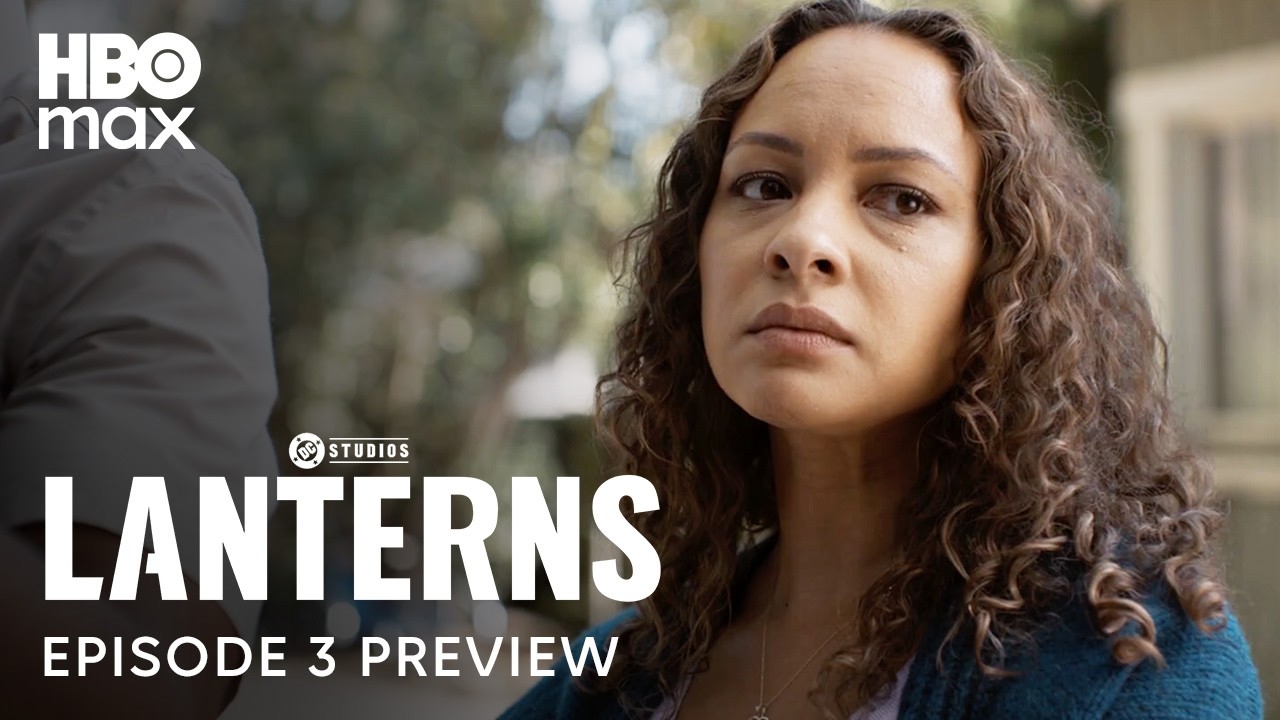
The concentration of high-profile finales and major premieres on a single Sunday evening highlights a broader strategic shift within the streaming industry. As platforms increasingly move away from the all-at-once binge model popularized in the late 2010s, services are returning to weekly release schedules for key anchor titles. This methodology not only extends subscriber retention—preventing users from subscribing for a single month to consume content and immediately canceling—but also fosters communal viewing experiences and sustained social media engagement.
Furthermore, the integration of distinct genres—ranging from high-octane geopolitical warfare in Lioness to cosmic detective work in Lanterns and intimate domestic dramedy in Youth—demonstrates a calculated effort by networks to capture diverse demographic segments simultaneously. By catering to varied viewer preferences on high-traffic weekend nights, streaming services aim to maximize overall platform utility and solidify their positions in an increasingly competitive market. As production standards continue to rival traditional cinematic releases, the boundaries between feature films and serialized television remain porous, setting a high benchmark for future programming cycles across Netflix, Paramount+, HBO, and beyond.