United Airlines Revolutionizes Enterprise Data Analytics Through Near-Real-Time Apache Iceberg Migration and Cloud Architecture Transformation

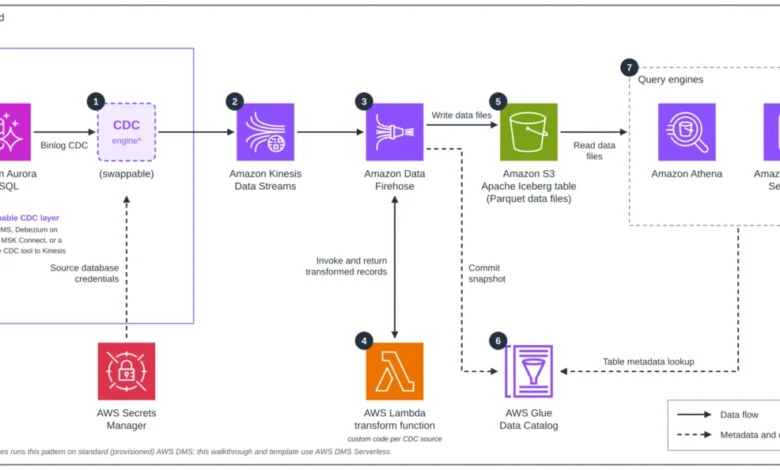
The modern aviation landscape relies heavily on rapid decision-making, where split-second adjustments in pricing, inventory, and scheduling can yield millions of dollars in operational efficiency or, conversely, steep losses. Addressing this imperative, United Airlines—the world’s largest airline based on revenue passenger miles—has successfully modernized its core data infrastructure. Co-authored by Principal Architect Tunde Fowora and technical teams at the carrier, a newly deployed architecture leverages Apache Iceberg alongside Amazon Web Services (AWS) to process massive datasets in near-real-time. This structural overhaul overcomes historical bottlenecks that previously restricted business analysts to stale, batch-processed operational data.
For years, major airlines faced severe architectural limitations when trying to bridge transactional relational databases with modern cloud-native analytics platforms. Traditional enterprise data warehouses and relational SQL databases often buckle under the weight of extensive table scans exceeding ten million rows. At United Airlines, the challenge centered on moving frequently changing reference data from an operational Amazon Aurora MySQL-Compatible Edition database to a cloud-native analytical environment built on Apache Iceberg stored in Amazon Simple Storage Service (Amazon S3). Until this multi-year modernization project reached its final phases, changes originating in the source database still had to reach internal analysts and downstream systems within minutes to prevent business delays.
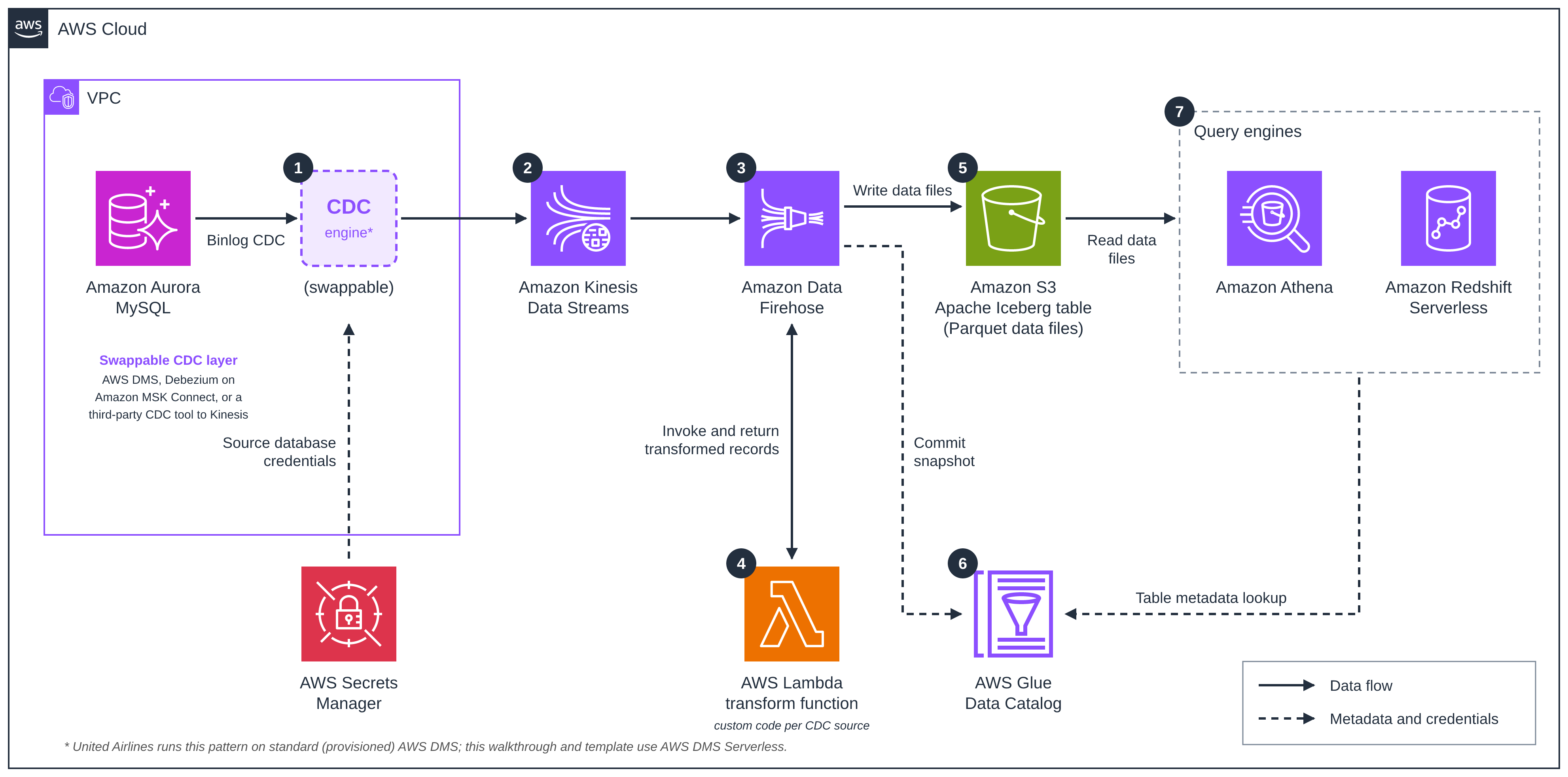
The historical reliance on legacy batch processing routines meant that analysts frequently examined shifting market patterns using outdated inputs. Recognizing that these latency gaps directly impeded revenue optimization and itinerary management, United engineering teams designed an innovative Change Data Capture (CDC) pipeline. This distributed architecture integrates Amazon Kinesis Data Streams, AWS Lambda, Amazon Data Firehose, and open-source Apache Iceberg tables. By decoupling transactional processing from analytical querying, United eliminated the strict scalability ceilings historically imposed by conventional SQL backends.
Anatomy of the High-Performance Streaming and CDC Pipeline
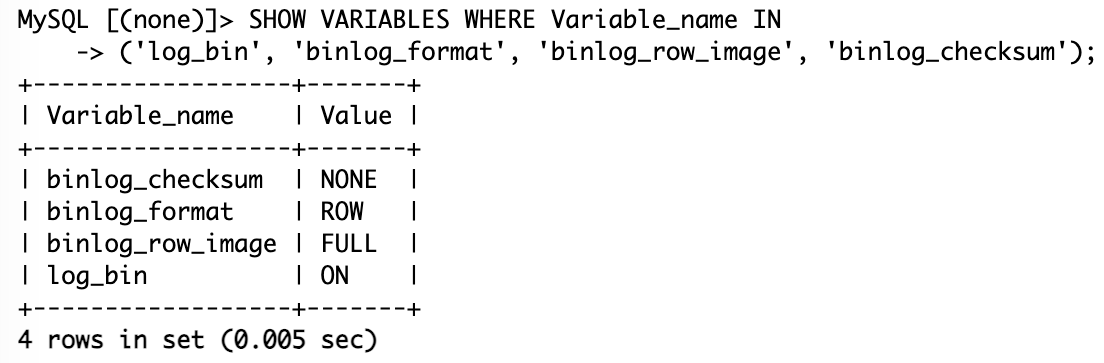
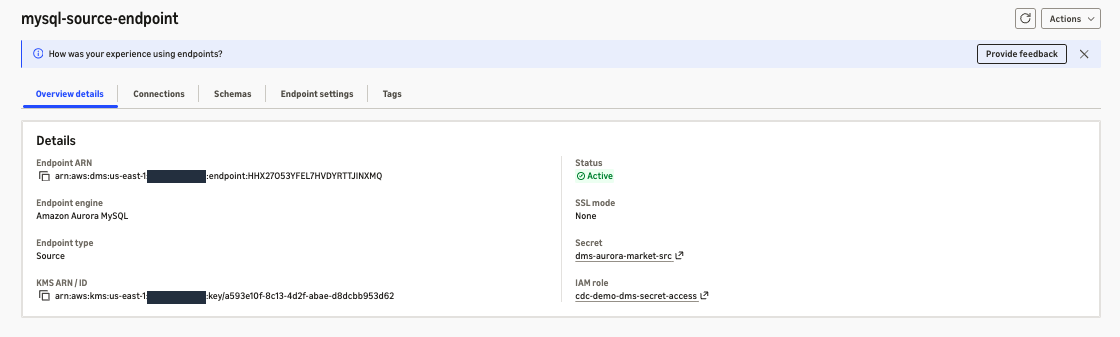
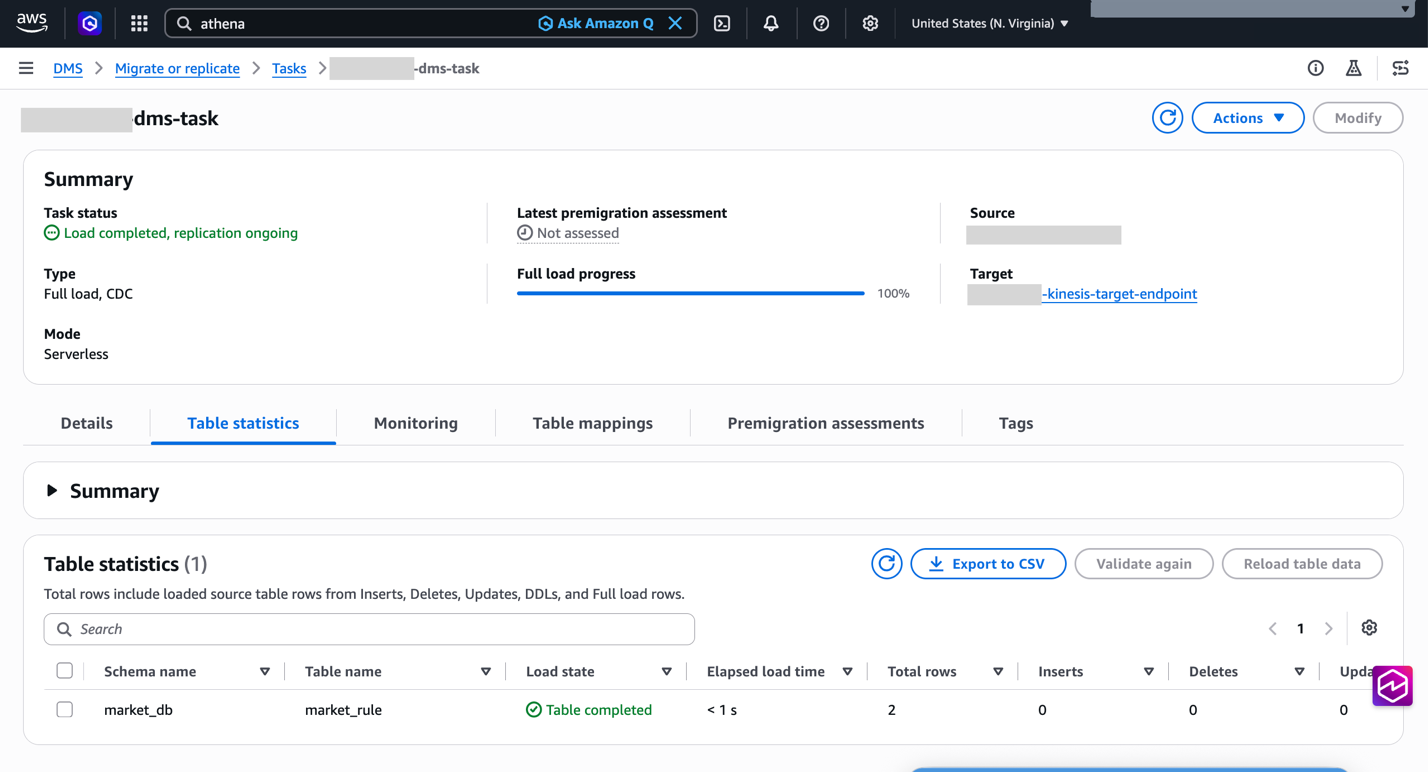
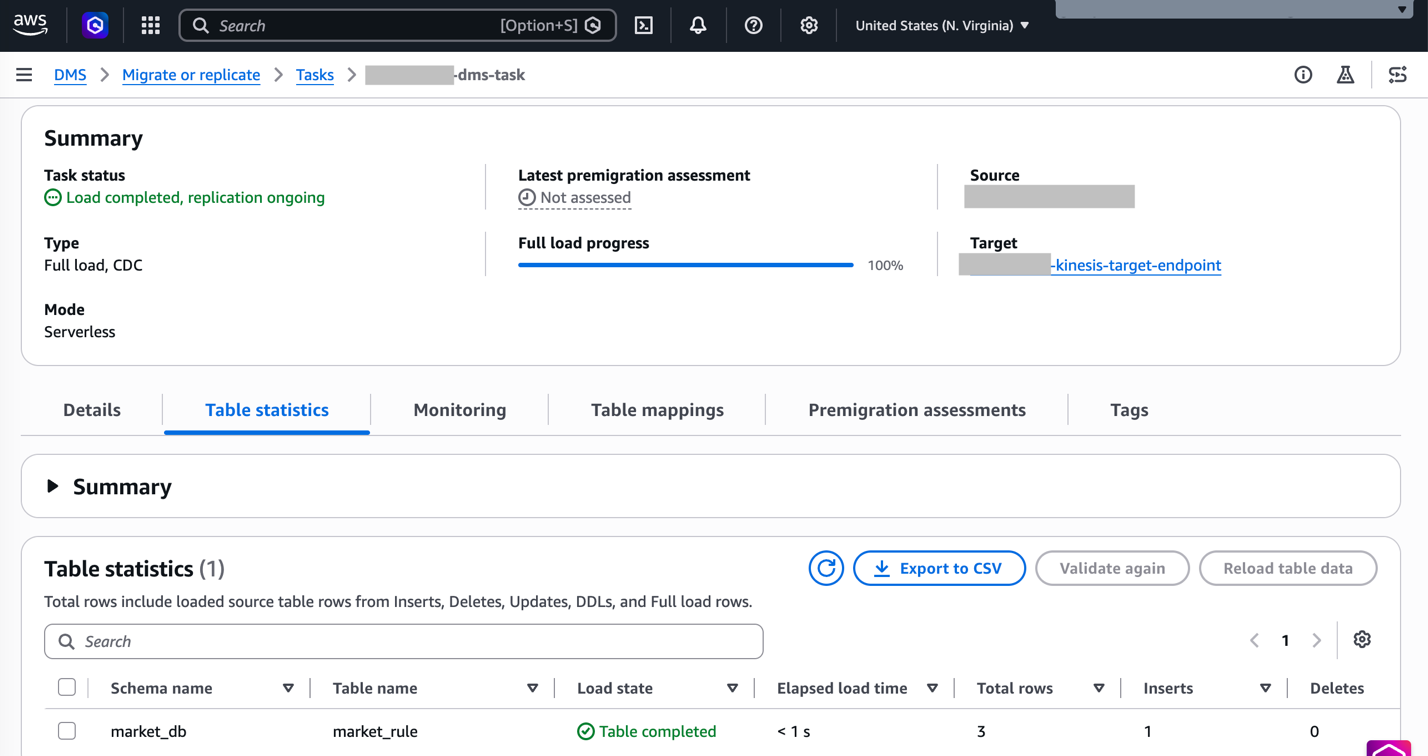
At the heart of United Airlines’ modernized data platform is an event-driven, serverless architecture designed for high-throughput ingestion and minimal latency. The operational foundation begins at the source: an Amazon Aurora MySQL database configured with row-level binary logging (binlog). Database changes—including insertions, updates, and deletions—are captured continuously by an enterprise Change Data Capture engine. In production environments, United utilizes standard provisioned AWS Database Migration Service (DMS), while streamlined walkthrough frameworks frequently demonstrate the capability utilizing AWS Serverless DMS configurations to minimize administrative overhead.
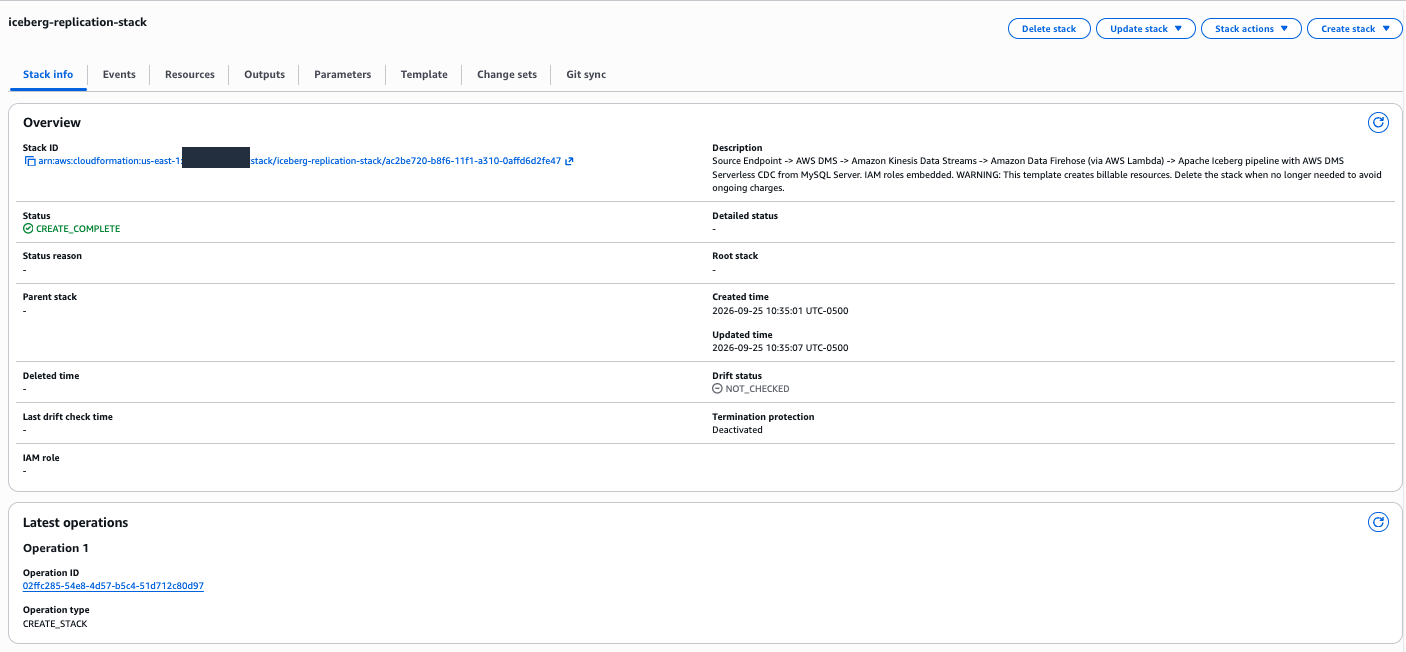
Once captured, the database change events flow seamlessly into Amazon Kinesis Data Streams. Kinesis acts as an elastic, durable buffer that isolates the transactional database from downstream analytics consumption, effectively absorbing traffic spikes without impacting customer-facing airline operations. Amazon Data Firehose subsequently consumes records from the Kinesis stream, performing automated batching and structural transformations. During this phase, an AWS Lambda function parses raw CDC event payloads, extracting crucial operational metadata—such as schema names, table identifiers, and transactional operation types—and routing records into appropriate destination structures.
Rather than relying on proprietary storage formats, the pipeline writes transactional data directly as columnar Parquet files into Apache Iceberg tables hosted on Amazon S3. Apache Iceberg, an open table format optimized for massive analytical datasets, brings ACID (Atomicity, Consistency, Isolation, and Durability) transaction guarantees to object storage. Firehose utilizes an optimistic concurrency control model and a merge-on-read (MOR) strategy, ensuring that updates and deletes are cleanly maintained via delete files and newly committed data snapshots without locking tables or degrading read performance.
Performance Metrics, Query Acceleration, and Cross-Platform Accessibility
The operational and financial dividends of transitioning to an Apache Iceberg architecture have proven substantial for the Chicago-headquartered carrier. Historically, complex queries scanning millions of rows suffered from high latency and resource contention, preventing hundreds of business analysts from querying broad enterprise data domains simultaneously. Following the integration of Apache Iceberg, United’s internal testing revealed an extraordinary fivefold improvement in average query latency.

Because these optimized queries feed downstream extract, transform, and load (ETL) pipelines powered by AWS Glue, total job processing times dropped by a factor of two, directly reducing operational compute expenditures and billed AWS Glue runtime hours. Furthermore, the decoupling of storage and compute inherent in the Apache Iceberg format unlocked multi-engine query accessibility.
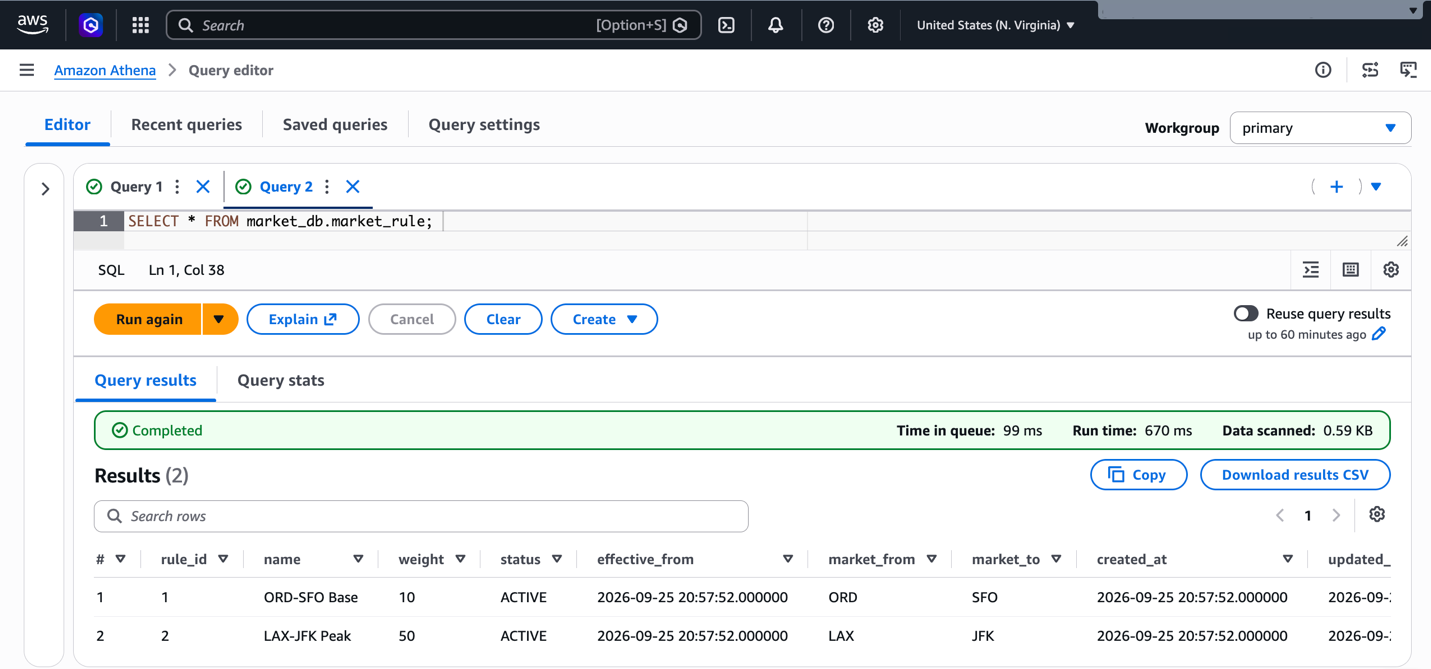
Once transactional changes land in the S3-hosted Iceberg tables—cataloged centrally through the AWS Glue Data Catalog—any Iceberg-compatible analytical engine can query the information instantly.
Enterprise users across United Airlines can now seamlessly leverage Amazon Redshift Serverless for large-scale enterprise warehousing or utilize Amazon Athena for ad-hoc SQL analysis and data validation on a pay-per-query basis. This democratization of data empowers hundreds of revenue management professionals and data scientists to build predictive models, adjust route pricing strategies, and evaluate passenger demand patterns using fresh, accurate operational data rather than stale overnight batches.
Operational Maintenance, Schema Evolution, and Cost Considerations
Maintaining high-performance analytics environments at petabyte scale requires rigorous operational governance. As Firehose continually commits streaming writes and applies merge-on-read updates, high-traffic tables inevitably accumulate numerous small Parquet data files and transactional delete files. To prevent analytical degradation, organizations adopting this architectural pattern must institute structured maintenance routines. Database administrators can deploy automated compaction protocols within the AWS Glue Data Catalog or execute scheduled Athena OPTIMIZE commands to merge smaller files into optimal block sizes. Additionally, utilizing the VACUUM command helps reclaim cloud storage by expiring outdated snapshots and purging orphaned data files.
Schema evolution represents another critical consideration for enterprise data pipelines. While source databases frequently undergo structural alterations through data definition language (DDL) statements, streaming ingestion pipelines must handle schema drift gracefully. Within United’s broader architecture, upstream governance frameworks manage complex schema modifications. In standard Firehose-to-Iceberg implementations, minor additive changes—such as the introduction of a new source field absent in the target table—are typically skipped if existing data types and column configurations match, whereas mismatched structures trigger routing to dedicated error storage buckets for manual remediation.
Economically, serverless cloud architectures align financial expenditure directly with consumption patterns. Operating costs for this pipeline are distributed across the utilized managed services. Amazon Aurora MySQL cluster billing depends on instance sizing and storage input/output operations. Kinesis Data Streams incurs charges based on provisioned shard hours or data put payloads in on-demand mode. AWS DMS capacity units (DCUs), Lambda invocation counts and execution durations, Firehose data processing volumes, and S3 storage tiers all contribute to the total cost of ownership. However, these expenses are frequently offset by the elimination of idle enterprise data warehouse capacity and the dramatic reduction in query processing times.
Broader Industry Implications and Future Outlook
The successful deployment of an Apache Iceberg CDC architecture at United Airlines underscores a broader paradigm shift across data-intensive industries. Sectors characterized by high-velocity transactional environments—including financial services institutions managing real-time fraud detection, retail enterprises tracking complex global inventory levels, and hospitality operators optimizing dynamic pricing models—face identical pressures to minimize data latency. By merging traditional relational databases with modern open table formats on cloud storage, enterprises can achieve true hybrid analytics without sacrificing transactional integrity.
Looking ahead, technical experts anticipate that organizations implementing similar pipelines will increasingly integrate advanced metadata governance features, such as business context indexing within the AWS Glue Data Catalog, to enhance data discovery capabilities for automated machine learning agents and artificial intelligence workflows. For United Airlines, this foundational transformation not only resolved long-standing data latency hurdles for its revenue management platforms but also established a scalable, cost-effective blueprint for enterprise-wide data modernization in the digital age.