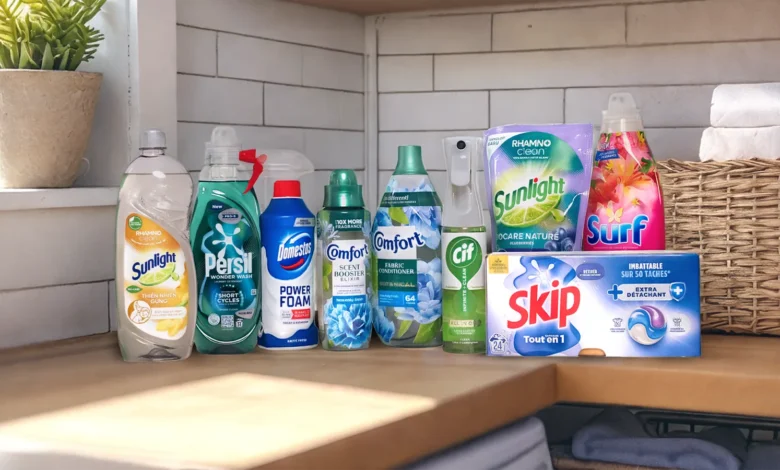
Unilever has officially shifted its pricing strategy in the third quarter of 2026, implementing a 3.6% price increase across its global divisions. This move marks a strategic pivot for the consumer-packaged goods (CPG) giant, which had spent the first half of the year maintaining relatively flat pricing despite a volatile macroeconomic environment. The decision follows a period of intense scrutiny regarding supply chain security and the rising costs of essential raw materials, including vegetable oils, palm oil, and energy-related logistics expenses.
The Strategic Pivot: From Caution to Action
For much of 2026, Unilever adopted a "wait-and-see" approach. During the first two quarters, leadership remained hesitant to pass costs directly to consumers, fearing that aggressive pricing could dampen demand in an already fragile economic climate. CEO Fernando Fernandez noted during the Q3 earnings call that the company’s previous caution was a deliberate choice to ensure they had a clear view of the "supply security and commodity cost environment."
By the start of the third quarter, however, internal logistics and procurement teams reported improved visibility into the supply chains of key inputs. With this newfound clarity, the company concluded that a price hike was necessary to protect margins. "Now that we have more clarity about it, we are accelerating pricing," Fernandez stated. This 3.6% increase serves as a financial buffer, insulating the company’s bottom line from the inflationary pressures that have defined the global market throughout the year.
Macroeconomic Drivers of Price Volatility
The decision to raise prices did not occur in a vacuum. CPG manufacturers worldwide have been grappling with a "perfect storm" of economic headwinds. Geopolitical instability—specifically the ongoing conflict involving Iran—has exerted significant upward pressure on crude oil and energy prices. Because kerosene and fuel are primary drivers of global logistics and distribution costs, any fluctuation in these areas flows directly through to the cost of shipping finished goods to retailers.
Furthermore, agricultural commodities have seen significant price spikes. Unilever relies heavily on vegetable and palm oils for its home care and beauty product lines. When the global supply of these raw materials becomes constrained or more expensive to transport, the cost-of-goods-sold (COGS) metric rises rapidly. In the first half of 2026, these costs were largely absorbed by the company to maintain market share, but as inflation remained persistent, the sustainability of that absorption diminished.
Chronology of 2026 Price Adjustments
- Q1 2026: Unilever maintains flat pricing. Management expresses concerns over global instability and monitors the volatility in palm oil markets.
- Q2 2026: Cost inflation persists. The company focuses on internal productivity and operational efficiencies to offset rising input costs rather than passing them to consumers.
- July 2026: Procurement visibility improves. Data indicates that supply chain bottlenecks for crude oil and key agricultural inputs are beginning to normalize.
- Q3 2026: Unilever implements a 3.6% price increase across core business units to mitigate the long-term impact of Q1 and Q2 commodity cost surges.
- November 2026: Official reporting confirms that the pricing strategy is successfully balancing margins while preparing for a cooling of inflation in 2027.
Industry Context: The CPG Response to Inflation
Unilever is not acting in isolation. Across the CPG sector, companies are utilizing a mix of "price-plus-productivity" strategies to navigate the current climate. Colgate-Palmolive, for instance, recently reported similar pressures. CFO Stanley Sutula highlighted that his organization is balancing price increases with internal productivity improvements—essentially automating and streamlining manufacturing processes to lower the cost of production per unit.
This trend underscores a broader shift in the retail landscape. For decades, CPG firms relied on stable supply chains and low inflation. The post-2024 economic environment has forced these companies to become more agile. By investing in better procurement technology and demand-planning software, firms are now able to react to supply chain shocks with greater speed and precision, moving from defensive absorption of costs to proactive, strategic pricing.

Implications for the Consumer and Retailers
The 3.6% price hike represents a delicate balancing act for Unilever. While the company needs to protect its margins, it must also avoid "demand destruction"—a scenario where price increases lead to consumers switching to cheaper private-label alternatives. By keeping prices flat for the first half of the year, Unilever likely retained a degree of consumer loyalty that it is now "spending" by raising prices.
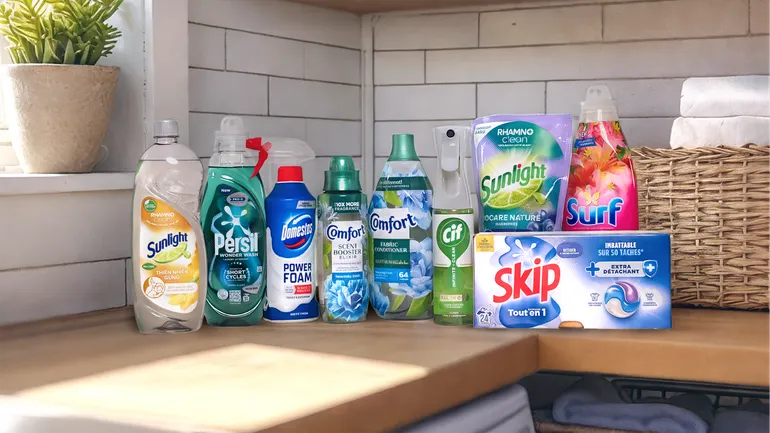
Retailers are expected to feel the ripple effects of this change. As Unilever adjusts its wholesale pricing, supermarkets and pharmacy chains must decide whether to absorb the costs or pass them on to shoppers. Given the broad nature of Unilever’s portfolio—which ranges from soap and detergents to food items—the impact will likely be felt in the daily household budget, potentially contributing to the "persistent inflation" narrative that has characterized the 2026 economy.
Looking Ahead: The 2027 Outlook
Despite the recent hike, Unilever leadership is projecting a trajectory of stabilization. While they acknowledge that short-term pressures—particularly in the crude oil sector—will continue to influence pricing through the end of the year, the outlook for 2027 is more optimistic.
"We believe that there will be some short-term pressures which will continue in crude into the near term, but into half two of next year, we should see some bit of stability coming through," Fernandez remarked. This forecast suggests that the current wave of price increases may be a temporary necessity rather than a permanent trend.

The company’s long-term success will likely depend on its ability to leverage its improved supply chain visibility. If the promised stability in commodity markets materializes in the second half of 2027, Unilever may find itself in a favorable position to regain its competitive edge by potentially moderating prices or increasing promotional activity, thereby capturing market share from competitors who may have been less efficient in their pricing adjustments.
Analytical Summary: Supply Chain as a Competitive Advantage
The events of 2026 highlight the evolving role of supply chain management in the CPG industry. No longer just a back-office logistics function, procurement has become a core driver of corporate strategy. Unilever’s ability to pivot from a neutral pricing stance to a proactive hike demonstrates the value of data-driven decision-making.
The integration of advanced analytics to track commodity costs, combined with a more responsive manufacturing framework, has allowed Unilever to navigate the volatility of the Iran war era with more agility than its peers. As the industry looks toward 2027, the focus will likely remain on maintaining this "supply chain visibility" to ensure that the company is never caught off guard by commodity spikes, regardless of how geopolitical or environmental factors evolve.
In conclusion, the 3.6% price increase serves as a pragmatic response to the inflationary realities of the current year. By timing the hike to coincide with improved supply chain intelligence, Unilever has demonstrated a disciplined approach to fiscal management, prioritizing long-term stability over short-term revenue gains. Whether this strategy will be sufficient to navigate the complexities of 2027 remains a key point of interest for investors and industry analysts alike.