TJX Companies leverages strategic hold and flow inventory model to weather market volatility and optimize distribution efficiency

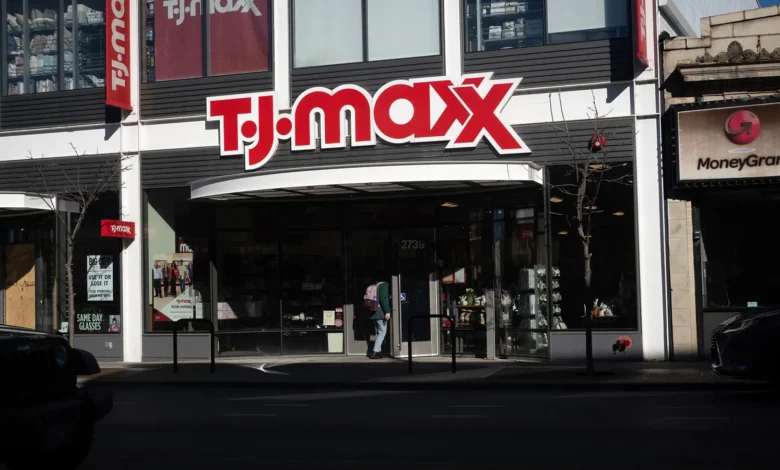
The retail landscape is increasingly defined by the agility of supply chain operations, particularly for off-price giants that must navigate unpredictable consumer demand and fluctuating environmental conditions. During its second-quarter earnings call, The TJX Companies—the parent organization behind T.J. Maxx, Marshalls, and HomeGoods—underscored the critical importance of its "hold and flow" inventory strategy. This logistical framework allows the retailer to maintain a competitive edge by decoupling the arrival of goods from the immediate replenishment of store shelves, effectively creating a buffer against supply chain disruptions and weather-related sales volatility.
The Mechanics of the Hold and Flow Model
At the heart of the TJX supply chain strategy is the "hold and flow" (or staged) model. Unlike traditional retail models that prioritize the rapid movement of goods from manufacturing facilities directly to store shelves, the hold and flow approach utilizes distribution centers (DCs) as strategic staging grounds.
Dheera Anand, a partner at Bain & Co., notes that this model represents a calculated departure from the rigid "flow-through" or "cross-dock" systems employed by many big-box retailers. In a flow-through system, merchandise typically traverses a distribution center in less than 48 hours, moving from supplier intake to outbound shipping with minimal storage time. While efficient for high-turnover, staple commodities, the flow-through model leaves retailers vulnerable to sudden market shifts.
Conversely, the hold and flow model allows TJX to retain a significant portion of its inventory within its network of distribution centers. By keeping products on racks rather than pushing them immediately to the retail floor, the company gains the ability to make data-driven decisions based on real-time sell-through data, regional climate shifts, and emerging consumer trends. This operational buffer acts as a shock absorber; if an unseasonable weather event—such as an El Niño pattern or an unexpectedly early frost—threatens to dampen demand for a specific product category in a specific region, TJX can adjust its distribution cadence accordingly.
Chronology and Context: Evolution of the Off-Price Supply Chain
The retail sector has undergone a radical transformation over the past decade, largely driven by the digitization of inventory management. Historically, retail supply chains were linear and relatively inflexible. However, the rise of e-commerce and the subsequent consumer demand for omnichannel experiences forced companies to rethink their backend operations.
For TJX, the necessity for a flexible supply chain is intrinsically linked to its "treasure hunt" shopping experience. Because the company sources merchandise from a vast array of vendors and manufacturers—often purchasing overruns, seasonal clearances, and private-label goods—it cannot rely on the predictable replenishment cycles of a standard department store.
During the fiscal year leading up to September 2026, the retail industry faced significant pressures, including inflationary labor costs and transportation bottlenecks. In the Q2 2026 earnings report, CEO Ernie Herrman highlighted that the company’s ability to "hold" inventory has been instrumental in navigating these hurdles. By strategically pacing the release of products, TJX ensures that its stores are consistently stocked with fresh inventory that matches current consumer appetites, thereby reducing the need for aggressive markdowns that erode profit margins.
Supporting Data and Inventory Optimization
The efficacy of the hold and flow model is evidenced by the company’s ability to maintain high inventory turnover rates while managing the complexity of diverse product categories. Retail analysts suggest that for off-price retailers, inventory accuracy is the primary driver of profitability.
Data from the past several quarters indicates that companies utilizing hybrid inventory models—mixing hold and flow with targeted cross-docking—tend to demonstrate greater resilience during economic downturns. For "low complexity" items, such as basic household goods or year-round apparel, TJX continues to utilize flow-through methods to maximize volume. However, for "high variability" items, such as fashion-forward apparel or seasonal home decor, the hold and flow method is the primary driver of success.

By analyzing sell-through data at a localized level, TJX can "trickle" inventory into stores that are performing well, while withholding stock from locations where demand is sluggish. This granular control minimizes the "dead stock" problem that frequently plagues the broader retail industry, where retailers are often forced to liquidate unsold seasonal goods at a fraction of the cost.
Implications for the Broader Retail Sector
The success of the TJX model has prompted a broader industry conversation regarding the future of distribution logistics. Many traditional retailers are currently grappling with the "bullwhip effect," where small fluctuations in retail demand cause increasingly larger swings in inventory orders at the wholesale and manufacturing levels. By contrast, the hold and flow strategy enables a more dampened, stable supply chain response.
Industry experts observe that as climate change continues to increase the frequency of extreme weather events, the ability to store inventory safely away from impacted regions will become a premium asset. Retailers that lack the warehouse capacity to pause the flow of goods are often forced to ship items to stores where they cannot be sold, resulting in high transportation costs and subsequent logistics nightmares when those goods must be moved again or returned to a central hub.
Furthermore, the rise of AI-driven demand forecasting is perfectly complemented by the hold and flow model. With better predictive analytics, retailers can identify which specific store clusters will require specific goods at specific times. The DC becomes not just a storage unit, but a sophisticated command center for inventory allocation.
Official Perspectives and Future Outlook
While TJX remains a leader in the implementation of these strategies, the company is not alone in its pursuit of supply chain flexibility. Competitors in the off-price sector are increasingly investing in sophisticated warehouse management systems (WMS) that mirror the capabilities of the hold and flow model.

However, the cost of entry for such a strategy is high. It requires significant capital investment in warehousing infrastructure and a robust logistics network capable of handling high-frequency, smaller-batch shipments. For smaller retailers, the transition to such a model may be cost-prohibitive, potentially widening the gap between large-scale retail conglomerates and mid-market players.
As we look toward the remainder of the 2026 fiscal year and beyond, the focus for TJX will likely remain on optimizing the balance between these two inventory streams. The company’s ability to remain "on-trend" while minimizing operational risk is a testament to the importance of the backend supply chain in defining the front-end consumer experience.
In conclusion, the "hold and flow" model adopted by TJX Companies serves as a blueprint for the modern retail era. By rejecting the "one-size-fits-all" approach to inventory management, the retailer has demonstrated that the secret to success in an unpredictable global market is not just the speed of delivery, but the intelligence with which that delivery is managed. Whether dealing with the seasonal fluctuations of the fashion industry or the unpredictable realities of climate change, the ability to wait, analyze, and act remains the defining characteristic of a resilient supply chain. As market dynamics continue to shift, the industry will undoubtedly continue to look to TJX as a benchmark for operational excellence in the face of uncertainty.