The Childrens Place Faces Potential Liquidation After Filing for Bankruptcy Amid Mounting Debt and Slashes to Free Shipping Thresholds

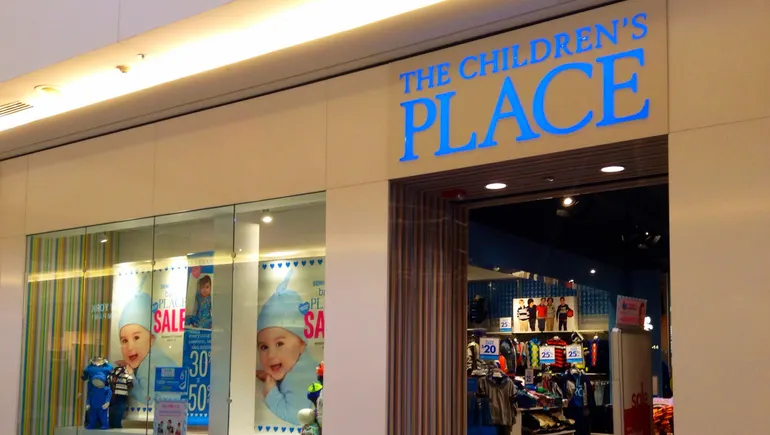
The retail landscape is bracing for yet another major casualty as The Children’s Place, a staple of family shopping malls for nearly six decades, navigates formal restructuring proceedings that could culminate in a full asset liquidation. Founded in 1969—the exact same year as industry peer The Gap—the children’s apparel specialist now finds its future hanging in the balance. Court documents reveal that the retailer is burdened by over $881 million in total debt against roughly $742 million in total assets, a financial imbalance that has forced the company to court prospective buyers while weighing the grim reality of winding down operations entirely.
The plight of The Children’s Place highlights a broader, turbulent shift in the American retail sector. Once a dominant force specializing in affordable, trendy clothing for growing families, the company’s operating model has been severely tested by macroeconomic pressures, changing consumer behaviors, and aggressive competition from big-box and off-price retail giants. As corporate leadership orchestrates what it terms an efficient and transparent sale process, industry analysts, vendors, and thousands of employees await a decision that will determine whether the iconic brands—including The Children’s Place and Gymboree—survive under new ownership or disappear from the retail map altogether.
A Detailed Chronology of Decline
The trajectory of The Children’s Place over the past decade serves as a textbook case study in the vulnerabilities of specialty apparel retail. Following its founding in 1969, the company steadily expanded across North America, building a robust physical footprint alongside a growing digital presence. Through a combination of corporate-owned stores, wholesale marketplaces such as Amazon, and extensive international franchises, the brand cemented its status as a go-to destination for children’s wear.
However, the seeds of the current crisis were planted during and immediately after the COVID-19 pandemic. In 2021, buoyed by government stimulus and a temporary surge in consumer spending, the retailer experienced an unexpected sales boom. Rather than fortifying its balance sheet against anticipated economic headwinds, the company opted to execute substantial share buybacks and accumulate additional debt.
This financial maneuvering proved catastrophic when market conditions shifted dramatically in 2022 and beyond. As inflation gripped the global economy, discretionary spending on apparel contracted sharply. Families grappling with the rising costs of housing, groceries, and fuel began pulling back on non-essential purchases, hitting value-priced clothing sectors particularly hard. Compounding these internal missteps were external pressures, including supply chain disruptions, rising tariffs, and a wave of aggressive competition from retailers that successfully upgraded the quality, design, and affordability of their own children’s clothing lines.
A brief lifeline appeared two years ago when Saudi investment firm Mithaq Capital acquired a majority ownership stake, injecting much-needed capital and sparking hopes of a turnaround. Despite this intervention, the retailer continued to burn through cash. By late 2024, analysts at Debtwire reported that the company was actively exploring bankruptcy options and courting potential buyers ahead of the critical holiday shopping season. By late 2025 and into early 2026, the situation reached a breaking point, culminating in the current court-supervised sale process.
Financial Metrics and Operational Scope
The scale of operations at The Children’s Place underscores the immense economic footprint at stake in the current restructuring proceedings. According to recent financial filings and court disclosures, the company maintains liabilities exceeding $881 million against assets valued at approximately $742 million.
Despite its severe financial distress, the retailer’s operational network remains vast. The company distributes its products through two distinct digital storefronts, roughly 500 brick-and-mortar retail locations across North America, and major wholesale channels including Amazon. Remarkably, even as financial pressures mounted, the retailer attempted to spark organic growth, opening 19 new stores during the second quarter of the fiscal year. Internationally, the brand reaches consumers in 13 foreign markets through a network of 10 franchises, diverse wholesale partnerships, and active social media marketing campaigns.
Yet, these expansive operations failed to offset declining profit margins. According to legal filings submitted by the company, a sustained drop in net sales and profitability was driven by a confluence of rising operational expenses, tariff burdens, and a notable contraction in consumer demand for its core product offerings.
Intensifying Competition and Misguided Strategic Choices
The downfall of The Children’s Place cannot be attributed solely to macroeconomic headwinds; strategic missteps by corporate leadership significantly accelerated the company’s financial deterioration. GlobalData Managing Director Neil Saunders pointed out that the retailer faced relentless pressure from competitors such as Target, Walmart, Amazon, and off-price department stores. These retail giants successfully elevated the aesthetic appeal and quality of their private-label children’s wear while maintaining aggressively low price points, steadily eroding the market share historically captured by specialized chains.
Furthermore, management made critical self-inflicted errors that alienated core consumers. Among the most damaging moves was the decision to raise the minimum spending threshold required for free shipping on online orders. In an era where e-commerce convenience and fee-free delivery are paramount to consumer loyalty, erecting barriers to online purchases drove budget-conscious shoppers directly into the arms of competitors like Amazon and Walmart.
Coupled with the aforementioned post-pandemic share buybacks and debt accumulation, these decisions left the company ill-equipped to weather a downturn. By the time leadership recognized the depth of the crisis, the balance sheet was too severely compromised to absorb further shocks without a comprehensive financial overhaul.
The Bidding Process and Potential Buyers
As The Children’s Place navigates Chapter 11 proceedings, the immediate focus shifts to the ongoing auction of its assets. Court documents indicate that the retailer has already received a total of nine preliminary bids, reflecting sustained interest in the underlying brand equity despite the parent company’s financial collapse.
The current proposals are sharply divided in scope. Six of the initial bids are structured as going-concern transactions or intellectual property acquisitions, which would allow the core brands—The Children’s Place and Gymboree—to continue operating under new corporate parents. Conversely, three proposals involve equity liquidation strategies targeting substantially all of the retailer’s remaining assets. Additionally, the company has evaluated three separate fee-based bids focused exclusively on liquidating current inventory and select physical assets.
Industry observers note that upcoming milestones will dictate the timeline of the sale. A critical "stalking horse" bid—designed to establish a baseline floor price that all competing offers must exceed—is slated to be finalized within a week.
Among the most prominent entities tracking the bankruptcy process is Catalyst Brands, the parent company of J.C. Penney. Market analysts and trade reports indicate that Catalyst has emerged as a leading contender, expressing explicit interest in acquiring the retailer’s intellectual property portfolio alongside approximately 200 of its most profitable physical store locations. Catalyst possesses a proven track record of absorbing distressed retail brands through bankruptcy proceedings, having previously integrated household names such as Brooks Brothers, Aeropostale, and Lucky Brand into its corporate portfolio.
Official Statements and Leadership Perspectives
The executive leadership team at The Children’s Place has emphasized transparency and operational continuity as the restructuring process unfolds. Rudy Morando, co-chief restructuring officer of the company, issued a formal statement addressing the gravity of the situation for all stakeholders involved.
"For nearly 60 years, The Children’s Place has supported growing families with apparel that customers have come to know and love," Morando stated. "We recognize the significance of this development for our employees, customers, vendors, and other partners, and we are committed to conducting an efficient and transparent sale process."
Highlighting the procedural milestones ahead, Morando added, "Today’s announcement marks an important step in our efforts to secure the best path forward for The Children’s Place."
While corporate executives and legal counsels manage the court proceedings, representatives for prospective bidders, including Catalyst Brands, have largely declined public comment while negotiations remain active.
Broader Market Implications and Future Outlook
The potential liquidation or acquisition of The Children’s Place carries significant implications for the broader retail and commercial real estate sectors. The closure of up to 500 storefronts would create massive vacancies in shopping malls across North America, many of which are still recovering from the retail fallout of recent years. Landlords and mall operators, already dealing with declining foot traffic and the loss of other traditional specialty tenants, will face the challenge of backfilling large blocks of retail square footage.
Furthermore, the potential disappearance of The Children’s Place and Gymboree as standalone entities marks the end of an era for specialized children’s apparel retailing. If a strategic buyer like Catalyst Brands or another major retail conglomerate successfully acquires the intellectual property, the brands are likely to survive as digital properties or shop-in-shop concepts within larger department stores, mirroring the modern evolution of legacy retail brands. However, if liquidation bids ultimately prevail, millions of dollars of inventory will be cleared out through distress sales, and thousands of retail employees will face displacement.
As the stalking horse bid deadline approaches and court hearings continue, the fate of The Children’s Place remains a high-stakes test of corporate survival in a hyper-competitive digital economy. For an institution that has dressed generations of children, the upcoming weeks will determine whether the legacy of 1969 can be preserved under a new corporate banner or if it will become another cautionary tale of retail obsolescence.
Related posts: