New Android malware Mantax Otax combines sophisticated ransomware and invasive spyware to target mobile users globally


The landscape of mobile cyber threats has shifted significantly with the emergence of Mantax Otax, a dual-purpose Android malware strain that integrates high-level encryption capabilities with invasive surveillance tools. Identified by researchers at Zimperium, the malware is currently being deployed by threat actors operating primarily out of Indonesia. Unlike traditional ransomware that focuses solely on financial extortion, Mantax Otax employs a multi-vector approach, turning infected devices into tools for data exfiltration, persistent harassment, and psychological intimidation.
The Anatomy of an Infection
The lifecycle of a Mantax Otax infection typically begins outside the perimeter of the Google Play Store. Operators rely on sophisticated social engineering and phishing campaigns to trick users into downloading malicious APK (Android Package) files. These files are often masquerading as legitimate utilities, financial applications, or system updates.
Once a victim installs the malicious payload, the application immediately requests access to the Android Accessibility service. This is a critical juncture in the infection process; by granting this permission, the user unwittingly provides the malware with near-total control over the device. This includes the ability to simulate user touches, read screen content, and interact with other applications on the victim’s behalf.

After gaining the necessary permissions, the malware initiates a handshake with its command-and-control (C2) infrastructure. The C2 domain is retrieved from a GitHub repository—a common tactic designed to make the malware’s communications blend in with legitimate developer traffic. Once connected, the malware transmits a comprehensive diagnostic report of the device to the operators, including the device ID, carrier information, geographic location, and specific Android OS version. The operators then leverage Firebase or WebSocket protocols to transmit real-time instructions to the compromised handset.
Technical Limitations and Targeted Encryption
A significant finding in the Zimperium analysis is that the ransomware component of Mantax Otax is highly conditional. Because of security enhancements introduced in Android 10, specifically the implementation of "Scoped Storage," the malware’s ability to encrypt data is severely hampered on modern devices. Scoped Storage restricts apps to accessing only their own directories, preventing the malware from indiscriminately encrypting user files across the entire external storage volume.
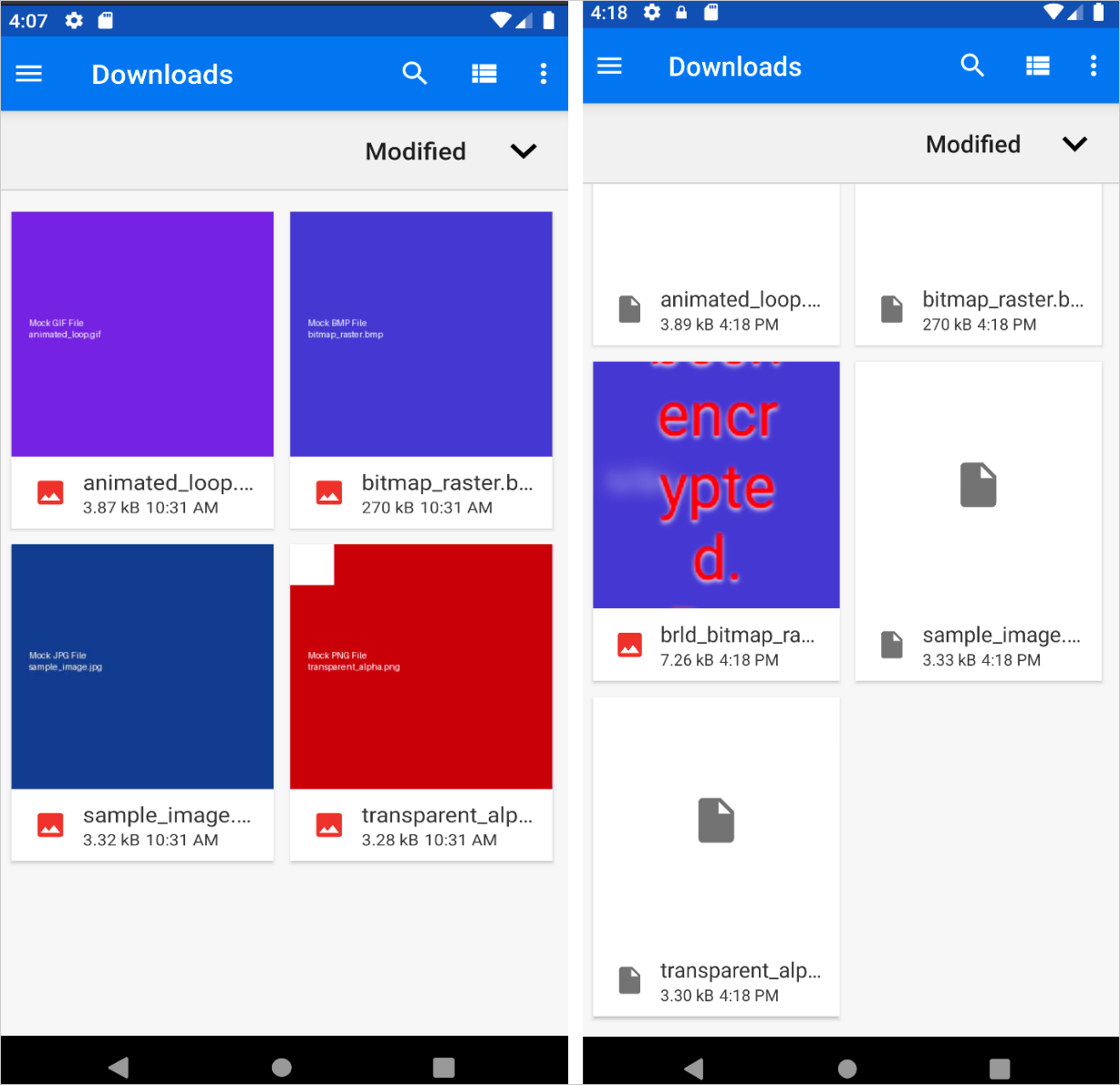
Consequently, the ransomware module is primarily effective against devices running Android 9 or older. On these legacy devices, the malware scans shared storage for specific file extensions, encrypts them using an AES key unique to the victim, and then deletes the original files. To signal the successful extortion attempt, the malware appends the ".enc" extension to the compromised files, replaces the user’s personal wallpaper with a ransom note, and opens a full-screen, Firebase-hosted chat interface to initiate payment negotiations.
Beyond Ransomware: The Spyware Suite
While the encryption module serves as the initial shock tactic, the true long-term threat posed by Mantax Otax is its extensive spyware functionality. The malware functions as a comprehensive surveillance tool, capable of exfiltrating highly sensitive personal information.
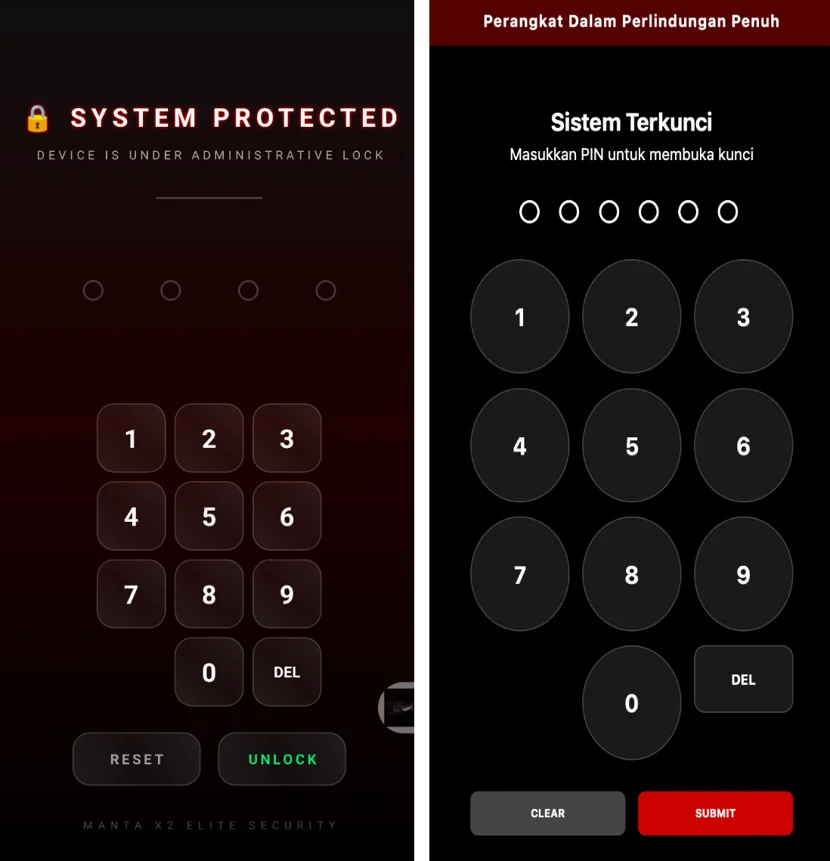
By leveraging the Accessibility service, the malware performs "overlay attacks," which can capture lock-screen PINs and passwords as the user enters them. It is also designed to monitor and exfiltrate SMS messages, including time-sensitive multi-factor authentication (MFA) codes, call logs, contact lists, and browsing history.
For users of messaging applications, the risk is particularly acute. Mantax Otax can extract profiles and chat history from platforms like WhatsApp and Telegram. By simulating user interactions through the Accessibility service, the malware effectively bypasses standard app security to scrape private conversations. Furthermore, the malware utilizes the MediaProjection API to capture high-definition screenshots and record MP4 video files of the user’s screen in near real-time, streaming this data to the Catbox file hosting service. When coupled with the ability to remotely activate the device’s front and rear cameras, the malware provides the attackers with a total view of the victim’s digital and physical environment.
Escalation Tactics: Harassment as a Weapon
In its second iteration, the operators behind Mantax Otax introduced a suite of "harassment functions" designed to coerce victims into payment through psychological exhaustion. These features include:
- Intrusive UI Overlays: The display of repeated, obstructive dialog boxes that prevent normal device usage.
- "Jumpscare" Overlays: Rapid, flashing image sequences designed to shock or distress the user.
- Remote Audio Manipulation: The use of the device’s speakers to play text-to-speech messages, allowing attackers to communicate threats directly to the user in a disruptive manner.
These features mark a shift from passive extortion to active, real-time psychological pressure, demonstrating a maturation in the tactics used by mobile threat actors to maximize the likelihood of a ransom payout.
The Role of Security Infrastructure
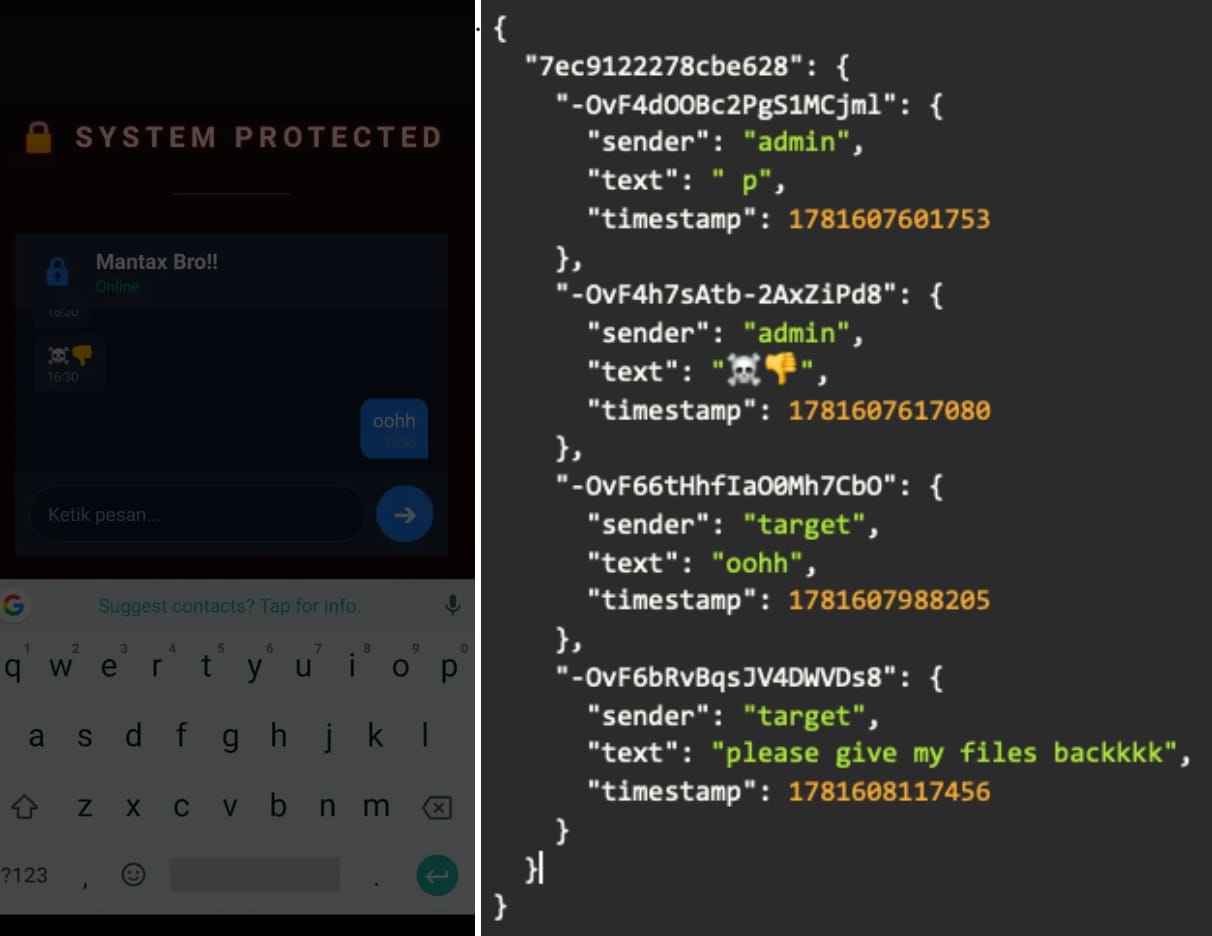
The discovery of Mantax Otax has shed light on the fragility of some cloud-based C2 implementations. During their investigation, Zimperium researchers identified a critical misconfiguration in the attackers’ Firebase C2 server. This vulnerability inadvertently exposed the ongoing chat logs between the attackers and their victims, providing researchers with an unprecedented look into the negotiation tactics and the scale of the operation.
Because Zimperium is a partner in the App Defense Alliance (ADA), the telemetry data gathered from this investigation has been integrated into Google Play Protect. Consequently, modern devices with active security protections are now capable of identifying and neutralizing Mantax Otax before it can execute its payload. However, this defense is largely ineffective for users on older Android versions that no longer receive regular security updates or those who continue to ignore warnings regarding side-loading applications from third-party sources.
Implications and Future Outlook
The emergence of Mantax Otax highlights a persistent trend in mobile security: as mobile operating systems become more hardened against traditional malware, attackers are pivoting toward social engineering and abusing legitimate system APIs. The reliance on the Accessibility service—a tool designed to help users with disabilities—as a primary attack vector remains one of the most difficult challenges for mobile security vendors to mitigate without compromising the utility of the feature.
Industry analysts suggest that the rise of such hybrid threats will likely force a change in how mobile operating systems handle high-privilege permissions. There is growing consensus that the Android ecosystem must move toward a model where accessibility permissions are more granular and subject to stricter, time-limited validation.
For the average consumer, the Mantax Otax incident serves as a stark reminder of the risks associated with side-loading APKs. Security experts continue to emphasize three golden rules for mobile safety:
- Stick to Official Stores: Only install applications from Google Play or verified enterprise stores.
- Audit Permissions: Regularly review the list of apps with "Accessibility" or "Device Administrator" permissions and revoke them for any app that does not explicitly require them for core functionality.
- Update Software: Use devices that are currently supported by the manufacturer with the latest security patches.
As cybercriminals continue to refine their toolkits, the "AI-speed" of modern attacks means that the window of opportunity for defense is closing. As highlighted in recent industry discussions, the future of security lies in moving beyond reactive detection toward proactive, machine-speed verification of app behaviors. The Mantax Otax strain is not merely a piece of malicious software; it is a signal that the mobile threat landscape is becoming more sophisticated, more aggressive, and increasingly focused on the psychological manipulation of the end user.