T-Mobile Unveils Aggressive Trade-In Promotions and Free Offers for the Newly Launched Apple iPhone 18 Pro and iPhone 18 Pro Max

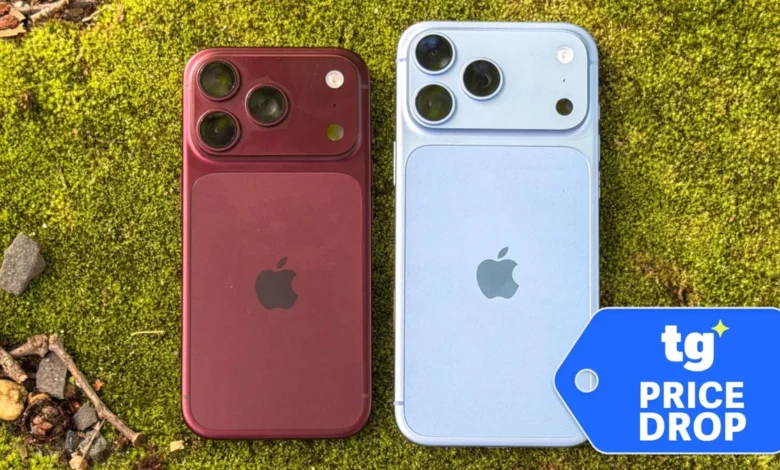
Apple’s latest generation of flagship smartphones has officially arrived on store shelves, and major telecommunications carriers are already locked in a fierce battle to attract consumers. Following the official commercial rollout of the iPhone 18 Pro and iPhone 18 Pro Max, major US carrier T-Mobile has introduced a series of high-profile promotional offers designed to offset a recent price increase implemented by Apple. With base retail prices creeping upward by $100 compared to previous generations, carrier subsidies and trade-in incentives have become a vital factor for consumers weighing whether to upgrade their mobile hardware.
The newly released iPhone lineup features the 6.3-inch iPhone 18 Pro, which starts at $1,199, and the larger 6.9-inch iPhone 18 Pro Max, commanding a starting price of $1,299. To ease the financial burden on buyers, T-Mobile has rolled out targeted acquisition and retention promotions. Under the current carrier structure, customers who port their existing mobile number over to T-Mobile and sign up for the high-tier "Experience Beyond" service plan can acquire the standard iPhone 18 Pro completely free of charge. Alternatively, existing subscribers can secure the device through qualifying smartphone trade-ins coupled with the same high-tier data plan. For users eyeing the expansive screen and extended battery capacity of the larger iPhone 18 Pro Max, T-Mobile is offering up to $1,200 in bill credits contingent upon an eligible device trade-in and enrollment in the Experience Beyond tariff plan.
Chronology of the iPhone 18 Launch and Market Entry
The commercial debut of the iPhone 18 Pro series represents the latest milestone in Apple’s rigid annual product release cycle. Historically, Apple announces its next-generation smartphones during the first half of September, opening pre-orders within a week and releasing the hardware to the public by the final week of the month. The rollout of the iPhone 18 generation followed this established schedule closely, triggering an immediate flurry of competitive marketing campaigns from network operators eager to lock long-term customers into multi-year financing agreements.
The smartphone market has faced significant economic headwinds over recent years, characterized by lengthening upgrade cycles as consumers hold onto their existing devices for longer periods. Factors such as persistent inflation, supply chain fluctuations, and rising component costs—particularly advanced 3-nanometer processors and high-efficiency OLED display panels—have forced manufacturers to adjust retail pricing upward. Apple’s decision to increase the entry price of its Pro tier by $100 reflects these ongoing macroeconomic pressures, transforming carrier subsidies from mere perks into essential market drivers that dictate shipment volumes.
Hardware Evolution: What Sets the iPhone 18 Pro Apart
Despite the price adjustment, the iPhone 18 Pro and Pro Max adhere closely to Apple’s proven industrial design philosophy while introducing incremental, internal enhancements. Both flagships utilize robust, aerospace-grade titanium enclosures paired with advanced water and dust resistance ratings. Apple has also integrated subsequent iterations of its Ceramic Shield front glass, which laboratory stress tests and real-world drops have consistently proven capable of withstanding severe environmental impacts and daily wear.
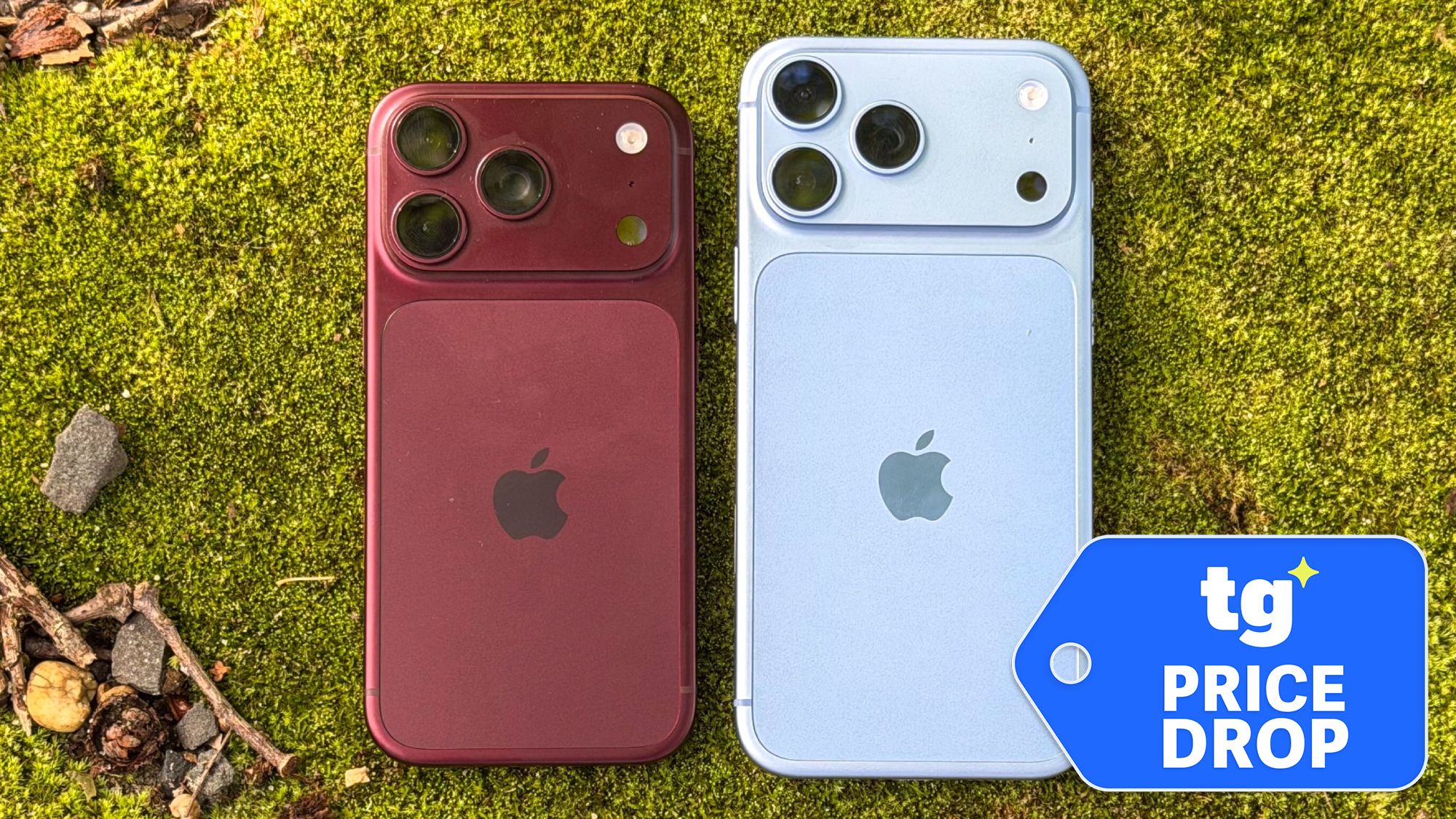
Screen real estate remains a primary differentiator between the two models. The standard iPhone 18 Pro utilizes a vibrant 6.3-inch OLED display panel, catering to users who prefer a more ergonomic, one-handed device footprint. Conversely, the iPhone 18 Pro Max expands the viewing area to a sprawling 6.9-inch OLED display, appealing directly to media consumption enthusiasts, mobile gamers, and power users who demand maximum visual workspace. Beneath the exterior, both devices are powered by Apple’s latest silicon architecture, delivering substantial computational gains and enhanced neural processing capabilities designed to support advanced on-device artificial intelligence tasks and heavy multitasking workflows.
Carrier Strategy and the Shift Toward Service-Tier Bundling
T-Mobile’s decision to tie its most lucrative promotional discounts—such as the full subsidy on the iPhone 18 Pro and the $1200 credit on the Pro Max—to its "Experience Beyond" plan highlights a broader strategic shift within the telecommunications industry. Rather than competing purely on device acquisition costs, major carriers are increasingly utilizing high-end hardware as a loss-leader or customer-acquisition funnel to drive adoption of premium, recurring-revenue service tiers.
The Experience Beyond plan represents the upper echelon of T-Mobile’s post-paid consumer offerings, bundling unlimited data, priority network routing, expanded international roaming allowances, and integrated digital subscriptions. By subsidizing the cost of a $1,200 flagship device over a 24-month or 36-month bill-credit installment period, the carrier secures long-term subscriber loyalty and guaranteed monthly service revenue. Industry analysts note that this financing model shields consumers from sticker shock while guaranteeing steady network utilization for the carrier, creating a symbiotic financial ecosystem.
Broader Economic Implications and Consumer Guidance
For consumers navigating the current upgrade cycle, the presence of aggressive carrier promotions necessitates a careful calculation of total cost of ownership. While acquiring a $1,299 iPhone 18 Pro Max for a fraction of its retail price through trade-in credits is financially attractive, buyers must evaluate the monthly financial commitment of maintaining a premium service plan over the duration of the installment contract. For subscribers already utilizing top-tier data plans, carrier promotions present a straightforward financial windfall. However, users currently on budget or prepaid plans must weigh whether the upgrade justifies the transition to a higher recurring monthly tariff.
As the smartphone market absorbs the impact of the iPhone 18 release, retail analysts anticipate that rival carriers—including Verizon and AT&T—will maintain or escalate their own counter-offers to prevent customer migration. Market watchers advise prospective buyers to thoroughly examine trade-in valuations, eligible legacy device lists, and bill-credit terms before committing to any specific carrier contract. With Apple continuing to command a dominant share of the global high-end smartphone market, the success of the iPhone 18 Pro generation will likely hinge not just on its technological refinements, but on the financial flexibility provided by carrier subsidy programs.