From YouTube to Streaming Titan: The Besties Bring Their Digital Phenomenon to Netflix

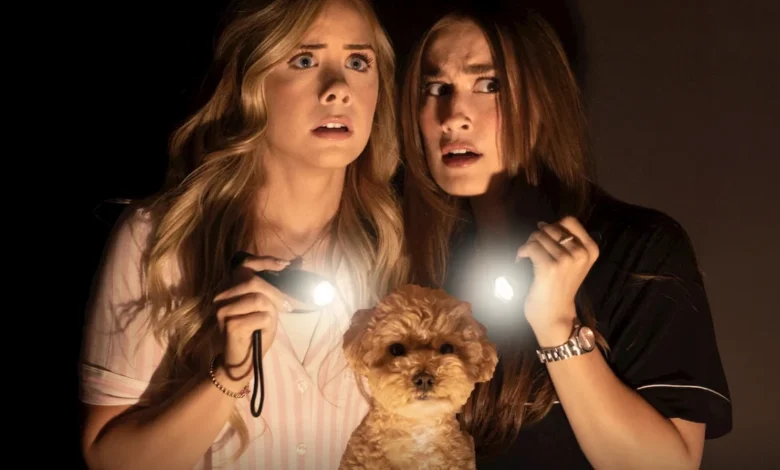
The ongoing convergence between traditional streaming platforms and independent digital creators has reached a new milestone as Netflix finalizes plans to host The Besties, the highly popular collaborative web series hosted by digital personalities Mackenzie Turner and Lael Hansen. Scheduled for release in October 2026, the acquisition highlights the streaming giant’s deliberate strategy to capture younger demographics by integrating native internet stars into its mainstream content catalog. The upcoming collection of episodes, which leans heavily into comedic horror and interactive slumber party themes, marks a major transition for creators who initially built their massive followings entirely through decentralized video-sharing platforms.
Main Facts of the Acquisition
Under the terms of the upcoming release, a curated selection of episodes from The Besties will debut on Netflix, positioned strategically to coincide with the Halloween season. The series features creators Mackenzie Turner and Lael Hansen hosting themed slumber parties characterized by spooky games, special guests, and late-night narrative elements designed to appeal to younger audiences.
The collaborative channel itself commands substantial digital metrics, housing over 3.26 million subscribers and generating a cumulative 1.5 billion views across its library. Beyond their joint project, both hosts maintain formidable independent digital footprints. Mackenzie Turner operates a personal channel dedicated to gaming content—specifically focusing on the platform Roblox—which has drawn an additional 2.6 million subscribers, alongside an audience of over 5 million followers on TikTok. Lael Hansen contributes a robust subscriber base exceeding 1.17 million on her primary channel, supported by extensive follower metrics across various other social media networks.
Background Context and Evolution of the YouTube-to-Streaming Pipeline
The migration of independent video creators to legacy television and subscription video-on-demand (SVOD) services represents a profound evolution in modern media consumption. Historically, early digital-first projects on major platforms often involved scripted adaptations or fictionalized extensions of online personas, such as Colleen Ballinger’s Haters Back Off! or the acquisition of preschool megahits like CoComelon.
However, the strategy has experienced a significant shift over the past several years. Rather than commissioning entirely new derivative series, streaming services increasingly license existing formats, unscripted content, or creator-led libraries directly. This model minimizes production risks while capitalizing on pre-existing intellectual property and fiercely loyal built-in audiences. Industry analysts note that platforms like Netflix view this direct pipeline as an essential countermeasure to declining linear television viewership among Generation Z and Generation Alpha, demographics that predominantly allocate their leisure time to digital ecosystems rather than traditional broadcast networks.
Chronology of Digital Expansion
The trajectory of The Besties and similar creator-led projects underscores a steady upward climb in mainstream recognition for independent internet talent.
- Foundation Phase: Mackenzie Turner and Lael Hansen establish individual prominence through distinct content verticals, ranging from lifestyle vlogging to interactive gaming commentary and challenge videos.
- Collaborative Launch: Recognizing a strong synergistic potential and overlapping fan bases, the two Canadian-born creators launch The Besties joint channel, rapidly scaling viewership numbers into the billions.
- Platform Integration Negotiations: Throughout late 2025 and early 2026, talent management agencies and streaming executives negotiate terms for non-exclusive and exclusive licensing deals, seeking to bridge the gap between ad-supported web video and subscription streaming.
- October 2026 Premiere Window: Netflix confirms the official addition of The Besties to its autumn content schedule, aligning the release of spooky-themed programming with seasonal viewing trends.
Supporting Data and Audience Demographics
To understand the economic rationale behind Netflix’s acquisition strategy, one must examine the viewing habits of contemporary media consumers. According to media research firms, audiences under the age of 25 spend a disproportionate amount of their daily media consumption on platforms like YouTube and TikTok. By absorbing established creators into a paid SVOD environment, Netflix attempts to capture viewing hours that would otherwise be entirely lost to free, ad-supported digital alternatives.
The combined reach of Turner and Hansen exceeds 7 million direct subscribers on YouTube alone, not accounting for multi-platform cross-over metrics on Instagram and TikTok. This scale rivals or exceeds the baseline viewership of many mid-tier cable television productions, making the acquisition of The Besties a calculated financial decision with minimal upfront content development costs compared to traditional scripted series.
Broader Industry Implications
The integration of YouTube-native talent into global streaming services carries significant implications for the future of entertainment production. As traditional gatekeepers continue to lose their monopoly on talent discovery, digital platforms are increasingly relying on organic, internet-born creators to drive user acquisition and retention.
Furthermore, this trend signals a blurring of lines between "creators" and "television talent." As production values for web-first shows rise to meet the expectations of high-definition streaming environments, the barrier between independent web video and institutional media production continues to dissolve. For creators, partnering with a global distributor like Netflix offers lucrative financial incentives, expanded international reach, and validation from legacy media institutions. For the streaming platforms, it provides a vital lifeline to younger demographics who demand authentic, personality-driven content.
As the October 2026 premiere approaches, industry observers will closely monitor the performance of The Besties on Netflix. The success or failure of this rollout could influence future licensing agreements, potentially opening the door for even more independent digital creators to make the permanent leap from the computer screen to the living room television.