New England Musical Artists Unite to Support Massachusetts Legislation Capping Ticket Resale Prices and Ending Predatory Scalping Practices

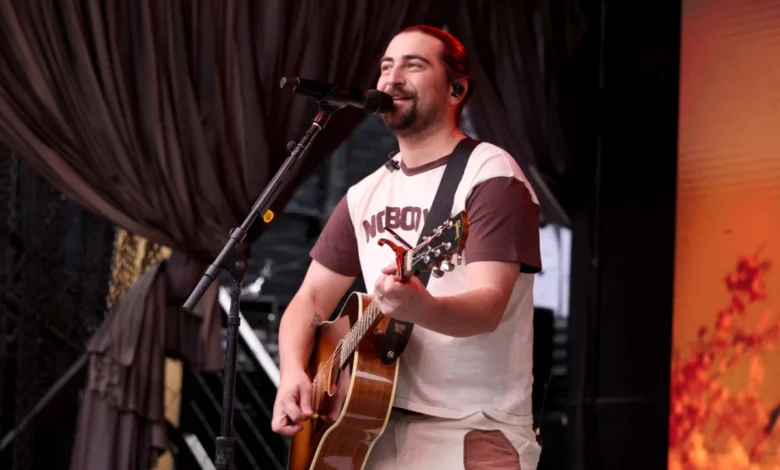
A prominent coalition of New England’s most celebrated recording artists, including Noah Kahan, Aimee Mann, The Pixies, and the Dropkick Murphys, has officially thrown its collective weight behind a transformative piece of legislation in Massachusetts aimed at overhauling the live event ticketing industry. In a joint letter released on Wednesday, sixteen artists and musical entities called upon state legislators to approve "The Great Divide" Act, a bill recently introduced by Governor Maura Healey that would fundamentally alter the secondary ticket market by placing a strict cap on resale prices. The move signals a growing frustration among performers who argue that the current unregulated state of the resale market exploits fans, erodes trust, and diverts revenue away from the creative professionals who make live music possible.
The core of the proposed legislation involves a price ceiling that would limit ticket resales to no more than 110 percent of the original face value. Under this framework, a ticket originally sold for $100 could only be legally resold for a maximum of $110, effectively eliminating the massive markups that often see tickets listed for five or ten times their initial price on secondary platforms. Beyond price caps, the bill seeks to outlaw "speculative ticketing"—a practice where brokers list tickets for sale before they have actually secured them—and imposes new transparency requirements on ticketing fees and secondary platforms.
The Artist Manifesto: Live Performance as a Right, Not a Luxury
The letter signed by the artists serves as a passionate defense of the accessibility of the arts. "Live performance should not be a luxury," the signatories wrote, emphasizing that the current market dynamics treat music as a commodity rather than a cultural experience. The artists expressed a shared sense of helplessness regarding the financial exploitation of their audiences, noting that the profits generated by scalpers do not benefit the performers, the local venues, or the crews responsible for the production.
Among the signatories are some of the region’s most influential acts, spanning various genres and generations. The list includes Noah Kahan, Dropkick Murphys, The Pixies, Goose, Aimee Mann, Killswitch Engage, Shadows Fall, Four Year Strong, the New England Metal and Hardcore Fest, A Loss For Words, All That Remains, Flawed Mangoes, Mark Erelli, Melissa Ferrick, Mission of Burma, and Ryan Montbleau. These artists represent a cross-section of the New England music scene, from indie-folk sensations to veteran punk and metal bands, all of whom have witnessed the detrimental effects of the secondary market on their specific fanbases.
The letter highlights the emotional toll that predatory reselling takes on the artist-fan relationship. "Few things hurt an artist more than seeing a fan exploited by a ticket reseller," the letter stated. "It’s heartbreaking to read comments from fans who paid outrageous resale prices, knowing there’s little we can do to help. Every artist signing this letter has experienced that feeling. Predatory resale, scalping, ticket touting, whatever you choose to call it, does more than exploit fans financially. It erodes the trust between artists and the people who support us."
Legislative Mechanics: Understanding The Great Divide Act
Governor Maura Healey’s introduction of "The Great Divide" Act—named after the latest album by Vermont native and global star Noah Kahan—marks a significant step in the state’s efforts to regulate the digital economy. The bill is designed to address several loopholes that have historically allowed ticket brokers to dominate the market.
Key provisions of the act include:
- The 110% Resale Cap: By limiting the markup to 10 percent above face value, the bill removes the profit motive that drives large-scale scalping operations. This is intended to ensure that tickets remain in the hands of fans who intend to attend the show rather than being treated as investment assets by professional flippers.
- Ban on Speculative Ticketing: This practice involves "phantom" tickets being listed on sites like StubHub or Vivid Seats before they are even available to the public. Consumers often pay high prices for these listings, unaware that the seller is gambling on their ability to acquire the ticket later at a lower cost. The bill would make this practice illegal in Massachusetts.
- Fee Transparency and Caps: The legislation would place limits on the service fees that secondary ticketing sites can charge, which often add an additional 20 to 30 percent to the already inflated cost of a resale ticket.
- Cracking Down on Deceptive Websites: The bill targets "white label" websites that use deceptive URLs and design elements to trick fans into thinking they are buying from the official venue box office when they are actually on a high-priced resale site.
A Growing National Momentum for Ticketing Reform
The push for reform in Massachusetts does not exist in a vacuum. It is part of an accelerating nationwide movement to address the "Wild West" nature of the ticketing industry, a movement that gained significant traction following the highly publicized technical failures and price gouging surrounding Taylor Swift’s "Eras Tour" in late 2022. That event prompted federal scrutiny and led to the introduction of several pieces of federal legislation, such as the "Fans First Act," though many states have decided not to wait for congressional action.
In New England, Vermont recently passed its own ticketing law, which Noah Kahan also championed. That bill similarly targeted speculative ticketing and deceptive marketing. Maine introduced price caps on resale tickets last year, and Washington, D.C. approved a price cap just last week. On the West Coast and in New York, similar legislative battles are currently unfolding.
The involvement of the Music Artist Coalition (MAC), the National Independent Talent Organization (NITO), and the Future of Music Coalition (FMC) underscores the industry-wide support for these measures. These organizations argue that the current system favors massive conglomerates and professional resellers over independent venues and artists. Ron Gubitz, Executive Director of the Music Artists Coalition, stated that "The Great Divide Act draws that line clearly," praising Massachusetts for leading the country with a strong set of reforms.
Economic and Cultural Implications: Why the Cap Matters
From an economic perspective, the secondary ticket market is estimated to be worth billions of dollars annually. However, critics argue that this "secondary" economy is purely extractive. Unlike the primary market, where ticket sales pay for the venue’s electricity, the security staff’s wages, the artist’s travel costs, and the production of the art itself, the secondary market profit goes entirely to middlemen who provide no logistical or creative value to the event.
For artists like the Dropkick Murphys or The Pixies, whose identities are closely tied to their working-class roots, the pricing out of their core audience is a fundamental threat to their brand and longevity. When a fan spends $500 on a ticket that should have cost $75, that fan has less money to spend on merchandise, food, and beverages at the venue, and they may be less likely to attend another concert in the future. This creates a "chilling effect" on the live music ecosystem, particularly for smaller and mid-sized venues that rely on consistent foot traffic and "per-head" spending.
Furthermore, the practice of "ticket touting" often results in empty seats in the front rows—seats held by brokers who failed to sell them at exorbitant prices—while the most dedicated fans are stuck in the back of the room or left outside entirely. By implementing a 110 percent cap, Massachusetts hopes to return the focus of live events to the actual experience of the performance.
Timeline of the Ticketing Reform Movement
To understand the urgency of the Massachusetts bill, it is helpful to look at the chronology of recent events in the ticketing landscape:
- November 2022: The Ticketmaster "Eras Tour" debacle sparks a Department of Justice investigation and a Senate Judiciary Committee hearing.
- Early 2023: Several states, including Maine and Nevada, begin drafting legislation to address bot usage and fee transparency.
- Late 2023: Noah Kahan begins his public advocacy for ticketing reform, citing his own experiences with fans being charged thousands of dollars for his "Stick Season" tour.
- June 2024: Vermont passes a comprehensive bill targeting speculative ticketing, with Kahan providing key testimony and support.
- January 2025: Governor Maura Healey announces "The Great Divide" Act in Massachusetts, citing the need to protect consumers from predatory practices.
- Present: The coalition of 16 artists releases their open letter, urging the Massachusetts legislature to pass the bill without delay.
Official Responses and Industry Outlook
While the bill has garnered significant support from artists and consumer advocacy groups, it is expected to face opposition from large-scale resale platforms and professional broker associations. These entities typically argue that price caps interfere with the free market and that they provide a valuable service by allowing fans to sell tickets they can no longer use. However, the proponents of the bill argue that the "free market" in ticketing is currently distorted by bots and anti-competitive practices that prevent a fair primary sale from ever occurring.
The Massachusetts bill is currently moving through the legislative process, where it will undergo committee reviews and public testimony. The vocal support of high-profile artists is intended to keep public pressure on lawmakers. As the letter concludes, the artists are not just asking for a change in law, but a change in the culture of live music: "Our fans support us without hesitation, and we owe it to them to stand up for a system that doesn’t shut them out."
As other states watch the progress of "The Great Divide" Act, the outcome in Massachusetts could serve as a blueprint for a national standard. If a major cultural hub like Boston and the surrounding Commonwealth can successfully regulate the secondary market, it may prove that the era of the $1,000 "nosebleed" ticket is finally coming to an end, replaced by a system that prioritizes the artist-fan connection over the profits of third-party speculators.