Netflix Adds Creepy New Thriller Obsession To Its Streaming Library Alongside Essential Horror Recommendations


The psychological thriller landscape on streaming platforms expanded significantly this week with the arrival of the tense new feature film Obsession. Centered on a harrowing narrative led by performances from Inde Navarrette as Nikki and Michael Johnston as Bear, the film has quickly climbed viewership charts and generated considerable online discourse regarding its dark themes, atmospheric dread, and unsettling psychological torment. For audiences seeking to prolong the visceral tension established by Obsession, media analysts and streaming curators have highlighted several complementary titles currently accessible within the Netflix ecosystem. These selections range from minimalist home-invasion thrillers to supernatural mysteries, showcasing the recurring motifs of isolation, paranoia, and psychological fracturing that define contemporary horror cinema.
The Rise of Psychological Thrillers on Streaming Platforms
In recent years, subscription-based streaming services have increasingly relied on psychological horror and high-concept thrillers to drive subscriber engagement. Industry metrics consistently demonstrate that suspense-driven content performs exceptionally well during the autumn and winter months, as well as during weekend viewing peaks. Films that prioritize atmospheric tension, unreliable narrators, and claustrophobic settings over traditional jump scares have proven particularly lucrative for platforms seeking to retain audiences for extended viewing sessions.
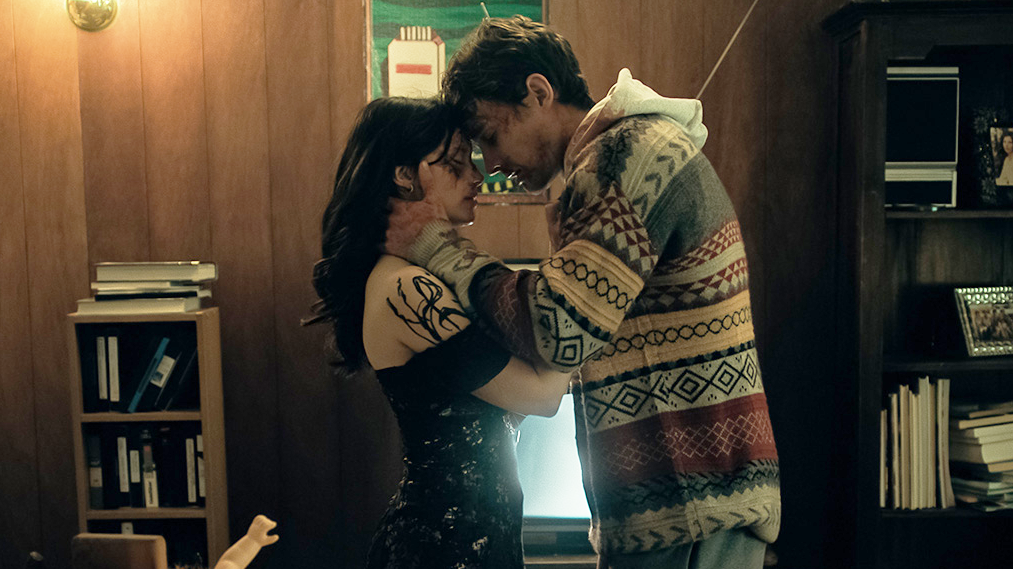
Obsession fits squarely into this modern cinematic tradition. By grounding its narrative in interpersonal manipulation and psychological instability, the film creates a persistent sense of unease that lingers long after the credits roll. The central performances are pivotal to this effect; Navarrette’s portrayal of Nikki brings a volatile, unpredictable energy to the screen, while Johnston grounds the terror through his depiction of a character caught in an escalating spiral of dread. The commercial and critical reception of Obsession highlights a broader viewer appetite for narratives that explore the fragility of human perception and safety.
Expanding the Viewing Experience: Curated Recommendations
To satisfy the demand for similar thematic experiences, streaming critics have pointed to three distinct horror features currently available on Netflix that share narrative DNA with Obsession. Each title employs unique storytelling mechanics to evoke paranoia, isolation, and psychological distress.
Hush: Minimalist Survival and Isolation
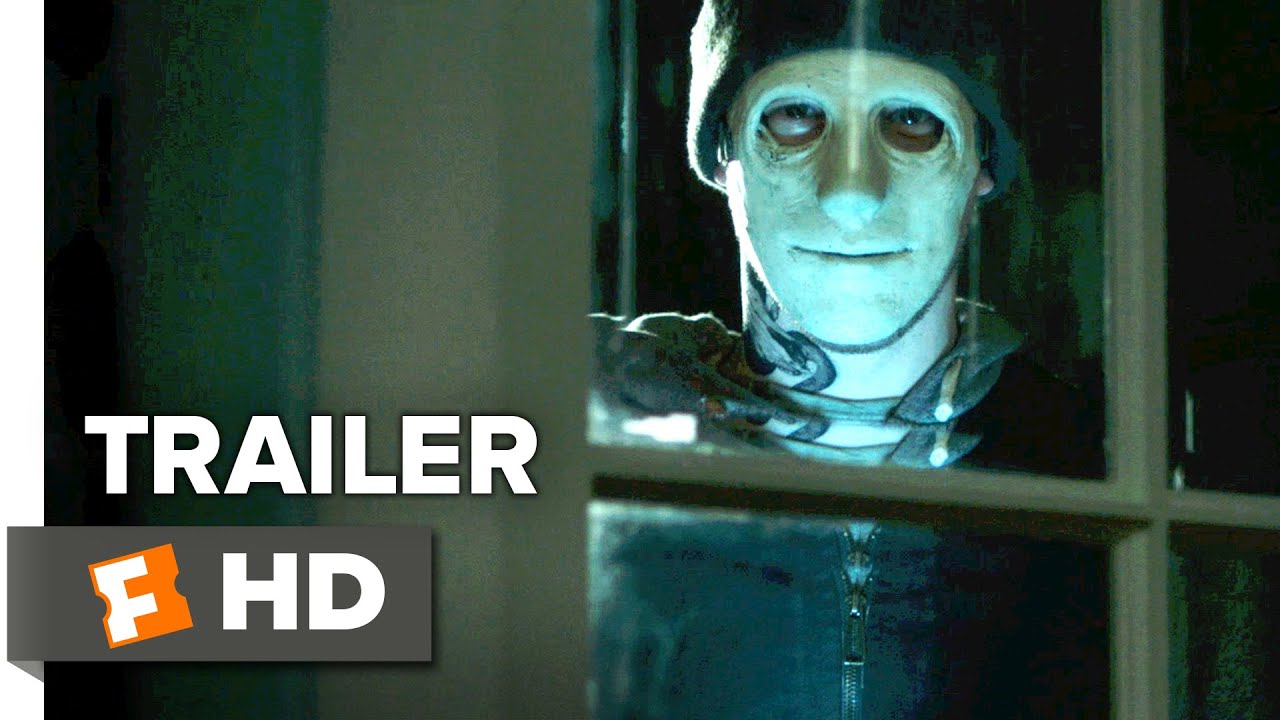
Among the primary recommendations for viewers seeking a companion piece to Obsession is the 2016 slasher thriller Hush, directed by Mike Flanagan. Long before Flanagan achieved widespread recognition for his elaborate television anthologies such as The Haunting of Hill House and Midnight Mass, he directed this lean, tightly wound suspense film co-written by and starring Kate Siegel.

The plot centers on Maddie, a deaf and mute author living a secluded life in a remote woodland home, who becomes the unwitting target of a masked intruder. The film’s brilliance lies in its economy of scale. By stripping away extraneous exposition and focusing intensely on the sensory limitations and resourcefulness of its protagonist, Hush generates relentless tension. Maddie is framed not as a passive victim, but as an active, strategic participant in her own survival. This sense of empowerment amid overwhelming isolation mirrors the survival dynamics found in many top-tier psychological thrillers, making it an essential viewing recommendation for fans of character-driven suspense.
His House: Supernaturalism Meets Societal Trauma
Moving from home-invasion survival to supernatural drama, the 2020 critically acclaimed feature His House offers a profound exploration of grief, guilt, and displacement. Directed and written by Remi Weekes, the film follows Bol and Rial, a refugee couple who flee war-torn South Sudan and are granted provisional housing in a decaying English town.
The narrative expertly intertwines traditional haunted-house tropes with the tangible horrors of bureaucratic limbo and cultural displacement. As the couple attempts to assimilate into an alien environment, they realize their new home is inhabited by a malevolent supernatural presence rooted in the tragic traumas of their past. Featuring standout performances by Sope Dirisu and Wunmi Mosaku—alongside a supporting appearance by Matt Smith—His House received widespread critical acclaim, holding a rare and prestigious status among modern horror offerings. The film illustrates how supernatural terror can serve as a potent allegory for real-world trauma, elevating it beyond standard genre fare.
Oculus: Unreliable Narrators and Fractured Realities
Rounding out the recommended viewing list is another entry from filmmaker Mike Flanagan, the 2013 psychological horror film Oculus. Starring Karen Gillan and Brenton Thwaites, the film tackles the terrifying concept of an antique mirror capable of warping human perception, driving its owners to madness and horrific acts.
Oculus distinguishes itself through an intricate narrative structure that alternates between two distinct timelines: the childhood trauma experienced by siblings Kaylie and Tim following their parents’ descent into murderous psychosis, and their reunion eleven years later as adults determined to destroy the artifact once and for all. Gillan delivers a performance driven by obsessive determination, steadily unraveling as the mirror’s supernatural influence distorts reality for both the characters and the audience. The film challenges viewers to question the boundary between objective truth and hallucination, aligning closely with the themes of psychological manipulation explored in Obsession.
Industry Implications and Audience Engagement
The curation of these titles alongside a major new release reflects a broader strategic shift in how streaming platforms manage content discovery. Rather than treating individual releases as isolated events, services increasingly utilize thematic bundling—connecting new arrivals to established library titles through curated editorial lists and algorithmic recommendations. This approach maximizes the lifecycle of catalog titles while providing subscribers with immediate pathways to related content.

Furthermore, the prominence of filmmakers like Mike Flanagan within these curated lists underscores the value of auteur-driven horror in the modern entertainment market. Directors who establish a distinct visual and thematic signature cultivate loyal audiences who actively seek out their entire filmographies. As platforms continue to invest heavily in genre content, the intersection of psychological tension, strong character agency, and atmospheric world-building remains a proven formula for sustained streaming success.
For viewers who have navigated the unsettling twists of Obsession and are searching for their next cinematic descent into dread, Netflix’s current catalog offers a robust selection of psychological thrillers. Whether through the stripped-down survival tactics of Hush, the socio-cultural hauntings of His House, or the reality-warping torment of Oculus, these films demonstrate the enduring power of well-crafted suspense in contemporary cinema.