Segway E3 Go Review: A Capable Mid-Range Commuter Scooter That Plays Second Fiddle to Its Stablemates

The modern landscape of urban micro-mobility has evolved far beyond the novelty toys of the past, maturing into a legitimate sector of commuter transportation. As cities become increasingly congested and public transit costs rise, everyday riders are constantly searching for efficient, reliable, and cost-effective ways to bridge the "last mile" of their journeys. Enter the Segway E3 Go, a mid-range electric scooter introduced in 2026 designed specifically for consumers with modest daily travel requirements. Retailing at $649—though frequently spotted on promotional sales dipping below the $500 threshold—the E3 Go attempts to strike a delicate balance between price, comfort, and core functionality. However, a rigorous multi-week testing period reveals a machine that, while fundamentally competent, struggles to carve out a definitive niche when compared directly against its own stablemates and chief market competitors.
An Overview of Pricing, Specifications, and Market Placement
Positioned comfortably within the competitive mid-tier segment of the micro-mobility market, the Segway E3 Go arrives with a standard manufacturer’s suggested retail price of $649. Yet, aggressive retail pricing strategies, particularly during holiday shopping windows such as Black Friday, have seen the vehicle heavily discounted to around $449, making it an accessible entry point for budget-conscious urbanites.
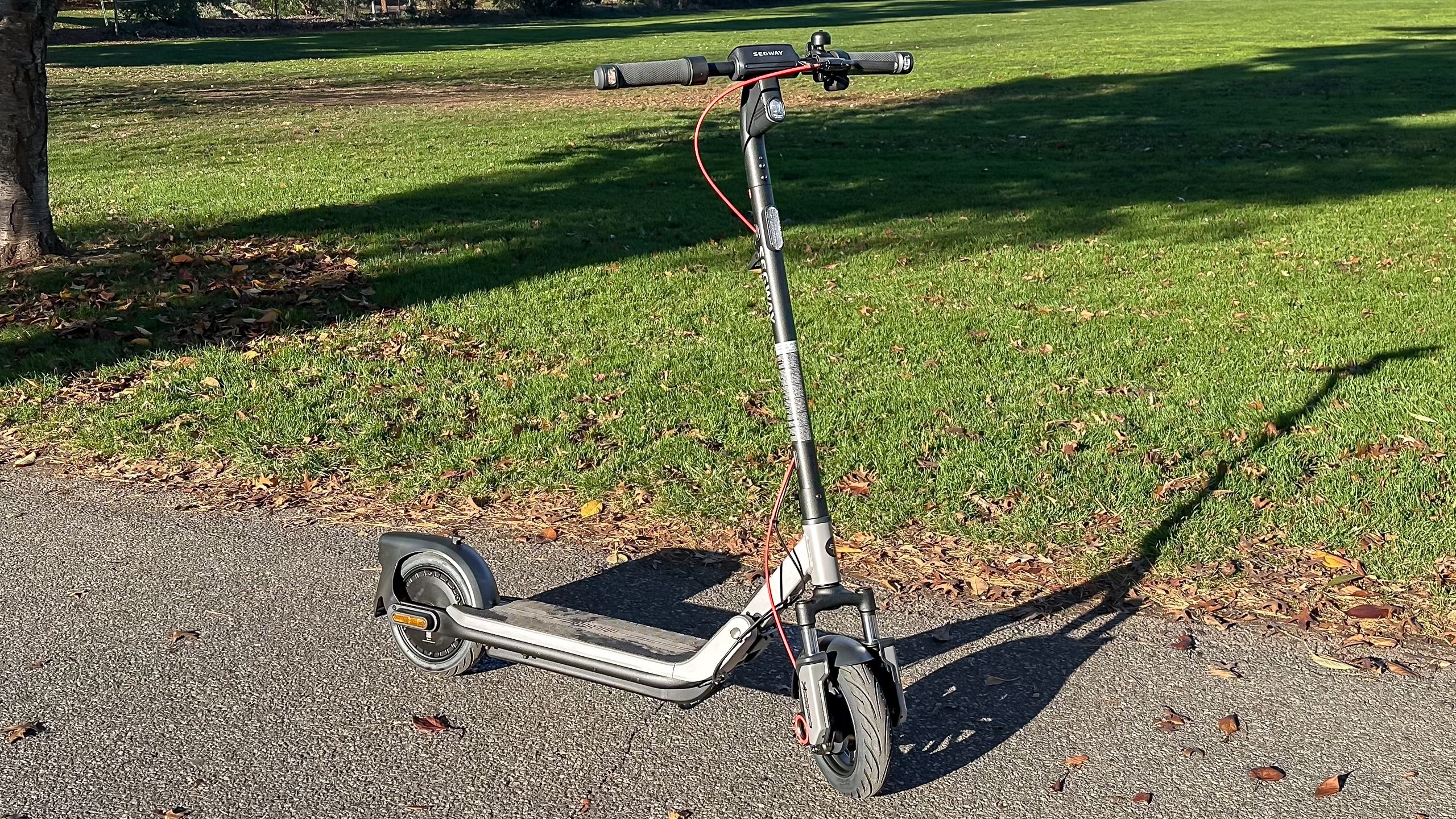
To understand its capabilities, one must look closely at the engineering specifications packed into its 46.7-pound frame. The scooter is propelled by a 400W nominal motor capable of delivering an 800W peak output, driving a top speed of 20 miles per hour. Energy is supplied by a 276 Wh battery pack, which feeds into 10-inch tubeless tires designed to absorb minor road imperfections. Additional structural and functional highlights include a dual-coil front suspension system, an IPX5 water-resistance rating (with an upgraded IPX7 rating specifically for the battery compartment), a maximum rider weight capacity of 220 pounds, and integrated Apple FindMy tracking technology. Charging from empty to full requires approximately 5.5 hours using the standard charger.
Ergonomics and Design Philosophy
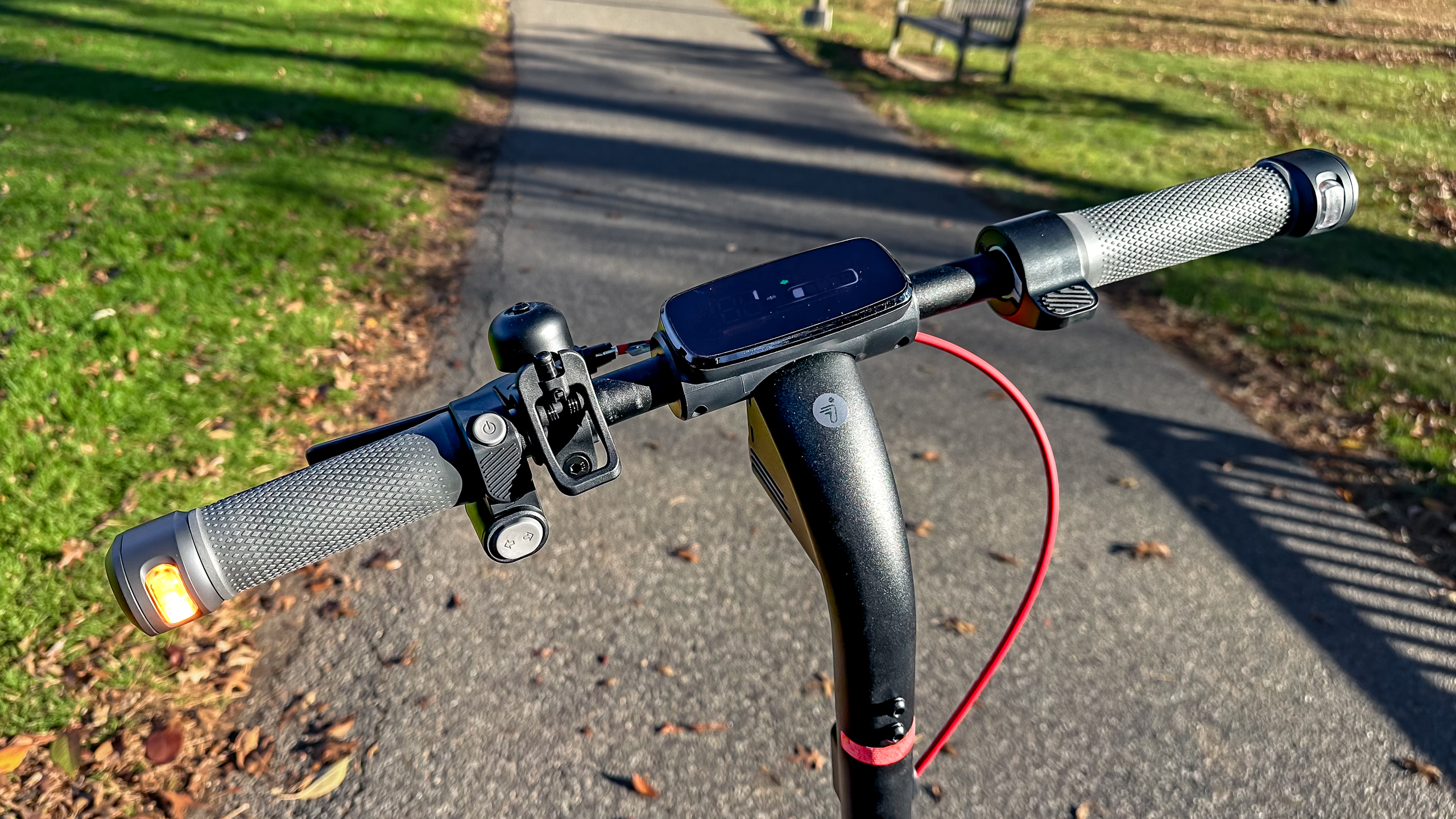
Segway has long prioritized physical rider interface and human-centered design in its product iterations, and the E3 Go benefits heavily from this corporate focus. In recent hardware generations, the company has begun tilting handlebars slightly backward—mimicking the natural geometry of a traditional bicycle—which substantially improves steering leverage and overall handling confidence during transit.
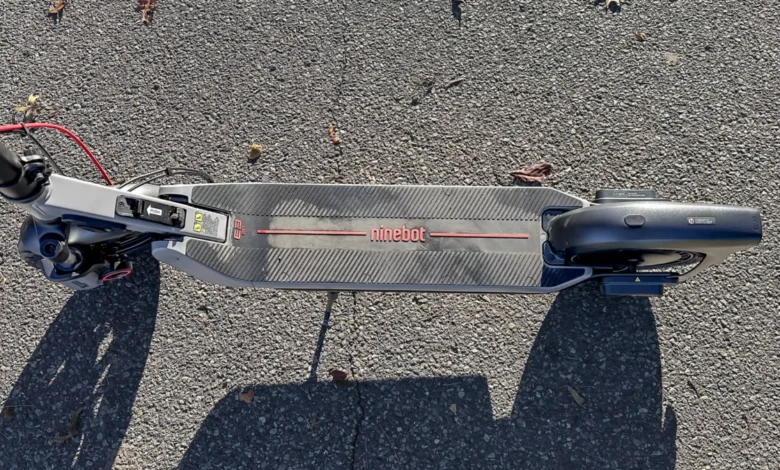
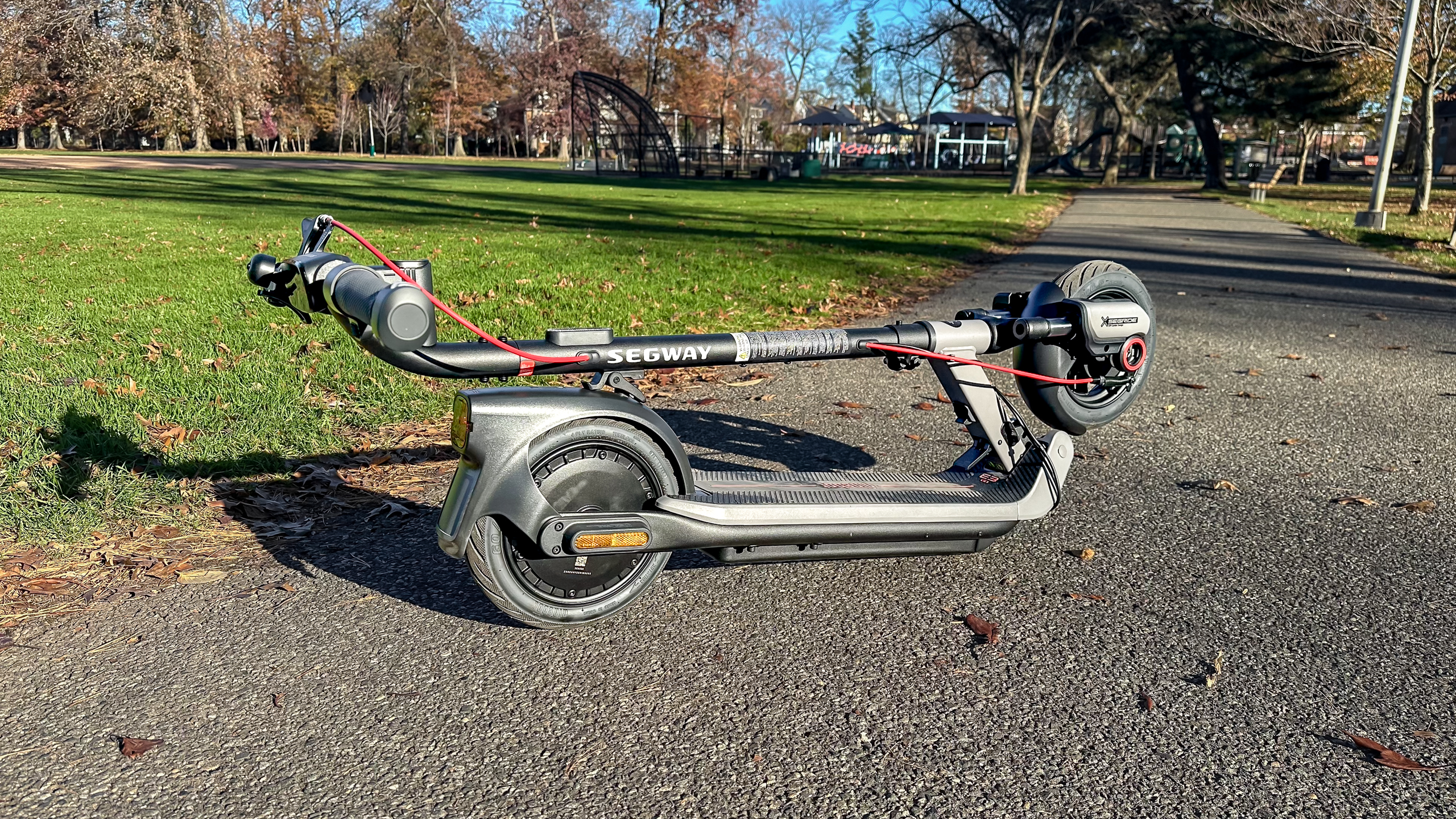
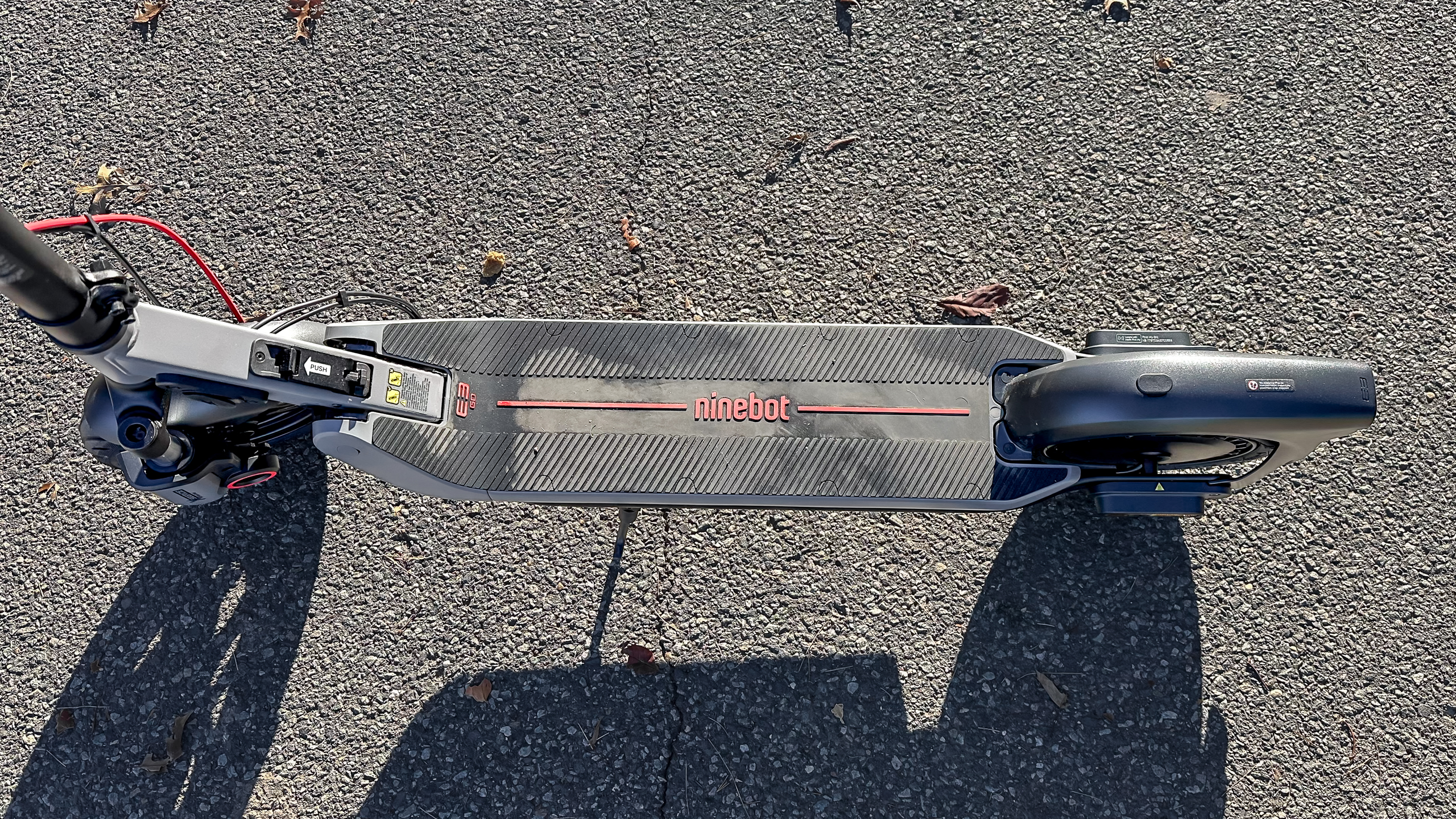
Furthermore, the E3 Go features a generously proportioned deck. For the vast majority of adult riders, foot placement is straightforward and comfortable, minimizing fatigue on longer trips. The folding mechanism has also been thoughtfully streamlined; a conveniently placed mechanical tab located at the base of the downtube allows the rider to depress the release with their foot, instantly unlocking the steering column to collapse the scooter for carrying or storage.
Despite these ergonomic victories, portability remains a minor hurdle. Tipping the scales at nearly 47 pounds, the E3 Go requires a noticeable degree of physical exertion to carry up apartment flights of stairs or maneuver onto crowded commuter rail cars. Interestingly, Segway’s own E3 Pro model—which boasts superior dual suspension and extended battery range—manages to be roughly six pounds lighter, highlighting a curious weight-to-feature ratio in the Go model’s engineering execution.
Ride Quality and Safety Innovations
When evaluating urban commuters, ride comfort is paramount, especially given the deteriorating state of municipal asphalt and the ubiquity of potholes in major metropolitan areas. While the E3 Go omits the full-suspension architecture found on higher-end alternatives like the E3 Pro, its dedicated front dual-coil suspension system performs admirably. During real-world testing across cracked pavement, expansion joints, and minor potholes, the front fork effectively dampens high-frequency vibrations and sharp impacts, offering a markedly smoother ride than rigid-fork competitors in the same price bracket.
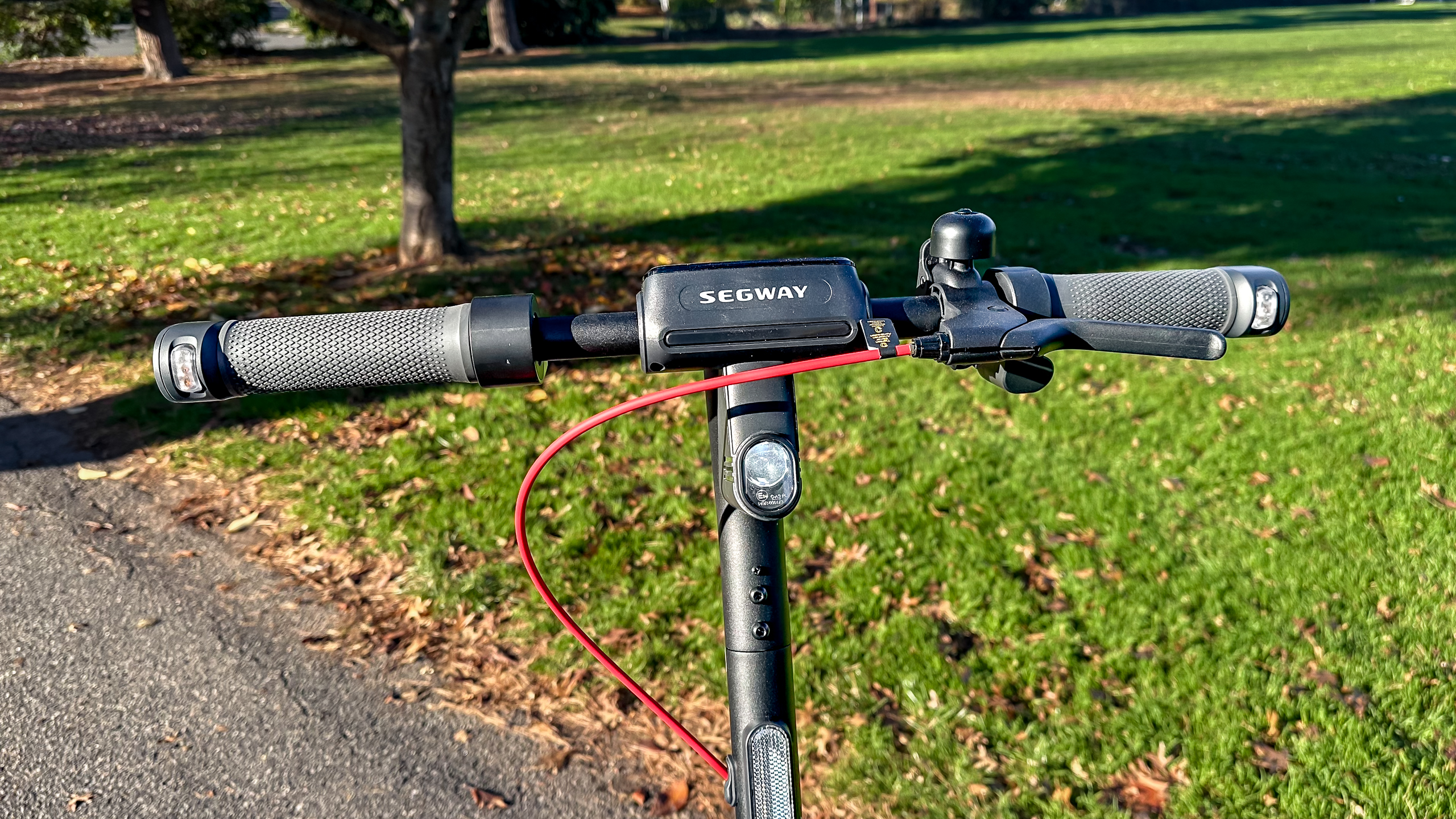
Safety features are another area where Segway has invested engineering capital. The E3 Go incorporates handlebar-mounted turn signals operated via a thumb switch on the left grip—a functional addition that significantly enhances rider visibility and signaling capability. However, design limitations persist: the lack of rear-facing turn signals makes it challenging for motorists directly trailing the scooter to interpret directional intentions, a feature successfully integrated into higher-tier models like the Segway Max G3 Plus. Additionally, the front headlight, while functional, would benefit from a wider beam and an adjustable mounting angle to optimize nighttime visibility.
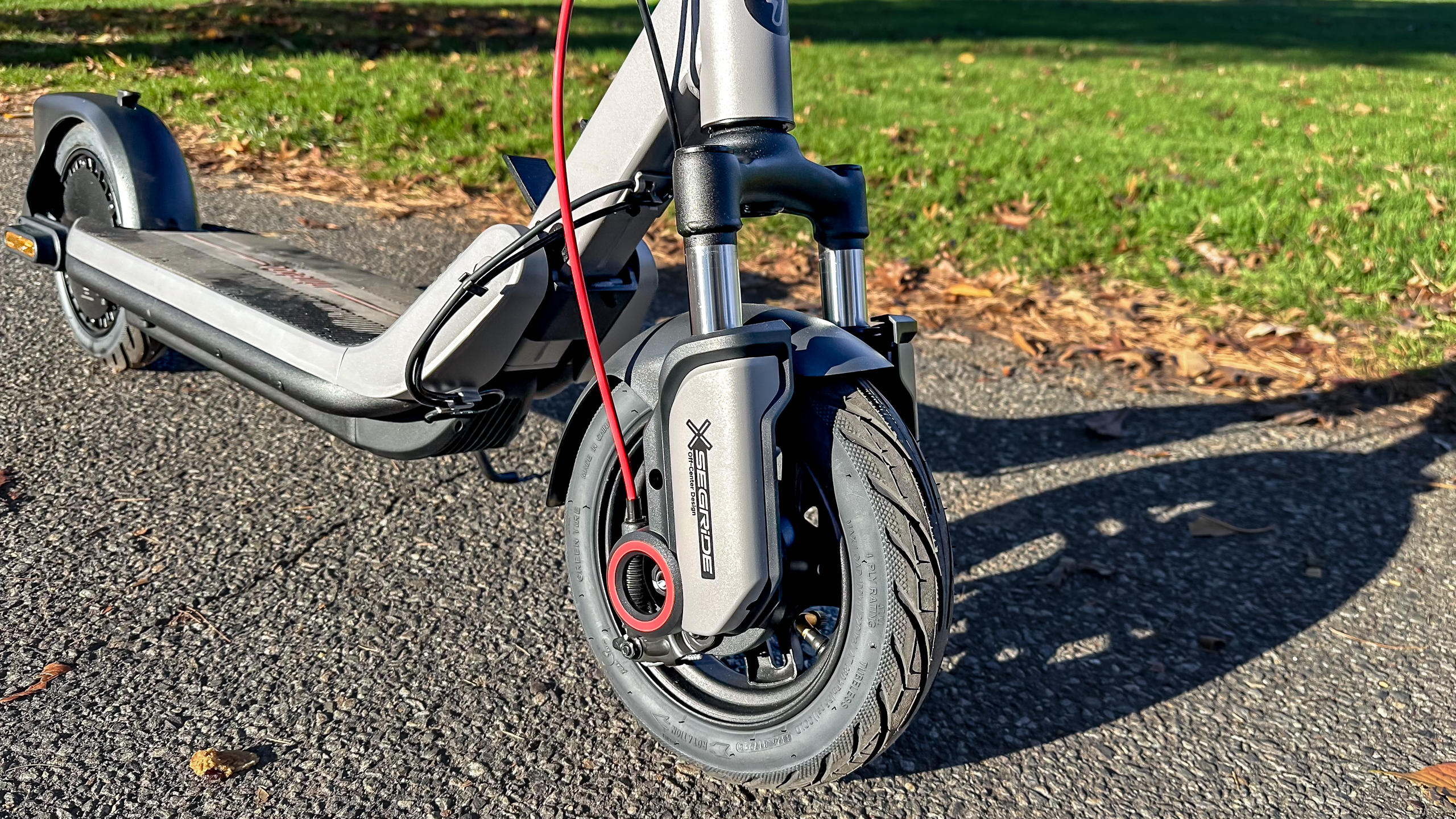
On the security front, the inclusion of Apple FindMy integration provides valuable peace of mind. While physical locks remain a mandatory deterrent against theft, the ability to passively track the vehicle’s location through the Apple ecosystem adds an invaluable layer of asset protection.
Performance Realities: Hill Climbing and Real-World Range
While specification sheets paint a promising picture, real-world testing frequently reveals the practical boundaries of mid-tier electric mobility. The E3 Go’s 400W motor is adequate for standard urban commuting, but its limitations become apparent when the topography shifts upward.
According to Segway’s official documentation, the E3 Go is engineered to conquer a maximum climbing slope of 9 degrees (an 18% grade). In practical testing across varying inclines, the vehicle handles moderate 5% grades reasonably well, though speed predictably bleeds off to around 10 miles per hour. However, when confronted with a steeper 6.9% grade that crests at 10.8%, the E3 Go struggles visibly, barely crawling to the top. By comparison, similarly priced competitors—such as the Apollo Dash—manage comparable topographical challenges with noticeably less momentum loss, though often at the expense of ride comfort.
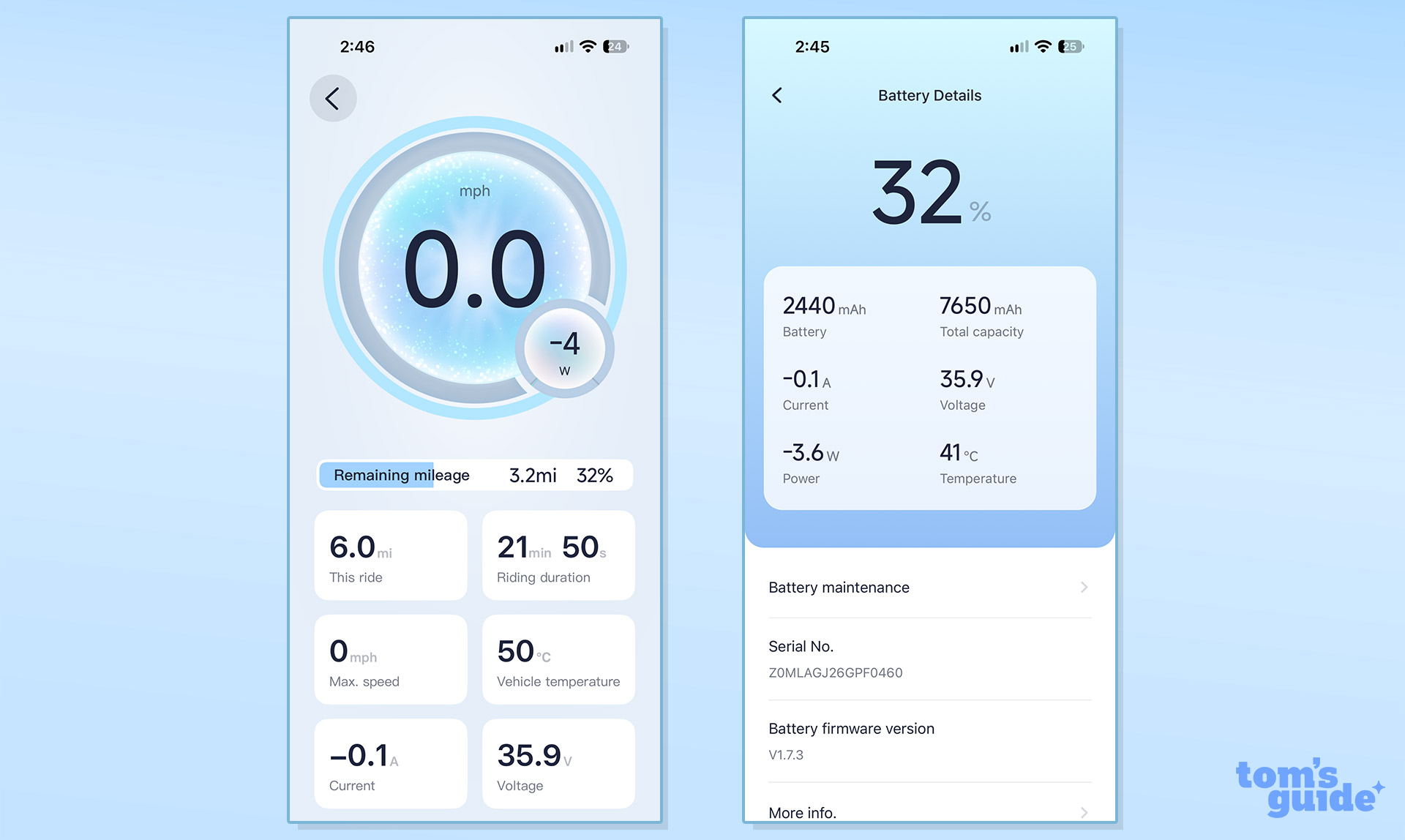
Range anxiety is another critical metric for urban commuters. Segway officially markets the E3 Go with a theoretical maximum range of 25 miles under optimal laboratory conditions. In practice, running the scooter in its maximum performance mode drastically reduces that figure to roughly 11.2 miles. During standardized testing consisting of a 5.5-mile urban loop at mixed speeds, the battery depleted to 32% remaining charge, mathematically projecting a true maximum range of just over 8 miles before total exhaustion. Actual range will inevitably fluctuate based on environmental temperature, terrain severity, and the payload weight of the rider.
Comparative Market Analysis and Industry Implications
The introduction of the Segway E3 Go highlights a broader strategic dilemma within the consumer micro-mobility sector: product cannibalization versus tiered pricing. At a retail price of $649 (and promotional pricing around $449), the E3 Go occupies a crowded zone populated by agile startups and legacy manufacturers alike.
However, prospective buyers face a compelling counter-argument within Segway’s own catalog. For a modest price premium of just $50, the Segway E3 Pro offers comprehensive dual-suspension, superior range, and a lighter physical chassis. Consequently, market analysts note that budget-conscious consumers are frequently incentivized to stretch their purchasing power slightly higher to acquire the E3 Pro, rendering the E3 Go a transitional product rather than a market leader.
Furthermore, alternative offerings like the Apollo Dash provide superior hill-climbing capabilities at parity pricing, albeit with stiffer ride characteristics. This competitive pressure forces manufacturers to continually refine their feature sets, balancing raw mechanical power against structural comfort and smart-device integration.
The Bottom Line for Urban Commuters
The Segway E3 Go is ultimately a well-constructed, comfortable, and fundamentally reliable electric scooter that delivers solid value, particularly when purchased at a discounted price point. It excels in relatively flat urban environments where infrastructure is smooth and inclines are minimal. For daily commuters who prioritize a plush ride over raw hill-climbing torque and maximum battery endurance, the E3 Go fulfills its brief efficiently.
Nevertheless, consumers must weigh its limitations carefully. Those contending with steep city hills would be better served by exploring alternatives like the Apollo Dash, while riders looking for the absolute best value within Segway’s ecosystem will likely find that spending an additional $50 for the E3 Pro yields a vastly superior long-term investment. Regardless of the final model chosen, the presence of dedicated suspension in this price tier underscores a positive industry-wide shift toward prioritizing rider ergonomics and safety on modern urban streets.