Mux Expands AI Capabilities with Six New Mux Robots Workflows for Advanced Video Management and Analysis


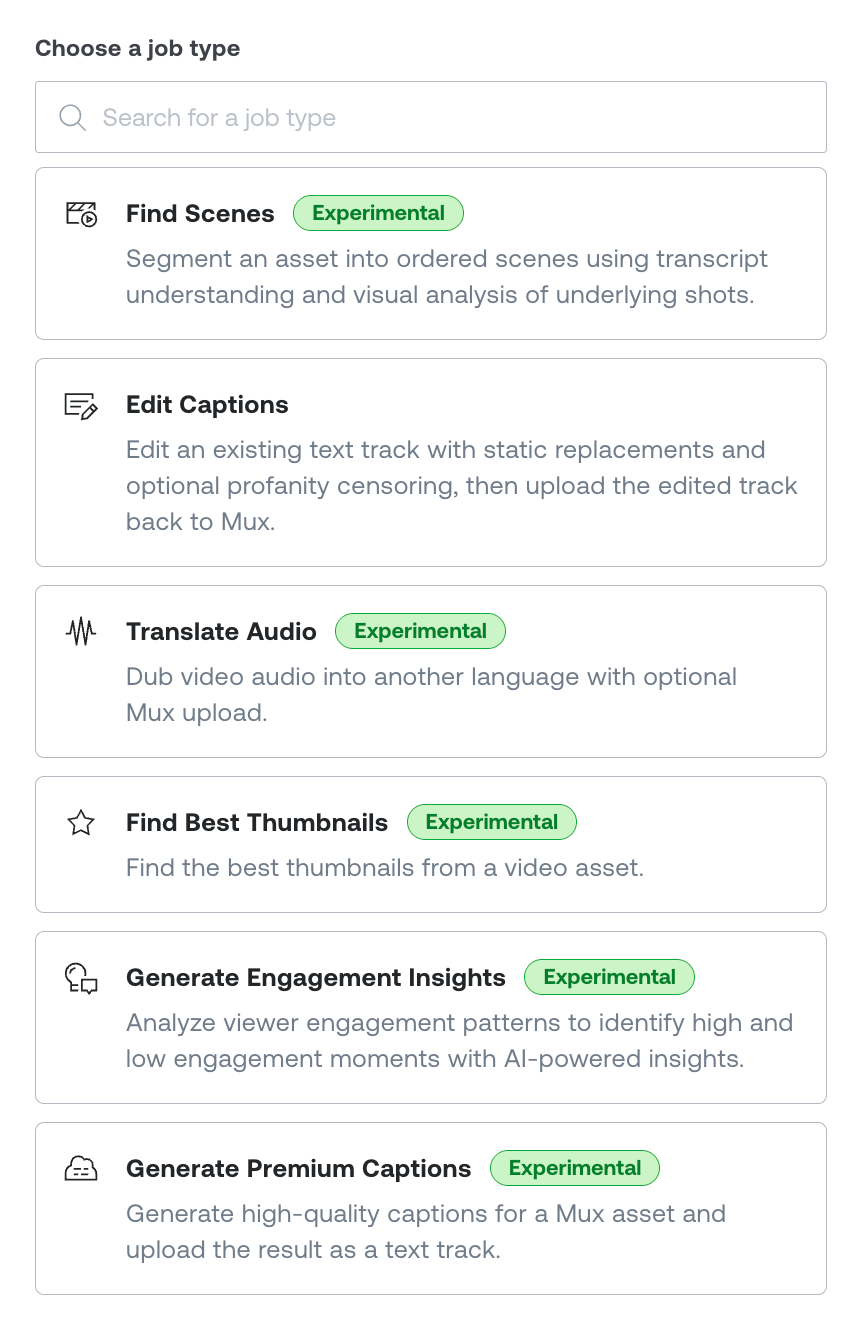
Mux, a prominent provider of video infrastructure for developers, has officially announced the launch of six new workflows within its Mux Robots suite, marking a significant expansion of its artificial intelligence and automation capabilities. This latest release is designed to streamline the labor-intensive processes of video post-production, localization, and data analysis by integrating advanced machine learning models directly into the video hosting and delivery pipeline. The new batch of workflows includes tools for generating high-accuracy premium captions, dubbing audio into multiple languages, selecting optimized thumbnails, and converting complex engagement metrics into actionable, plain-language insights. By offering these features through a unified API or a single-click dashboard interface, Mux aims to lower the barrier to entry for sophisticated video management, allowing organizations to scale their content operations without a proportional increase in manual overhead.
The introduction of these workflows represents a strategic pivot toward "video intelligence," a field that moves beyond simple video playback to focus on understanding and optimizing the content itself. Historically, tasks such as audio translation or scene detection required specialized third-party services or manual intervention from editors. Mux Robots attempts to centralize these functions, providing structured JSON outputs that developers can easily integrate into their existing applications. This move comes at a time when the demand for localized and accessible content is at an all-time high, driven by the global nature of digital media and increasingly stringent accessibility regulations.
The Evolution of Mux Robots and Video Automation
The release of these six workflows is the latest chapter in a multi-year trajectory for Mux. Founded by the creators of Video.js and Zencoder, Mux has long focused on making professional-grade video tools accessible via developer-friendly APIs. The "Mux Robots" initiative was launched to address the growing "plumbing" problem in video technology—the myriad small but essential tasks that surround the core act of streaming.

Prior to this expansion, Mux Robots focused on foundational tasks like basic transcription and tagging. However, as large language models (LLMs) and computer vision models have matured, the potential for deeper automation has grown. The current release reflects an integration of these cutting-edge models into the Mux ecosystem. The chronology of this development shows a clear shift from reactive tools (fixing errors) to proactive tools (generating insights and new content). By automating the "boring" parts of video management, Mux is positioning its platform as an end-to-end intelligence engine rather than a mere delivery pipe.
Enhancing Accessibility and Global Reach
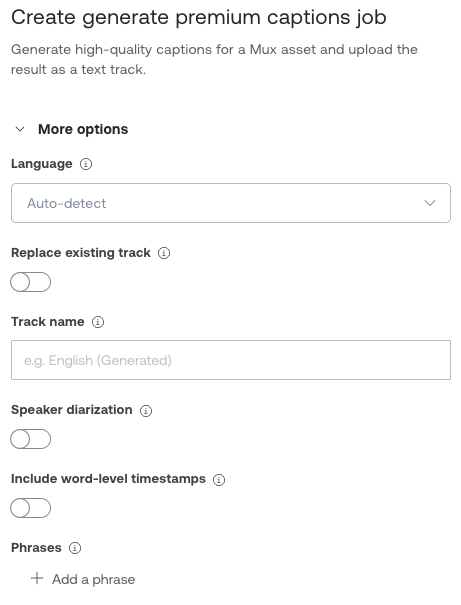
Two of the most significant workflows in the new release are Generate Premium Captions and Translate Audio. While Mux has offered standard auto-generated captions for some time, the Premium Captions workflow utilizes high-accuracy speech-to-text models that provide several advanced features. These include speaker identification, also known as diarization, which allows the system to distinguish between different voices in a conversation. Furthermore, it offers word-level timestamps and the ability to recognize specialized jargon or product names through a "phrases" parameter. This is particularly relevant for corporate training, technical webinars, and specialized educational content where accuracy is paramount.
Complementing this is the Translate Audio workflow, which provides automated dubbing. By taking an existing asset and a target language code, the system generates a new audio track in the requested language. This workflow automatically detects the source language and the number of speakers, simplifying the localization process for global audiences. In an era where platforms like YouTube are increasingly prioritizing multi-audio tracks to expand creator reach, this tool provides a scalable solution for enterprises to localize their entire libraries.
Data-Driven Content Strategy via Engagement Insights
Perhaps the most innovative addition to the suite is the Generate Engagement Insights workflow. This tool bridges the gap between Mux Data—the company’s existing analytics product—and actionable content strategy. It analyzes hotspots and heatmap data collected from viewer interactions to identify specific moments where engagement peaks or drops.
Unlike traditional analytics that present raw numbers or graphs, this workflow uses AI to explain the data in plain language. For example, it can identify that "Viewers skip past the first 15 seconds of intro" or that "Product demos drive the highest retention." This allows marketing and product teams to understand the "why" behind their metrics without needing to be data scientists. To function effectively, the asset must have a statistically significant number of views, making it a tool designed for optimizing established content rather than analyzing new uploads in real-time. This feedback loop between playback data and content analysis represents a sophisticated application of "closed-loop" video management.
Visual Optimization and Narrative Understanding
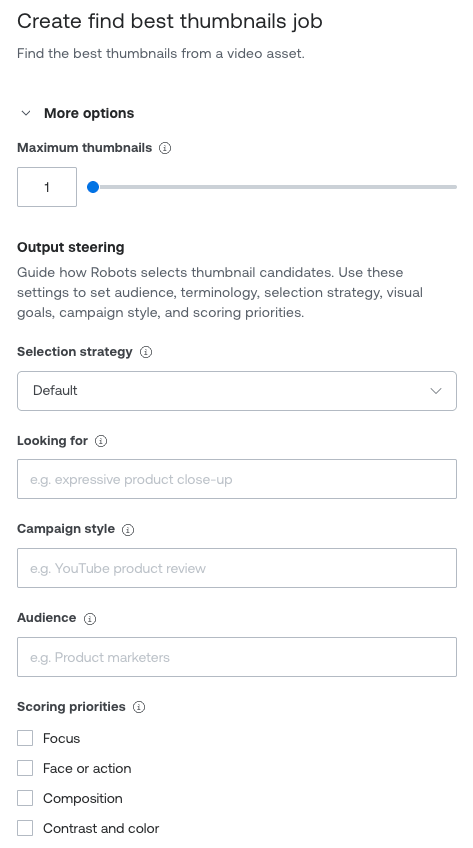
The Find Best Thumbnails and Find Scenes workflows focus on the visual and structural elements of video. The thumbnail tool uses vision models to sample frames and score them based on criteria such as focus, composition, contrast, and the presence of faces or action. Users can steer the selection process by defining their target audience or a specific "selection strategy," such as looking for "campaign-style" imagery. This replaces the traditional method of either choosing a random frame or manually scrubbing through hours of footage to find a compelling cover image.
The Find Scenes workflow, currently in an experimental phase, takes automation a step further by segmenting a video into narrative chapters. It provides titles, transcript cues, and even visual and audible narrative descriptions for each segment. This is a foundational technology for "video agents"—AI systems that can search for and understand specific parts of a video. By breaking a video down into its constituent shots and scenes, Mux is enabling a more granular way to navigate and index video content, which is essential for the searchability of long-form media.
Technical Framework and Developer Integration
Mux has maintained a consistent architectural pattern for these workflows to ensure ease of adoption. Every Mux Robot job follows a standard asynchronous pattern: a developer initiates a job via a POST request to the API, and the system returns a webhook once the processing is complete. Alternatively, developers can poll a specific job URL to check for status updates.
A key feature mentioned in the technical documentation is the use of "Directives." This allows for the automation of workflows at the point of ingest. For instance, a developer can set a directive that automatically triggers a Premium Captions job and an Audio Translation job the moment a video is uploaded. This "set and forget" approach reduces the amount of custom code required to build complex video processing pipelines. The output for all these jobs is delivered as structured JSON, which can be easily ingested by front-end applications to display captions, chapter markers, or engagement summaries.
Pricing Structures and Availability
The commercial model for Mux Robots is based on "units," a flexible billing metric that accounts for both the duration of the video asset and the computational complexity of the specific workflow. High-intensity tasks, such as scene detection or premium transcription, consume more units than simpler tasks. This usage-based pricing allows organizations to experiment with the tools without significant upfront capital investment.
As of the current announcement, Edit Captions and the experimental Find Scenes workflow are available to all users via the Mux dashboard and API. However, Generate Premium Captions, Translate Audio, Find Best Thumbnails, and Generate Engagement Insights are currently in a restricted experimental phase. Access to these specific tools requires a request through Mux Support. This staged rollout is typical for high-compute AI features, allowing the company to gather feedback and refine the underlying models before a wider release.
Industry Impact and the Future of AI in Video
The broader implications of this release are significant for the digital media landscape. By integrating these tools into the infrastructure layer, Mux is commoditizing features that were once the exclusive domain of large media conglomerates with massive post-production budgets. This democratization of video intelligence enables smaller startups and independent developers to build platforms with "AI-native" features like automatic dubbing and smart navigation.
Industry analysts suggest that the move toward automated video understanding is a necessary response to the "content explosion." As the sheer volume of video data grows, manual curation becomes impossible. Tools that can "watch" and "listen" to video at scale are becoming essential for content moderation, search engine optimization, and personalized user experiences.
Furthermore, the release highlights a growing trend in the SaaS industry: the transformation of infrastructure providers into "intelligent" platforms. Mux is no longer just a place to host a file; it is becoming a partner in the content creation and optimization process. As these workflows move from experimental to general availability, they are likely to set a new standard for what developers expect from a video API. The focus remains on reducing the "plumbing" of video technology, allowing creators to spend less time on technical logistics and more time on the narrative and impact of their visual stories.