Duluth Trading Fortifies Inventory Health and Supply Chain with Strategic Reductions and Amazon Partnership

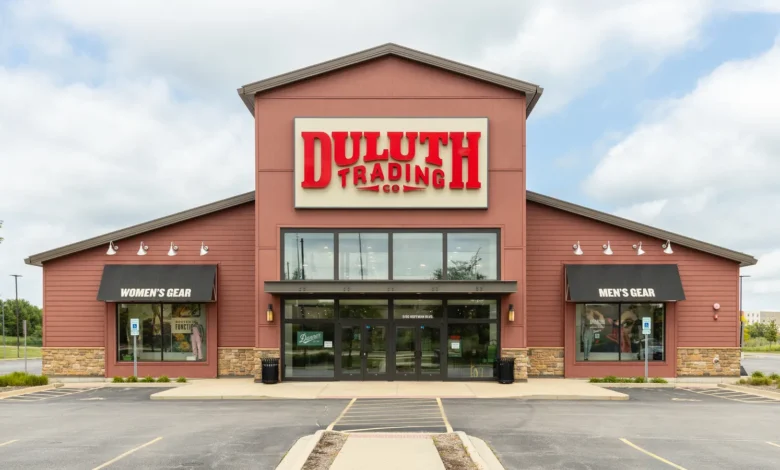
Duluth Trading Co., a prominent retailer known for its workwear and outdoor apparel, has successfully implemented a comprehensive strategy to enhance inventory health, streamline its supply chain, and improve overall profitability. These initiatives, spanning from SKU rationalization to a strategic partnership with Amazon for fulfillment, mark a pivotal period of operational refinement for the company, culminating in a stronger balance sheet and improved customer availability. The tactical shift underscores a broader industry trend towards lean inventory management and diversified fulfillment channels in response to evolving market dynamics and consumer expectations.
The Imperative for Inventory Optimization
The journey towards optimized inventory at Duluth Trading Co. was initiated against a backdrop of complex retail challenges that emerged prominently in the wake of global supply chain disruptions. Like many retailers, Duluth likely faced periods of fluctuating demand, elongated lead times, and the strategic imperative to carry sufficient stock without incurring the significant costs associated with oversupply. Excess inventory not only ties up capital but also leads to increased warehousing expenses, potential obsolescence, and the need for markdowns that erode profit margins. Recognizing these pressures, the company embarked on a deliberate path to rightsizing its balance sheet and refining its product assortment.
During a Q3 earnings call in December 2025, CEO Stephanie Pugliese articulated the company’s strategic vision, emphasizing a planned reduction in Stock Keeping Units (SKUs) and style counts. This move was not merely about cutting numbers but was designed to foster greater assortment clarity, enabling customers to navigate product offerings more intuitively and ultimately driving improved margins. The immediate impact of this focused approach was evident in the Q3 2025 results, where Duluth Trading reported a significant 17% year-over-year decrease in inventory levels. This early success signaled the effectiveness of their strategy and set a positive trajectory for future operational enhancements.
SKU Rationalization: A Core Strategy for Clarity and Profitability
The decision to narrow the product assortment, often referred to as SKU rationalization, is a sophisticated strategic maneuver with far-reaching benefits beyond simple cost reduction. As a company executive, Agrawal, later elaborated on a June call, this intentional narrowing ensures that capital and floor space are "hyperfocused on the core high-margin hero product lines that resonate most deeply with our self-reliant audience." This philosophy targets the heart of Duluth Trading’s brand identity, reinforcing its commitment to durable, practical, and high-quality gear.
The process of SKU rationalization involves a meticulous analysis of product performance, sales velocity, customer feedback, and profitability metrics. By identifying and discontinuing underperforming or redundant items, Duluth Trading can:
- Enhance Brand Focus: Strengthen the perception of its core offerings and unique value proposition.
- Improve Inventory Turnover: Accelerate the rate at which inventory is sold and replaced, freeing up cash flow.
- Reduce Operational Complexity: Simplify forecasting, purchasing, warehousing, and merchandising processes.
- Boost Profit Margins: Concentrate resources on products with higher demand and better profitability.
- Optimize Marketing Efforts: Focus promotional activities on key products, leading to more effective campaigns.
This strategic pruning allows the company to invest more deeply in its "hero" products, ensuring better stock levels, more consistent quality, and enhanced innovation within those key categories. For a brand like Duluth Trading, which caters to a discerning customer base seeking reliability and utility, a clear, focused assortment can significantly improve the shopping experience and reinforce brand loyalty.
Optimizing Fulfillment and In-Store Availability
Beyond the strategic reduction of SKUs, Duluth Trading also placed a strong emphasis on optimizing its inventory allocation across its distribution network. A key component of this strategy involved prioritizing availability at its state-of-the-art automated fulfillment center in Adairsville, Georgia, as well as its network of physical stores. The Adairsville facility, which commenced operations to enhance logistical efficiency and speed, plays a crucial role in supporting both e-commerce and store replenishment.
The deliberate allocation strategy, combined with smarter buying practices, yielded tangible improvements in customer experience. Agrawal highlighted that Duluth Trading’s in-stock levels at its physical stores improved by a remarkable 900 basis points. To put this into perspective, a 900-basis-point improvement signifies a substantial increase in the percentage of products consistently available on shelves, translating directly into fewer missed sales opportunities and higher customer satisfaction. For a shopper, this means a significantly higher likelihood of finding the desired product readily available, reducing frustration and enhancing the overall in-store experience. This improvement also likely reduces the need for store-to-store transfers or backorders, further streamlining operations and reducing costs.
Financial Discipline and Structural Profitability Improvements
The inventory management overhaul was part of a broader commitment to financial discipline that extended to pricing strategies and capital allocation. Agrawal underscored the importance of "reinstating price integrity through our promotional reset and maintaining discipline across inventory management, costs and capital allocation." This holistic approach signals a move away from excessive promotional activities that can dilute brand value and erode margins, towards a more sustainable pricing strategy.
By adopting a disciplined approach across these critical financial levers, Duluth Trading has made "structural improvements to profitability and secured a strong balance sheet." Structural improvements imply changes that are fundamental and long-lasting, rather than superficial or temporary. This suggests a more robust and resilient business model, capable of weathering economic fluctuations and supporting future growth. A strong balance sheet provides the company with financial flexibility, enabling strategic investments, managing debt, and returning value to shareholders. This financial fortitude is particularly vital in a competitive retail landscape where agility and sound financial health are paramount.
Leveraging Amazon for Enhanced E-commerce Fulfillment
In a strategic move to further optimize its supply chain and tap into a broader customer base, Duluth Trading has also begun utilizing Amazon’s fulfillment capabilities for orders placed on Amazon’s marketplace. This initiative was unveiled during an investor and analyst event earlier in the month, signaling a significant evolution in Duluth Trading’s e-commerce strategy.
The decision to leverage Amazon’s Fulfillment by Amazon (FBA) service or similar programs on the e-commerce giant’s platform offers several compelling advantages:
- Access to Amazon Prime Benefits: For customers, this means eligibility for Prime shipping benefits, including fast and often free delivery, which is a major purchasing driver for millions of Amazon subscribers.
- Expanded Reach: It exposes Duluth Trading’s products to Amazon’s vast customer base, potentially attracting new shoppers who might not typically visit Duluth Trading’s direct website or physical stores.
- Logistical Efficiency: By outsourcing warehousing, packing, and shipping to Amazon, Duluth Trading can reduce its own logistical overhead and complexity for orders originating from the Amazon marketplace. Amazon’s sophisticated fulfillment network, known for its speed and scale, can handle peak demands more effectively.
- Customer Trust: Many consumers trust Amazon’s fulfillment experience, which can indirectly benefit Duluth Trading’s brand perception on the platform.
This partnership is indicative of a growing trend among direct-to-consumer (DTC) brands and traditional retailers to integrate with major e-commerce platforms. While some brands are cautious about relying too heavily on third-party marketplaces, the strategic use of Amazon’s fulfillment capabilities can be a powerful tool for customer acquisition and operational efficiency, especially for products that benefit from rapid delivery. For Duluth Trading, it represents a pragmatic approach to expanding its digital footprint and meeting modern consumer expectations for convenience and speed.
A Chronology of Strategic Evolution
The strategic transformation at Duluth Trading Co. can be charted through a series of key milestones:
- Pre-2025: Facing common retail challenges, including potentially inflated inventory levels following pandemic-era supply chain fluctuations and evolving consumer preferences.
- Q3 2025 (December 2025 Earnings Call): CEO Stephanie Pugliese formally announces the strategic shift towards SKU reductions and style count optimization, aiming for improved margins and assortment clarity. The company reports a 17% YoY decrease in inventory, marking the initial success of the strategy.
- Late 2025 – Early 2026: Implementation phase of inventory rightsizing, continued SKU rationalization, and refinement of the supply chain, including prioritizing the Adairsville fulfillment center.
- June 2026 (Recent Executive Call): Agrawal provides updates on the successful implementation, highlighting improved in-stock levels at stores (900 basis points improvement) and structural enhancements to profitability through disciplined inventory management, cost control, and capital allocation.
- June 2026 (Earlier Investor/Analyst Event): Executives disclose the new partnership with Amazon, indicating the adoption of Amazon’s fulfillment capabilities for orders placed on the e-commerce giant’s marketplace to leverage Prime shipping benefits and expand reach.
This timeline illustrates a deliberate and phased approach to transforming Duluth Trading’s operational and financial health, moving from initial strategic announcements to tangible outcomes and new partnerships designed for future growth.
Broader Industry Context and Implications
Duluth Trading’s strategic maneuvers resonate with broader trends observed across the retail industry. Post-pandemic, many retailers grappled with excess inventory accumulated during periods of unpredictable demand and supply chain bottlenecks. The subsequent focus on "lean retail" has prioritized efficiency, data-driven forecasting, and agile supply chain models. Duluth Trading’s success in reducing inventory by 17% and improving in-stock rates by 900 basis points positions it as a leader in adapting to this new paradigm.
Industry analysts are likely to view Duluth Trading’s actions favorably. The emphasis on "core high-margin hero product lines" is a testament to strong brand management and an understanding of its target demographic. In an era where brand authenticity and clear value propositions are paramount, a streamlined product offering can enhance customer loyalty. Furthermore, the strategic use of Amazon’s fulfillment network demonstrates a pragmatic approach to e-commerce, balancing the need for direct customer relationships with the undeniable logistical advantages of a platform like Amazon. This hybrid approach allows Duluth Trading to expand its reach without necessitating massive internal investments in last-mile delivery infrastructure.
The implications for Duluth Trading are significant:
- Enhanced Financial Performance: The structural improvements to profitability and a strong balance sheet provide a stable foundation for sustained growth and potentially higher shareholder returns. Reduced inventory holding costs and fewer markdowns directly contribute to healthier margins.
- Improved Operational Efficiency: A more streamlined supply chain, better inventory management, and optimized fulfillment processes lead to lower operational costs and greater agility.
- Superior Customer Experience: Improved in-stock levels, clearer product assortments, and potentially faster shipping options (via Amazon) enhance customer satisfaction and loyalty.
- Strengthened Competitive Position: By focusing on core strengths, maintaining price integrity, and leveraging strategic partnerships, Duluth Trading can differentiate itself in a competitive market segment.
- Future Growth Potential: A solid operational and financial foundation frees up resources and capital for future innovation, product development, and market expansion.
In conclusion, Duluth Trading Co.’s strategic overhaul of its inventory management and supply chain operations represents a forward-thinking response to contemporary retail challenges. By meticulously rightsizing its product assortment, optimizing fulfillment, maintaining financial discipline, and strategically partnering with Amazon, the company has not only achieved significant operational efficiencies and profitability improvements but has also fortified its position for sustainable growth in a dynamic market. These deliberate actions underscore a clear vision for delivering value to both customers and shareholders, reinforcing Duluth Trading’s commitment to its "self-reliant audience" with a highly efficient and customer-centric approach.