Mattel Expands Its Toy Box to TikTok Shop in Strategic Live Commerce Push for the Holiday Season

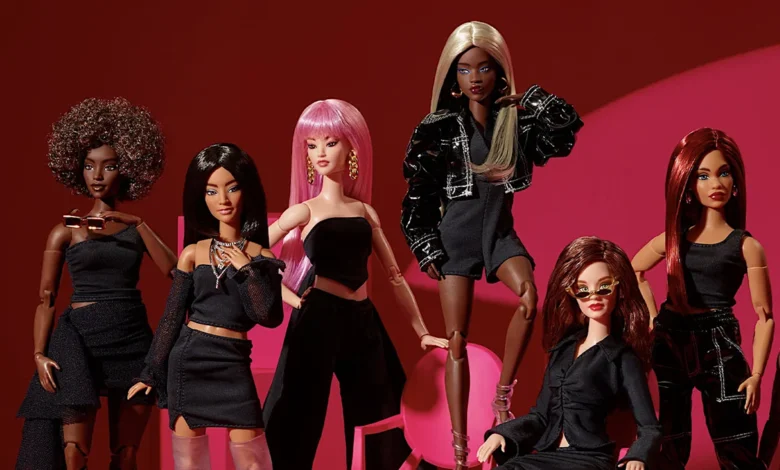
The landscape of modern retail is undergoing a profound transformation, driven by the convergence of social media discovery and direct-to-consumer e-commerce. Toy manufacturing giant Mattel has officially entered this arena by launching its first-ever branded storefront on TikTok Shop. Debuting with an initial curated selection of roughly 20 products spanning its most iconic franchises—including Barbie, Hot Wheels, Fisher-Price, and Monster High—the platform represents a calculated step forward for the 81-year-old company. Mattel plans to rapidly scale this digital storefront to feature more than 40 distinct items, positioning itself aggressively within the burgeoning live commerce ecosystem just ahead of the high-stakes holiday shopping season.
This move aligns Mattel with a growing cohort of major retail and lifestyle brands rushing to establish a transactional footprint on TikTok. Ahead of the Black Friday sales rush, companies such as Best Buy, Ulta Beauty, and Sephora have similarly launched on TikTok Shop, recognizing that social media platforms are no longer merely channels for brand awareness, but vital points of sale. According to recent internal TikTok data, nearly a third of U.S. TikTok users anticipate purchasing holiday gifts directly through the platform, underscoring the urgency for legacy brands to capture this digital-native audience.
A Strategic Bridge for Product Discovery and Consumer Education
According to Mina Zandbar, Mattel’s vice president of global e-commerce, the primary objective of the TikTok Shop integration is to enhance product discovery, consumer engagement, and parent education alongside the company’s traditional omnichannel retail framework. While Mattel already maintains a robust presence on TikTok—boasting 124,000 followers on its primary account, alongside millions more across brand-specific pages like Barbie with 2.5 million followers and Hot Wheels with 1.2 million—the company has historically relied on external retail partners or its own direct website to transact sales.
Zandbar noted that establishing a store within the TikTok ecosystem allows the brand to meet its audience directly where they are actively searching for content. However, because TikTok’s terms of service require account holders to be at least 13 years old, Mattel’s strategy on the platform is intentionally tailored toward adults and parents rather than children.
"Little kids are not going to purchase products for themselves," Zandbar explained. "It’s more so about education for their parents."
Consequently, the initial product lineup has been carefully curated to feature items that already enjoy organic traction in existing TikTok video content, such as the Fisher-Price Soothe ’n Snuggle Otter. By producing targeted video content that answers common parental questions—such as identifying the best toys for newborns—Mattel aims to leverage the platform’s community-driven nature to drive conversions. Furthermore, the company is investing heavily in livestreaming and strategic partnerships with content creators who are deeply embedded within the toy community, utilizing their trusted voices to speak directly to prospective buyers.
Capitalizing on the Kidulting Craze and Adult Collectors
While parents shopping for young children represent a significant portion of the target demographic, Mattel’s TikTok Shop strategy also accounts for a massive, highly engaged segment of its market that has no children at all: adult collectors. Zandbar highlighted that Mattel commands a massive community of adult enthusiasts who actively collect items such as Hot Wheels vehicles and Monster High fashion dolls.
This initiative arrives amid a broader consumer phenomenon dubbed the "kidulting craze," characterized by a surge in adults purchasing toys, collectibles, and nostalgia-driven merchandise for themselves. By grouping multiple iconic properties under a single umbrella storefront—similar to how The Disney Store successfully houses brands like Star Wars and Frozen under one digital roof on TikTok Shop—Mattel can seamlessly cater to these diverse fan bases simultaneously. The platform serves as a unified destination where nostalgia meets impulse buying, offering adult collectors an frictionless path to purchase rare finds and limited-edition releases.
The Role of TikTok Shop Within the Broader Retail Ecosystem
Mattel envisions TikTok Shop as a vital top-of-funnel entry point for new customers. The company anticipates that some shoppers will complete their very first Mattel purchase directly through the social media application. Over time, as consumer needs evolve and expand, these buyers can be funneled toward Mattel’s direct-to-consumer website or established retail partners such as Amazon, Walmart, and Target, where the company’s complete, unconstrained breadth of merchandise is available.
This multi-channel approach works in tandem with Mattel’s recently launched customer loyalty initiative, Mattel Rewards. The loyalty program allows members to earn points on qualifying purchases and engagement activities, which can then be redeemed for discounts at checkout. Structured across four tiers with benefits scaling based on annual spending, the program has already attracted more than 25% of Mattel’s overall consumer base.
Zandbar emphasized that while TikTok Shop and Mattel Rewards serve distinct purposes, they are fundamentally compatible. The loyalty program fosters deep, direct relationships with the company’s most avid fans, enabling Mattel to gather valuable first-party data ranging from average order values to geographic locations. Conversely, TikTok Shop excels at driving top-of-funnel discovery, even though transaction data and customer interactions remain primarily within the platform’s ecosystem. Together, these tools allow Mattel to maintain an intimate proximity to its consumer base across every stage of the buyer journey.
Navigating Holiday Logistics for Maximum Data Insights
Launching a sophisticated e-commerce channel during the fourth-quarter holiday rush presents undeniable logistical and operational challenges. However, Mattel views the high-traffic season not as a hurdle, but as a strategic testing ground. Zandbar expressed confidence that the intensity of the holiday period will yield invaluable performance data.
"I just believe the busiest time is going to give you massive data to understand what is truly working or not working," Zandbar noted. "I want to make sure we are maximizing our learnings during the busiest time of the year."
Financial Health and Executive Leadership Driving Future Growth
Mattel’s digital expansion onto TikTok Shop comes at a time of steady financial performance and leadership transition. For the third quarter ending in September, Mattel reported net sales of $1.807 billion, representing a 4% increase year-over-year on a reported basis. The company’s operating income reached $476 million, marking an increase of $96 million compared to the previous year. Performance across categories was mixed, with gains observed in action figures, building sets, games, and Hot Wheels, while traditional staples like Barbie and Fisher-Price experienced modest declines.
At the executive level, the company is charting its next strategic chapter under the leadership of Roger Lynch, who assumed the role of chairman and chief executive officer in early November, succeeding Ynon Kreiz. Lynch’s early tenure has been characterized by a focused mandate to unlock the full commercial potential of the heritage toy maker through operational discipline and targeted innovation.
"My first few weeks leading Mattel have reinforced my belief in the company’s potential," Lynch stated in an earnings release. "I also see clearly where we must improve… Our priorities are clear: strengthen our brands and win in toys, drive innovation and creativity, and invest with discipline to drive profitable growth."
By fusing legacy brand equity with cutting-edge live commerce initiatives like TikTok Shop, Mattel is attempting to future-proof its business model. As social platforms continue to evolve into primary retail destinations, Mattel’s multi-layered digital strategy ensures that its classic toy box remains permanently open to generations of consumers—whether they are discovering a toy for a newborn, expanding an adult collection, or simply engaging with their favorite childhood characters online.
Related posts: