LG Electronics to Purge Residential Proxy Apps from Smart TV Store Following Security Research

The global home appliance and consumer electronics leader LG Electronics USA has announced a significant policy shift regarding its webOS smart TV platform, confirming plans to suspend and remove applications that surreptitiously transform consumer hardware into residential proxy nodes. This decisive action follows a series of alarming reports from cybersecurity researchers indicating that a substantial portion of the applications available on major smart TV platforms have been bundled with software development kits (SDKs) that allow third parties to route internet traffic through a user’s home network.
The controversy centers on the discovery that more than 42 percent of games, utilities, and lifestyle applications currently hosted on LG’s webOS store contain hidden components that enlist the television into a global network of "residential proxies." These networks are highly sought after by data scrapers, marketing firms, and, occasionally, malicious actors who wish to mask their true location and identity by appearing as a legitimate home user. For the consumer, this often results in slowed internet speeds, potential security vulnerabilities, and the unauthorized use of their paid bandwidth.
The Discovery: Spur’s Investigation into Smart TV Ecosystems
The catalyst for LG’s policy change was a detailed investigation published in early July 2024 by Spur, a security firm specializing in identifying and tracking proxy networks. Spur’s researchers conducted a comprehensive audit of the application ecosystems for the two largest players in the smart TV market: LG, which utilizes the webOS operating system, and Samsung, which uses the Tizen operating system.
The findings were stark. According to Spur’s data, 42 percent of apps on LG’s platform were found to include residential proxy SDKs. Samsung’s Tizen OS was not immune, with more than 25 percent of its tested applications containing similar components. These SDKs are essentially "digital stowaways" that remain active as long as the television is connected to the internet, often operating in the background without the user’s explicit awareness or understanding of the technical implications.
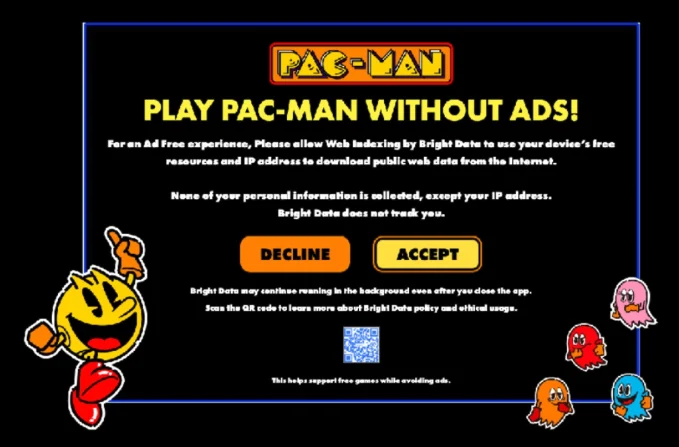
The types of apps found to be carrying these payloads were varied, ranging from simple recreations of classic games like Pac-Man to seemingly innocuous system utilities, file managers, and high-definition screensavers. Because these apps are often offered for free, developers have increasingly turned to residential proxy providers as a silent monetization strategy, receiving payments in exchange for turning their user base into a distributed network of proxy nodes.
Official Response from LG Electronics
In response to the evidence presented by Spur and subsequent inquiries from cybersecurity journalists, LG Electronics took a firm stance against the practice. John Taylor, Senior Vice President at LG Electronics USA, clarified the company’s position, stating that the use of smart TVs as proxy infrastructure was never an intended or authorized function of the webOS platform.
"A residential proxy network is not an intended use for LG smart TVs, and LG Electronics is working with developers to remove the residential proxy option from their apps on the webOS platform," Taylor said in a statement. He further emphasized that the company’s patience with non-compliant developers is limited: "If this option is not removed, these apps will be suspended."
Taylor indicated that a thorough review of the LG app store is currently "well underway." This audit aims to identify every application utilizing these SDKs and issue ultimatums to the creators. LG’s strategy involves strengthening the evaluation process for all future developer submissions to ensure that no new applications with proxy-sharing capabilities can penetrate the ecosystem. The company framed this move as part of a broader commitment to enhancing "platform quality and the user experience."
Understanding the Residential Proxy Economy
To understand why LG’s move is significant, one must understand the mechanics of the residential proxy market. Legitimate businesses often require large volumes of data from the public internet for tasks such as price comparison, ad verification, and market research. However, many websites block traffic coming from known data centers or commercial IP ranges to prevent automated scraping.
Residential proxies solve this problem for the scrapers by providing IP addresses assigned to real homes by Internet Service Providers (ISPs). When a scraper routes their request through a smart TV in a residential living room, the target website sees a legitimate consumer rather than a bot.
Companies like Bright Data, one of the largest players in this space, provide the SDKs that developers integrate into their apps. In exchange for "renting" the user’s IP address and bandwidth, the developer receives a fee. Bright Data has defended its business model, asserting that it operates with transparency and within the legal frameworks of the platforms it inhabits.

In a statement following the report, Bright Data maintained that its network is built on "consent and responsibility." The company noted that every "peer" (the user whose device is being used as a proxy) must opt-in through a dedicated screen and receives value in return—usually in the form of an ad-free experience or access to premium features. They also highlighted that their practices have undergone independent audits by firms like PwC to ensure compliance and security.
The Problem of Informed Consent and IoT Security
Despite the claims of proxy providers regarding consent, security experts like Trevor Sutter of Spur argue that the current model is fundamentally flawed. The primary issue is the quality of the consent obtained. In many cases, the "opt-in" is a single, text-heavy screen that appears during the initial setup of a game or utility. Consumers, often eager to begin using the app, may click "Agree" without understanding that they are allowing a third-party corporation to use their home internet connection for unknown purposes.
"A one-time consent prompt buried in a TV app is not a substitute for meaningful transparency, ongoing control, and platform oversight," Sutter noted. He also raised a significant ethical concern regarding the demographic of smart TV users. "The risk is amplified when consent comes from individuals within the household who use the device but shouldn’t give consent, such as minors."
Beyond the issue of consent, there are technical risks. While proxy providers claim to use technological countermeasures to prevent their customers from accessing other devices on a user’s local network (such as laptops or security cameras), the history of the Internet of Things (IoT) is rife with examples of "secure" silos being breached. By allowing an external entity to route traffic through a device inside the home network, the traditional "firewall" boundary is effectively bypassed, creating a potential bridgehead for more sophisticated network intrusions.
A Pattern of Questionable Software Partnerships
The crackdown on proxy SDKs comes at a time when LG is already facing scrutiny for its software distribution practices. While the company is moving to protect users from bandwidth hijacking on its TVs, it was recently criticized for including intrusive software in its high-end computer monitors.
A report from the popular hardware analysis channel Gamers Nexus revealed that certain LG LCD monitors automatically initiate the installation of a McAfee security application on the user’s connected Windows PC. This installation occurs via Windows Update drivers without a clear approval prompt from the user. The app serves primarily as a marketing tool to encourage users to purchase paid antivirus subscriptions.
These parallel developments suggest a tension within the company between the desire to monetize its hardware ecosystem through software partnerships and the necessity of maintaining a secure, user-friendly environment. The decision to purge proxy SDKs suggests that LG views the risks of residential proxies—which involve the physical infrastructure of the user’s internet connection—as a bridge too far compared to traditional "bloatware."
Timeline of the Smart TV Proxy Crackdown
The sequence of events leading to this industry-wide realization highlights the speed at which the cybersecurity landscape for IoT devices is evolving:
- Early 2024: Security researchers begin noticing an uptick in residential proxy traffic originating from non-traditional computing devices, specifically smart TVs and set-top boxes.
- July 2, 2024: Spur releases its comprehensive report, "The Secret Life of Smart TV Apps," detailing the 42% prevalence of proxy SDKs in LG’s webOS and 25% in Samsung’s Tizen.
- Mid-July 2024: Major cybersecurity outlets report on the findings, prompting a public outcry and inquiries to hardware manufacturers.
- July 20, 2024: LG Electronics USA officially responds, confirming it will suspend apps that do not remove the offending SDKs.
- July 22, 2024: Proxy providers like Bright Data issue defensive statements, emphasizing their audit processes and opt-in mechanisms.
- Present: LG’s review of the webOS store remains ongoing, with several developers reportedly already receiving notices to update or face removal.
Implications for the Future of the Smart Home
LG’s decision marks a potential turning point for the regulation of the "Internet of Things." For years, smart TVs have been viewed by manufacturers as "data goldmines," used to track viewing habits for targeted advertising. The shift into using the device’s physical bandwidth as a commodity, however, represents a more invasive form of monetization.
As LG moves to clean up its store, the industry’s eyes turn to Samsung. As the world’s largest TV manufacturer, Samsung’s Tizen OS holds a massive share of the market. While Spur’s research showed a lower percentage of infected apps on Tizen compared to webOS, the absolute number of affected devices could be significantly higher due to Samsung’s market dominance. As of late July, Samsung has not issued a comparable public commitment to purge proxy SDKs from its platform.
For consumers, this event serves as a reminder that the "smart" features of modern appliances often come with hidden costs. While the removal of these apps will lead to a cleaner, more secure webOS experience, it also challenges the "freemium" model that many developers rely on. If developers cannot monetize through ads or proxy sharing, the cost of simple TV applications may shift back to the consumer in the form of upfront purchase prices.
In the broader context of cybersecurity, the LG announcement is a victory for transparency. It acknowledges that a television is no longer just a display device; it is a powerful, always-on computer that requires the same level of administrative oversight and security hygiene as a smartphone or a laptop. As home networks become increasingly crowded with "smart" devices, the responsibility of the manufacturer to act as a gatekeeper for the software they host has never been more critical.
Related posts: