Legendary Rock and Roll Icon Freddy Boom Boom Cannon Dies at Age 89 Leaving Behind a Record Breaking Musical Legacy

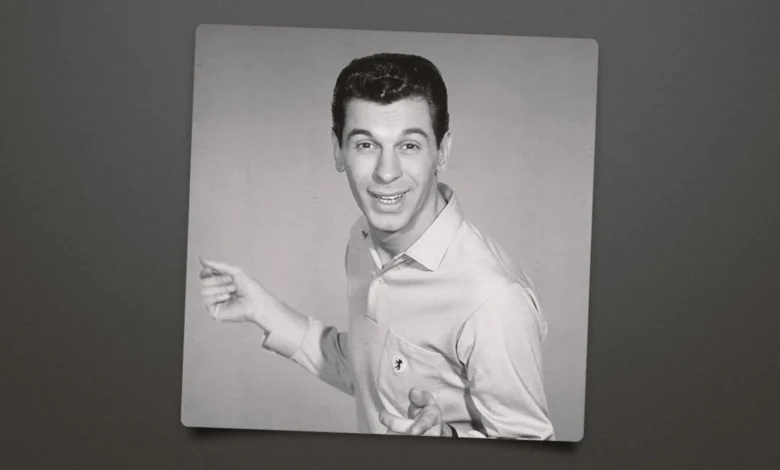
Freddy Cannon, the high-energy rock and roll vocalist whose exuberant performance style and string of hits defined the transition between the late 1950s and the early 1960s, has passed away at the age of 89. His death was confirmed on Friday by his longtime friend and associate, iHeart Radio’s Tom Cuddy, who announced that the singer died while under the care of a hospice facility in California. Cannon’s passing comes just days after he was scheduled to appear for a high-profile interview with legendary DJ Cousin Brucie Morrow on July 11. According to Cuddy, Cannon was hospitalized only one day before that scheduled appearance, signaling a rapid decline in his health.
Known affectionately to fans and the industry as Freddy "Boom Boom" Cannon—a nickname earned through his signature use of a driving, heavy bass drum beat and his explosive vocal delivery—the singer occupied a unique space in American music history. He was the bridge between the raw rockabilly of the mid-50s and the polished pop-rock of the pre-British Invasion era. Over a career that spanned more than six decades, Cannon became one of the most recognizable faces of the "Philadelphia sound," despite his New England roots, and established a record for television appearances that remains an industry benchmark.
Early Life and the Genesis of the Boom Boom Sound
Born Frederick Anthony Picariello Jr. on December 4, 1936, in Lynn, Massachusetts, Cannon was immersed in music from an early age. His father was a truck driver who moonlighted as a musician, playing guitar and singing at local venues. This early exposure to the mechanics of performance influenced Frederick Jr., who took up the rhythm guitar and began fronting his own group, Freddy Karmon and the Hurricanes, in the mid-1950s.
The transformation from a local Massachusetts performer to a national sensation began with a song originally titled "Rock-a-Bye-Baby." The track, co-written by Cannon’s mother, captured the attention of local producers and eventually made its way to the ears of Bernie Binnick and Bob Crewe. However, the most significant turning point occurred when the song reached Dick Clark, the influential host of American Bandstand. Clark, a kingmaker in the music industry at the time, recognized the raw energy in Cannon’s voice but suggested significant changes to the arrangement and the lyrics.
Under Clark’s guidance and the production of Bob Crewe, the song was reworked into "Tallahassee Lassie." It was during these recording sessions that the "Boom Boom" sound was perfected—characterized by a thunderous, stomping beat that demanded listeners get up and dance. To further align himself with the burgeoning Philadelphia music scene that Clark controlled, Cannon moved to the city in his late teens alongside his wife, Jeanette. This move solidified his association with Swan Records, a label co-owned by Clark, and set the stage for a meteoric rise.
Chart Success and the American Bandstand Record
"Tallahassee Lassie" was released in 1959 and quickly became a national phenomenon. The track peaked at No. 6 on the Billboard Hot 100, selling over one million copies and earning Cannon his first gold record. The success of the single was bolstered by Cannon’s frequent appearances on television, where his enthusiastic "Whoo!" shouts and charismatic stage presence made him an instant favorite among the teenage demographic.
In 1960, Cannon made his debut on American Bandstand, beginning a relationship with the program that would become the stuff of legend. Over the next decade, Cannon appeared on the show a staggering 110 times. This figure remains a record for the program, surpassing every other major act of the era. His reliability and consistent ability to deliver high-energy performances made him a staple of the show’s "Caravan of Stars" tours, where he shared the stage with other icons of the era.
Following "Tallahassee Lassie," Cannon maintained his momentum with a series of hits that utilized his signature formula of upbeat tempos and catchy hooks. In 1960 alone, he charted with "Jump Over" and a rock-and-roll rendition of the traditional "Chattanooga Shoe Shine Boy." However, it was 1962 that saw the release of what many consider his definitive work.
The Cultural Impact of Palisades Park
In the summer of 1962, Cannon released "Palisades Park," a song written by Chuck Barris, who would later gain fame as the creator and host of The Gong Show. The track was originally intended to be the B-side for "June, July and August," but radio DJs quickly pivoted to "Palisades Park" after realizing its infectious potential.
The song featured innovative production for its time, including the integration of amusement park sound effects—screaming riders, roller coaster clatter, and midway organs—which were layered over Cannon’s driving vocals. The track surged to No. 3 on the Billboard Hot 100, becoming the highest-charting single of his career. More than just a hit record, "Palisades Park" became a cultural touchstone, encapsulating the nostalgia of the American summer and the vibrant youth culture of the early 1960s.
Even as the "British Invasion" led by The Beatles and The Rolling Stones began to reshape the American airwaves in 1964, Cannon managed to remain relevant. He pivoted toward a slightly more sophisticated pop sound while retaining his energetic core. Hits like 1964’s "Abigail Beecher" (No. 16) and 1965’s "Action" (No. 13) demonstrated his staying power. "Action" served as the theme song for the Dick Clark-produced afternoon variety show Where the Action Is, further cementing Cannon’s status as a television mainstay.
Beyond the Music: Film, Television, and Memoirs
Cannon’s charisma naturally translated to the screen beyond musical performances. Throughout the 1960s, he appeared in several films and television series, often playing himself or a featured musical guest. His film credits included the 1958 comedy No Time for Sergeants, the 1965 cult classic Village of the Giants, and the musical film Get Yourself a College Girl. On television, he made appearances on the soap opera Never Too Young and, in much later years, became a recurring favorite on the horror-themed show Svengoolie.
In 2011, Cannon published his memoir, Where the Action Is!, providing an insider’s look at the early days of rock and roll. The book detailed his experiences on the road, his complex relationship with the industry’s power players, and his observations on how the music business evolved from the era of 45-rpm singles to the digital age. The memoir served as a vital historical document for fans and scholars of the "Philadelphia Sound" era.
A Timeline of Career Milestones
- 1936: Born Frederick Anthony Picariello Jr. in Lynn, Massachusetts.
- 1958: Moves to Philadelphia and signs with Swan Records.
- 1959: Releases "Tallahassee Lassie," reaching No. 6 on the Billboard Hot 100.
- 1960: Debuts on American Bandstand; releases "Jump Over."
- 1962: Releases "Palisades Park," his biggest hit, peaking at No. 3.
- 1964: Charts with "Abigail Beecher" during the height of the British Invasion.
- 1965: Releases "Action," the theme for the TV show Where the Action Is.
- 1966: Releases "The Dedication Song," his last major Top 40 hit.
- 1981: Returns to the charts briefly with a collaboration with the Belmonts.
- 2011: Publishes his memoir, Where the Action Is!.
- 2024: Passes away at age 89 in California.
Personal Life and Family Legacy
While his professional life was defined by the public spotlight, Cannon’s personal life was marked by stability and long-term devotion. He was married to his wife, Jeanette, for over six decades, a rarity in the entertainment industry. The couple moved from the East Coast to California later in life to be closer to their family.
However, the final year of Cannon’s life was marred by significant personal tragedy. His wife, Jeanette, passed away earlier in 2024, followed shortly by the death of their son, John, in April 2024. Industry insiders suggest that the loss of his lifelong partner and his son took a heavy toll on the singer’s spirit in his final months.
Cannon is survived by his children, Conny Weber and Billy Cannon; his sister, Mary Lou; his son-in-law, Jim; and his daughter-in-law, Beth. He also leaves behind a legacy through five grandchildren and seven great-grandchildren.
Analysis: The Enduring Legacy of Boom Boom
The death of Freddy Cannon marks the loss of one of the last surviving links to the formative years of televised rock and roll. Unlike many of his contemporaries who focused on the "teen idol" image of being a crooner, Cannon was a pure rocker. His style was characterized by a lack of pretension; he was there to provide a "good time," a sentiment reflected in his upbeat catalog.
Music historians often note that Cannon’s success was a testament to the power of the "singles market." In an era before the album became the primary artistic statement, Cannon mastered the art of the three-minute pop explosion. His influence can be heard in the high-energy delivery of later power-pop and garage rock bands who valued energy and "shout-along" choruses over intricate lyricism.
The fact that he held the record for American Bandstand appearances for decades speaks to his professionalism and his ability to connect with multiple generations of youth. As the industry reflects on his passing, Freddy "Boom Boom" Cannon will be remembered not just for the chart positions of his songs, but for the sheer joy and unbridled energy he brought to the American soundtrack during a period of immense cultural transition. His music remains a staple of "oldies" radio and film soundtracks, ensuring that the "Boom Boom" beat will continue to resonate for years to come.