How AI Agent Coding Tools Helped a Non-Developer Launch ScubaTube, a Specialized Video-Sharing Platform

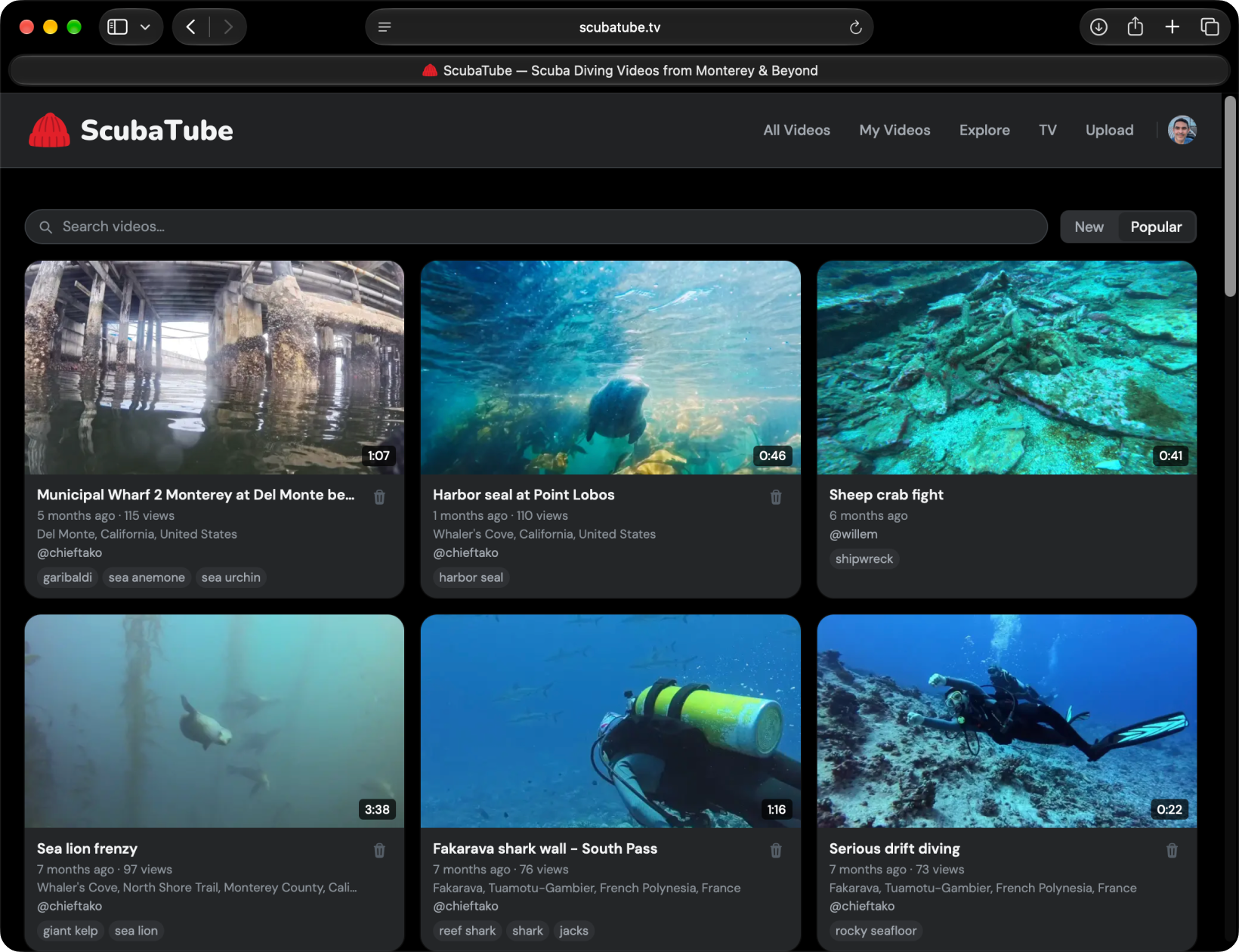
The democratization of software development achieved a significant milestone with the launch of ScubaTube, a specialized video-sharing platform created entirely for scuba diving enthusiasts. For years, the project remained dormant, trapped in the realm of casual coffee-shop ideation between a former product team leader and software developer friends. However, the convergence of modern AI coding agents, specifically Claude Code, and robust media infrastructure platforms like Mux allowed a non-practicing developer to single-handedly architect, code, and deploy a fully functional video streaming network in approximately one month.
This development highlights a broader technological shift in the software industry. Where previous technological eras required substantial capital expenditure and specialized engineering teams to build custom video applications, modern AI-assisted development stacks enable domain experts to translate their specific industry requirements directly into functional code. The creation of ScubaTube offers a compelling case study in the capabilities and limitations of "agent-driven development," shedding light on how solo creators are leveraging artificial intelligence to build sophisticated niche platforms.
The Genesis and Technical Evolution of ScubaTube
The conceptual foundation of ScubaTube was straightforward: provide an alternative to mainstream aggregators like YouTube and Meta platforms for underwater video creators. Standard social video platforms often fail to capture the nuanced metadata required by niche sports communities. For scuba divers, a video without context—such as exact GPS coordinates of a dive site, water temperature, maximum depth, and environmental visibility—lacks essential utility. Furthermore, mainstream platforms frequently retain proprietary control over uploaded assets, making content portability difficult and exposing creators to algorithmic volatility.
The project’s technical execution began in earnest approximately eighteen months prior to its public rollout. Initial attempts relied on early iterations of general-purpose large language models, involving manual copy-pasting of generated code snippets. Because specialized coding agents had not yet matured, the development process was fragmented and inefficient.
The turning point occurred when the creator adopted Claude Code, a specialized terminal-based AI coding assistant. Operating primarily as a product manager and editor rather than a traditional coder, the founder set the system architecture, established UI/UX parameters, and systematically resolved bugs through iterative prompting. Over the course of a single month, involving roughly 200 distinct code commits, the application transformed from a concept into a production-ready web platform built on Next.js, Tailwind CSS, and Vercel hosting.
The Modern AI-Assisted Video App Stack
Building a scalable video application traditionally demands deep expertise in video encoding pipelines, adaptive bitrate streaming, storage management, and global content delivery networks (CDNs). Underwater footage poses unique engineering challenges due to low-light conditions, heavy particulate suspension, constant motion, and predominant blue-green color casts that easily break inferior encoders.
To overcome these hurdles, ScubaTube integrated a curated stack of modern developer tools that offer generous free tiers for hobbyist projects:
- Mux: Utilized for video encoding, streaming delivery, and analytics, providing robust just-in-time transcoding and advanced AI media processing workflows.
- Next.js and Vercel: Serving as the foundational web framework and hosting infrastructure, ensuring fast page load times and server-side rendering capabilities.
- Video.js v10: An open-source HTML5 video player that enabled advanced features like custom overlays, seamless gapless playback, and deep framework integration.
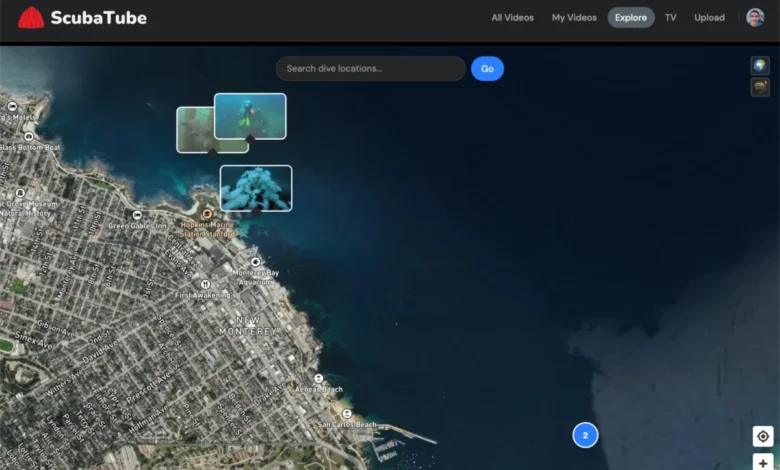
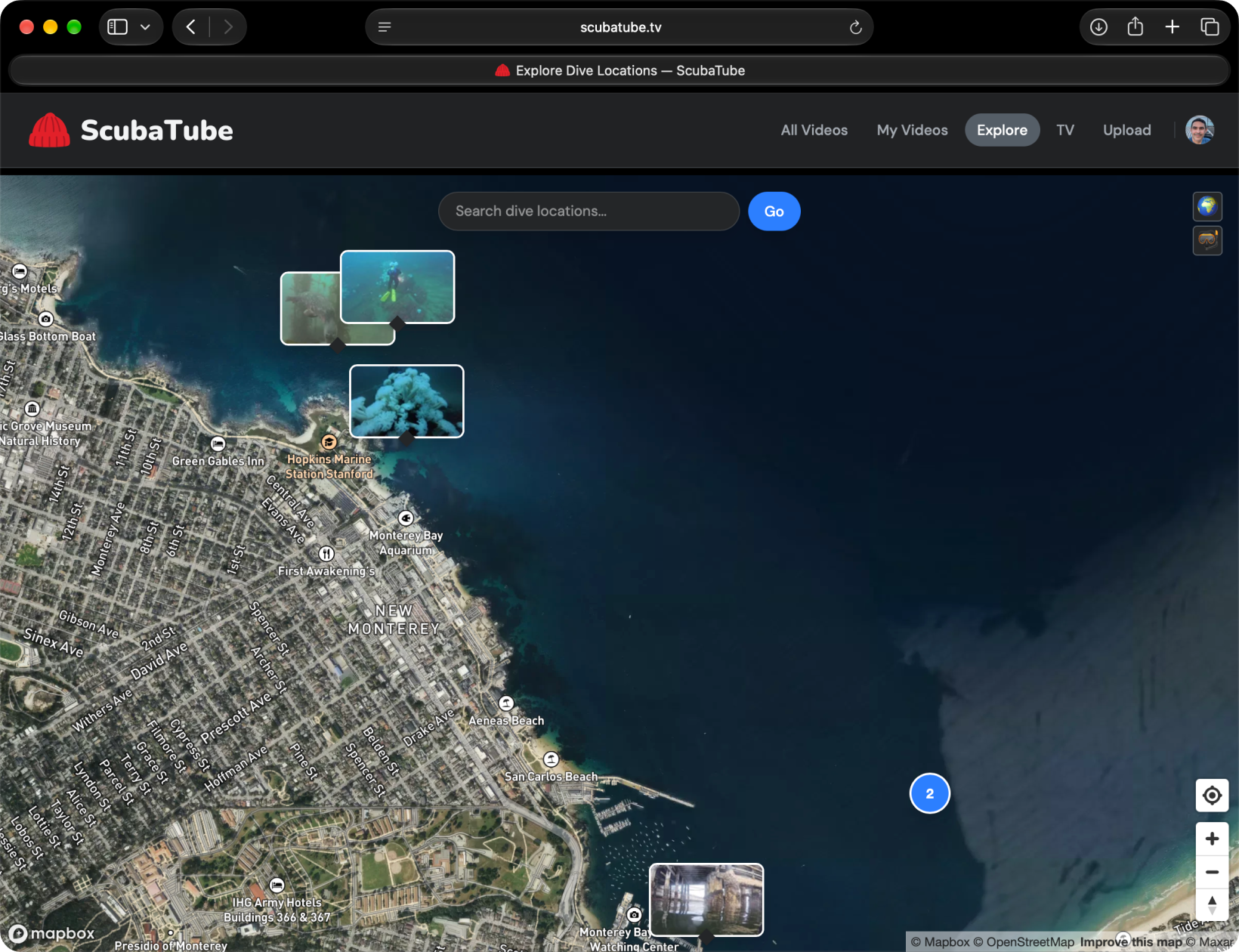
- Mapbox: Integrated to provide interactive satellite mapping of global coastlines, allowing users to pin video assets directly to specific underwater dive sites.
- Resend: Employed for automated transactional notifications, confirming video processing milestones for uploaders.
This modular architecture demonstrates how API-first infrastructure services cater effectively to AI agents. Because platforms like Mux maintain extensive documentation and standardized API endpoints, AI coding assistants can easily ingest, understand, and implement complex video streaming logic without manual developer intervention.
Overcoming Early Hurdles and the Reality of AI Coding
Despite the speed enabled by AI assistance, the development process was not without friction. Industry commentators often use colloquialisms like "vibe coding" to describe AI-generated software creation, implying that functional applications materialize through haphazard luck. However, ScubaTube’s development history emphasizes that taste, intentionality, and rigorous product direction remain indispensable.
The project required numerous iterative cycles to achieve stability. Early iterations of the video clip trimmer suffered from clunky user experience and unreliable execution, prompting the creator to completely scrap the initial build and rewrite the feature from scratch months later. Similarly, technical challenges arose with logo scaling, webhook duplication in the AI tagging pipeline, and initial rendering crashes within the Mapbox globe component.
A notable oversight occurred in the realm of search engine optimization (SEO). While initial configurations—such as clean URL slugs, structured robots.txt files, sitemaps, and VideoObject JSON-LD metadata—appeared correct during early setups, a subsequent comprehensive audit six months later revealed multiple underlying issues. These included duplicate page indexing, dead-slug 404 errors, slow Time to First Byte (TTFB) metrics, and Open Graph image regressions. This finding underscores a primary risk of AI-assisted development: generated code often appears syntactically correct and aesthetically pleasing on the surface, but requires rigorous, real-world validation to ensure long-term reliability.
Advanced Features Powered by Modern Video Infrastructure
The integration of cutting-edge media capabilities allowed ScubaTube to implement sophisticated features typically reserved for enterprise-grade streaming platforms.
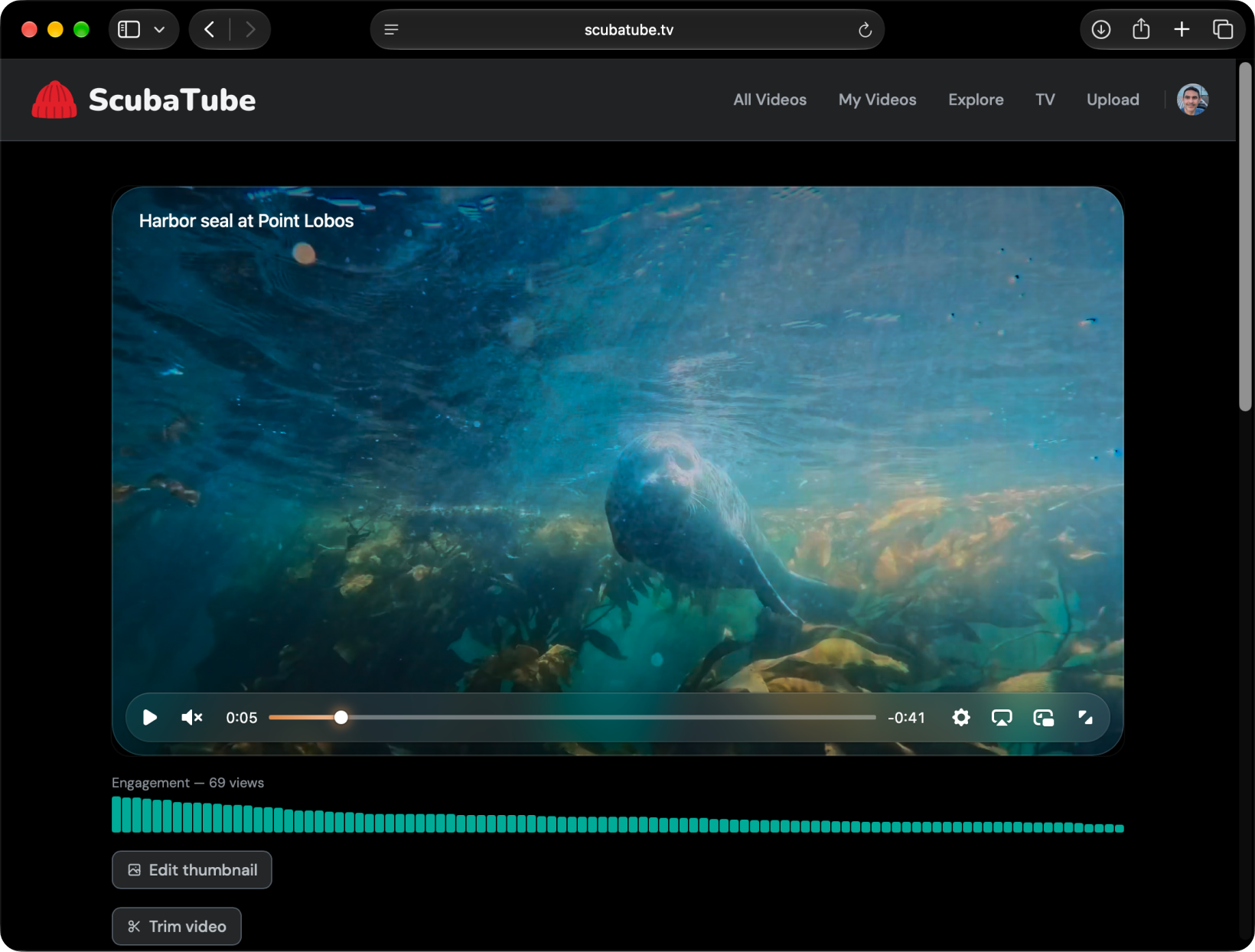
Chief among these is the integration of dive computer data via an interactive overlay. By utilizing Universal Dive Data Format (UDDF) exports from popular dive logging applications and modernizing playback through Video.js v10, the platform overlays real-time metrics—such as depth, breathing gas status, and water temperature—directly onto the video player. This data is rendered dynamically via client-side overlays rather than being permanently burned into the underlying MP4 asset, preserving file flexibility.
Additionally, the platform incorporates Mux Data analytics, giving uploaders direct visibility into viewer engagement and drop-off rates derived from per-view completion metrics. Mux Robots, a suite of hosted artificial intelligence workflows, automates tasks such as thumbnail generation, scene detection, and automated content structuring.
To address the viewing preferences of community members, the platform introduced a specialized "TV mode" designed for connected living room displays, Apple AirPlay, and casting devices. By maintaining two stacked video players simultaneously and preloading the subsequent clip in a shuffled queue, the application achieves gapless, crossfaded playback without loading spinners or black screen flashes between distinct dive videos.
Broader Implications for Software Development and Niche SaaS
The successful deployment of ScubaTube on modest financial resources and minimal engineering hours reflects a broader economic transformation in software creation. Historically, launching digital commerce or media platforms required substantial initial capital for physical server infrastructure and engineering salaries. Over subsequent decades, this barrier to entry dropped significantly through open-source software stacks (such as LAMP) and turnkey e-commerce platforms like Shopify.
The current wave of specialized AI coding assistants represents the next phase of this deflationary trend in software production costs. By lowering technical barriers for domain experts—such as product managers, marine conservationists, and adventure sports enthusiasts—AI agents empower individuals to build bespoke digital tools tailored to specific vertical markets.
Looking forward, the creator intends to expand ScubaTube’s moderation capabilities using automated AI workflows and foster deeper collaboration with conservation organizations, such as the Sunflower Star Lab and the Giant Kelp Restoration Project. Furthermore, the development experience has provided valuable conceptual frameworks for future platform improvements, including multimodal search capabilities and AI-generated visual captions derived from silent video frames rather than spoken dialogue.
As coding agents continue to evolve, platforms like ScubaTube demonstrate that the primary constraint in software creation is shifting away from technical coding proficiency and toward human creativity, domain expertise, and editorial vision.
Related posts: