The digital marketing and search engine optimization communities have been rocked by a sophisticated cyber incident involving DebugBear, a widely utilized Real User Monitoring (RUM) and Core Web Vitals performance optimization tool. Hackers successfully compromised the infrastructure of the third-party service provider by hijacking its Domain Name System (DNS) records through its domain registrar. This unauthorized access enabled threat actors to inject and serve malicious JavaScript payloads directly to websites that embedded the platform’s performance-tracking scripts.
In response to the active security breach, DebugBear leadership urgently instructed all affected website owners and administrators to immediately strip its monitoring scripts from their web properties. Furthermore, security experts are advising cross-functional technical teams—spanning SEO, web development, and cybersecurity—to conduct extensive audits of their digital assets. Organizations must verify whether unauthorized administrative actions, database modifications, or data exfiltrations occurred while the compromised script was actively executing in users’ browsers.
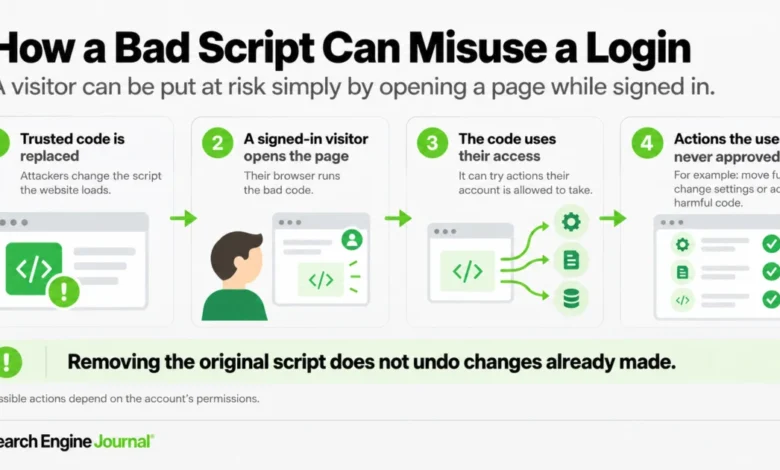
The implications of this supply chain attack extend far beyond standard performance tracking. Because third-party scripts often operate with elevated permissions or leverage the active sessions of authenticated visitors, the breach demonstrated a severe vector for targeted exploit delivery. As forensic investigators piece together the timeline of the attack, the incident serves as a stark reminder of the inherent vulnerabilities associated with modern website architectures that rely heavily on external vendor scripts.
Anatomy of the Attack: DNS Hijacking and Vector Exploitation
The security breach came to light after cybersecurity researchers and platform monitoring systems detected anomalous code payloads serving from DebugBear’s designated script delivery URLs. Unlike vulnerabilities originating from internal server-side codebases or database injections, this attack utilized a domain registrar compromise. By gaining unauthorized control over DebugBear’s DNS configuration, the malicious actors were able to reroute or manipulate endpoints without needing direct access to DebugBear’s internal application servers.
Initial forensic findings released by DebugBear indicated that the domain-level intrusion targeted specific high-value endpoints. While the company stated that its internal systems and primary databases were not directly breached during the initial phase of the DNS takeover, the external impact was immediate and severe. By altering the DNS records, the attackers ensured that any browser requesting the legitimate DebugBear performance-tracking script instead received a modified, malicious payload designed to execute arbitrary instructions within the context of the host website.
This method of attack highlights the terrifying efficiency of supply chain compromises. Website owners implicitly trust third-party vendors whose scripts are embedded within <script> tags across thousands of pages. When a vendor’s delivery mechanism is subverted, the host website effectively becomes an unwitting accomplice, distributing malicious code to every visitor who loads the page.
The Polymarket Incident: High-Stakes Financial Exploitation
The gravity of the DebugBear DNS hijacking was sharply underscored when cybersecurity firm Hudson Rock published an analysis revealing that the malicious script had been integrated into Polymarket, a prominent prediction market and trading platform. On October 29, visitors to Polymarket who had active browser sessions encountered the compromised script, which had been tailored to target the platform’s specific trading infrastructure.

According to Polymarket’s subsequent incident response disclosures, the malicious payload was engineered to interact with logged-in user profiles. Rather than relying on traditional credential-harvesting techniques like phishing or keylogging—which require users to input passwords—the script leveraged the existing authentication state of the browser. In essence, the malicious code utilized the session tokens and permissions already granted to the user, executing automated trades that liquidated positions and drained funds from victim accounts without requiring explicit password entry.
This tactical execution exemplifies a dangerous evolution in client-side cyberattacks. Cross-Site Scripting (XSS) and compromised third-party dependencies allow threat actors to bypass perimeter defenses by operating entirely within the legitimate trust boundary established between the user and the web application. Polymarket responded swiftly by halting exchange operations and issuing comprehensive status reports, while security analysts immediately began scanning other high-profile platforms that utilized the DebugBear RUM service to determine the full scope of the compromise.
Chronology of the Security Incident
Understanding the sequence of events is crucial for affected organizations attempting to reconstruct their exposure window. While investigations remain ongoing, the public timeline outlines a rapidly unfolding crisis:
- October 29: Cybersecurity firm Hudson Rock detects malicious JavaScript code serving from a DebugBear script URL actively embedded on Polymarket. Polymarket reports sudden platform anomalies, leading to an international exchange outage and a temporary halt in trading activities.
- October 30: DebugBear publishes its initial official security update via professional networking and social media channels. The company confirms that attackers compromised its DNS records through its domain registrar, impacting specific customer integrations. DebugBear concurrently reports that email services tied to its domain have been disrupted.
- October 30 (Later): Polymarket releases a detailed incident report confirming that the third-party script exploit successfully moved funds and sold positions from user wallets by abusing existing browser authentication states. DebugBear issues urgent advisories instructing all customers to remove its Core Web Vitals monitoring script immediately.
- Ongoing (Late October to Present): DebugBear works alongside cybersecurity specialists to secure its domain registrar accounts, restore DNS integrity, and investigate the exact vector utilized by the threat actors to breach registrar controls. Concurrently, webmasters and security teams worldwide race to purge the legacy script and audit their backend logs for unauthorized changes.
Immediate Action Items for Website Owners and SEO Teams
For organizations that utilized DebugBear for Real User Monitoring, swift and methodical remediation is vital. Simply deleting the script tag prevents future malicious payloads from executing in visitors’ browsers, but it does nothing to rectify unauthorized changes that may have already occurred. Technology leadership and SEO directors should mandate the following checklist:
- Purge the Script Immediately: Locate all instances of the DebugBear tracking script across your content management systems (CMS), tag management platforms (such as Google Tag Manager), and hardcoded template files. Remove the code completely to stop any potential ongoing delivery.
- Audit User Accounts and Access Logs: Check server logs, database activity records, and administrative dashboards for any unauthorized access, privilege escalations, or suspicious configuration changes that occurred during the window the script was active on your site.
- Review Third-Party Vendor Policies: Implement strict Content Security Policies (CSPs) that restrict where scripts can be loaded from and what domains they can communicate with. Relying on Subresource Integrity (SRI) hashes can also prevent browsers from executing scripts that have been altered externally, though dynamic scripts often challenge this approach.
- Communicate with Stakeholders: If customer-facing accounts, internal databases, or sensitive data repositories were exposed to the execution environment, notify legal, compliance, and user support teams to prepare for potential disclosures or user remediation.
Broader Industry Implications: The Fragility of Third-Party Dependencies
The DebugBear incident joins a growing list of high-profile supply chain attacks that have rattled the digital ecosystem over recent years. From compromised npm packages and malicious WordPress plugin updates to hijacked DNS records of trusted performance tools, modern web development relies on an intricate web of interconnected services.
For SEO and web performance professionals, tools like DebugBear are indispensable. Measuring Core Web Vitals—Largest Contentful Paint (LCP), Interaction to Next Paint (INP), and Cumulative Layout Shift (CLS)—is critical for maintaining search visibility and user experience standards set by search engines like Google. However, the integration of these tools often requires granting third-party scripts deep access to page DOMs and user execution contexts.
This structural vulnerability forces a cultural shift within enterprise technology teams. Security can no longer be treated as an isolated domain managed solely by IT infrastructure personnel. SEO specialists, content managers, and marketing technologists must maintain vigilant oversight of every piece of third-party code injected into a website. As threat actors increasingly target marketing and analytics infrastructure as vectors for high-value financial exploitation, rigorous vetting, continuous monitoring, and zero-trust principles must govern how external scripts are evaluated and deployed across the web.