Google Ads Unveils Video Campaign Groups to Streamline YouTube Reach and Frequency Optimization

Google Ads is introducing a significant enhancement for advertisers managing YouTube video campaigns with the global rollout of Video Campaign Groups. This new feature empowers marketers to consolidate multiple video campaigns under a unified reach or frequency objective, offering a more cohesive approach to audience exposure and campaign delivery. Previously, managing reach and frequency across disparate campaigns required meticulous manual oversight, a process prone to inefficiencies and potential over or under-exposure of target audiences. The introduction of campaign groups aims to alleviate these challenges by centralizing optimization and reporting, thereby improving media efficiency and simplifying campaign management for advertisers.
The core functionality of Video Campaign Groups allows advertisers to bundle several video campaigns that share a common reach or frequency goal. While these campaigns operate under a singular overarching objective, they retain their individual campaign-level controls. This means advertisers can continue to manage distinct budgets, utilize varied creative assets, and configure specific targeting parameters for each campaign within the group. This dual approach of unified objective with granular control is designed to offer both strategic oversight and tactical flexibility.
Centralized Optimization and Reporting
A key benefit highlighted by Google is the streamlined management experience. Historically, advertisers had to painstakingly monitor each video campaign individually to ensure they were hitting their desired reach and frequency targets without saturating the audience or failing to make a sufficient impact. Video Campaign Groups introduce unified reporting that aggregates key metrics across all campaigns within a group. This provides a holistic view of performance against the shared objective, enabling advertisers to make more informed decisions and adjustments. Metrics that will be available in this unified reporting include:
- Reach: The total number of unique users who saw the campaign at least once.
- Frequency: The average number of times a unique user was exposed to the campaign.
- Impressions: The total number of times the campaign creative was displayed.
- Spend: The total budget consumed by the campaigns within the group.
- Cost Per Unique User: The cost incurred to reach one unique individual.
- Cost Per Mille (CPM): The cost for one thousand impressions.
This consolidated view is expected to significantly reduce the time and effort required for campaign analysis and optimization, allowing marketing teams to focus on strategic planning and creative development rather than routine performance monitoring.
The Strategic Imperative of Reach and Frequency
The concept of reach and frequency is fundamental to advertising effectiveness, particularly in the crowded digital landscape of platforms like YouTube. Reach ensures that an advertisement is seen by a broad enough segment of the target audience to make an impact. Frequency, on the other hand, addresses how many times an individual within that audience needs to see the advertisement for it to be memorable, persuasive, and ultimately drive action.
Historically, striking the right balance between reach and frequency has been a complex challenge. Too little frequency, and the message might be missed or forgotten. Too much frequency, and viewers can become desensitized, experience ad fatigue, and develop negative perceptions of the brand, leading to wasted ad spend and diminished campaign effectiveness.
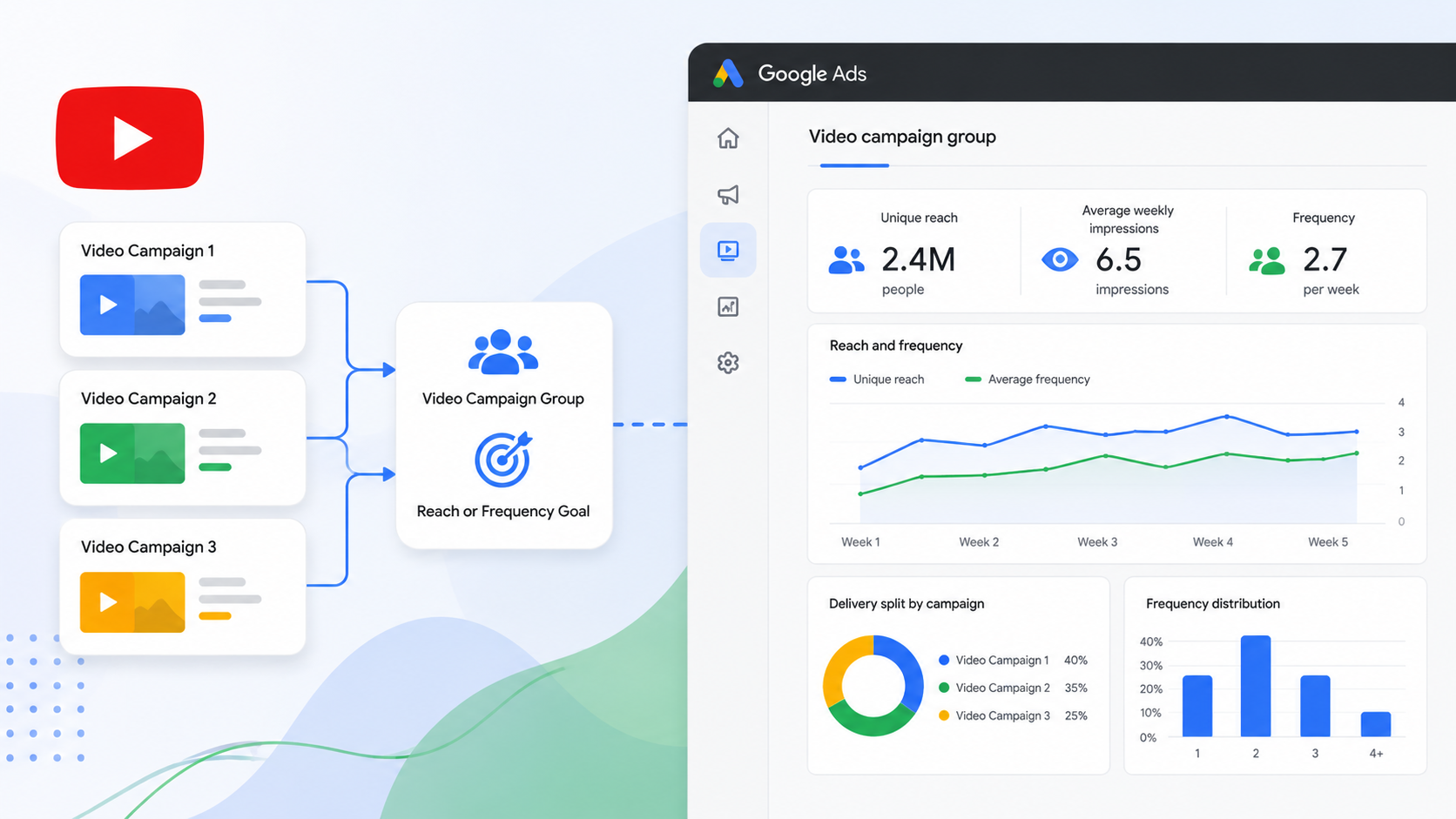
Google’s own research, including a Meridian marketing mix modeling (MMM) study, underscores the importance of finding this optimal balance. The study reportedly found that an optimal frequency of 2.7 impressions per week was associated with a significant 19% increase in Return on Investment (ROI). This data point serves as a compelling argument for the necessity of precise control over frequency, a capability that Video Campaign Groups aim to enhance.
Simplifying Campaign Management for Enhanced Audience Impact
The introduction of Video Campaign Groups is poised to transform how advertisers approach large-scale awareness campaigns on YouTube. By enabling the coordination of delivery across multiple video campaigns toward a shared reach or frequency goal, the feature directly addresses the inherent complexities of managing these objectives.
The traditional method of managing reach and frequency often involved a campaign-by-campaign approach. This meant advertisers had to forecast reach and frequency across individual campaigns, adjust bids and budgets iteratively, and constantly monitor performance to identify and rectify any overlaps or gaps. This manual process was not only time-consuming but also susceptible to human error, especially for campaigns involving a large number of ad sets or creative variations.
With Video Campaign Groups, advertisers can now set a unified target for their desired audience exposure. For instance, a brand aiming to reach 5 million unique users with an average frequency of 3 times per week can now group all relevant video campaigns under this single objective. Google Ads will then work to optimize the delivery of ads across these grouped campaigns to achieve the specified reach and frequency targets, while still respecting the individual budgets and creative settings of each constituent campaign.
This not only simplifies the operational burden but also promises to improve media efficiency. By avoiding unnecessary overlap between campaigns and ensuring that impressions are delivered to unique individuals within the target audience as efficiently as possible, brands can potentially maximize their unique reach and reduce wasted impressions. This is particularly valuable for brands that run extensive video advertising programs, aiming for broad market penetration and sustained brand recall.
A Timeline of Evolution in Ad Platform Capabilities
The rollout of Video Campaign Groups is part of a broader trend observed in digital advertising platforms, including Google Ads, to provide more sophisticated tools for campaign management and optimization. This evolution reflects a growing demand from advertisers for greater control, improved efficiency, and more transparent reporting, especially as advertising budgets continue to shift towards video content.
While the exact initial development timeline is not publicly detailed, the announcement signifies a strategic investment by Google in enhancing its video advertising capabilities. The feature’s availability "globally in Google Ads" indicates a phased rollout, likely starting with a beta period before becoming universally accessible. The fact that it was "first spotted" by Paid Search Expert Arpan Banerjee, who shared a screenshot, suggests an organic discovery by the user community, which often precedes official announcements or confirms their wider accessibility.
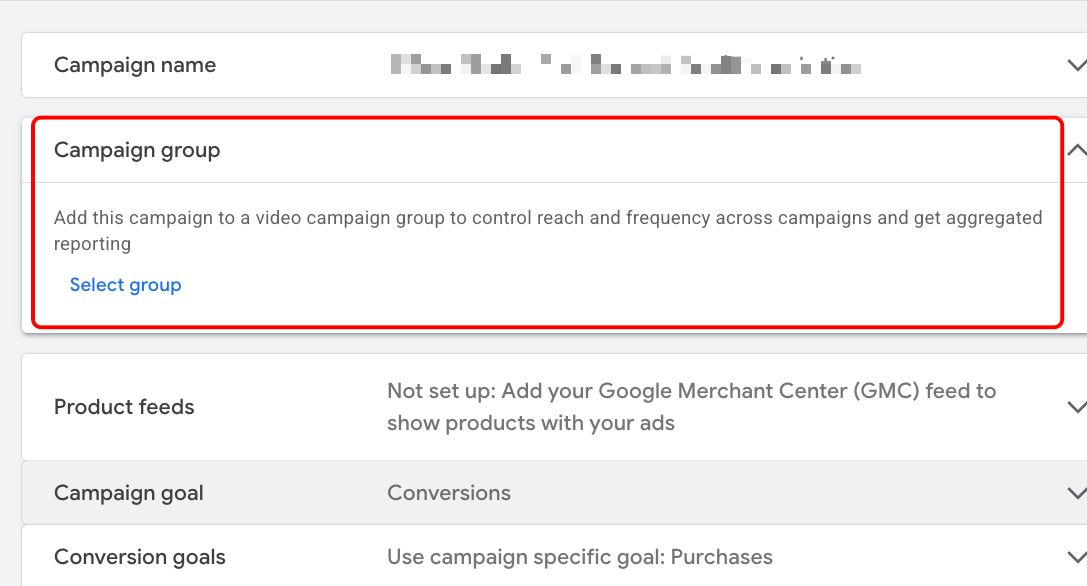
Looking ahead, Google has confirmed that this functionality will extend beyond Google Ads. The company plans to introduce similar capabilities for Video 360 (DV360), a demand-side platform (DSP) for programmatic advertising. This expansion will allow advertisers to coordinate reach and frequency across multiple YouTube line items within DV360, offering a consistent and powerful optimization framework for both direct-buy and programmatic video campaigns. This suggests a strategic alignment of features across Google’s advertising suite, aiming to provide a unified experience for advertisers regardless of their preferred buying method.
Data-Driven Insights and Broader Implications
The reliance on data, such as the Meridian MMM study, to justify the importance of reach and frequency optimization is a recurring theme in Google’s communication about its advertising products. Such studies provide empirical evidence for the effectiveness of specific strategies, reinforcing the value proposition of new features. The finding that an optimal frequency of 2.7 impressions per week can yield a 19% ROI increase highlights the granular level at which campaign performance can be impacted by careful frequency management.
The implications of Video Campaign Groups extend beyond mere operational convenience. They empower advertisers to execute more sophisticated audience strategies. Instead of focusing on the minutiae of individual campaign settings, marketers can elevate their focus to the broader audience journey and brand messaging. This allows for a more strategic allocation of resources, ensuring that the right message reaches the right person at the right frequency to achieve desired outcomes, whether that be brand awareness, consideration, or conversion.
Furthermore, the trend of Google investing in cross-campaign optimization tools, which automate media planning decisions while retaining campaign-level flexibility, is a significant indicator of the future direction of digital advertising. These tools aim to bridge the gap between automated efficiency and the advertiser’s need for strategic control. By enabling coordination across campaigns, Google is empowering advertisers to concentrate more on their overall audience strategy rather than getting bogged down in the manual task of balancing frequency across numerous individual campaigns.
A Unified Approach for YouTube Video Advertising
In conclusion, the introduction of Video Campaign Groups represents a significant advancement in how advertisers can manage and optimize their YouTube video advertising efforts. By providing a centralized platform for coordinating reach and frequency across multiple campaigns, Google Ads is equipping marketers with a powerful tool to enhance media efficiency, simplify campaign management, and gain clearer reporting insights. This feature is not just about making things easier; it’s about enabling more strategic and effective advertising that drives tangible results by ensuring that campaign messages resonate with the target audience without causing fatigue or inefficiency. The impending expansion to Display & Video 360 further solidifies Google’s commitment to offering unified optimization solutions across its advertising ecosystem, promising a more integrated and potent future for video advertising on YouTube.