FDA Reverses Initial Cyclospora Finding in Taylor Farms Lettuce, But Outbreak Investigation Intensifies Across Five States.

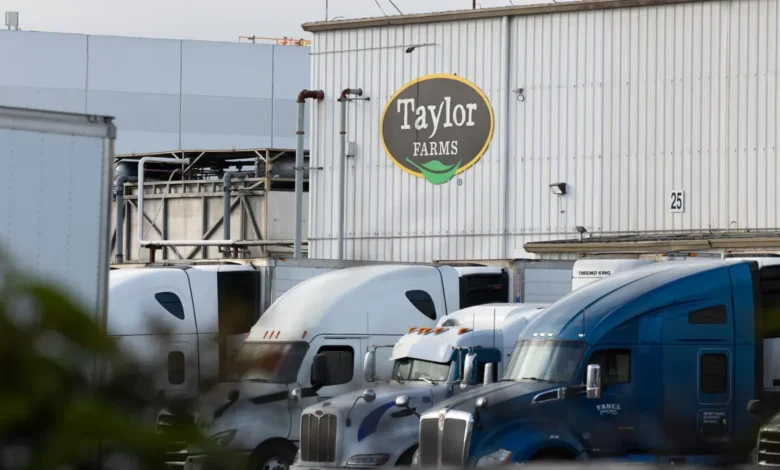
The U.S. Food and Drug Administration (FDA) announced on Sunday, July 20, 2026, a significant reversal in its investigation into an ongoing multi-state cyclosporiasis outbreak, stating that a previous finding of the Cyclospora parasite in lettuce from Taylor Farms de Mexico was, in fact, a "false positive." Despite this retraction, the prominent produce supplier, which serves major retailers like Walmart and food service giants such as Taco Bell, remains a central focus of the federal agency’s expansive inquiry into over 1,600 reported cases of the foodborne illness across Indiana, Kentucky, Michigan, Ohio, and West Virginia. This development introduces a new layer of complexity to an already challenging public health crisis, highlighting the intricate nature of pathogen detection and the pressures inherent in large-scale food safety investigations.
Unpacking Cyclosporiasis: A Persistent Foodborne Threat
Cyclosporiasis is an intestinal illness caused by the microscopic parasite Cyclospora cayetanensis. Unlike many common foodborne bacteria that can cause rapid onset symptoms, Cyclospora infections typically manifest with severe watery diarrhea, often accompanied by other gastrointestinal symptoms such as loss of appetite, weight loss, abdominal cramps, bloating, increased gas, nausea, and fatigue. Vomiting and low-grade fever are less common. The incubation period can range from one week to several weeks after consuming contaminated food or water, making it particularly challenging to pinpoint the exact source of an outbreak. If left untreated, symptoms can persist for weeks or even months, often recurring in cycles. Treatment typically involves specific antibiotics like trimethoprim-sulfamethoxazole.
The parasite is transmitted through the fecal-oral route, meaning that individuals become infected by ingesting food or water contaminated with Cyclospora oocysts (the infective stage of the parasite) that have been passed in the feces of an infected person or animal. Crucially, Cyclospora is not immediately infectious when shed; the oocysts require a maturation period outside the host, usually days to weeks, before they can cause infection. This characteristic means that direct person-to-person transmission is unlikely. Outbreaks in the United States have frequently been linked to the consumption of fresh produce, particularly berries, cilantro, basil, and various types of leafy greens, often imported from regions where sanitation practices or agricultural water quality may be compromised. The resilience of the oocysts to common disinfection methods, such as chlorine, further complicates control efforts in food processing environments. The complexity in detecting Cyclospora in food samples, as underscored by the FDA’s recent "false positive," stems from the parasite’s low shedding rates, heterogeneous distribution in food matrices, and the need for highly sensitive and specific molecular methods (like PCR) to confirm its presence. Even with advanced techniques, interpreting results can be challenging, as non-specific amplification or residual DNA can sometimes lead to ambiguous findings.
A Chronology of the Outbreak and Agency Actions
The current cyclosporiasis outbreak began to register on public health radars in late June and early July 2026, as state health departments in the Midwest observed an unusual cluster of gastrointestinal illnesses. Epidemiological investigations quickly pointed towards a common food source. By the second week of July, the FDA had initiated a comprehensive investigation, with early epidemiological data strongly suggesting a link to iceberg lettuce.
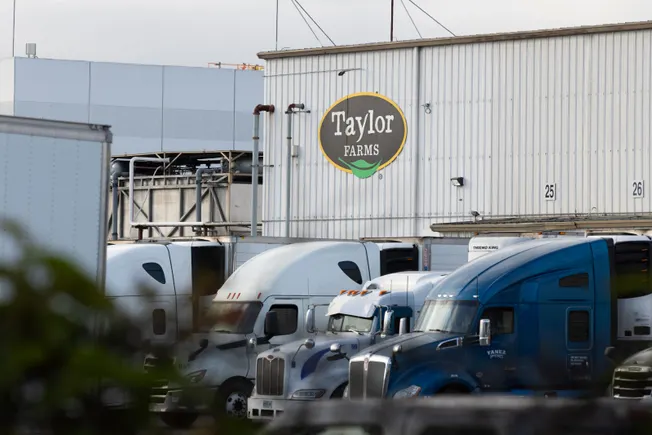
On July 14, 2026, the FDA announced it had traced the implicated iceberg lettuce to a single supplier in Mexico, identified as Taylor Farms de Mexico. This announcement was followed by a preliminary report indicating that a sample of lettuce from this facility had tested positive for Cyclospora cayetanensis. This initial finding provided a critical lead for investigators, seemingly solidifying the connection between the supplier and the widespread illnesses.
In response to the escalating public health concern and the FDA’s initial findings, Taco Bell, a major fast-food chain, announced on Friday, July 18, 2026, that it had taken immediate precautionary measures. The company stated it had removed all lettuce supplied by Taylor Farms from its U.S. restaurants and entire supply chain, emphasizing its commitment to customer safety. This swift action highlighted the severity of the situation and the immediate impact on large-scale food service operations.
However, the investigative narrative took a sharp turn on Sunday, July 20, 2026. The FDA released an updated statement clarifying that after re-review by its laboratory experts, the initial positive finding for Cyclospora in the Taylor Farms de Mexico lettuce sample was erroneous. The agency elaborated, "Due to the complexity in detection of Cyclospora, FDA laboratory experts re-reviewed the sample results and have concluded that the finding does not represent true amplification and should be considered a false positive." This retraction, while aimed at scientific accuracy and transparency, inevitably raised questions about the reliability of initial testing protocols and the communication of such critical public health information.
Following the FDA’s updated guidance and the ongoing investigation, Taylor Farms, the parent company, on Monday, July 21, 2026, proactively announced a voluntary recall of all iceberg lettuce grown in central Mexico. The company further committed to ceasing all sourcing from this specific region for the remainder of the growing season. The recalled items included private-label shredded lettuce and iceberg salad packs distributed to various retailers, notably Walmart. Taylor Farms clarified that no products under the direct "Taylor Farms" brand were involved in this recall, aiming to differentiate its core branded offerings from the private-label items. This broad recall and change in sourcing strategy underscore the company’s efforts to mitigate risk and restore confidence, irrespective of the "false positive" test result, acknowledging the strong epidemiological link that persists.
The Role of Taylor Farms de Mexico in the Global Produce Supply Chain
Taylor Farms is a behemoth in the fresh produce industry, renowned for being one of the largest suppliers of fresh-cut fruits and vegetables in North America. Its extensive operations include growing, processing, and distributing a vast array of produce to retail, foodservice, and wholesale customers across the continent. Taylor Farms de Mexico, a key component of this global network, plays a crucial role in supplying fresh produce to the U.S. market, particularly during specific growing seasons when Mexican agriculture complements domestic production. The sheer scale of its operations means that any disruption or contamination event has far-reaching implications across the supply chain.
The reliance of major retailers like Walmart and fast-food chains like Taco Bell on suppliers such as Taylor Farms de Mexico illustrates the interconnectedness and efficiency of modern food supply chains. These relationships are built on trust, quality assurance, and the ability to consistently deliver high volumes of produce. However, this efficiency also presents vulnerabilities; a problem at a single sourcing point can rapidly cascade through numerous downstream businesses and affect countless consumers. The incident highlights the critical importance of robust supplier verification programs, stringent food safety audits, and clear lines of communication between all entities in the supply chain, from farm to fork. The economic impact on Mexican agriculture, which is a significant exporter of fresh produce to the U.S., also warrants consideration. Incidents like these can lead to increased import scrutiny, potentially affecting numerous growers and agricultural communities beyond the immediate supplier.
Broader Implications for the Food Industry and Supply Chain
The current Cyclospora outbreak and the FDA’s "false positive" reversal carry significant implications for the broader food industry and supply chain management. For food service providers like Taco Bell, the incident necessitates immediate and decisive action. Removing a core ingredient like lettuce from thousands of restaurants is a logistical challenge, incurring costs related to product disposal, finding alternative suppliers, and potential revenue loss due to menu adjustments or reduced customer traffic. For retailers like Walmart, carrying private-label products implicated in a recall can damage brand reputation and consumer trust, despite not being the direct producer. The incident will undoubtedly prompt a review of their supplier vetting processes and contingency plans for such emergencies.

Beyond the immediate operational disruptions, the episode underscores the ongoing challenge of ensuring food safety in a complex global supply chain. The industry faces constant pressure to deliver fresh, affordable produce year-round, often relying on international sourcing. This dependence means that food safety risks in one region can quickly become a public health issue globally. The increased scrutiny on produce imported from Mexico, or any region linked to an outbreak, can lead to stricter import controls, more frequent testing, and potentially higher costs for producers and consumers alike. Furthermore, the incident serves as a stark reminder of the importance of traceability systems. The ability to rapidly identify the source of contamination, isolate affected products, and communicate effectively with consumers and partners is paramount. Companies are increasingly investing in blockchain and other digital technologies to enhance transparency and speed in their supply chains, aiming to minimize the impact of future food safety incidents.
Navigating Scientific Complexity and Public Trust
The FDA’s retraction of a preliminary positive test result for Cyclospora in the Taylor Farms lettuce sample presents a nuanced challenge regarding scientific accuracy and public trust. While the agency’s transparency in correcting its finding is commendable, it inevitably creates confusion and can erode public confidence, especially when initial reports directly linked a specific product to widespread illness. This situation highlights the inherent difficulties in foodborne pathogen detection. Cyclospora is notoriously hard to culture in a lab, and its detection relies heavily on molecular methods that, while highly sensitive, can sometimes yield ambiguous results, particularly with environmental or food samples where the pathogen load might be low or inhibited by other substances.
The FDA’s decision to re-review and declare a "false positive" demonstrates a commitment to scientific rigor, prioritizing accurate findings over initial rapid announcements. However, it also emphasizes the delicate balance between acting swiftly in a public health emergency and ensuring absolute certainty in scientific conclusions. Agencies like the FDA operate under immense pressure to identify sources quickly to prevent further illness, yet hasty pronouncements can have significant economic and reputational consequences for implicated businesses. Moving forward, this event may lead to discussions within the FDA and other public health bodies about refining protocols for communicating preliminary findings, especially when dealing with complex pathogens, and ensuring robust verification processes are in place before definitive statements are made. The goal must be to maintain public confidence in the scientific process and the regulatory bodies tasked with safeguarding public health, even when that process involves corrections and clarifications.
Industry Responses and Future Safeguards
In the wake of the FDA’s update and the ongoing epidemiological link, Taylor Farms’ decision to voluntarily recall all iceberg lettuce grown in central Mexico and halt sourcing from the region for the season demonstrates a proactive approach to risk management. This action, despite the "false positive" for their specific sample, acknowledges the broader epidemiological evidence pointing to Mexican-sourced lettuce and aims to restore consumer and partner confidence. Such measures, while costly, are critical for preserving long-term brand integrity and demonstrating corporate responsibility.
The incident is expected to spur further investments and enhancements in food safety protocols across the fresh produce industry. This includes strengthening Good Agricultural Practices (GAPs) at the farm level, focusing on water quality, worker hygiene, and manure management, which are critical in preventing Cyclospora contamination. Similarly, Good Manufacturing Practices (GMPs) at processing facilities, covering sanitation, cross-contamination prevention, and environmental monitoring, will likely be reviewed and reinforced. Furthermore, there will be an increased emphasis on robust supplier verification programs, demanding greater transparency and adherence to international food safety standards from growers and processors, especially those in regions known for previous outbreaks. Collaborative efforts between industry stakeholders, academia, and regulatory agencies will be crucial in developing more rapid, accurate, and cost-effective detection methods for Cyclospora and other difficult-to-detect pathogens, ultimately strengthening the resilience of the entire food supply chain against future outbreaks.
Consumer Guidance and Public Health Messaging
For consumers, the evolving narrative of the Cyclospora outbreak and the FDA’s retraction can be confusing. The most important message remains vigilance and adherence to general food safety guidelines. Consumers who purchased private-label shredded lettuce or iceberg salad packs sold at Walmart that originated from central Mexico should check for recall notices and discard or return the product. Although no Taylor Farms-branded products were directly implicated in the recall, the broader advice for all fresh produce is to wash it thoroughly under running water before consumption. While washing may not remove all Cyclospora oocysts, it can reduce the risk of other contaminants.

Individuals experiencing symptoms consistent with cyclosporiasis—particularly severe or prolonged watery diarrhea—should seek medical attention promptly. It is important to inform healthcare providers about any recent consumption of fresh produce, especially lettuce, and travel history, as this information can aid in diagnosis and appropriate treatment. Public health agencies continue to monitor the situation closely, providing updated guidance as the investigation progresses. Trustworthy information sources, such as the FDA and CDC websites, remain the best places for consumers to stay informed about food safety alerts and recommendations.
The Economic and Reputational Fallout
The economic repercussions of a widespread foodborne illness outbreak are substantial and multifaceted. For Taylor Farms, the voluntary recall of a significant portion of its iceberg lettuce supply from central Mexico translates into direct costs from product disposal, logistics of the recall, and potential legal liabilities. Furthermore, the decision to cease sourcing from the region for the remainder of the growing season will lead to lost sales and the need to secure alternative, potentially more expensive, supply channels. Beyond these tangible costs, the damage to Taylor Farms’ brand reputation, even with the FDA’s "false positive" clarification, can be long-lasting, potentially affecting future contracts and market share.
For businesses like Taco Bell and Walmart, the association with the outbreak, even as innocent purchasers or distributors, can lead to a decline in consumer confidence and sales. Implementing immediate changes to their supply chains and internal protocols also incurs significant operational costs. On a broader scale, the incident may negatively impact the perception of fresh produce imported from Mexico, potentially affecting the entire agricultural export sector of the country. The long-term economic fallout often extends to increased insurance premiums for food companies, heightened regulatory oversight, and substantial investments in preventative technologies and practices. Ultimately, foodborne illness outbreaks serve as powerful, albeit costly, reminders of the delicate balance required to maintain a safe, efficient, and trusted global food supply.