DoorDash Inc. to Acquire Instacart in Landmark 17 Billion Dollar Deal Reshaping the Online Grocery Landscape

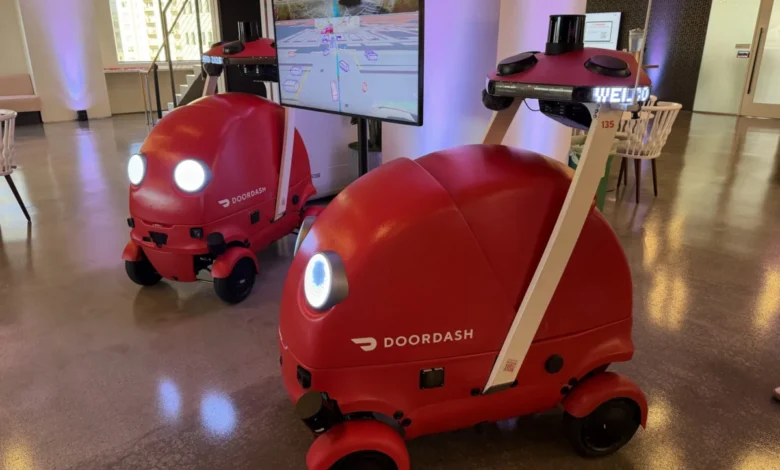
In a move that promises to fundamentally alter the competitive dynamics of the American e-commerce sector, DoorDash Inc. has officially announced a definitive agreement to acquire its primary rival in the last-mile delivery space, Instacart, for approximately $17 billion. This massive consolidation, which remains subject to customary regulatory scrutiny and shareholder approval, marks the most significant merger in the history of the gig-economy-powered retail delivery industry. By integrating the operational expertise of two of the most prominent platforms in the grocery and retail delivery ecosystem, DoorDash aims to create a unified technological powerhouse capable of dominating the increasingly complex digital marketplace.
Strategic Rationale and Market Context
The acquisition is fueled by the inherent difficulty of the online grocery sector, a segment characterized by razor-thin margins and intense logistical requirements. Unlike restaurant delivery, which involves moving a pre-packaged meal from a kitchen to a doorstep, grocery delivery necessitates sophisticated inventory management, precise product substitution protocols, and the temperature-controlled handling of perishables.
Tony Xu, co-founder and CEO of DoorDash, highlighted these challenges as the primary catalyst for the deal. "Grocery is one of the hardest things to get right online," Xu noted in the announcement. He emphasized the nuance involved in the process, such as selecting produce based on ripeness and managing customer expectations regarding substitutions and cold-chain integrity. By absorbing Instacart, DoorDash is effectively acquiring years of institutional knowledge and specialized software that has been refined through over a decade of direct collaboration with thousands of retailers.
The synergy between the two entities is theoretically seamless: DoorDash brings an expansive, high-frequency logistics network and a robust consumer base that relies on local store availability, while Instacart provides a purpose-built infrastructure for inventory management and deep-rooted relationships with both national retail chains and regional grocers. Together, the combined entity will possess the scale necessary to offer retailers of all sizes a comprehensive suite of digital tools, potentially standardizing the online grocery experience for millions of households across the United States.
Chronology and Expected Timeline
The announcement marks the beginning of a complex integration process that is expected to span several years. According to disclosures provided by both companies, the deal is projected to close late in 2027 or within the first half of 2028. This extended timeline reflects the scale of the regulatory hurdles the companies anticipate, particularly regarding antitrust investigations by the Federal Trade Commission (FTC) and the Department of Justice (DOJ).
During this interim period, Instacart will maintain its independent operations, continuing to serve its existing retail partners and consumer base without immediate disruption. Post-acquisition, DoorDash has stated its intent to retain the Instacart brand, recognizing its significant equity and trust within the grocery retail industry. Furthermore, the company plans to integrate Instacart’s enterprise technology products into the broader DoorDash ecosystem, effectively turning the combined organization into a multi-vertical technology provider that services everything from local boutiques to national grocery giants.
Industry Data and Economic Drivers
The urgency of this deal is underscored by the shifting behavior of American consumers. According to data tracked by the industry research firm Brick Meets Click, online grocery sales in the United States have demonstrated remarkable resilience and growth, expanding by more than 20% year-over-year. This growth indicates that the convenience of digital grocery shopping is no longer a pandemic-era anomaly but a permanent fixture of modern retail.
As digital penetration in the grocery sector increases, the share of total grocery spending moving online is reaching new peaks. For DoorDash, the acquisition is an offensive play to capture a larger portion of this "share of wallet." By adding roughly 50,000 new stores to its already expansive network—which currently facilitates access to nearly 100,000 retail locations via Instacart—DoorDash is positioning itself as the de facto infrastructure layer for local commerce. This move allows DoorDash to diversify away from its core business of restaurant delivery, which is increasingly susceptible to market saturation, and move toward the more stable, high-volume grocery segment.
Official Responses and Corporate Strategy
Chris Rogers, CEO of Instacart, framed the acquisition as an evolution of the company’s original mission. "Over the last 14 years, Instacart has transformed online grocery by helping retailers of all sizes compete and grow," Rogers stated. "Joining forces with DoorDash allows us to do even more. When our purpose-built grocery technology and trusted retailer and brand relationships are combined with DoorDash’s global consumer reach and logistics capabilities, we can create new opportunities for our retail and brand partners."
From the perspective of DoorDash’s executive team, the move is rooted in the philosophy that "when more people shop local, more dollars stay local." This messaging is likely intended to appeal to regulators who may be concerned about the concentration of power in the delivery sector. By emphasizing the role of the combined platform in empowering local brick-and-mortar stores to compete against massive e-commerce incumbents, DoorDash is framing the merger as an act of economic preservation for local retailers.
Implications for the Competitive Landscape
The implications of a $17 billion merger are far-reaching. For retailers, the primary concern will be the potential for increased fees and a lack of alternatives. If the primary intermediaries for grocery delivery merge into a single entity, the bargaining power of independent grocers may diminish. However, industry analysts suggest that the merger could also lower the cost of entry for small businesses, as the combined company will likely benefit from massive economies of scale in logistics and last-mile delivery efficiency.
For consumers, the impact may be mixed. While a single platform could streamline the user experience, allowing for a unified app that handles both restaurant meals and weekly grocery hauls, the lack of competition could potentially lead to higher service fees or reduced promotional incentives. Furthermore, the labor model—relying heavily on independent contractors—remains a point of contention for regulators. The combined entity will likely face heightened scrutiny regarding the classification and compensation of its workforce, a subject that has already led to significant litigation across various states.
Looking Toward the Future
The technological integration of the two platforms will likely be the most significant technical undertaking of the merger. DoorDash has invested heavily in its own logistics algorithms, which handle real-time routing and batching of deliveries. Merging these systems with Instacart’s specific grocery-picking and catalog-management software will require a massive engineering effort. Should the integration succeed, it will likely set a new industry standard for delivery speed and accuracy, potentially pushing out smaller, less efficient competitors.
As the companies move toward the 2027/2028 closing window, the business community will be watching closely to see how the market reacts. Competitors like Uber Eats, Amazon (through Whole Foods and Amazon Fresh), and various regional retail delivery services will be forced to re-evaluate their own strategies. Some may seek to form partnerships or consolidate their own operations to avoid being marginalized by the new, dominant market leader.
In summary, the acquisition of Instacart by DoorDash represents a pivot point for the gig economy. It signals that the "everything delivery" model is moving toward a mature, consolidated phase where scale and operational efficiency are the only viable paths to long-term profitability. While the regulatory road ahead is uncertain, the ambition of the deal is clear: to build an all-encompassing digital logistics layer that supports the entire retail economy, from the neighborhood grocery store to the national supermarket chain. Whether this consolidation ultimately serves the best interests of the consumer and the retailer remains to be seen, but the scale of the investment confirms that the battle for the future of grocery delivery has entered a decisive new chapter.
Related posts: