DirecTV to Acquire Dish TV and Sling TV in Landmark $1 Deal as Pay TV Landscape Consolidates

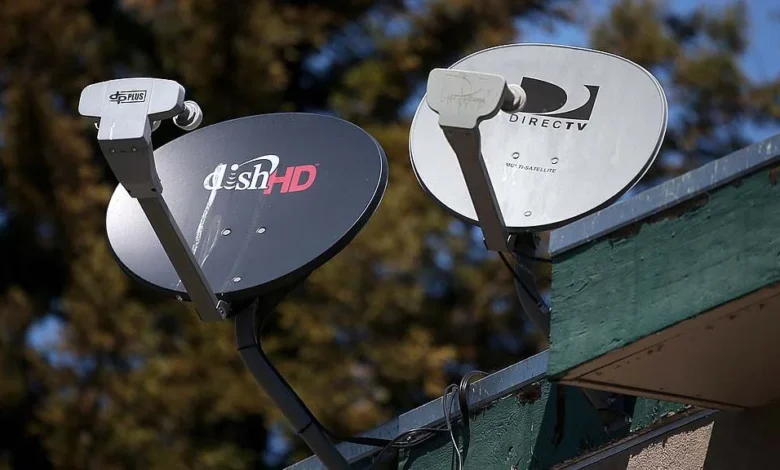
The satellite television industry is undergoing a historic transformation as DirecTV announced a definitive agreement to acquire the video businesses of EchoStar, including the satellite provider Dish TV and the virtual multichannel video programming distributor (vMVPD) Sling TV. The transaction, valued at a nominal $1 plus the assumption of significant debt, marks the culmination of decades of industry speculation regarding a merger between the two largest satellite television operators in the United States. This strategic move creates a combined entity with a subscriber base of approximately 20 million, positioning it as the largest pay-TV provider in a market that has been rapidly eroding due to the pervasive trend of cord-cutting.
A Strategic Shift in Ownership and Debt Management
The announcement coincides with a broader shift in the corporate structure of DirecTV. AT&T, which had previously spun off DirecTV while retaining a 70% equity stake, confirmed that it has sold its remaining interest in the satellite operator to the private equity firm TPG. This exit by AT&T signals a complete departure from the legacy telecommunications giant’s foray into content distribution, allowing DirecTV to operate under the focused ownership of TPG.
To facilitate the transaction, TPG Angelo Gordon and a group of co-investors have stepped in to provide $2.5 billion in new financing. This capital injection is earmarked specifically to refinance the debt maturity of Dish DBS scheduled for November 2024, addressing a critical financial hurdle that had previously cast a shadow over EchoStar’s balance sheet. By stabilizing this debt, DirecTV aims to clear the path for an orderly transition, with the deal expected to close in late 2025.
The Long Road to Consolidation
The marriage of DirecTV and Dish has been the subject of rumors and regulatory scrutiny for over two decades. In the early 2000s, attempts to merge the two companies were blocked by federal regulators concerned about monopolistic behavior in the satellite market. However, the market dynamics of 2024 are fundamentally different from those of the early 2000s. The emergence of high-speed broadband, the ubiquity of streaming platforms like Netflix, Disney+, and Amazon Prime, and the rapid adoption of fiber-optic internet have diminished the market power once held by satellite providers.
Regulators have increasingly viewed the pay-TV landscape through the lens of a highly competitive ecosystem rather than a niche monopoly. The combined entity will now face pressure from massive streaming conglomerates and tech giants that have fundamentally altered consumer behavior. The current deal is viewed by industry analysts as a defensive maneuver—an attempt to achieve the scale necessary to survive in a shrinking sector rather than an effort to dominate a growing one.
Financial Synergies and Operational Efficiency
DirecTV leadership has identified significant cost-saving opportunities through the integration of the two platforms. According to internal estimates, the combined company anticipates generating at least $1 billion in annual cost synergies by the third anniversary of the deal’s closing. These savings are expected to be realized through the streamlining of satellite operations, the elimination of redundant administrative costs, and the optimization of procurement and supply chain logistics.
"DirecTV operates in a highly competitive video distribution industry," said DirecTV CEO Bill Morrow in a formal statement. "With greater scale, we expect a combined DirecTV and Dish will be better able to work with programmers to realize our vision for the future of TV, which is to aggregate, curate and distribute content tailored to customers’ interests, and to be better positioned to realize operating efficiencies while creating value for customers through additional investment."
Following the completion of the acquisition, the combined entity will remain under the leadership of Morrow, who will serve as CEO, and Ray Carpenter, who will continue as Chief Financial Officer. The corporate headquarters will be located in El Segundo, California, serving as the central hub for the integrated operations of both DirecTV and the newly acquired Dish and Sling platforms.
Market Context: The Cord-Cutting Phenomenon
The pay-TV industry in the United States has experienced a steady decline in total subscriber numbers for over a decade. According to data from Leichtman Research Group and other industry analysts, the major cable and satellite providers have lost millions of subscribers annually as households transition to "over-the-top" (OTT) services. The decline is driven by rising monthly costs for traditional cable bundles—often referred to as "skinny" or "fat" bundles—compared to the more flexible and often cheaper options provided by streaming services.
By acquiring Dish TV and Sling TV, DirecTV is attempting to stem the tide of churn. Sling TV, in particular, provides DirecTV with a significant foothold in the virtual MVPD market. Unlike traditional satellite service, which requires a physical dish and professional installation, Sling TV delivers content over the internet, appealing to younger, more mobile, and tech-savvy consumers. The integration of Sling TV into the DirecTV ecosystem offers the company a dual-pronged strategy: maintaining the legacy satellite customer base while aggressively competing in the digital-first streaming market.
Regulatory Implications and Future Outlook
While the industry has changed, the merger will still require rigorous regulatory review. The Department of Justice and the Federal Communications Commission will likely examine whether the combination of the two primary satellite providers reduces consumer choice, particularly in rural areas where satellite television remains the only viable option for high-quality video entertainment.
However, the "failing firm" defense—or at the very least, the argument that the pay-TV market is no longer a localized monopoly—is expected to be central to the companies’ case for approval. With streaming services now capturing the majority of consumer attention, the definition of a "competitor" in the video space has expanded to include platforms like YouTube, Hulu, and Peacock. Proponents of the deal argue that a combined DirecTV and Dish will have the bargaining power necessary to negotiate better rates with content creators, potentially leading to more stable pricing for consumers who choose to remain with traditional subscription services.
Strategic Objectives for the Post-Merger Entity
Beyond cost synergies, the merger is intended to redefine the value proposition of the television package. The management team has outlined a roadmap that emphasizes the "aggregation" of content. In an increasingly fragmented media landscape, consumers are often overwhelmed by the number of disparate apps and services they must manage. A combined platform could provide a centralized interface that simplifies the discovery and consumption of both live linear TV and on-demand streaming content.
The integration process will be complex, involving the consolidation of satellite orbital slots, billing systems, and customer service infrastructure. Analysts note that the successful execution of this merger will rely heavily on how effectively the company can migrate Dish customers to a unified platform without causing service disruptions or mass attrition.
Impact on the Broader Broadcasting Ecosystem
For programmers and broadcasters, the consolidation of the two largest satellite providers represents a significant shift in the balance of power. Historically, DirecTV and Dish have been formidable adversaries at the negotiating table, often engaging in high-stakes "carriage disputes" that lead to temporary blackouts of major networks. A single, larger entity will have more leverage in these negotiations, which could lead to a more consolidated landscape for content licensing.
Furthermore, the infusion of private equity capital from TPG provides the necessary liquidity to navigate the transition, ensuring that the company can continue to invest in technological upgrades and service improvements during a period of intense industry contraction. As the deal moves toward its projected 2025 closing date, the focus will remain on whether this scale is sufficient to reverse the long-term trends of cord-cutting or if it simply provides a more efficient platform for an inevitable decline.
In summary, the acquisition of Dish and Sling TV by DirecTV is more than just a corporate transaction; it is a defensive consolidation necessitated by the evolution of digital media. By combining forces, the companies are betting that scale, operational efficiency, and a unified digital-first approach can sustain the pay-TV business model in an era defined by streaming and on-demand consumption. As the regulatory and integration phases unfold, the industry will be watching closely to see if this marriage of legacy providers can indeed secure a viable future in the modern media landscape.