AWS is expanding its physical footprint by launching new Builder Lofts in Berlin, Hyderabad, and São Paulo to foster local technology ecosystems.

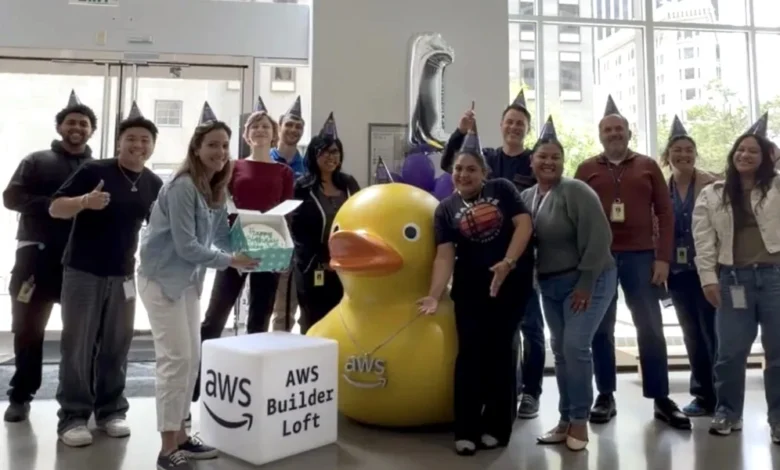
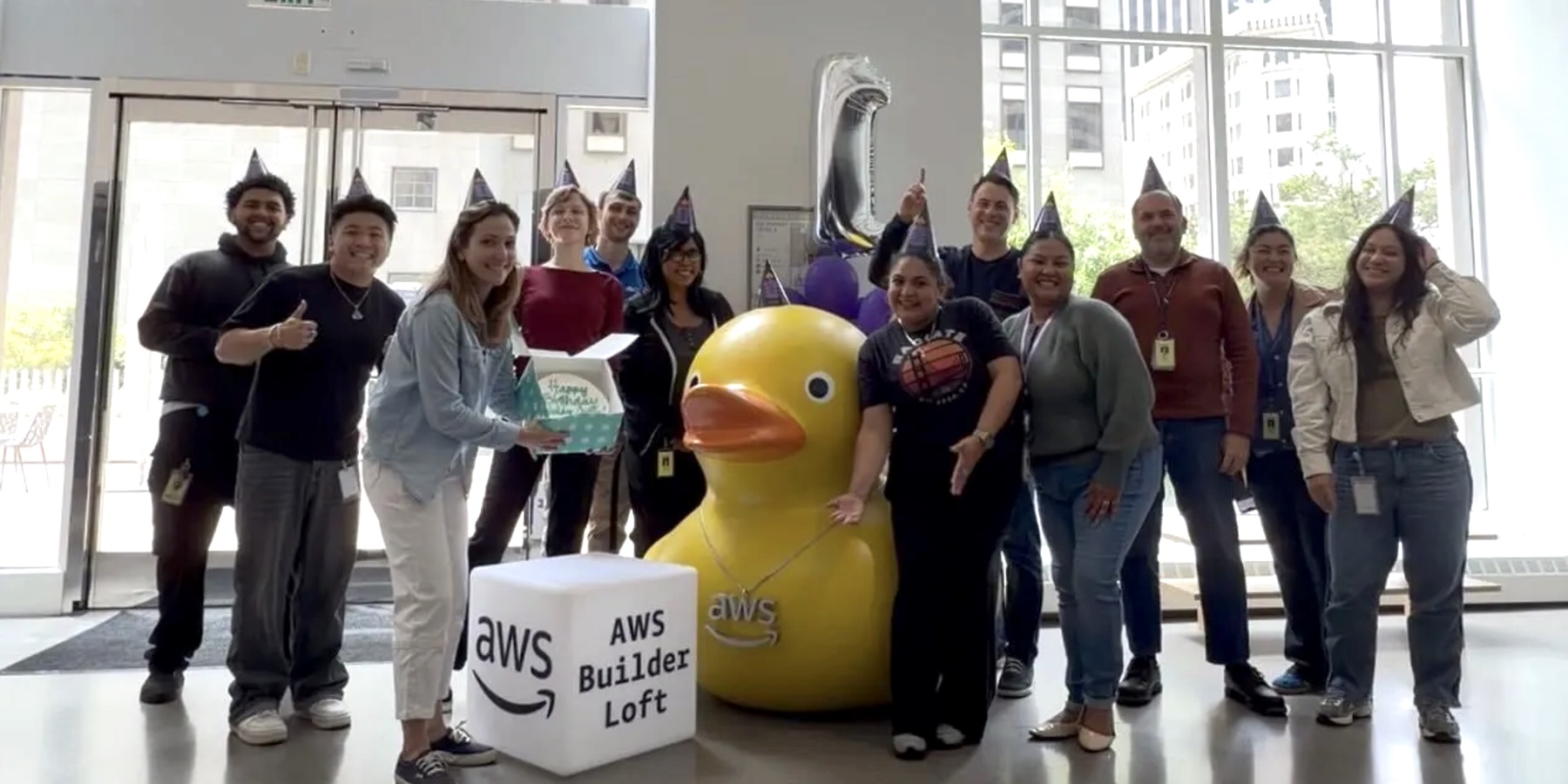
The evolution of Amazon Web Services’ engagement strategy has shifted from temporary, transient pop-up installations to a model defined by permanent, community-driven hubs. Following the successful pilot and one-year anniversary of the inaugural AWS Builder Loft in San Francisco—which has served over 22,500 developers since its inception in July 2025—the company is formalizing its commitment to physical collaborative spaces. By establishing permanent bases in three of the world’s most significant emerging and established tech corridors, AWS aims to provide a centralized infrastructure for education, technical collaboration, and professional networking.
A Chronology of AWS Community Engagement
The philosophy behind the AWS Builder Loft is rooted in nearly a decade of experimentation with physical developer experiences. In the earlier stages of cloud adoption, AWS introduced the AWS Pop-up Lofts, which functioned as transient, multi-city hubs designed to lower the barrier to entry for cloud education. These spaces offered startups and developers temporary access to experts and meeting facilities, functioning as itinerant classrooms rather than fixed community centers.
As the industry shifted toward the rapid integration of generative AI, AWS pivoted again, launching the AWS Gen AI Lofts. These were specifically engineered to provide immersive, high-intensity environments for developers to experiment with emerging machine learning models. The success of these short-term, thematic activations highlighted a critical demand that the previous pop-up model could not fully satisfy: the need for a persistent "home base."
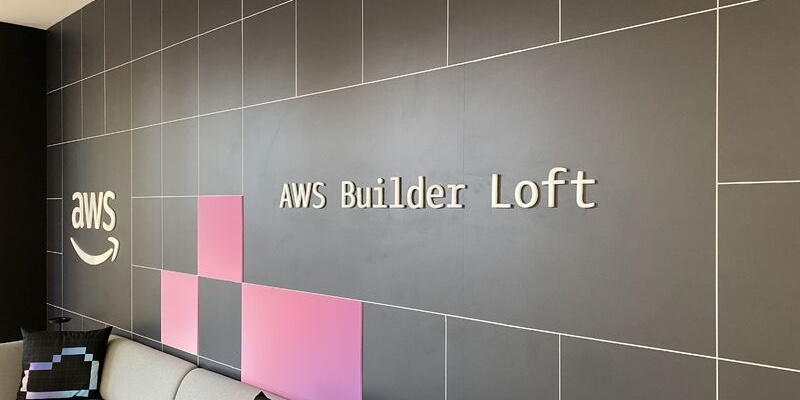
In July 2025, AWS addressed this by opening the first permanent Builder Loft in San Francisco. This marked a strategic pivot from "pop-up" to "community anchor." Over the last twelve months, the facility has transformed into a high-traffic hub for hackathons, technical deep dives, and startup pitch events. The transition from the temporary Pop-up Loft to the permanent Builder Loft signifies an organizational recognition that developer loyalty and innovation are best nurtured through sustained, rather than episodic, interaction.
Strategic Selection: Berlin, Hyderabad, and São Paulo
The selection of Berlin, Hyderabad, and São Paulo as the next sites for expansion is not incidental; it reflects a calculated assessment of global talent density and innovation velocity.
Berlin serves as the primary gateway to the European startup ecosystem. With its dense concentration of fintech, green-tech, and AI-driven startups, the city remains a focal point for venture capital and engineering talent. By planting a flag in Berlin, AWS aims to centralize the fragmented European developer community, providing a physical venue for cross-border collaboration that virtual forums cannot replicate.
Hyderabad represents the explosive growth of the Indian technology sector. As a tier-one city for software development and R&D, Hyderabad is home to both global enterprises and an burgeoning community of independent developers and student builders. The establishment of a Builder Loft in this region is designed to provide the necessary infrastructure for rapid prototyping, allowing the local workforce to interface directly with AWS architects and peers.

São Paulo stands as the epicenter of the Latin American digital economy. As the region experiences a surge in cloud-native business models, the need for localized technical support and co-working space has become pronounced. By investing in São Paulo, AWS is positioning itself to capture and cultivate the next generation of Latin American entrepreneurs, providing them with the professional infrastructure required to scale their operations within the AWS ecosystem.
The Anatomy of a Builder Loft
Each of these new locations is designed to function as a multi-purpose ecosystem. The operational model, refined by the San Francisco prototype, centers on three core pillars: education, collaboration, and professional development.
- Educational Programming: The facilities will offer a revolving schedule of free workshops, ranging from introductory cloud computing to advanced generative AI implementation. These sessions are intended to minimize the "learning curve" for students and professionals alike.
- Infrastructure and Co-working: Beyond traditional desk space, these lofts are equipped with high-performance networking and hardware resources to support intensive development cycles.
- Community Governance: Perhaps the most significant aspect of the Builder Loft model is the policy of community-led hosting. Unlike corporate offices, these spaces are open for reservation by AWS User Groups, Student Builder Groups, and independent tech collectives at no cost. This shifts the role of AWS from that of a landlord to that of a facilitator, empowering local leaders to dictate the rhythm and focus of the programming.
Data and Impact Analysis
The impact of these spaces can be measured by the metrics established in San Francisco. With 22,500 visitors in just one year, the San Francisco loft demonstrated that demand for physical space remains high, even in a post-pandemic, remote-work world. The facility averages four to eight community-driven events per week, highlighting a high utilization rate that suggests these spaces are viewed as essential infrastructure rather than luxury amenities.
From an economic perspective, the presence of such a facility lowers the overhead for early-stage startups. By providing a professional venue for pitch nights and networking without the cost of private event space rentals, AWS is effectively subsidizing the growth of its own developer ecosystem. Analysts note that while these spaces are cost-intensive, they function as high-yield marketing and retention tools. By integrating themselves into the daily workflows of developers, AWS secures its position as the preferred cloud provider for nascent projects that may eventually scale into major enterprise contracts.
Official Stance and Future Outlook
AWS leadership emphasizes that the Builder Loft initiative is intended to serve as a catalyst for local ecosystems. "We realized the need for permanent community spaces that give students and developers a place to learn, connect, and contribute," stated the company in a recent announcement. The strategy is to move beyond the transaction of "selling cloud services" to the cultivation of a community that perceives AWS as an indispensable partner in technical achievement.
The broader implication for the industry is clear: the physical office is undergoing a transformation. While many companies are downsizing their corporate footprints, tech giants are investing in specialized, community-centric spaces. This trend underscores a recognition that while code can be written from anywhere, the synergy required for rapid innovation often requires face-to-face interaction and shared physical environments.
As the company prepares for the rollouts in Berlin, Hyderabad, and São Paulo, the industry will be watching to see how AWS adapts its "San Francisco model" to the unique cultural and economic landscapes of these diverse regions. Future blog posts are expected to outline specific opening dates and architectural details for each city. For local developer groups in these regions, the arrival of these lofts represents a significant upgrade in available resources and a formal invitation to integrate into the global AWS community network.
The expansion of the Builder Loft program marks a significant maturation of the AWS community strategy. By moving from the transient nature of the "pop-up" to the institutional stability of the "permanent loft," AWS is cementing its role as the backbone of the global developer community, ensuring that as cloud technology evolves, the human element of technical innovation remains anchored and connected.
Related posts: