AWS Deepens Developer Engagement in South Korea While Introducing Advanced AI Coding Tools and Addressing Billing Anomalies

Amazon Web Services (AWS) recently concluded a pivotal week marked by strategic developer community engagement in Seoul, the introduction of a groundbreaking one-click setup for AI coding agents with AWS Lambda, and a swift resolution to a critical billing data inaccuracy. These developments underscore AWS’s dual commitment to fostering a robust global developer ecosystem and continuously enhancing its cloud platform with cutting-edge tools, even as it navigates operational challenges.
Strengthening Developer Communities Across Asia-Pacific: A Focus on South Korea
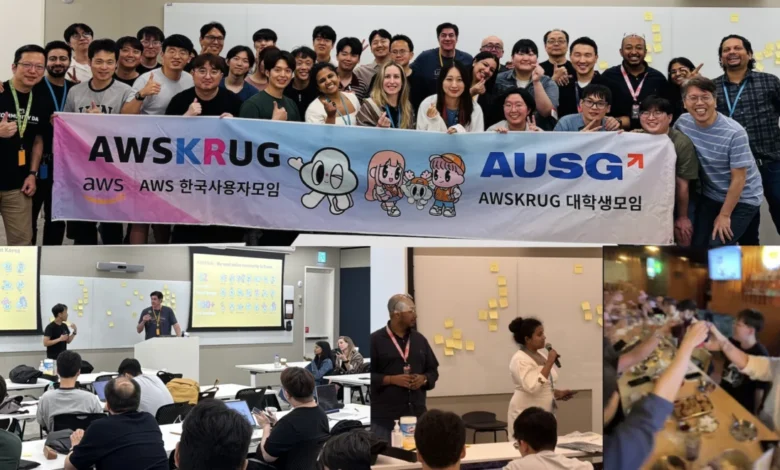
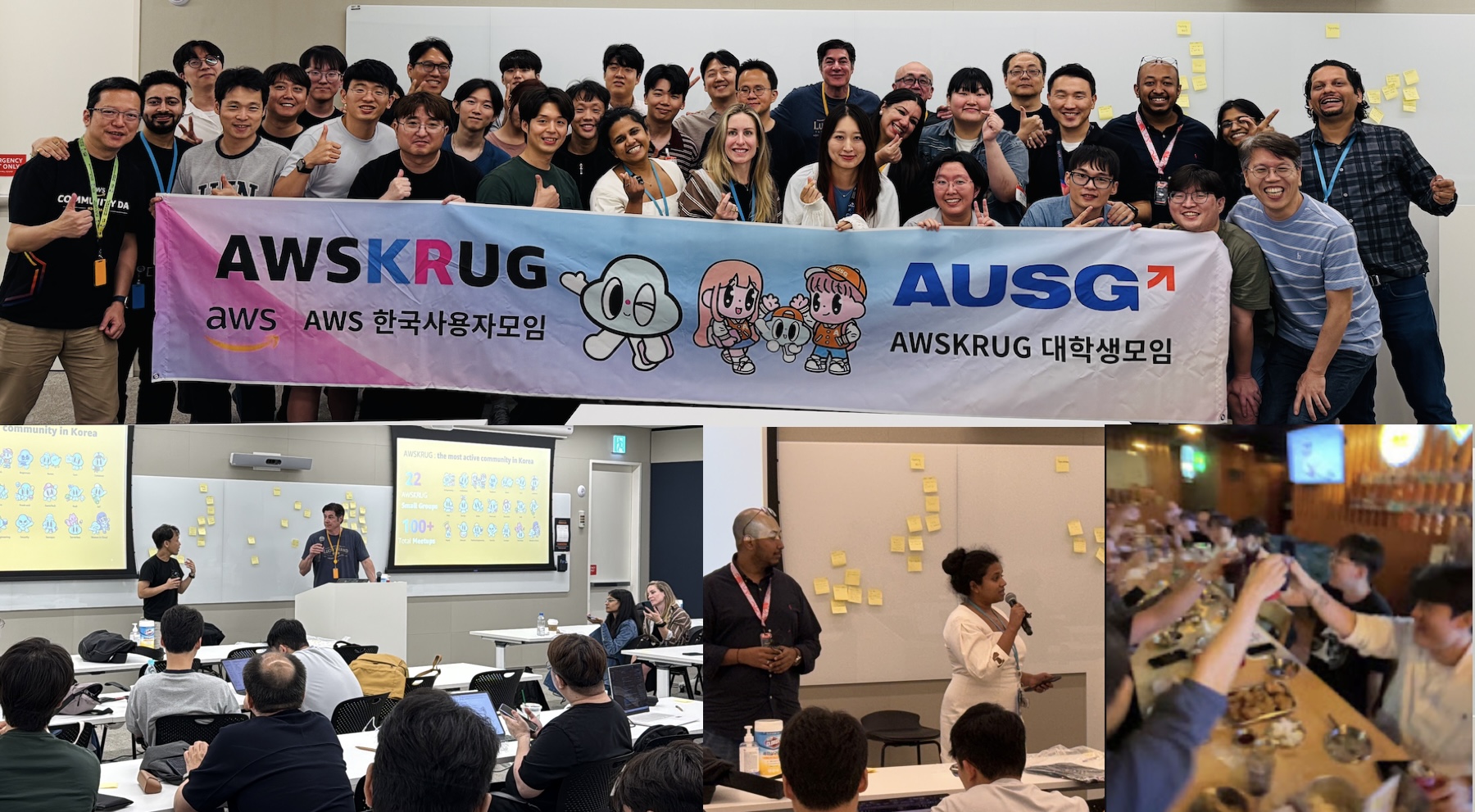
In a significant move to reinforce its global developer outreach, the AWS Developer Experience (DevEx) team undertook a strategic visit to Seoul, South Korea, last week. The primary objective was to engage directly with the leaders of the AWS Korea User Group (AWSKRUG), a cornerstone of the cloud developer community in the region. This visit is part of a broader, ongoing initiative by the AWS DevEx team to regularly connect with user group leaders across the Asia-Pacific (APAC) region, gather crucial feedback, and extend support to these vital grassroots communities.
AWSKRUG stands as a testament to the vibrant and rapidly expanding cloud adoption in South Korea, boasting the largest cloud developer community in the nation. Its impressive structure includes 20 distinct meetup groups, meticulously organized by specific technical topics and geographical areas, predominantly within the bustling metropolis of Seoul. Collectively, these groups orchestrate over 100 events annually, serving as critical hubs for knowledge sharing, skill development, and professional networking among cloud practitioners. The sheer scale and activity of AWSKRUG highlight the increasing demand for cloud expertise and collaborative learning environments in one of the world’s most technologically advanced economies. South Korea’s digital transformation journey has seen a significant surge in cloud infrastructure adoption across various sectors, making active developer communities like AWSKRUG indispensable for disseminating best practices and fostering innovation.
During the candid meeting in Seoul, AWSKRUG leaders engaged in an open dialogue with the AWS DevEx team. They provided an honest assessment of their achievements during the first half of the year, identified areas ripe for improvement, and articulated specific requests for enhanced support from AWS. This direct feedback mechanism is invaluable for AWS, as it provides unfiltered insights into the real-world needs and challenges faced by developers on the ground. Such interactions enable AWS to tailor its resources, documentation, and feature development more effectively, ensuring that its offerings align closely with community demands. The exchange also included a pleasant "Chimaek" (chicken and beer) social time, a popular Korean cultural activity, which facilitated a more informal and robust rapport between the AWS team and community leaders, emphasizing the collaborative spirit of the engagement.
The implications of such deep community engagement are far-reaching. By actively listening to and supporting user groups, AWS not only strengthens its brand loyalty but also cultivates a decentralized network of advocates and educators. These communities play a crucial role in driving cloud adoption, training the next generation of developers, and generating innovative solutions built on AWS. This strategy is particularly potent in the APAC region, where diverse markets and unique technological landscapes necessitate localized support and understanding. AWS’s commitment to fostering these communities underscores its long-term vision for sustainable growth and pervasive cloud integration globally.
Revolutionizing AI-Powered Development: AWS Lambda’s One-Click Agent Setup
In a significant stride towards streamlining AI-assisted software development, AWS unveiled a notable innovation last week: a one-click setup prompt for configuring coding agents with AWS Lambda. This new capability marks a crucial step in integrating the rapidly evolving field of generative AI with robust serverless architecture, promising to enhance developer productivity and enforce best practices from the outset.
The core functionality of this new prompt lies in its ability to automatically configure an AI coding agent with essential AWS Serverless skills and the Serverless Model Context Protocol (MCP) server. This integration ensures that developers can leverage their AI agents not just for generic code generation, but for creating and managing serverless applications on AWS with inherent best practices embedded. The rise of AI coding assistants, such as GitHub Copilot, Claude Code, and Devin Desktop, has transformed how developers write code, offering unparalleled speed and efficiency. However, integrating these agents effectively with complex cloud environments, ensuring security, and adhering to architectural best practices has remained a challenge. AWS’s one-click setup directly addresses this by providing a standardized, secure, and efficient pathway.
The setup guide, referenced by the prompt, is comprehensive, covering installation commands for a wide array of popular AI agents including Claude Code, Kiro, Cursor, GitHub Copilot, Codex, Devin Desktop, and OpenCode. This broad compatibility ensures that a significant portion of the developer community can immediately benefit from this integration, regardless of their preferred AI assistant. To initiate the setup, developers simply choose the "Copy agent prompt" button directly on the Lambda console screen or manually copy the URL fetch https://docs.aws.amazon.com/lambda/latest/dg/samples/aws-lambda-agent-setup.md and paste it into their chosen AI agent’s interface. This intuitive process minimizes friction and lowers the barrier to entry for leveraging AI in serverless development.
Further enhancing this capability is the Agent Toolkit for AWS, which empowers coding agents with current AWS knowledge and safe resource access. This toolkit is crucial for enabling AI agents to interact intelligently and securely with AWS services, preventing misconfigurations or unauthorized actions. Developers can install the AWS MCP Server using fetch https://raw.githubusercontent.com/aws/agent-toolkit-for-aws/refs/heads/main/setup-instructions/setup.md, thereby equipping their agents with the necessary protocols for secure and context-aware operations within the AWS ecosystem.

The implications of this launch are profound for the future of cloud development. By baking serverless best practices directly into the AI agent’s configuration, AWS helps prevent common pitfalls, reduces debugging time, and promotes the creation of more resilient and cost-effective serverless applications. It empowers developers to focus on business logic rather than boilerplate code or complex cloud configurations. This innovation signifies AWS’s commitment to staying at the forefront of developer tooling, adapting to the generative AI revolution, and making its powerful cloud services more accessible and easier to use for a global community of builders. It also highlights a strategic direction where AI becomes an integral, intelligent partner in navigating the complexities of modern cloud infrastructure.
Broader AWS Ecosystem Updates and Engagement
Beyond these headline developments, AWS continues its relentless pace of innovation and community engagement. The "What’s New with AWS" page remains the authoritative source for a comprehensive list of all new services, features, and updates, reflecting AWS’s commitment to continuous improvement across its vast service portfolio. Similarly, the "AWS Blogs" page offers deeper insights, technical guidance, and thought leadership from AWS experts and community members alike.
AWS also maintains a robust schedule of events designed to connect with, educate, and inspire its global user base. These include a variety of AWS-led in-person and virtual events, catering to different segments such as startup events, developer-focused gatherings, and the highly anticipated AWS Summits. These summits serve as major platforms for announcing new services, showcasing customer success stories, and providing hands-on learning opportunities. The AWS Builder Center further exemplifies this commitment, offering a dedicated space for builders to connect, share solutions, and access curated content that supports their development journey. These initiatives collectively underscore AWS’s holistic approach to nurturing a thriving and knowledgeable developer community worldwide, ensuring that users have ample opportunities to learn, collaborate, and innovate on the platform.
Addressing Operational Challenges: Cost Explorer Billing Anomaly
Amidst these advancements, AWS also transparently addressed a critical operational incident that affected some customers last weekend. An issue with Cost Explorer resulted in the display of inaccurate estimated billing data. This anomaly led to several concerning outcomes for affected users, including the receipt of erroneous budget and cost anomaly detection alerts, as well as observing inflated estimated cost and usage data.
For businesses and individuals reliant on precise financial tracking and cost management in the cloud – a practice often referred to as FinOps – such inaccuracies can be highly disruptive. Erroneous alerts can cause undue alarm, trigger unnecessary investigations, and potentially lead to misguided operational decisions. Inflated cost estimates, even if temporary, can impact budgeting, forecasting, and financial planning, undermining trust in the accuracy of cloud financial tools. In a cloud environment where costs can scale rapidly, accurate and real-time visibility is paramount for effective resource governance and financial prudence.
AWS promptly addressed the issue, confirming that it has been fully resolved and all AWS services are now operating normally. In a statement, AWS apologized for the concern this incident caused its customers. Demonstrating its commitment to operational excellence and transparency, the company announced that it is conducting a thorough retrospective. This post-incident analysis aims to identify the root causes of the billing anomaly, implement preventative measures to avert similar occurrences in the future, and enhance its response protocols when billing incidents arise. The AWS Health Dashboard served as the primary channel for real-time updates and detailed information regarding the incident and its resolution.
This incident, while disruptive for those affected, highlights the inherent complexities of managing a global cloud infrastructure at scale. AWS’s transparent communication, swift resolution, and commitment to a retrospective review are critical for maintaining customer trust, particularly in sensitive areas like billing and financial management. It reinforces the importance of robust monitoring systems, rapid incident response, and continuous improvement processes within any large-scale technological operation.
Looking Ahead: Continuous Innovation and Community Focus
As AWS continues to push the boundaries of cloud computing, these recent events paint a clear picture of a company deeply invested in both technological innovation and community empowerment. From engaging directly with grassroots developer groups in key international markets to pioneering tools that integrate AI seamlessly into development workflows, AWS is actively shaping the future of cloud adoption. The swift and transparent handling of the Cost Explorer billing anomaly further demonstrates a commitment to operational integrity and customer trust, which are foundational to its long-term success. Developers and businesses can expect continued updates and advancements, reaffirming AWS’s position as a leader in the global cloud landscape. The forthcoming weekly roundups will undoubtedly bring more news from Channy and the AWS team, showcasing the ongoing evolution of the world’s most comprehensive and broadly adopted cloud platform.
Related posts: