Apple’s iPhone Duo Launch Plagued by Early Screen Failures and Hinge Durability Concerns

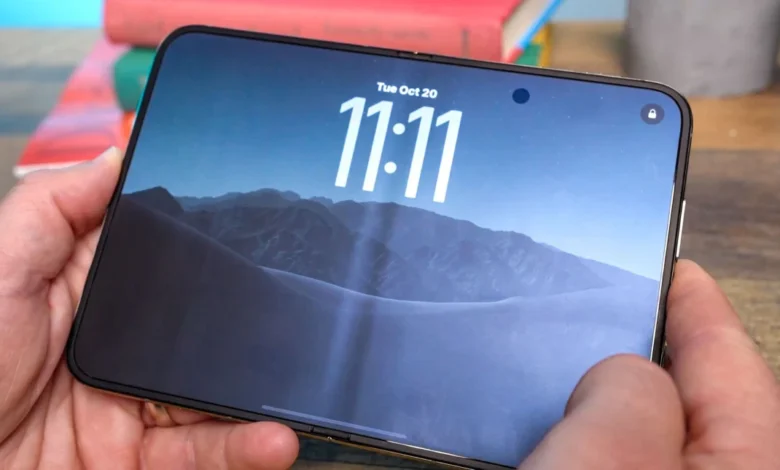
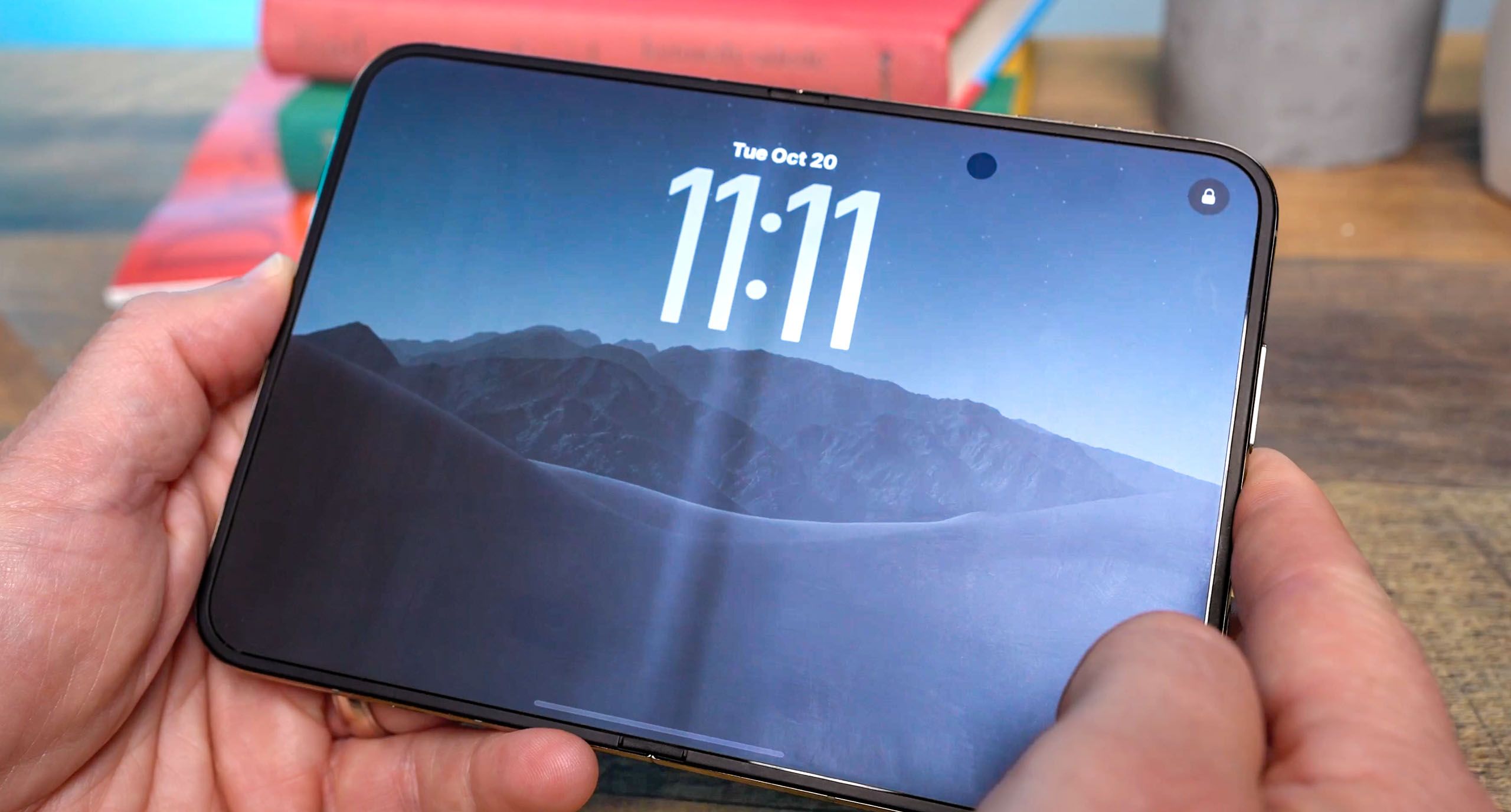
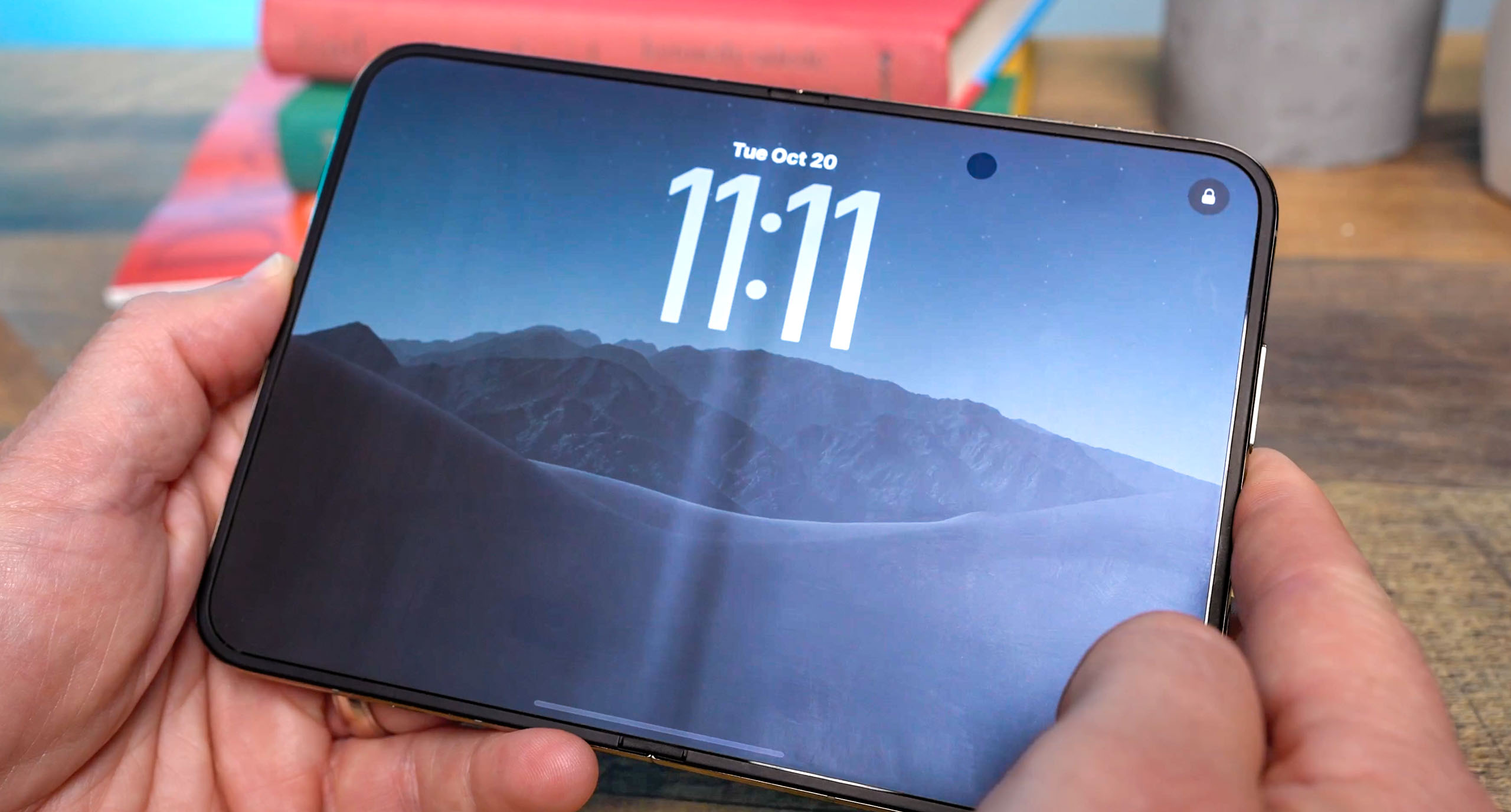
Apple has officially entered the foldable smartphone arena with its highly anticipated $2,000 flagship device, the iPhone Duo, but the product’s rollout has been immediately overshadowed by widespread consumer complaints and early hardware failures. Within hours of the device hitting shelves globally, early adopters took to social media platforms, tech forums, and Reddit to report catastrophic display issues. Specifically, users across the United States, China, and Australia have documented sudden, linear fractures running directly down the inner display’s vertical crease where the phone hinges. These structural anomalies are accompanied by severe pixel degradation, resulting in blinding white or green vertical lines that render portions of the screen completely unresponsive.
The emergence of these hardware defects so soon after launch has sparked intense scrutiny from consumers, industry analysts, and tech enthusiasts alike. While first-generation foldable devices from competing manufacturers historically suffered from teething problems, Apple’s entry into the foldable market was widely expected to establish a new benchmark for build quality and engineering resilience. Instead, the rapid accumulation of failure reports has raised troubling questions regarding the durability of Apple’s proprietary folding mechanism and the long-term viability of the device’s ultra-thin glass substrate.
Anatomy of the Failures: Real-World Reports and User Experiences
The pattern of failure among early iPhone Duo buyers is remarkably consistent. According to user testimonies shared across digital communities, the defect frequently manifests after minimal use—often within the first twenty folds.
In one prominent case documented by an early adopter in Australia, a user reported hearing a distinct, audible crack after roughly six hours of casual operation. Upon opening the device, the inner display split vertically along the hinge axis, accompanied by an immediate software glitch that flooded the right-hand side of the panel with a persistent white line. Initial remediation attempts through Apple’s remote customer support channels proved cumbersome; representatives offered express replacement services contingent upon the customer placing a temporary financial hold for the full retail value of the handset, alongside an indeterminate delivery timeline for the replacement unit.
Opting for a physical resolution, the consumer visited a local Apple retail store. Store personnel acknowledged the catastrophic hardware failure, bypassed the mail-in protocol, and provided an immediate, over-the-counter replacement. This swift in-store response suggests that retail locations may have been preemptively stocked with replacement units specifically designated to handle early manufacturing or assembly defects.
Independent Durability Testing and Engineering Stress Points
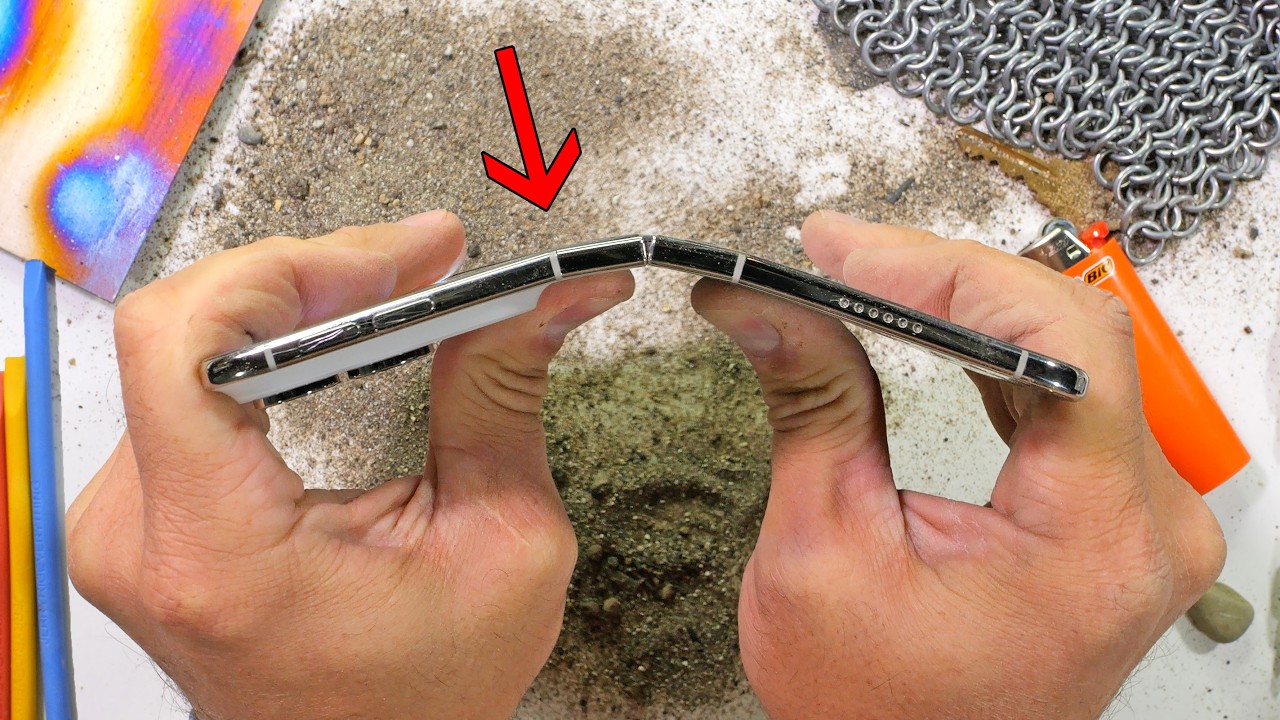
Compounding the PR challenge for Apple, prominent technology reviewers and durability specialists have subjected the iPhone Duo to rigorous physical stress testing, yielding alarming results. Zack Nelson, host of the popular YouTube channel JerryRigEverything, put the device through its paces in a comprehensive durability assessment.
Despite Apple advertising an official IP68 dust and water resistance rating for the iPhone Duo, Nelson’s testing revealed vulnerability within the hinge assembly. Fine particulate matter successfully infiltrated the internal mechanical cavity via multiple entry points, easily overpowering the internal neodymium magnets engineered to secure the phone in a closed position. Furthermore, a standardized structural bend test resulted in catastrophic internal display failure, characterized by a permanent green line across the panel that rapidly escalated into total screen blackouts and loss of touch sensitivity.
Regarding surface resilience, the device presents a mixed profile. The outer cover screen, fortified by Apple’s upgraded Ceramic Shield 2 technology, successfully resisted scratching up to a level 7 on the Mohs hardness scale. Conversely, the inner foldable display proved significantly more delicate. Scratches manifested at level 2 on the hardness scale, with deeper deformations easily inflicted by a fingernail. Although Apple incorporated a specialized matte nano-texture coating designed to cause minor scuffs to seemingly disappear over time, this protective layer was insufficient to shield the delicate underlying organic light-emitting diode (OLED) matrix from structural trauma under heavy bending stress.
In his post-test analysis, Nelson remarked on the unprecedented nature of the failure, noting that having tested commercial foldable smartphones across multiple generations for seven years—during which the vast majority survived standard stress parameters—the iPhone Duo failed to meet foundational durability expectations.
Historical Context and the Evolution of the Foldable Market
To fully understand the gravity of the iPhone Duo’s rocky debut, it is necessary to examine the historical trajectory of the foldable smartphone sector. Pioneer manufacturers such as Samsung, Motorola, and Google spent the better part of a decade iterating through successive generations of foldable form factors. Early iterations from 2019 were notoriously fragile, plagued by screen delamination, hinge ingress issues, and fragile plastic polymer screens.
Over the subsequent seven years, the industry invested heavily in materials science, pioneering ultra-thin glass (UTG), droplet-shaped hinge designs, and advanced mechanical dampeners to reduce the physical crease and prevent structural fatigue. By the time Apple announced its entry into the segment, consumers and market analysts anticipated that Cupertino would bypass the early growing pains that plagued competitors by leveraging years of observational data and superior supply chain integration. The recurrence of structural hinge failures in a first-generation Apple device suggests that overcoming the physical limitations of folding glass remains an exceptionally difficult engineering hurdle, even for the world’s most valuable technology company.
Apple’s Warranty Policy, Consumer Rights, and Support Infrastructure
As reports of defective iPhone Duo units continue to circulate globally, consumer advocacy groups and legal analysts have turned their attention toward Apple’s official support and warranty frameworks.
Under standard operational guidelines, hardware failures resulting from normal, non-negligent consumer use are fully covered under Apple’s limited one-year hardware warranty. Furthermore, depending on the geographic jurisdiction of purchase, consumers typically enjoy a statutory return window—ranging from 14 to 30 days—allowing dissatisfied buyers to execute a full refund without incurring restocking fees.
However, distinguishing between manufacturing defects, structural fatigue resulting from normal folding mechanics, and accidental user damage remains a contentious friction point in retail environments. Historically, display assemblies on foldable devices are notoriously expensive to repair out-of-warranty, frequently approaching half the retail cost of the handset itself. If the hinge-crack phenomenon proves to be a systemic design flaw rather than an isolated batch defect, Apple may face significant financial and logistical pressure to initiate a formal extended warranty program or a voluntary device recall.
Broader Market Implications and Financial Outlook
The immediate market reception of the iPhone Duo holds profound implications for Apple’s hardware diversification strategy. For years, smartphone manufacturers have grappled with plateauing upgrade cycles and a maturing global market. Foldable devices represent one of the few remaining high-margin growth vectors capable of commanding premium pricing tiers well above traditional slab-style flagships.
Priced at a baseline of $2,000, the iPhone Duo was positioned as a halo product designed to capture high-end enterprise users, power consumers, and early adopters eager to migrate away from Android alternatives like the Samsung Galaxy Z Fold series. Should widespread perceptions of fragility take root among the mainstream consumer base, potential buyers may adopt a wait-and-see approach, delaying adoption until subsequent hardware revisions—such as a hypothetical "iPhone Duo 2"—can address these foundational structural vulnerabilities.
Furthermore, competitors within the smartphone ecosystem are closely monitoring the situation. A high-profile hardware misstep by Apple validates the engineering achievements of rival original equipment manufacturers (OEMs) who have spent years refining their hinge mechanics and screen durability profiles. Conversely, if Apple successfully manages the crisis through transparent communication, expedited in-store replacements, and rapid supply chain adjustments, the long-term impact on the brand’s reputation for premium craftsmanship may be mitigated.
Outlook and Next Steps for Early Adopters
As the dust settles on the launch week of the iPhone Duo, the primary variable remains the statistical prevalence of the hinge-cracking defect. While internet forums naturally amplify negative user experiences, the exact percentage of affected units across the initial global production run remains unknown.
Industry analysts advise current and prospective iPhone Duo owners to carefully monitor their devices for early indicators of hinge resistance, unusual acoustic feedback during folding operations, or pixel degradation along the central crease. Consumers experiencing any structural anomalies are encouraged to document the defects and leverage authorized Apple retail channels for immediate diagnostic evaluation and warranty replacement.
As additional teardowns, stress tests, and consumer analytics emerge in the coming weeks, the tech industry will gain a clearer picture of whether the iPhone Duo’s early stumbles are an unfortunate manufacturing anomaly or a fundamental architectural limitation of Apple’s inaugural foldable design.