Amazon Aurora PostgreSQL Now Supports Direct Queries on Data Lakes via Integrated DuckDB Engine

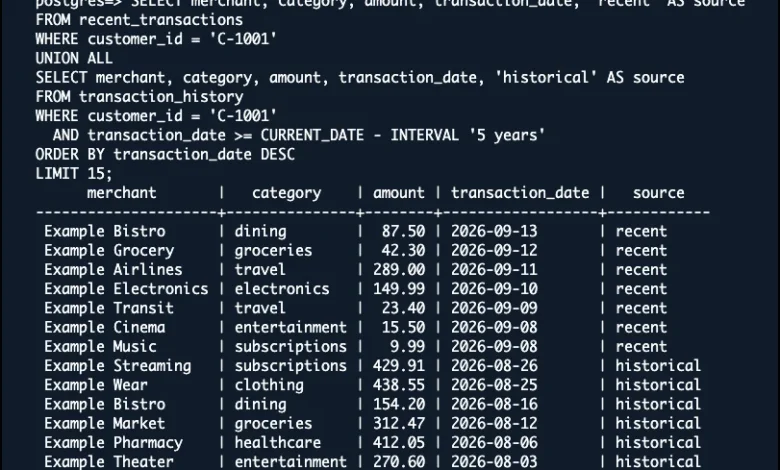
Amazon Web Services (AWS) has officially launched a transformative capability for Amazon Aurora PostgreSQL, enabling users to execute direct queries against operational data and historical datasets stored in data lakes without the need for traditional extract, transform, and load (ETL) pipelines. This new feature leverages the high-performance analytical engine of DuckDB—recently brought into the AWS fold following the acquisition of the DuckLabs team—to bridge the gap between transactional databases and object storage. By integrating this engine directly into Aurora PostgreSQL versions 17.11 and 18.6, AWS aims to streamline data architecture for enterprises struggling with the complexities of managing disparate data silos.
The Evolution of Data Architecture and the End of ETL Dependency
For years, the standard architecture for high-scale applications has relied on a bifurcated approach. Operational data, required for real-time transactions, is stored in a relational database management system (RDBMS) like Aurora, while historical, analytical, or voluminous archival data is offloaded to low-cost object storage such as Amazon S3, usually in formats like Apache Parquet or Apache Iceberg. To gain a holistic view of the business—such as combining a customer’s current account balance with five years of transaction history—engineers have historically been forced to build and maintain "reverse ETL" pipelines.
These pipelines are notoriously difficult to manage. They introduce latency, increase infrastructure overhead, and create data consistency challenges. Furthermore, as organizations increasingly integrate generative AI and machine learning agents into their application stacks, the need to provide these agents with real-time access to vast historical context has become a critical bottleneck. Pre-replicating every possible dataset is cost-prohibitive and technically impractical, creating a significant demand for a unified querying interface.

Technical Integration of DuckDB into Aurora
The integration of DuckDB into the Aurora PostgreSQL ecosystem represents a major shift in how AWS handles cross-platform analytics. DuckDB is renowned in the data engineering community for its columnar, vectorized query execution engine, which is optimized for analytical workloads. By embedding this engine directly within the Aurora PostgreSQL process, AWS has eliminated the need for additional network hops between the database and the storage layer.
When a user executes a query, the Aurora engine now coordinates with the embedded DuckDB instance to process data residing in S3. This architecture supports Apache Iceberg tables—the industry-standard open table format—and Parquet files. Critically, this integration is invisible to the end-user. Developers continue to interact with the database using standard PostgreSQL syntax, meaning existing reporting tools, BI dashboards, and application code remain fully functional without modification.
Operational Mechanics and Implementation
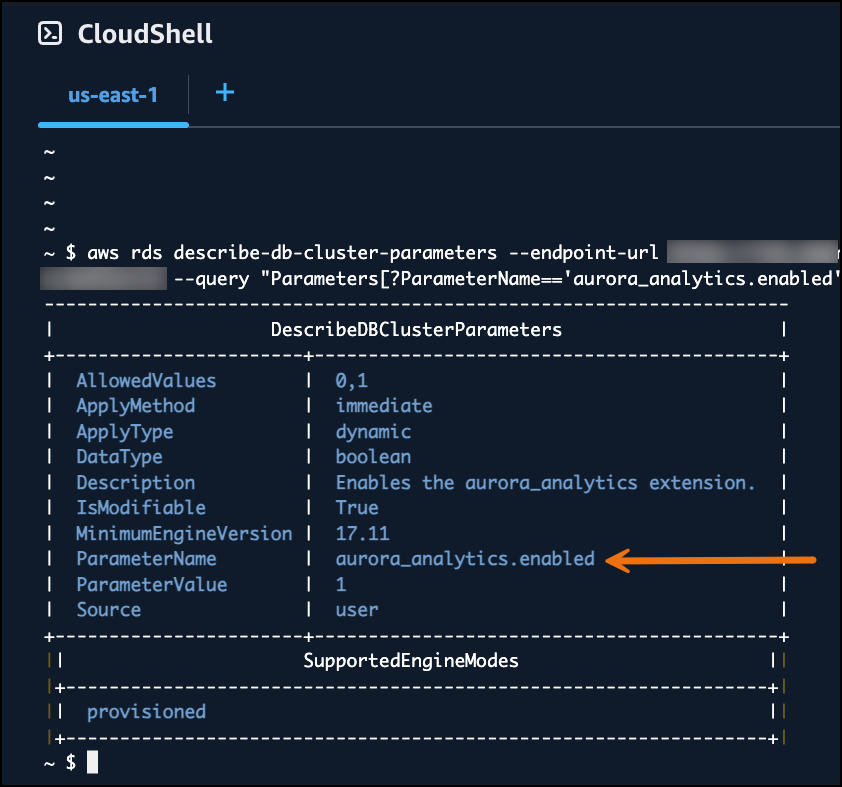
The implementation process for database administrators is designed to be streamlined. After provisioning an Aurora PostgreSQL cluster running version 17 or 18, users must enable the aurora_analytics extension. This extension acts as the bridge between the RDBMS and the data lake. Authentication is managed through AWS Identity and Access Management (IAM) roles, which provide the database with the necessary permissions to access S3 buckets and the AWS Glue Data Catalog.
One of the most notable features of this update is the automation of schema management. Through the IMPORT FOREIGN SCHEMA command, Aurora can automatically discover and map tables from the AWS Glue Data Catalog, inferring schemas from the underlying files. This eliminates the manual overhead of defining table structures, a task that has historically discouraged developers from integrating large-scale data lakes into their application logic.

Performance Optimization and Resource Management
To ensure that direct queries do not degrade the performance of high-concurrency transactional workloads, AWS has implemented several advanced optimizations. The engine utilizes predicate pushdown and column pruning, ensuring that only the specific rows and columns required by a query are retrieved from S3. This significantly reduces the I/O volume and data transfer costs associated with large analytical scans.
Furthermore, the system includes a caching mechanism for frequently accessed data. By caching portions of the data lake on the local Aurora instance, subsequent queries see a dramatic reduction in latency. AWS has also introduced granular observability metrics via the aurora_analytics_stat_statements() function. This allows administrators to monitor the performance of their federated queries, tracking metrics such as total rows scanned, bytes read from storage, and cache hit ratios. This level of transparency is essential for capacity planning and cost management in enterprise environments.
Implications for AI and Machine Learning
The rise of AI-augmented applications has accelerated the demand for this capability. AI agents often require "context window" enrichment, where they must reason over both live operational state and historical trends. Previously, providing this context involved complex data retrieval patterns. Now, an AI agent can issue a single SQL statement that performs a UNION ALL or a JOIN between a live PostgreSQL table and an Iceberg-formatted data lake, retrieving a comprehensive answer in a single round trip. This capability effectively lowers the barrier to entry for building sophisticated, context-aware AI applications on AWS.
Market Context and Industry Impact
The move to embed DuckDB into a managed cloud database service is part of a broader industry trend toward "data lakehouse" architectures. By blurring the line between transactional databases and analytical warehouses, cloud providers are attempting to simplify the "data stack" for developers. For AWS, this represents a significant effort to solidify Aurora’s position as the primary engine for both transactional and hybrid analytical workloads.
From a cost-efficiency perspective, the impact is two-fold. First, it reduces the need for expensive "compute-heavy" ETL infrastructure, which often requires dedicated server clusters to run transformation jobs. Second, it optimizes storage costs by allowing data to remain in S3—the most cost-effective storage tier—while still being "queryable" as if it were a local table.
Strategic Outlook and Future Availability
The feature is currently available in all commercial AWS Regions and AWS GovCloud (US) Regions at no additional charge beyond the standard costs for compute and S3 request usage. This pricing model reflects a strategic choice by AWS to encourage widespread adoption, positioning Aurora not just as an RDBMS, but as a gateway to the entire AWS data ecosystem.
Industry analysts suggest that this development could prompt a shift in how enterprise data architectures are designed over the next 24 months. As organizations look to consolidate their tech stacks, the ability to perform complex, cross-domain queries within a single database interface—without sacrificing the performance of the transactional engine—is likely to become a core requirement for enterprise-grade database solutions.
Conclusion
The integration of the DuckDB engine into Amazon Aurora PostgreSQL marks a milestone in the convergence of transactional and analytical data processing. By removing the friction of ETL pipelines, AWS has provided a path for developers to leverage the full value of their historical data alongside real-time operations. Whether powering real-time financial dashboards or fueling the context-retrieval needs of next-generation AI agents, this update simplifies the developer experience while providing the performance and scalability necessary for modern data-intensive applications. As AWS continues to iterate on this functionality, the role of the RDBMS is clearly evolving from a closed data store into an open, federated hub for an organization’s entire data estate.