Lenovo Tab Plus Gen 2 Hits Record Low Price Following Its Triumph at the Tom’s Guide Computing Awards 2026

The consumer technology landscape has long been dominated by Apple’s ubiquitous iPad lineup, frequently leaving Android tablet manufacturers struggling to capture the public imagination. However, the paradigm shifted notably in 2026 with the release of the Lenovo Tab Plus Gen 2, a device that successfully defied market conventions by prioritizing specialized multimedia performance over standard productivity tropes. Recognized for its innovative engineering and exceptional acoustic capabilities, the tablet was recently named the Best Tablet at the Tom’s Guide Computing Awards 2026. Capitalizing on this critical acclaim, the manufacturer has introduced a substantial price reduction, lowering the cost of the device to $289 from its standard retail price of $399, delivering an immediate savings of $110 for consumers.
The device’s trajectory from an overlooked contender in a crowded marketplace to an award-winning piece of hardware underscores a growing demand for media-centric consumer electronics. While traditional tablet manufacturers have focused primarily on slender profiles and processing benchmarks, Lenovo adopted a distinct philosophy with the Tab Plus series, merging high-fidelity audio architecture directly with mobile computing hardware.
Main Facts and Hardware Architecture
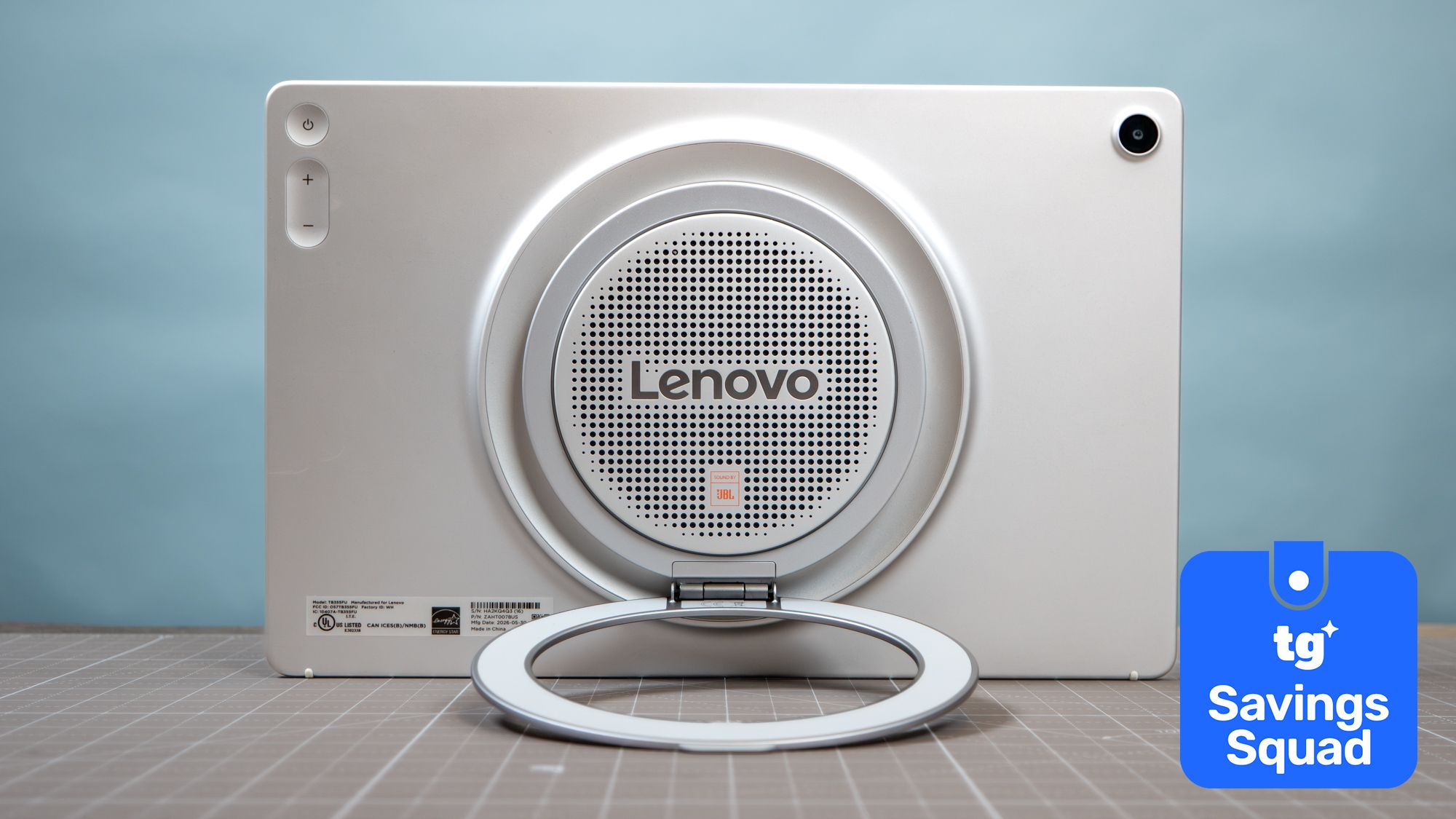
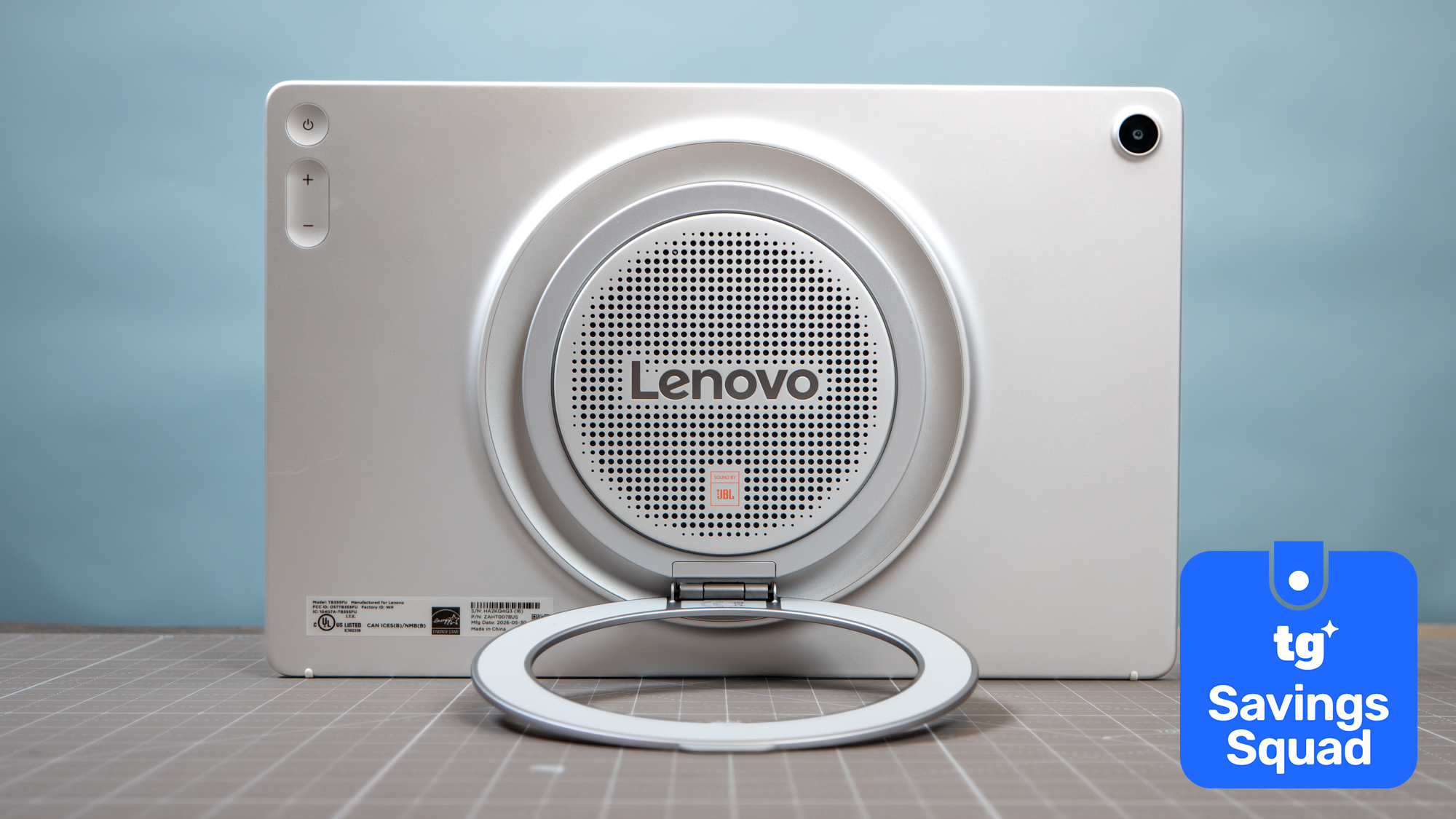
At the heart of the Lenovo Tab Plus Gen 2’s appeal is its unconventional acoustic configuration. Often colloquially described as a high-end speaker system with a tablet attached, the device features an integrated JBL-engineered speaker array comprising nine distinct units. This sophisticated audio layout includes four dedicated tweeters for crisp high-frequency reproduction, three specialized woofers, and two passive radiators designed to deliver deep, resonant bass. This hardware setup enables the tablet to function independently as a high-performance Bluetooth speaker, a versatile feature that bridges the gap between personal entertainment devices and home audio accessories.
Complementing the robust audio system is a meticulously engineered aluminum kickstand attached directly to the speaker housing. Designed for maximum physical durability, the kickstand offers a full 360-degree rotation mechanism, allowing users to effortlessly transition the display between horizontal orientations for cinematic viewing and vertical configurations for reading or digital note-taking. The metallic build ensures structural integrity, holding the heavy-duty slate firmly in place at virtually any angle without slippage.
Despite its heavy emphasis on audio and physical support features, the Tab Plus Gen 2 remains a highly capable media consumption tablet. It is built around a vibrant 12.1-inch display with a resolution of 2560 by 1600 pixels. While the screen panels utilize standard LCD technology rather than more expensive OLED solutions, engineers have tuned the color reproduction to deliver high saturation levels, resulting in vivid, eye-catching visuals. Supported by strong SDR and HDR peak brightness metrics, the display ensures that movies, streaming video content, and digital media retain clarity and impact even in brightly lit environments.
Chronology and Market Positioning
The development of the Tab Plus Gen 2 represents the evolution of Lenovo’s targeted product strategy within the mobile computing sector. Following the initial market reception of the first-generation Tab Plus, consumer feedback consistently highlighted a strong appetite for integrated, high-output audio solutions that eliminated the need for external Bluetooth speakers during travel or casual home use.
Throughout early 2026, technology analysts closely monitored the rollout of Lenovo’s refreshed mobile portfolio. By the time the device was formally evaluated by major industry publications mid-year, its unique blend of utility and acoustics had set it apart from competing Android devices powered by standard Qualcomm and MediaTek architectures. The culmination of this market presence arrived with the Tom’s Guide Computing Awards 2026, where the device surpassed several flagship competitors to secure the top honor in the tablet category.
Following this recognition, Lenovo implemented strategic promotional pricing. The reduction from $399 to $289 positions the hardware aggressively against mid-range competitors, making high-end acoustic integration accessible to a broader consumer demographic. Industry observers note that such promotional cycles are typical for mid-tier technology products striving to capture market share during peak retail windows, though the timing—directly following major industry awards—amplifies the commercial visibility of the device.
Supporting Data and Technical Specifications
A detailed examination of the Lenovo Tab Plus Gen 2 reveals a balanced set of technical compromises engineered to hit a specific price point without sacrificing core user experiences.
| Feature | Specification |
|---|---|
| Display Size & Resolution | 12.1-inch IPS LCD, 2560 x 1600 pixels |
| Audio System | JBL-tuned 9-unit array (4 tweeters, 3 woofers, 2 passive radiators) |
| Stand Design | 360-degree rotatable aluminum integrated kickstand |
| Standard Retail Price | $399 USD |
| Promotional Sale Price | $289 USD |
| Primary Target Market | Media consumption, home entertainment, streaming |
While the processing architecture of the Tab Plus Gen 2 is tailored for media streaming, web browsing, and casual applications rather than heavy gaming or intensive professional workflows, its display metrics compensate for processing limitations by delivering exceptional color fidelity and luminance. The absence of an OLED panel keeps manufacturing costs—and consequently retail prices—manageable, allowing the integration of the complex multi-speaker array without inflating the final cost to the consumer.
Industry Implications and Future Outlook
The commercial success and critical validation of the Lenovo Tab Plus Gen 2 offer broader implications for the Android tablet ecosystem. For years, manufacturers attempting to challenge Apple’s market dominance have frequently engaged in a specification race centered primarily on processor speeds, stylus integration, and keyboard accessory compatibility, often mirroring the feature sets of traditional laptop computers.
Lenovo’s counter-strategy with the Tab Plus series demonstrates that distinct market niches remain viable through functional specialization. By recognizing that a significant portion of tablet users utilize their devices primarily for video streaming, reading, and casual audio playback, the company created a product that solves tangible everyday inconveniences—such as weak built-in tablet speakers and cumbersome external stands—rather than merely chasing incremental benchmark gains.
As the consumer electronics market navigates changing economic conditions, pricing strategies such as the current $110 discount on the Tab Plus Gen 2 highlight the ongoing importance of value-driven hardware propositions. Whether other manufacturers will adopt similar modular or audio-centric design philosophies in future product generations remains to be seen. However, the current standing of the Lenovo device suggests that practical innovation, when paired with aggressive retail pricing, can successfully carve out a distinct and defensible space in a highly consolidated market.