Dynabook Unveils the V83/PA Convertible Laptop Featuring Integrated Stylus Technology and Ultra-Lightweight Design

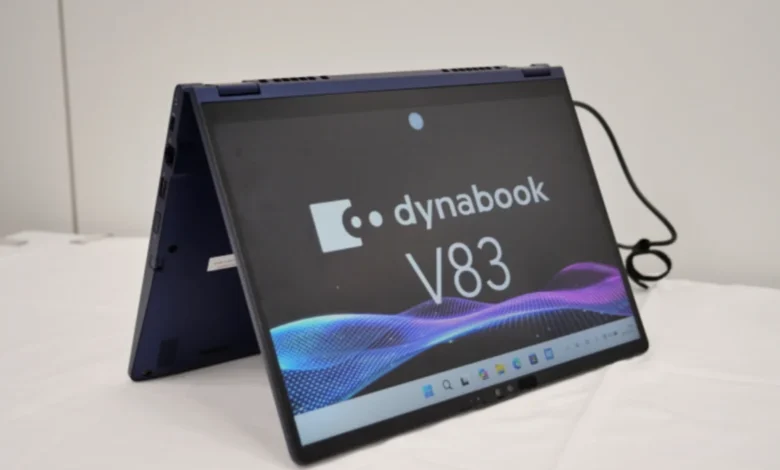
Dynabook has officially introduced the V83/PA, a sophisticated 989-gram convertible laptop that seeks to redefine the intersection of extreme portability and enterprise-grade utility. This new offering arrives as the latest iteration in the company’s ongoing strategy to provide high-performance mobile computing solutions for the modern workforce. By combining a featherweight chassis with a specialized, internally housed stylus, the V83/PA aims to address the common pain points of digital note-taking and on-the-go productivity.
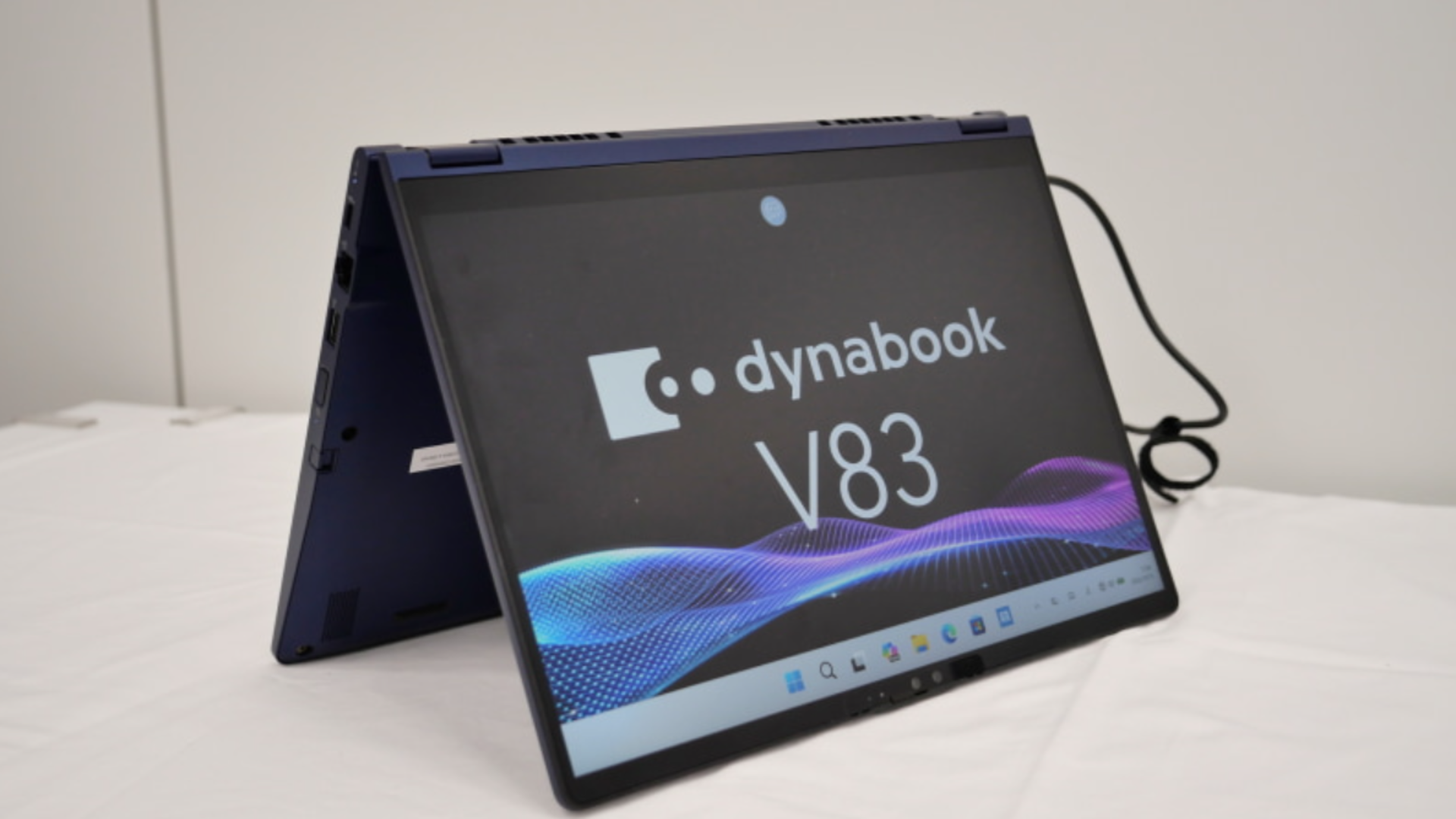
The device features a 13.3-inch LCD touchscreen with a 1920 x 1200 resolution, providing a balanced aspect ratio that caters to both document management and creative tasks. Its convertible design allows the unit to seamlessly transition between a traditional laptop configuration and a tablet format, a versatility increasingly sought after in sectors such as field engineering, high-level corporate management, and creative design.
Structural Design and Connectivity Standards
The physical engineering of the V83/PA centers on a compact footprint measuring 298.8 x 212 x 18.8mm. The aesthetic, finished in a professional "Dark Tech Blue," incorporates rounded rear edges designed to improve handling during transit. Dynabook has prioritized tactile feedback by including an enlarged touchpad, facilitating more precise navigation in the absence of an external mouse.
Connectivity remains a primary focus for enterprise users, and the V83/PA does not compromise in this arena. The device is equipped with two Thunderbolt 4 ports, strategically placed on opposite sides of the chassis to allow for flexible cable management, regardless of the user’s workspace environment. Beyond these high-speed interfaces, the laptop features two USB 3.2 Gen 1 ports, an HDMI output for external display connectivity, a Gigabit Ethernet port for stable wired networking, and a 3.5mm audio jack for legacy peripherals.
For modern wireless requirements, the laptop integrates Wi-Fi 7 and Bluetooth 5.4, ensuring compatibility with the latest high-bandwidth, low-latency networking standards. Furthermore, Dynabook has included options for 4G or 5G mobile broadband, reinforcing the device’s identity as a tool for nomadic professionals who require connectivity beyond the reach of traditional Wi-Fi networks.
Hardware Specifications and Performance Metrics
Under the chassis, the V83/PA is powered by the latest Intel Core Ultra processor series, including the Ultra 7 365, Ultra 7 355, Ultra 5 335, and Ultra 5 325. These chips are designed to leverage heterogeneous computing, balancing performance cores and efficiency cores to maximize battery life without sacrificing power during intensive operations.
Memory and storage configurations are tailored to enterprise demands, with users able to choose between 16GB or 32GB of RAM. Storage options extend up to 1TB via high-speed SSDs, all running on the Windows 11 Pro operating system. A critical component of the laptop’s performance architecture is "Empower Technology," a proprietary Dynabook thermal and power management system that ensures the processor maintains high-clock speeds during sustained, demanding workloads.
Battery performance is estimated by the manufacturer at 28.5 hours in idle mode and 16 hours of continuous video playback. While these figures are impressive, they remain manufacturer-verified estimates; independent laboratory testing will be required to determine real-world endurance under heavy multitasking scenarios.
AI Integration and Security Protocols
Artificial intelligence serves as a cornerstone of the V83/PA’s software suite. The device includes a unique, localized AI tool that allows users to translate or summarize on-screen content simply by circling it with a finger or the included stylus. By processing this data locally rather than routing it through cloud-based servers, Dynabook has prioritized data privacy and security—a critical requirement for government and corporate clients handling sensitive information.
Video conferencing is further augmented by AI-driven noise cancellation and the integration of Windows Studio Effects, which provide advanced framing and background blurring capabilities. These features are supported by a high-resolution 5MP front-facing sensor that enables secure facial recognition. Alternatively, users can authenticate via an integrated fingerprint reader, providing multiple layers of biometric security.
Enterprise-grade protections are standard, including conformity with Microsoft’s Secured-Core PC initiative and adherence to NIST SP800-171 standards. Furthermore, a proprietary BIOS security manager adds a layer of protection against low-level firmware attacks, ensuring the integrity of the device from the moment it powers on.
Market Positioning and Competitive Analysis
The entry-level pricing for the V83/PA is set at approximately ¥1,057,320, or roughly $6,740 USD. This premium price point positions the device in the upper echelon of the business notebook market. While the 989-gram weight and the unique internal stylus charging mechanism are significant engineering achievements, the device faces stiff competition from established manufacturers like Lenovo, Dell, and HP.
Many competing ultralight laptops offer similar Intel Core Ultra processor configurations and memory capacities at a lower cost. For example, the ThinkPad X1 series or the Dell Latitude lineup often provide robust enterprise support, global service networks, and similar security features at lower price points. Consequently, the V83/PA’s market success will likely depend on the specific value proposition of its "all-in-one" design. The ability to dock and charge a stylus within the chassis without requiring an external carry case or separate power source is a distinct advantage for professionals who rely heavily on digital inking but are prone to misplacing peripherals.
Implications for the Enterprise Sector
The launch of the V83/PA reflects a broader industry trend toward "hyper-mobile" computing. As organizations transition to hybrid working models, the demand for devices that are physically unobtrusive but technically potent has surged. Dynabook’s focus on spill-resistant keyboards (capable of handling up to 30cc of liquid) and robust build quality underscores the machine’s intended use in high-stakes environments.
However, the high cost of entry creates a barrier for widespread deployment. Typically, devices at this price point are purchased for C-suite executives or field professionals who operate in specialized conditions where weight and connectivity are the primary determinants of productivity.
Future Outlook and Industry Chronology
The introduction of the V83/PA follows a series of updates across the Dynabook portfolio as the company pivots to align with the "AI PC" era. By moving core AI functionality to the local chip, Dynabook is positioning itself to capitalize on the increasing concern regarding data sovereignty in the enterprise space.
Looking forward, the industry is expected to watch the reception of the V83/PA closely. If the proprietary AI tool and the internal stylus integration demonstrate clear, quantifiable improvements in workflow efficiency, the device could serve as a blueprint for future enterprise laptops. Conversely, if the performance gains do not justify the significant price premium over existing market leaders, the V83/PA may remain a niche product designed for a select demographic of power users.
Ultimately, the V83/PA is a testament to Dynabook’s engineering prowess. It is a device that favors refinement over raw spec-chasing, aiming to provide a frictionless experience for the user. Whether this strategy is enough to capture market share in a crowded, price-sensitive sector remains to be seen, but the V83/PA stands as a clear signal that the company remains committed to high-end, specialized hardware development in an era dominated by standardized computing.