Greggs and Just Eat partner for an exclusive London Fashion Week promotion featuring authentic designer handbags

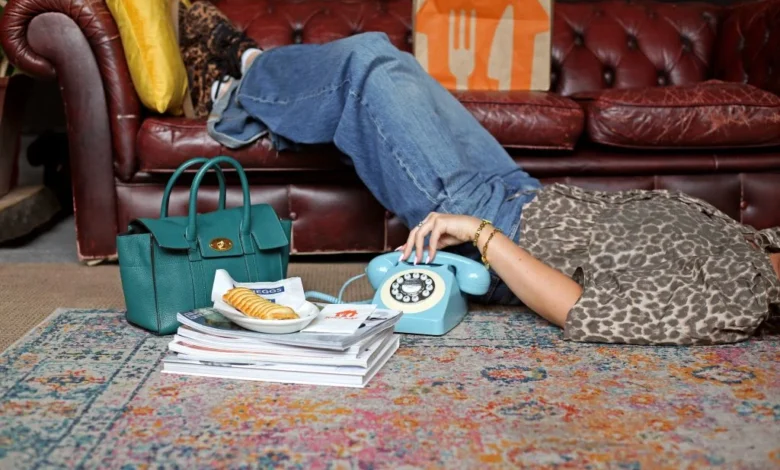
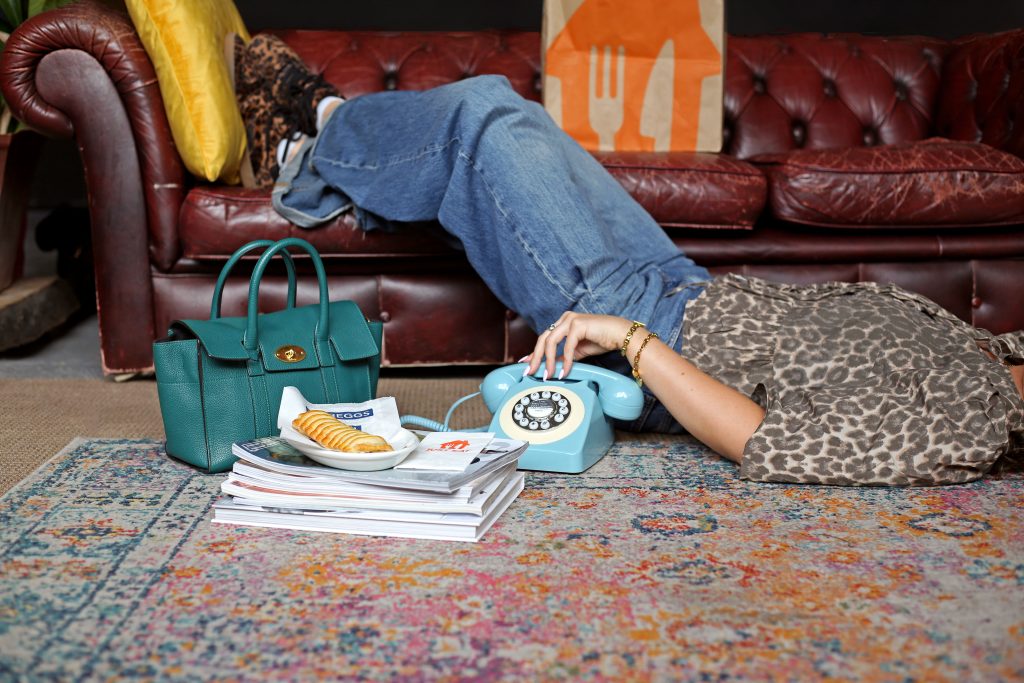
The convergence of high-street convenience and luxury fashion has reached an unexpected milestone as bakery chain Greggs and delivery giant Just Eat announce a collaborative campaign timed to coincide with London Fashion Week. Starting on Thursday, 17 September, customers who place a minimum order of £20 via the Just Eat platform will have the opportunity to secure an authentic, pre-loved designer handbag alongside their lunch. This initiative, while seemingly unconventional, represents a sophisticated marketing strategy designed to bridge the gap between mass-market food retail and the aspirational world of luxury fashion, leveraging the cultural buzz surrounding one of the world’s premier sartorial events.
The Logistics of the Campaign
The promotion is strictly time-bound and geographically limited, reflecting the exclusive nature of the luxury goods being offered. Orders must be placed between the hours of 11:00 am and 1:00 pm on the designated date. To participate, customers must reside within the delivery radius of selected Greggs branches in four major UK cities: London, Manchester, Leeds, and Edinburgh. Given the limited inventory of pre-loved designer pieces, the items will be distributed on a first-ordered, first-served basis, adding a layer of urgency that is characteristic of "drop" culture often seen in the fashion industry.
Just Eat has confirmed that each handbag has been meticulously handpicked to ensure authenticity, style, and quality. By opting for pre-loved inventory rather than brand-new retail items, the campaign also aligns with growing consumer interest in the circular economy, emphasizing sustainability and the extended life cycle of high-end accessories.
London Fashion Week: A Cultural Backdrop
London Fashion Week (LFW) serves as the primary catalyst for this activation. Traditionally, LFW is a period dominated by high-end designers, industry influencers, and international media. By embedding themselves into this narrative, Greggs and Just Eat are positioning themselves as culturally relevant entities that understand the zeitgeist of their audience.
The fashion industry has been undergoing a period of transformation, with a notable shift toward "accessible luxury" and "streetwear" influences. The partnership highlights the democratisation of fashion, suggesting that one does not need to be a front-row guest at a runway show to appreciate or participate in the aesthetic culture of the week. This strategy follows a broader retail trend where brands are utilizing "experiential marketing" to foster brand loyalty beyond the transactional nature of the product.
The Rise of the Resale Market
The decision to feature pre-loved designer handbags is backed by robust data regarding the growth of the secondhand luxury market. According to recent industry reports, the global secondhand luxury market is currently outpacing the growth of the primary luxury market. Consumers, particularly those in the Gen Z and Millennial demographics, are increasingly viewing pre-owned luxury as both a financial investment and an environmental necessity.
By integrating these items into a delivery service, the campaign taps into the "thrifting" trend that has permeated social media platforms. The inclusion of high-end items in a lunch delivery context serves to de-stigmatize secondhand goods, validating them as desirable assets. This move also serves as a masterclass in cross-sector collaboration, where a food delivery service can pivot its brand identity to include lifestyle and fashion components, thereby increasing customer engagement and app retention.
Official Perspectives and Corporate Strategy
Zoe Harris, the Customer Director at Greggs, has framed the campaign as an evolution of the brand’s identity. "From Sausage Rolls to statement bags, this might just be our most fashionable launch yet," Harris noted in a press statement. She emphasized that the campaign is designed to demonstrate that "great taste doesn’t have to come with a hefty price tag."
From a strategic standpoint, this partnership allows Greggs to move beyond its traditional perception as a provider of quick-service food and into the realm of lifestyle branding. For Just Eat, the collaboration reinforces its position as a multi-category delivery platform. As competition in the food delivery sector intensifies, companies like Just Eat are under pressure to innovate. By offering "value-add" experiences—such as the potential to receive a designer bag—they differentiate themselves from competitors like Deliveroo and Uber Eats, who largely focus on pure-play food logistics.
Economic and Retail Implications
The implications of this campaign are twofold: it serves as a robust marketing experiment and a test of logistical capability. Retail analysts suggest that "gift-with-purchase" models are highly effective at increasing the Average Order Value (AOV). By setting the threshold at £20, Greggs and Just Eat are nudging customers to increase their typical lunch spend, potentially encouraging group orders or the addition of premium items to reach the eligibility requirement.
Furthermore, the campaign offers a case study in "brand stretching." When a mass-market brand aligns itself with a luxury aesthetic, it often faces the risk of brand dilution. However, by embracing the humor and irony of the situation, Greggs maintains its authentic "high-street" voice while simultaneously elevating its public image. The juxtaposition of a humble sausage roll with a luxury designer accessory creates a "meme-worthy" moment that is highly shareable on digital platforms, potentially generating significant earned media coverage that far exceeds the cost of the advertising campaign itself.
Chronology and Execution
The planning for such a logistical undertaking would have required months of coordination. Identifying and sourcing authentic handbags, ensuring their condition met the standards required for the campaign, and integrating the distribution logic into the existing Just Eat delivery algorithm represent significant technical hurdles.
- Phase 1: Procurement: Sourcing authentic luxury goods through verified resale channels.
- Phase 2: Operational Integration: Updating the Just Eat app architecture to recognize eligible orders during the specific two-hour window.
- Phase 3: Marketing Launch: Deploying the campaign across social media and PR channels to build anticipation.
- Phase 4: Execution: The live delivery window on 17 September, requiring coordination between restaurant staff and delivery riders.
Broader Market Context
The UK food-to-go market remains highly competitive, with inflation and the cost-of-living crisis impacting consumer discretionary spending. This promotion offers a unique value proposition: the chance to win a high-value item without additional cost beyond the lunch order. In an economic environment where luxury goods feel increasingly out of reach for many, this campaign provides a sense of escapism and optimism.
Moreover, the focus on London, Manchester, Leeds, and Edinburgh targets the primary urban hubs where both the fashion-conscious demographic and the demand for high-frequency food delivery overlap. These cities are also home to the highest concentration of "fast-fashion" consumers, making them the ideal testing ground for a campaign of this nature.
Analysis of Potential Outcomes
While the primary objective is brand visibility, the campaign also serves as a litmus test for future "lifestyle-delivery" integrations. If the campaign proves successful in driving increased transaction volume and positive social media sentiment, it is highly probable that we will see further collaborations between major retail chains and luxury fashion houses.
The campaign does not come without risks. Managing customer expectations during a high-demand, low-supply promotion is notoriously difficult. The potential for disappointment among customers who miss out on the bags is a factor the companies have likely considered, hence the emphasis on the "first-come, first-served" nature of the offer. However, the anticipated uplift in brand engagement and the novelty of the experience are viewed by retail analysts as significant net positives for both parties involved.
Conclusion: The Future of Retail Partnerships
The Greggs and Just Eat collaboration is indicative of a broader shift in the retail landscape. In the digital age, the lines between food, fashion, and technology are blurring. Companies are no longer content to exist within their traditional silos; instead, they are looking to create "ecosystems" that capture a larger share of the consumer’s daily attention.
As consumers continue to demand more personalized and experiential interactions with the brands they frequent, this "deliciously unexpected" promotion sets a precedent for how high-street retailers can stay relevant. By stitching together the worlds of high fashion and everyday value, Greggs and Just Eat have crafted a campaign that is not only memorable but also serves as a strategic marker of how the retail industry is evolving to meet the demands of a modern, digitally native audience. As the curtains rise on London Fashion Week, this partnership ensures that the conversation will extend far beyond the runways, reaching the lunch tables of thousands of consumers across the UK.