Walmart Trades Fur For Victorian Top Hats In High-Stakes Holiday Push Featuring Walton Goggins And The Muppets

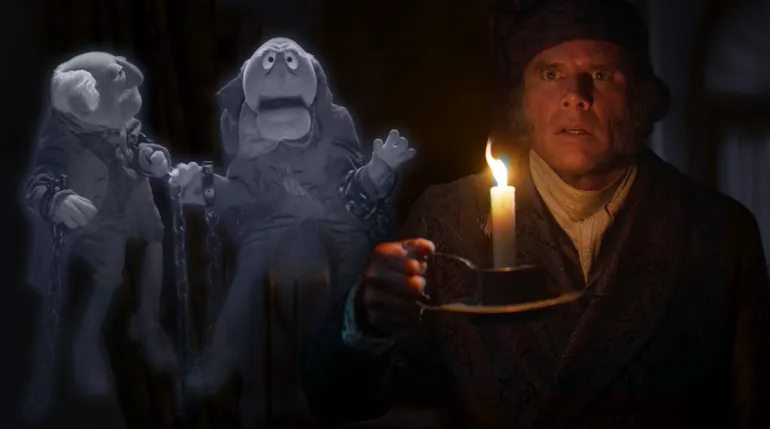
Retail giant Walmart has officially launched its heavily anticipated holiday marketing campaign for the upcoming fourth-quarter gift-giving season, pivoting away from last year’s green-furred Grinch motif to embrace a timeless literary classic. Titled "A Who Knew Carol," the expansive, omnichannel advertising blitz reimagines Charles Dickens’s 1843 novella "A Christmas Carol," starring actor Walton Goggins as the quintessential miser, Ebenezer Scrooge. The campaign is executed in partnership with Jim Henson’s iconic Muppets—including Kermit the Frog and Miss Piggy—and serves as the creative anchor for Walmart’s ongoing "Who Knew?" brand platform.
The strategic pivot comes at a critical juncture for the world’s largest retailer. As economic pressures squeeze household budgets, Walmart is looking to capture a diverse cross-section of consumers, maintaining its core value-driven base while aggressively courting higher-income shoppers attracted to the company’s expanding style and trend-forward inventory. By unifying its seasonal messaging under a single, highly recognizable narrative thread, Walmart aims to cut through the notoriously congested fourth-quarter advertising landscape.
A Unified Narrative Built on Reappraisal
For years, major big-box retailers executed fragmented holiday marketing strategies, compartmentalizing their promotions across distinct seasonal milestones. Campaigns would typically shift tones and messaging multiple times between the initial post-Halloween rollout, the frenzy of Black Friday, Cyber Monday, and the final panic of last-minute December shopping. Walmart Chief Marketing Officer William White recognized that this fractured approach often created consumer fatigue and failed to establish a cohesive brand identity during the most lucrative weeks of the retail calendar.
Last year, Walmart introduced the "Who Knew?" platform, designed explicitly to dismantle long-standing consumer misperceptions about the brand’s product range, particularly in apparel, home goods, and trend-focused categories. The platform leverages wry humor and unexpected pairings to highlight that Walmart offers sophisticated, modern merchandise alongside its traditional discount staples.
The selection of "A Christmas Carol" for the 2026 holiday push is a deliberate thematic mirror to this corporate strategy. According to White, the core premise of Dickens’s story is one of profound reappraisal—a journey from cynicism and misunderstanding to genuine appreciation. This mirrors Walmart’s ongoing corporate evolution as it successfully attracts affluent demographics. In the campaign, Goggins’s Scrooge transitions from a bitter "humbug" attitude toward the modern retail experience into an enthusiastic advocate for Walmart, guided by a trio of seasonal specters.
The Muppet Integration and Creative Execution
To bring "A Who Knew Carol" to life, Walmart tapped Publicis Groupe agencies Fallon, Leo New York, The Community, Digitas, and Zenith. Production details mimic the aesthetic of the beloved 1992 cinematic adaptation, "The Muppet Christmas Carol," complete with detailed physical sets and period-accurate Victorian costumes.
The campaign kicked off with social media teasers before premiering a long-form video on a Monday morning. The cornerstone ad recreates "Scrooge," the iconic opening musical number from the 1992 film, featuring lyrical winks to the modern retail era. Among the meta-jokes is an appearance by Rizzo the Rat, who humorously complains that Walmart did not exist during the nineteenth century.
Furthermore, the creative team integrated modern internet culture into the traditional ensemble. Pepe the King Prawn, a character who achieved viral prominence in meme culture long after the release of the original Muppet holiday film, makes an appearance to bridge generational divides. The campaign also features actress Stephanie Beatriz, a returning fixture of the "Who Knew?" platform, who plays Scrooge’s niece and anchors the company’s dedicated Spanish-language spots.
The traditional ghosts of Christmas past, present, and future have been cleverly retrofitted to promote Walmart’s modern service offerings:
- The Ghost of Christmas Past showcases curated gift ideas across multiple product categories.
- The Ghost of Christmas Present underscores the tangible savings available throughout Black Friday and Cyber Monday events.
- The Ghost of Christmas Future champions rapid convenience, highlighting last-minute gifting capabilities such as Walmart Express Delivery, which guarantees fulfillment in 30 minutes or less.
Strategic Media Mix and Creator Collaborations
Walmart’s distribution strategy for "A Who Knew Carol" is as expansive as its physical footprint. The multimedia plan saturates broadcast television, streaming platforms, online video channels, social media ecosystems, out-of-home displays, audio platforms, podcasts, and digital publisher networks. The campaign will also feature prominently during high-visibility programming, including National Football League (NFL) broadcasts, where on-air personalities will integrate the messaging into regular commentary.
A notable evolution in Walmart’s modern marketing playbook is its heavy reliance on digital content creators and influencers. As the retailer attempts to solidify its reputation as a legitimate fashion and lifestyle destination, it is utilizing creators to drive simultaneous awareness, brand consideration, and direct-to-consumer conversion. Miss Piggy will also play a distinct, yet-to-be-revealed role in the brand’s style marketing initiatives over the course of the quarter.
Industry analysts note that utilizing creators for top-of-funnel awareness while simultaneously embedding transactional links directly into social platforms has become an essential strategy for big-box retailers looking to convert passive scrollers into active e-commerce shoppers during high-stakes retail windows.
Navigating Fourth-Quarter Economic Realities
Walmart enters the final stretch of the fiscal year buoyed by strong financial momentum, even as consumer sentiment regarding the broader macroeconomic climate remains mixed. In its most recent fiscal second-quarter earnings report, Walmart posted total revenue of $187.9 billion, representing a robust 5.9% year-over-year increase. E-commerce performance was a particular standout, surging 24% compared to the same period in the previous year and now accounting for nearly one-quarter of the company’s total U.S. sales—double its digital share from five years prior.
Broader industry projections suggest that retail consumer spending will remain resilient despite persistent economic anxieties. Surveys published by Deloitte anticipate that holiday retail sales will climb approximately 10% year-over-year, buoyed by consumer demand for essential goods, discounted electronics, and convenient omnichannel fulfillment options like curbside pickup and rapid home delivery.
However, the competitive landscape remains fiercely contested. Target, Walmart’s primary brick-and-mortar rival in the general merchandise sector, launched its own high-concept holiday marketing campaign centered around a fictional gift-giving academy staffed by specialized departmental faculty. This head-to-head battle for consumer loyalty has driven major retailers to invest heavily in emotional storytelling, memorable intellectual property (IP), and seamless digital experiences to secure market share.
Additionally, Walmart’s campaign arrives during a cultural moment when Charles Dickens’s literary classic is receiving heightened attention across other entertainment mediums. The timing coincides with the rollout of "Ebenezer," a high-profile cinematic reimagining of the story starring Johnny Depp as Scrooge, which is being marketed heavily as a major comeback project for the actor. Walmart executives have expressed optimism that this broader cultural saturation surrounding the source material will organically amplify consumer interest and engagement with the brand’s advertising.
Broader Implications for Retail Marketing
The launch of "A Who Knew Carol" marks a significant evolution in how legacy retailers utilize classic intellectual property. Rather than relying on simple product-and-price circular advertising, modern retail marketing requires sophisticated, narrative-driven content capable of playing across dozens of fragmented media channels simultaneously—from traditional living room television sets to TikTok feeds and streaming audio platforms.
By bridging generational touchstones like the Muppets with contemporary comedic talent like Walton Goggins, Walmart is demonstrating an ability to orchestrate unified messaging that resonates equally with nostalgic older shoppers and trend-conscious younger consumers. As the holiday shopping season reaches its crescendo over the coming weeks, the ultimate success of Walmart’s strategy will be measured not just by ad recall or viral engagement, but by its ability to translate holiday foot traffic and digital checkouts into sustained, long-term customer loyalty.