Beyond the Backup: Bridging the Gap Between Data Preservation and Service Recovery in Kubernetes Environments

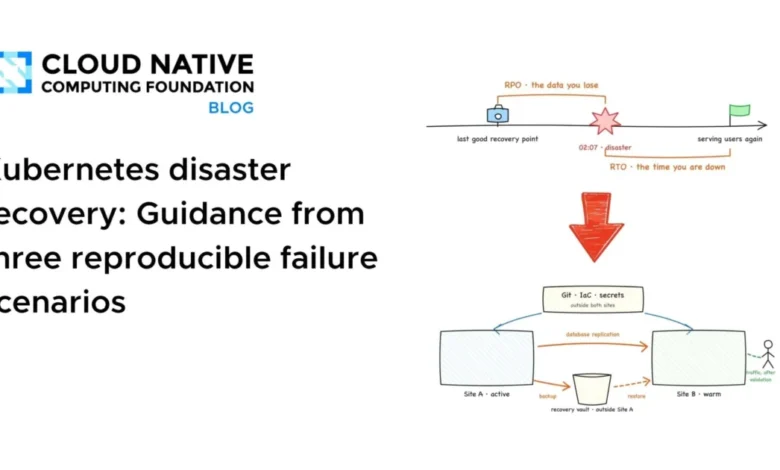
On September 10, 2026, CNCF Ambassadors Saiyam Pathak and Saloni Narang released a comprehensive technical study highlighting the critical discrepancy between backing up data and successfully achieving operational recovery in cloud-native environments. As organizations increasingly rely on Kubernetes for mission-critical stateful applications, the report warns that the industry’s current reliance on standard backup completion signals is insufficient. By simulating three specific failure scenarios in a controlled lab environment, the researchers demonstrated that while individual recovery layers—such as cluster infrastructure, container definitions, and persistent volume data—often function correctly in isolation, failures frequently manifest at the critical intersections where these layers are intended to integrate.
The Anatomy of Recovery Failure
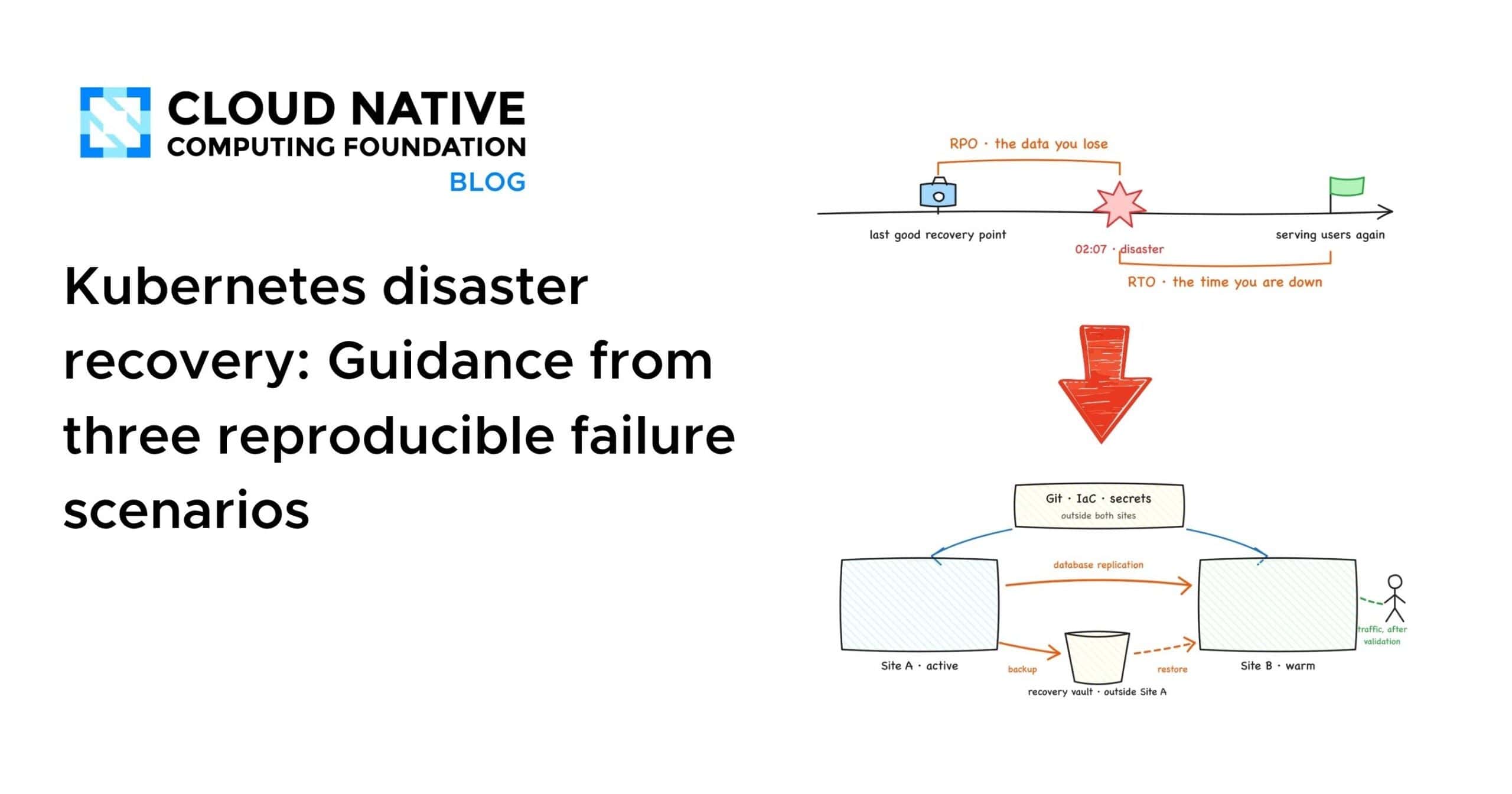
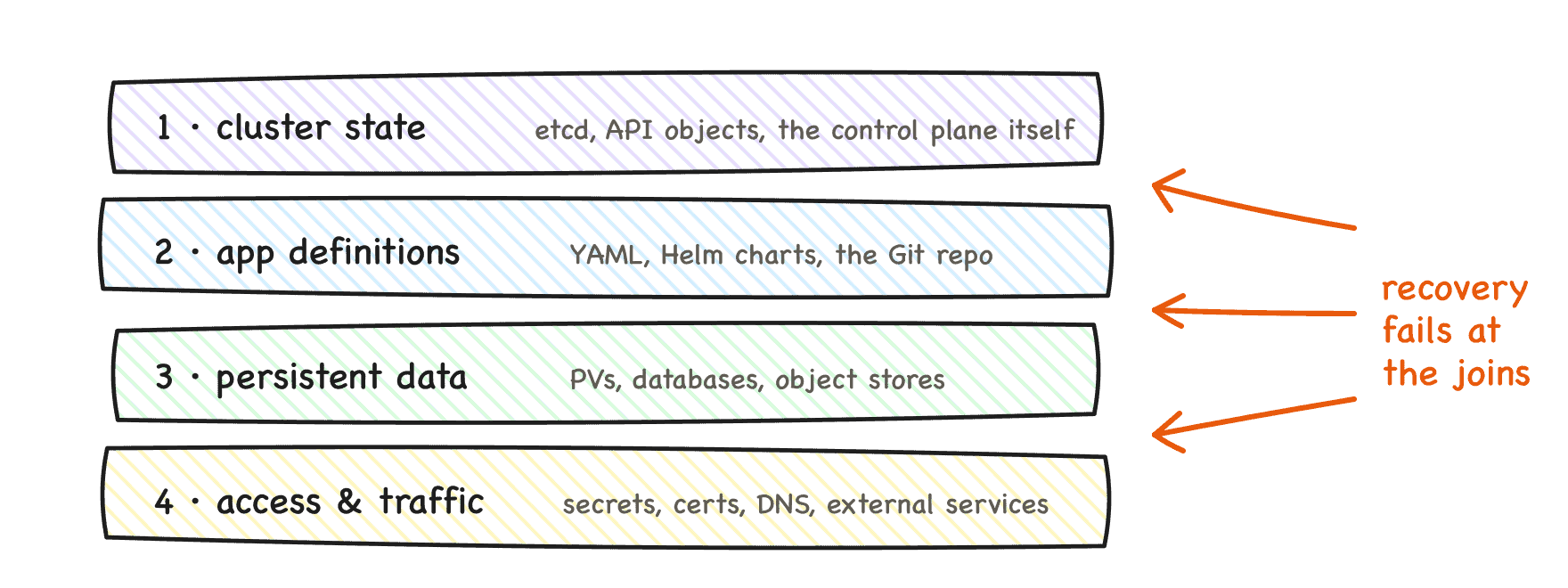
For a recovery operation to be considered successful, four distinct layers must be synchronized: the infrastructure layer, the cluster control plane, the application definitions, and the persistent data storage. Conventional disaster recovery (DR) protocols often focus on individual components, leading to a false sense of security. The research team’s lab findings indicate that even when a backup status is marked as "Completed," it does not guarantee that the data is functional or that the application can re-establish its operational state upon restoration.
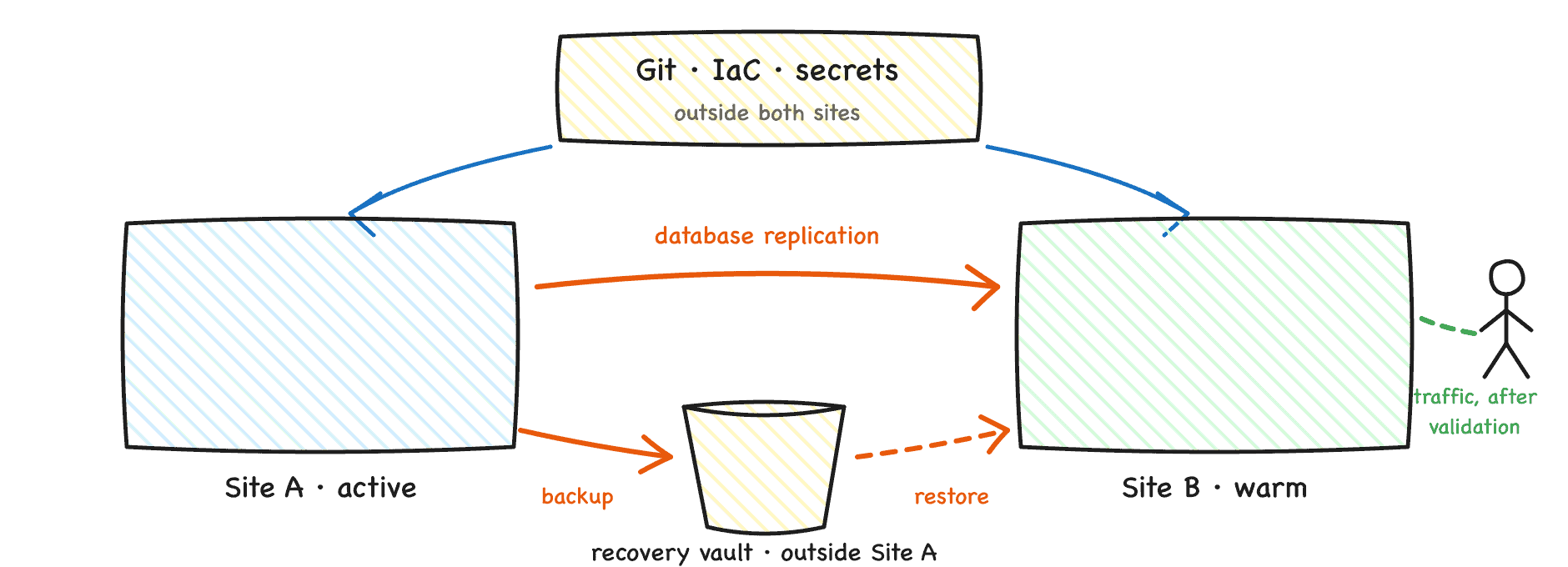
The study utilized a PostgreSQL workload as a benchmark, testing recovery scenarios against verifiable data sets rather than simple "green dashboard" status indicators. The implications for the broader industry are significant: standard backup tools, while effective at moving bits to object storage, are often "infrastructure-blind." They do not account for the re-provisioning of load balancers, DNS records, or the underlying nodes that must exist before the backup can be successfully restored.
Scenario Analysis: From Data Movement to Logical Consistency
The researchers identified three primary failure modes that occur during the recovery lifecycle.
1. Verification of Data Integrity
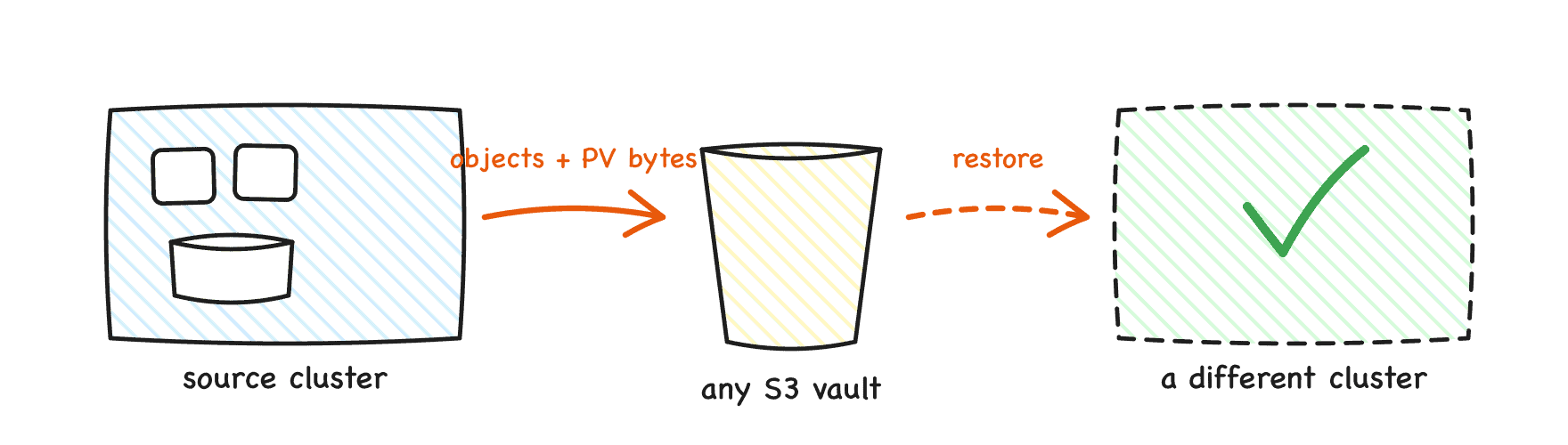
Many organizations stop their verification process once a backup tool reports a success signal. The report argues that administrators must go a step further, confirming the actual transfer of volume bytes. Using Velero as a reference implementation, the study showed that tracking the datauploads phase is essential to ensure that the volume data has actually left the source cluster and reached the external object store. Without this granular verification, organizations risk discovering an empty backup only when a critical failure occurs.
2. The GitOps Fallacy
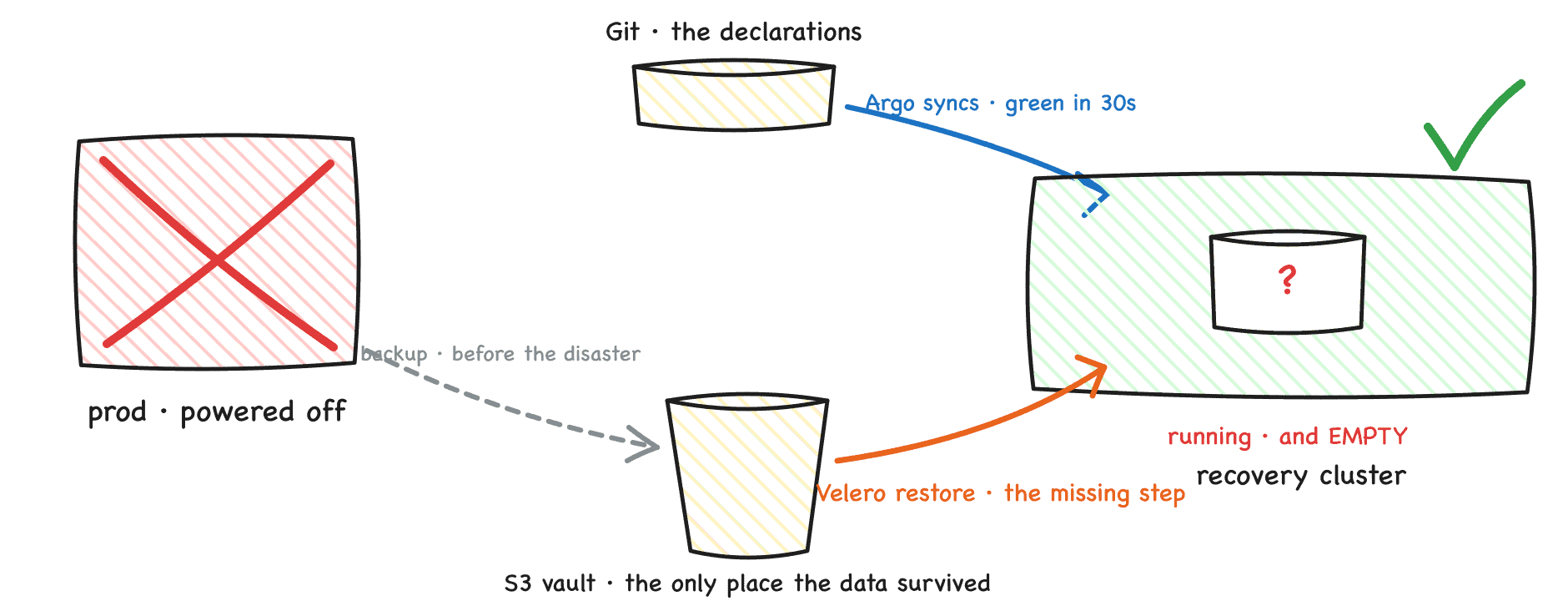
A recurring challenge in modern DevOps is the misconception that GitOps can replace traditional data backups. In the report’s second scenario, a recovery cluster was initialized using GitOps, which successfully deployed the application’s YAML definitions. However, because the database’s actual state (the records) resided in the persistent volume—not in Git—the application failed to function. The controller correctly rebuilt the infrastructure, but the database returned an error indicating missing relations. The key takeaway is that GitOps manages intent, while backups manage state; a robust DR strategy must reconcile both simultaneously.
3. Multi-Volume Consistency
Perhaps the most complex challenge highlighted is the issue of data tearing. Modern stateful applications often rely on multiple persistent volumes. If a backup tool snapshots these volumes sequentially rather than simultaneously, the resulting data may represent two different points in time, leading to logical corruption. For instance, in a system tracking orders and payments, an inconsistent snapshot could result in a payment being recorded without its corresponding order. The introduction of the VolumeGroupSnapshot API in Kubernetes 1.36 represents a major step forward, enabling coordinated snapshots across multiple volumes to maintain ACID (Atomicity, Consistency, Isolation, Durability) compliance during recovery.
The Evolving Landscape of Cloud-Native Resilience
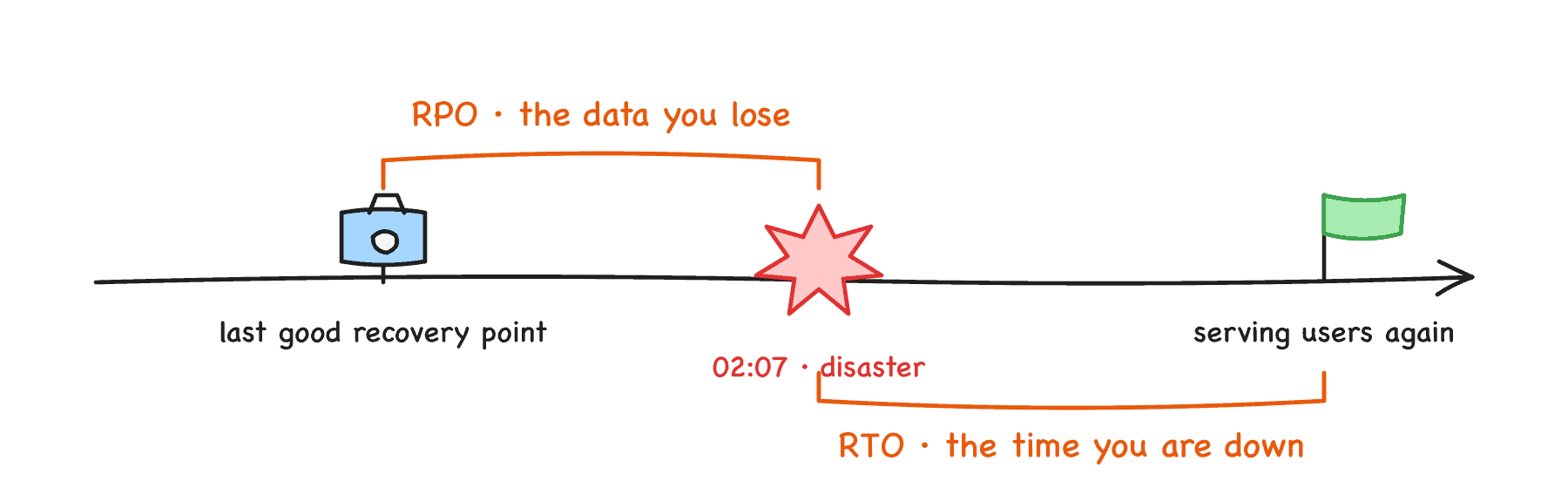
The data provided in the report suggests that the average recovery time objective (RTO) is frequently underestimated. In the lab, while the technical restoration of data took approximately two minutes, this did not include the time required for disaster detection, decision-making, traffic rerouting, and final verification. The authors emphasize that "the moment the dashboards turned green was not the recovery; the moment the data came back and was checked was."
This research arrives at a pivotal time for the Cloud Native Computing Foundation (CNCF) and the wider tech sector. As of late 2026, the industry is seeing a shift toward "operational resilience," moving away from simple backup metrics toward comprehensive, end-to-end recovery testing. The reliance on legacy infrastructure concepts within the containerized world is being replaced by cloud-native primitives, such as the VolumeGroupSnapshot API, which provides a more granular control over storage clusters.
Industry Implications and Future Directions
The report’s authors, Pathak and Narang, suggest that the current ecosystem suffers from a lack of "joint-layer" awareness. While individual tools like Velero or CSI snapshot controllers have matured, there remains a significant gap in tools that can orchestrate the entire recovery flow across infrastructure, storage, and application tiers.
The implications for enterprises are clear:
- Move beyond "Completed" status: Organizations must implement automated verification scripts that check for actual data integrity, not just completion flags.
- Test for Portability: Restore procedures should be tested across different infrastructure environments, as a disaster may prevent a return to the original node runtime or cloud region.
- Adopt Coordinated Snapshots: For complex stateful applications, moving to
VolumeGroupSnapshotor similar orchestrated volume management is no longer optional but a requirement for data integrity.
Call to Action: The Cloud Native Business Continuity Initiative
In response to these findings, the CNCF’s Technical Advisory Group (TAG) on Operational Resilience has established a new initiative to address these gaps. The working group is currently calling for contributors to participate in a landscape analysis of existing DR tools and the development of standardized reference architectures for Kubernetes disaster recovery. This initiative, tracked via the CNCF’s official GitHub repositories, aims to provide clear guidance on how to navigate the complex boundary between cloud infrastructure and containerized state.
As Kubernetes matures, the focus of the community is clearly shifting from deployment velocity to long-term operational survival. The lessons presented in this study suggest that the next phase of cloud-native development will be defined not by how quickly applications can be deployed, but by how reliably they can be resurrected from a catastrophic state. By treating recovery as a code-defined, verifiable, and multi-layered process, engineers can ensure that their data is not just saved, but truly recoverable.