President Trump Announces Staggered 200% Tariffs on Generic Pharmaceuticals to Catalyze Domestic Reshoring

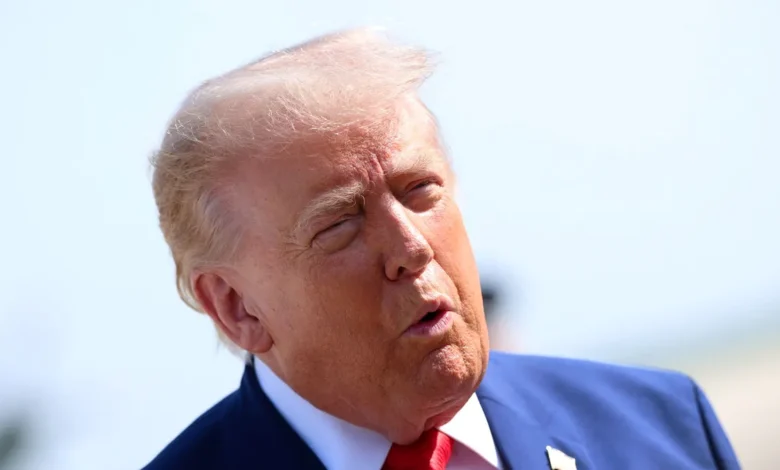
President Donald Trump has announced a significant shift in U.S. trade policy regarding generic pharmaceuticals, outlining plans to implement a phased increase in tariffs that will culminate in a 200% levy on imported generic drugs. The policy, detailed in a Truth Social post on Tuesday, July 22, 2026, aims to aggressively incentivize the reshoring of generic drug production to the United States, marking a dramatic escalation in the administration’s "America First" economic agenda.
Under the new directive, which is slated to commence on August 1, 2026, generic pharmaceuticals will initially continue to enjoy duty-free treatment for a period of two years. Following this grace period, the tariff rate will sharply increase to 100% for an additional year, before reaching its peak of 200%. President Trump explicitly stated the rationale behind this aggressive measure: "This is done in order to RESHORE Generic Pharmaceutical Production into America, with a penalty to those Companies that decide not to build Plant and Equipment within the stated period of time given to them." This policy underscores a broader strategy of leveraging tariffs to compel domestic manufacturing investment and reduce reliance on foreign supply chains.
The Administration’s "America First" Economic Philosophy and Supply Chain Security
The announced tariffs on generic pharmaceuticals are a direct extension of President Trump’s long-standing "America First" economic philosophy, which prioritizes domestic industry, job creation, and national security through economic independence. This approach has consistently manifested in policies aimed at reducing trade deficits, protecting American industries from foreign competition, and bringing manufacturing jobs back to the United States. The pharmaceutical sector, particularly the generic drug market, has emerged as a critical focus point due to its vital role in public health and perceived vulnerabilities in its global supply chain.
The COVID-19 pandemic significantly exposed the fragilities within the global medical supply chain, highlighting the United States’ heavy reliance on foreign manufacturers for essential medicines, including many generic drugs and their active pharmaceutical ingredients (APIs). Countries like India and China have become dominant players in the global generic drug market, supplying a substantial portion of the world’s affordable medications. The administration has frequently cited national security concerns, arguing that an over-reliance on foreign sources for critical medicines poses strategic risks, especially during times of crisis or geopolitical tension. This new tariff policy is presented as a definitive step to address these vulnerabilities by fostering a robust, self-sufficient domestic pharmaceutical manufacturing base. The president’s statement clearly indicates a punitive element for companies that fail to comply with the reshoring objective, signaling a zero-tolerance approach to continued offshore production.
Detailed Chronology of Recent Tariff Actions
This announcement concerning generic drugs is the latest in a rapid succession of tariff decisions made by the Trump administration in recent weeks, signaling an intensified focus on trade as a policy tool. The timeline of these actions illustrates a comprehensive and aggressive push to reshape global trade dynamics:
- July 22, 2026: President Trump announces the phased tariffs on generic pharmaceuticals: 0% for two years (starting August 1, 2026), then 100% for one year, followed by 200%. This policy explicitly targets the generic drug sector for reshoring.
- Early July 2026: Just over a week prior to the generic drug announcement, the U.S. revealed plans to impose a 100% tariff on patented pharmaceutical products from a list of 17 specific companies. Prominent names on this list include global pharmaceutical giants such as Eli Lilly and Co., Pfizer, and Novo Nordisk. These tariffs are set to take effect shortly after the generic drug announcement. Importantly, the administration carved out reduced levies for covered imports originating from several countries with which the U.S. has established specific trade-related agreements.
- September 29, 2026: The 100% tariff on patented pharmaceutical products will expand to include additional companies, maintaining the same trade deal-related carveouts for certain importing nations. When these patented drug tariffs were initially announced in April, President Trump had indicated that generic drugs would be exempt for at least a year, with a reassessment to follow. Tuesday’s announcement for generics clearly adjusts and accelerates that timeline, creating a distinct and separate tariff structure for generic medications.
- April 2026: The initial announcement of the 100% tariffs on patented drugs, following a Section 232 investigation, set the stage for the current pharmaceutical trade policy overhaul.
- Last Week of July 2026 (prior to the generic drug announcement): The administration imposed a 50% levy on a wide range of goods imported from Canada, escalating trade tensions with one of the U.S.’s closest neighbors and largest trading partners.
- Last Week of July 2026 (prior to the generic drug announcement): A 25% duty was placed on a slew of imports from Brazil, reflecting ongoing trade disputes and the administration’s readiness to use tariffs against diverse economies.
- February 2026: President Trump had instituted a temporary 10% tariff following a Supreme Court ruling that had invalidated previous duties. This temporary measure is set to expire on the upcoming Friday, raising questions about whether new, permanent tariffs will replace it.
- Ongoing Investigations: The Trump administration is actively conducting several Section 232 and Section 301 probes. These investigations, which assess threats to national security from imports (Section 232) or unfair trade practices by foreign countries (Section 301), have historically served as the legal bedrock for many of the administration’s tariff impositions, including those recently announced on products from Brazil. The administration did not explicitly state whether the new generic drug tariffs would leverage a Section 232 mechanism, which has previously been used to implement duties on a diverse range of goods from steel and aluminum to cars and auto parts. However, the use of such broad authority is consistent with past actions.
The Global Generic Pharmaceutical Landscape and U.S. Reliance
The generic pharmaceutical market is a colossal global industry, vital for providing affordable access to medications worldwide. The U.S. is the largest consumer of pharmaceuticals, and generic drugs account for approximately 90% of all prescriptions filled in the country, despite representing a much smaller percentage of total drug spending. This affordability is largely driven by fierce competition among manufacturers, many of whom operate outside the United States.
Key manufacturing hubs for generic drugs and their active pharmaceutical ingredients (APIs) are predominantly located in Asia, particularly India and China. These nations benefit from lower labor costs, extensive chemical manufacturing infrastructure, and, at times, more lenient environmental regulations, which allow them to produce drugs at significantly reduced costs compared to Western countries. For instance, reports indicate that the U.S. imports over 80% of its APIs, the core chemical components of drugs, with a substantial portion originating from these two countries. The value of U.S. generic drug imports runs into tens of billions of dollars annually, underscoring the deep integration of the U.S. market into the global supply chain. This reliance, while economically efficient in terms of cost, has been identified by the administration as a strategic vulnerability, particularly for essential medications.
Industry Reactions and Expert Analysis
The announcement has predictably elicited a range of reactions from industry stakeholders, trade experts, and consumer advocacy groups, many of whom are grappling with the implications of such a drastic policy shift.
Deborah Elms, head of trade policy at the Hinrich Foundation, swiftly commented on the development in a LinkedIn post, noting, "We are back to possible trade policy via tweet. This time a new threat on generic pharmaceuticals." Elms highlighted the inherent uncertainty of the policy, stating, "Start date two years away, so it may well be a threat that never materializes. But because it still might happen, worth paying attention to today." Her remarks capture the mixed sentiment of alarm and cautious skepticism that often accompanies the administration’s trade announcements, particularly those with a delayed implementation.

Pharmaceutical Industry Concerns:
Industry associations, such as the Association for Accessible Medicines (AAM), which represents generic drug manufacturers, are expected to express significant concerns. While specific official statements are pending, their typical stance emphasizes the complexity and capital-intensive nature of pharmaceutical manufacturing. Reshoring production of APIs and finished generic drugs would require massive investments in new facilities, skilled labor, and adherence to stringent U.S. regulatory standards. This process cannot happen overnight. Industry representatives are likely to argue that such steep tariffs could:
- Increase Drug Costs: Tariffs are ultimately costs that are often passed on to consumers. A 200% tariff could effectively quadruple the price of imported generic drugs, negating their core benefit of affordability and potentially making essential medications inaccessible for millions of Americans.
- Disrupt Supply Chains: The abrupt shift could lead to shortages of critical drugs if domestic production capacity cannot meet demand in the timeframe envisioned by the tariffs.
- Hinder Innovation: Companies might divert resources from research and development to manage tariff impacts or invest in costly reshoring efforts.
- Advocate for Alternatives: Industry groups often advocate for alternative incentives, such as tax credits, grants for manufacturing upgrades, and streamlined regulatory processes, rather than punitive tariffs, to encourage domestic production.
Trade Economists and Analysts:
Economists are likely to analyze the feasibility and economic impact of the policy. Many will point to the fundamental economic principles of comparative advantage, arguing that tariffs distort markets and can lead to inefficient resource allocation. Key points of analysis would include:
- Inflationary Pressure: Higher costs for generic drugs would contribute to inflation, impacting household budgets, particularly for elderly populations and those with chronic conditions.
- Feasibility of Reshoring: Building new pharmaceutical manufacturing plants is a multi-year, multi-billion-dollar endeavor, involving complex supply chains for raw materials, specialized equipment, and a highly skilled workforce. The two-year grace period, followed by escalating tariffs, might not be sufficient to establish the necessary infrastructure and capacity.
- Trade Retaliation: Major generic drug-producing countries like India and China could retaliate with their own tariffs on U.S. exports, exacerbating global trade tensions and potentially harming other American industries.
- Impact on U.S. Competitiveness: If domestic production costs soar, it could make U.S.-made drugs less competitive globally, impacting export markets.
Consumer Advocacy Groups:
Consumer organizations are expected to voice strong opposition, focusing on the potential for soaring drug prices and reduced access to essential medications. They would likely highlight the disproportionate impact on vulnerable populations and the elderly, who rely heavily on affordable generic drugs. Concerns about potential drug shortages and quality control issues during a rushed transition period would also be prominent.
Economic Implications and Supply Chain Transformation
The proposed 200% tariffs on generic pharmaceuticals carry profound economic implications and could fundamentally reshape the global pharmaceutical supply chain.
Impact on Drug Prices and Patient Access: The most immediate and tangible effect would likely be a significant increase in the cost of generic drugs for American consumers. Generics are the backbone of affordable healthcare, allowing patients to access necessary treatments at a fraction of the cost of patented brand-name drugs. A 200% tariff, even if partially absorbed by manufacturers and distributors, would almost certainly translate into higher out-of-pocket costs, increased burdens on insurance providers, and potentially force some patients to forgo essential medications. This could undermine years of efforts to control healthcare costs and improve drug accessibility.
Manufacturing Investment and Job Creation: The core objective of the tariffs is to compel pharmaceutical companies to invest in domestic manufacturing capabilities. The administration anticipates that the substantial penalty for offshore production will make U.S.-based manufacturing economically viable, if not imperative. This could indeed lead to the construction of new pharmaceutical plants, creating thousands of jobs in manufacturing, research, and development. However, the scale and speed of such investment are critical. Building state-of-the-art pharmaceutical facilities takes years, not months, and requires significant capital expenditure, regulatory approvals, and a specialized workforce. The two-year window before the 100% tariff kicks in is ambitious for establishing comprehensive API and finished product manufacturing lines.

Supply Chain Diversification vs. Concentration: While the stated goal is to enhance supply chain security by bringing production home, some analysts argue that over-reliance on a single domestic source could also create new vulnerabilities. A diversified global supply chain, albeit with strategic domestic reserves, might offer more resilience against localized disruptions (e.g., natural disasters, labor disputes, or quality control issues at a single major plant). The policy shifts the risk from geopolitical factors to domestic production stability.
Impact on Foreign Producers and Global Trade Relations: Generic drug manufacturers in countries like India and China, which currently dominate the U.S. import market, would face immense pressure. They would either need to absorb the exorbitant tariff costs, find new markets for their products, or consider investing in U.S. manufacturing themselves, albeit under duress. This policy is almost certain to strain trade relations with these key partners, potentially leading to retaliatory tariffs on U.S. agricultural products or other exports, creating broader economic friction. The move further chips away at the principles of free trade and could inspire other nations to adopt similar protectionist measures.
National Security and Medical Preparedness: From the administration’s perspective, the policy directly addresses national security concerns by ensuring a domestic supply of critical medicines. In a future pandemic or national emergency, the U.S. would theoretically be less dependent on foreign sources that might prioritize their own populations or face export restrictions. However, the effectiveness of this security enhancement depends heavily on the successful, rapid, and comprehensive establishment of domestic manufacturing capacity across the entire generic drug spectrum.
Precedent and Future Outlook
The Trump administration’s consistent and expansive use of tariffs as a primary foreign and economic policy tool sets a powerful precedent. By deploying Section 232 (national security) and Section 301 (unfair trade practices) investigations, the administration has demonstrated a willingness to reinterpret and leverage existing trade laws to achieve its objectives, often bypassing traditional multilateral trade dispute resolution mechanisms. The current flurry of tariff announcements—on patented drugs, generic drugs, Canadian goods, and Brazilian imports—underscores a deliberate strategy to exert economic pressure across various sectors and geographies.
The two-year grace period for generic drug tariffs introduces a layer of uncertainty. While it provides companies with a window to adapt, it also allows for potential policy shifts, depending on political developments or unforeseen economic changes. Deborah Elms’ observation that the threat "may never materialize" is a reflection of the dynamic nature of trade policy under this administration. However, the mere threat, backed by a clear timeline, is intended to force companies to begin strategic planning for reshoring.
In the long term, these tariff policies could have profound implications for global trade governance. They challenge the norms established by the World Trade Organization (WTO) and could lead to a more fragmented international trading system characterized by bilateral disputes and protectionist tendencies. Domestically, the success or failure of this ambitious reshoring effort will be a critical test of whether tariffs can effectively drive industrial policy and achieve stated national security objectives without imposing undue economic hardship on consumers. The political calculus also remains significant, as the promise of American jobs and supply chain independence resonates with a segment of the electorate, even as others voice concerns over potential price hikes and trade wars. The coming years will reveal the true impact of this transformative approach to pharmaceutical trade.