Samsung Unveils Galaxy Watch 9 and Galaxy Watch Ultra 2 with Advanced Health Features and Enhanced Trade-In Offers

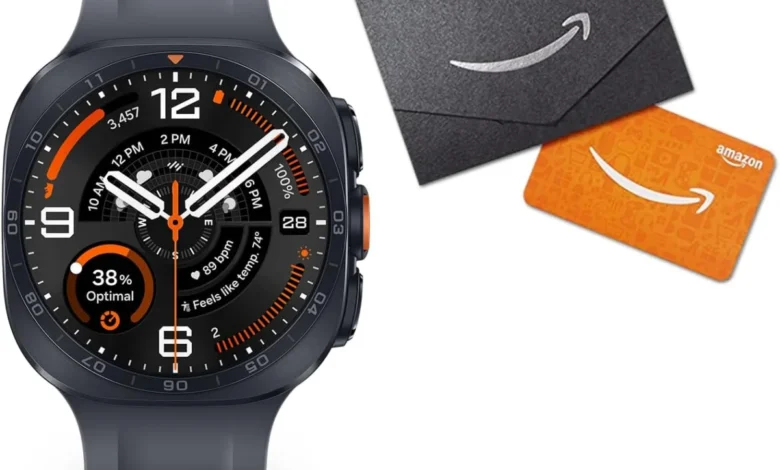
Samsung Electronics has officially expanded its wearable portfolio with the debut of the Galaxy Watch 9 and the Galaxy Watch Ultra 2, marking a significant step forward in the company’s integration of artificial intelligence and high-performance hardware. Announced during the highly anticipated Galaxy Unpacked event, these new devices represent Samsung’s latest attempt to capture the premium smartwatch market while maintaining its stronghold in the fitness-tracking sector. The Galaxy Watch 9 is priced starting at $379, while the more rugged Galaxy Watch Ultra 2 enters the market at $699. These figures reflect a price increase of $30 and $50, respectively, compared to their predecessors, a move industry analysts attribute to rising component costs and the inclusion of more sophisticated sensors and materials.
Despite the higher entry price, Samsung has launched an aggressive promotional campaign to facilitate upgrades among its existing user base. Consumers can currently secure up to $250 in trade-in credit toward the purchase of a Galaxy Watch 9 or Galaxy Watch Ultra 2 when exchanging an eligible older Samsung or Apple Watch. For those without a device to trade, the company is offering a $100 instant credit to incentivize early adoption. With a formal release date set for August 7, these wearables are positioned to be the centerpieces of Samsung’s mobile ecosystem for the remainder of the year and into 2025.
The Evolution of the Galaxy Watch Series
The journey to the Galaxy Watch 9 and Ultra 2 has been defined by a decade of iterative improvements and strategic pivots. Samsung’s wearable history began with the original Galaxy Gear, but the modern era of the lineup truly commenced with the transition back to Google’s Wear OS with the Galaxy Watch 4 series. This move allowed for a more robust app ecosystem and tighter integration with Android smartphones.
Since that transition, Samsung has experimented with various sub-brands, including the "Active," "Classic," and "Pro" models. The introduction of the "Ultra" moniker with the Ultra 2 signals a permanent shift toward the high-end, rugged market—a segment currently dominated by specialized brands like Garmin and the Apple Watch Ultra series. By offering the Galaxy Watch 9 as a refined, daily-driver option and the Ultra 2 as a professional-grade tool for athletes and adventurers, Samsung is diversifying its appeal to reach both casual users and extreme enthusiasts.
Technical Specifications and Hardware Innovations
The Galaxy Watch 9 serves as the foundation of the new lineup, featuring a sleek, circular design that has become synonymous with the brand. It is powered by a new 3nm processor, which Samsung claims offers a 30% improvement in power efficiency and a significant boost in processing speed compared to the previous generation. This allows for smoother UI transitions and faster app loading times. The device continues to offer the BioActive Sensor, which combines optical heart rate, electrical heart signal, and bioelectrical impedance analysis to provide a comprehensive view of the user’s health.
In contrast, the Galaxy Watch Ultra 2 is built for durability and performance in harsh environments. It features a grade 4 titanium chassis and a "cushion" design that protects the screen from side impacts. The Ultra 2 is rated for 10ATM water resistance and has been tested to operate at extreme altitudes and temperatures. Perhaps the most significant hardware feature of the Ultra 2 is its dual-frequency GPS system, which provides more accurate tracking in dense urban environments or deep wilderness areas where standard GPS signals often falter.
The battery life of the Ultra 2 has also seen a substantial upgrade. In its optimized power-saving mode, the watch can last up to 100 hours, making it viable for multi-day hiking trips or endurance races. Even in standard exercise tracking modes, it significantly outlasts the standard Galaxy Watch 9, addressing one of the primary complaints users have historically had regarding high-performance smartwatches.
AI Integration and the Health Ecosystem
A major theme of the Galaxy Unpacked event was the "Galaxy AI" initiative. Both the Galaxy Watch 9 and Ultra 2 are the first wearables to fully leverage these new AI capabilities. Central to this is the "Energy Score," a new metric that analyzes physical activity, sleep quality, and heart rate variability to give users a daily readiness rating. This feature is designed to help users decide whether to push themselves in a workout or prioritize recovery.
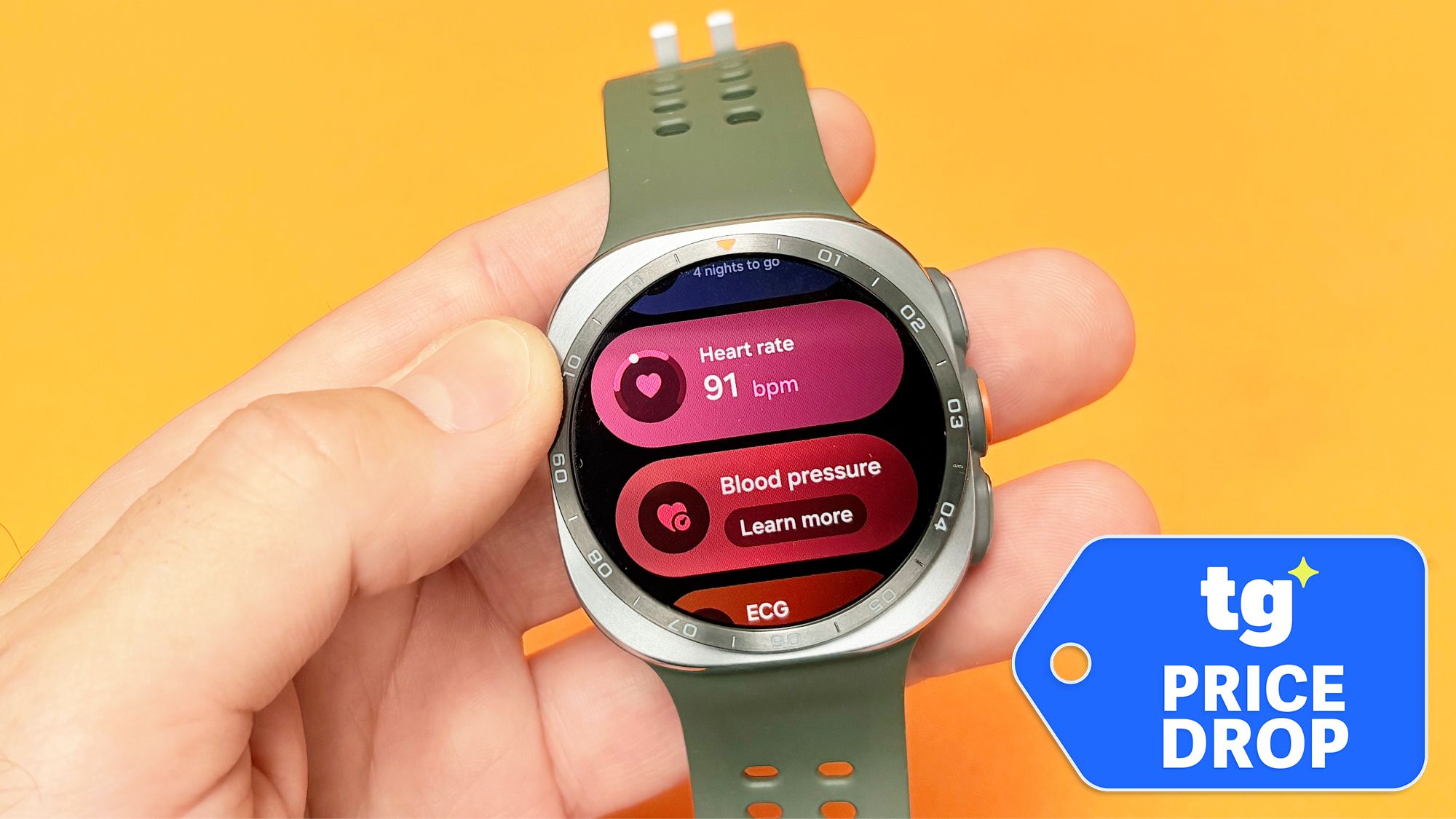
Furthermore, Samsung has introduced an AI-powered sleep analysis tool that provides more detailed insights into sleep stages and potential disturbances. The Galaxy Watch 9 and Ultra 2 are also among the first consumer devices to receive FDA authorization for a sleep apnea detection feature, which monitors blood oxygen levels during the night to identify signs of the condition. This medical-grade functionality underscores Samsung’s ambition to move beyond fitness tracking and into the realm of preventative healthcare.
Strategic Pricing and Market Positioning
The decision to raise prices across the board is a calculated risk for Samsung. By pricing the Galaxy Watch 9 at $379 and the Ultra 2 at $699, Samsung is moving closer to the pricing tiers of its primary competitor, Apple. However, the company’s heavy reliance on trade-in deals and ecosystem bundles suggests that it is prioritizing market share and user retention over high initial margins.
Industry analysts suggest that the price hike is justified by the "premiumization" of the hardware. "Samsung is no longer just competing on price," says Marcus Thorne, a senior tech analyst. "With the Ultra 2, they are competing on materials like titanium and advanced sapphire crystal. They are also investing heavily in the software side, particularly with Wear OS 5 and their proprietary AI algorithms. These are expensive R&D endeavors that eventually reflect in the MSRP."
The promotional landscape is particularly competitive this year. By offering $250 for older watches, Samsung is effectively lowering the "real" cost of the Watch 9 to $129 for many loyalists. This strategy not only moves new units but also locks users into the Samsung Health ecosystem, making it less likely they will switch to a competing platform in the future.
Official Responses and Industry Impact
During the launch, TM Roh, President and Head of Mobile eXperience Business at Samsung Electronics, emphasized the importance of the wearable as a companion to the smartphone. "The Galaxy Watch 9 and Galaxy Watch Ultra 2 are not just accessories; they are the gateways to a healthier, more intelligent lifestyle," Roh stated. "By combining our most advanced hardware with Galaxy AI, we are providing users with personalized insights that were previously only available through professional medical equipment."
The broader impact of these releases on the smartwatch market is expected to be significant. Samsung remains the largest manufacturer of Android-compatible smartwatches, and the success of the Watch 9 and Ultra 2 will likely dictate the direction of the Wear OS platform for the next several years. Competitors such as Google (with the Pixel Watch) and OnePlus will likely feel the pressure to match Samsung’s hardware durability and AI integration.
Implications for the Future of Wearable Tech
As Samsung prepares for the August 7 retail launch, the focus shifts to how these devices will perform in real-world scenarios. The inclusion of features like the AGEs (Advanced Glycation End-products) index—a tool that measures metabolic health through the skin—indicates that Samsung is looking at long-term wellness rather than just daily step counts.
The success of the Galaxy Watch Ultra 2, in particular, will determine if Samsung can successfully break into the "prosumer" athlete market. If the device proves to be as rugged and accurate as claimed, it could pose a genuine threat to Garmin’s dominance in the outdoor sports sector. For the average consumer, the Galaxy Watch 9 remains the most logical choice, offering a balanced mix of style, functionality, and health monitoring at a price point that remains accessible, especially when factoring in the available trade-in incentives.
In conclusion, the launch of the Galaxy Watch 9 and Galaxy Watch Ultra 2 represents a pivotal moment for Samsung. By embracing higher price points supported by premium materials and sophisticated AI, the company is signaling its confidence in the value of its wearable ecosystem. As the August 7 release date approaches, the industry will be watching closely to see if these devices can maintain Samsung’s momentum in an increasingly crowded and competitive marketplace. Consumers, meanwhile, have a brief window to take advantage of pre-order deals that significantly mitigate the impact of the year-over-year price increases.