Retail Sector Navigates Early Holiday Trends, Macroeconomic Headwinds, and Nostalgic Revivals Amidst June’s Sales Surge


The retail landscape remains a dynamic arena, consistently presenting a multitude of developments that demand close attention. From established brands attempting strategic comebacks to the accelerating trend of holiday promotions and a complex macroeconomic backdrop, the past week has offered a compelling snapshot of the sector’s current state and its future trajectory. This report delves into key events, providing enriched context, supporting data, expert analysis, and implications for businesses and consumers alike.
The Phoenix Rises: RadioShack’s Strategic Re-entry into the American Market
One of the more unexpected, yet intriguing, narratives emerging in recent retail news is the calculated resurgence of RadioShack. Once a ubiquitous presence in American towns, synonymous with electronics and components, the brand faced a precipitous decline, culminating in two bankruptcies in 2015 and 2017. Its story serves as a cautionary tale of a legacy retailer struggling to adapt to the rapid pace of technological change and the rise of e-commerce giants. However, a new chapter is now being written, signaling a determined effort to reclaim a foothold in the American consumer market.
The latest development in this strategic revival is the appointment of Kevin Hamann as the managing director of RadioShack USA. This leadership change, announced to Retail Dive, is positioned by the company as a pivotal moment, marking "a new chapter in its ongoing return to the American market." Hamann, whose professional background would likely encompass significant experience in retail operations, brand management, or supply chain logistics, is tasked with navigating the complexities of re-establishing a brand with both deep nostalgic appeal and significant past challenges.
The foundation for this comeback was laid in 2023 when the Unicomer Group, a multinational retailer operating primarily in Latin America and the Caribbean, acquired RadioShack. This acquisition, often conducted in partnership with entities like REV (Retail E-commerce Ventures), which specializes in reviving distressed brands, brought financial backing and a fresh strategic perspective. Unicomer’s expertise in consumer electronics and retail distribution, particularly in emerging markets, could offer valuable insights into rebuilding the brand’s supply chain and product offerings. REV’s involvement suggests a strong emphasis on digital channels and modern e-commerce strategies, moving away from the sprawling physical store footprint that once characterized RadioShack.
Currently, RadioShack’s presence in the American market is primarily through online partnerships. Consumers can find a selection of RadioShack-branded products on the digital storefronts of major retailers like Macy’s and Target. This strategy of leveraging established marketplaces allows RadioShack to test product appeal, reach a broad customer base without the overhead of physical stores, and rebuild brand recognition gradually. The product assortment found on these platforms likely focuses on popular consumer electronics accessories, small gadgets, and perhaps even some DIY components, aiming to tap into both nostalgic sentiment and practical consumer needs.
The implications of Hamann’s appointment and RadioShack’s phased re-entry are multifaceted. For the brand, it represents a critical juncture where strategic leadership will determine whether this comeback is a fleeting attempt or a sustainable revival. Success will hinge on several factors: effectively differentiating its product offerings in a crowded electronics market dominated by Amazon, Best Buy, and specialty retailers; leveraging its nostalgic appeal without relying solely on it; and potentially identifying niche markets or new distribution models that align with contemporary consumer habits. For the broader retail sector, RadioShack’s journey offers a case study in brand resilience and the potential for reinvention, particularly for legacy brands grappling with digital transformation.
Holiday Creep Intensifies: Retailers Launch Early Sales Events
While the summer sun continues to beat down, and recent heat waves serve as a stark reminder of the season, two major retailers, Wayfair and QVC, are already firmly focused on the holiday shopping season. This phenomenon, often termed "holiday creep" or "Christmas in July," is not new but has significantly intensified in recent years, driven by evolving consumer behaviors and heightened retail competition.
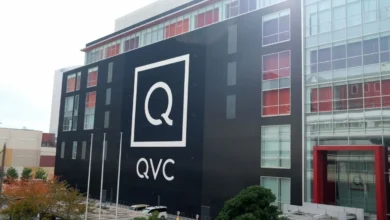
QVC, the veteran home shopping network, has long been a proponent of "Christmas in July," a tradition that allows shoppers to get a head start on holiday planning. This year, QVC has added a celebrity twist, enlisting ‘NSYNC band member Lance Bass and Danielle Fishel, widely known as Topanga from "Boy Meets World," as co-chief cheer officers for its month-long sales event. This strategic move leverages celebrity appeal to generate buzz and connect with different demographic segments. Throughout July, QVC is offering "specially priced" items across a broad spectrum of categories, including holiday decor, toys, beauty products, and more. The multi-channel approach, encompassing QVC’s traditional broadcast, app, website, social media platforms like TikTok and Instagram, and streaming apps (QVC+ and HSN+), ensures maximum reach and accessibility for consumers. The objective is clear: to encourage early holiday spending, spread out demand, and capture a share of consumer budgets well in advance of the traditional holiday rush.

In parallel, home goods giant Wayfair is launching its "Black Friday in July" event, scheduled from July 23 through July 27. This five-day mega-sale promises "holiday-level savings" across its extensive range of home categories. Wayfair’s event is designed to mimic the intensity and value proposition of the actual Black Friday, featuring 24-hour flash deals, doorbuster promotions, and additional savings opportunities in its physical stores – a growing component of Wayfair’s omnichannel strategy. To further incentivize early engagement, Wayfair is offering early access to deals for its rewards members and app users, a common tactic to foster loyalty and drive immediate sales. Jon Blotner, president of commercial and operations at Wayfair, underscored the event’s strategic importance, stating, "This event pairs incredible value with a great selection, making it easy and affordable for everyone to refresh their homes and businesses just in time for the busy fall season and return to school." This statement highlights a dual purpose: capitalizing on holiday preparation and catering to back-to-school/fall refresh needs, effectively broadening the scope of the "holiday" event.
The implications of this early holiday push are significant for both retailers and consumers. For retailers, it allows for better inventory management, potentially smoothing out logistics and distribution bottlenecks that often plague the peak holiday season. It also enables them to capture earlier sales from budget-conscious consumers who prefer to spread out their holiday spending or from organized shoppers who plan well in advance. Data from previous years often indicates a growing segment of consumers who start holiday shopping before November, with some even beginning in summer. For consumers, these events offer opportunities to secure desired items at potentially lower prices, mitigate last-minute stress, and manage holiday budgets more effectively. However, it also contributes to a perpetual state of promotional activity, which can desensitize consumers to sales events and potentially pull forward spending that might have occurred later in the year. The intensified competition for early holiday dollars also places pressure on other retailers to follow suit, further blurring the lines between seasonal shopping periods.
‘Summerween’ Sensation: Lush Cosmetics Embraces Early Halloween
Beyond the traditional holiday season, retailers are also capitalizing on other culturally significant events, often by initiating promotions far ahead of schedule. Lush Cosmetics, known for its ethical, handmade bath and body products and distinctive sensory retail experience, has fully embraced this trend with its "Summerween" initiative, launching its 2024 Halloween collection in July.
On Tuesday, the bath and body cosmetics brand debuted its new seasonal collection, a move designed to generate early excitement and tap into the burgeoning enthusiasm for Halloween. The offerings are quintessentially Lush: ghost and pumpkin-themed bath bombs, a "witchy" bubble bar, and other creatively designed products that align with the brand’s playful and indulgent aesthetic. These products are often highly shareable on social media, leveraging user-generated content for organic marketing. The collection also includes two thoughtfully curated gift sets: a $23 option featuring Lush’s Boo Shower Gel and Ghost In The Dark Soap, and a more extensive $67 set comprising six limited-edition bath and shower products. These sets cater to different price points and gifting needs, expanding the collection’s appeal.
The collection’s staggered release — first on Lush’s app on Tuesday, followed by in-store and online availability on Thursday — is a deliberate strategy to reward app users with early access, driving engagement and downloads. This approach also allows Lush to build anticipation and manage initial demand.
Lush’s "Summerween" strategy is a shrewd marketing play. It differentiates the brand in a crowded beauty market by offering unique, themed products well before competitors. It capitalizes on the growing cultural phenomenon of "Halloween creep," where consumer interest in the holiday extends far beyond October. For a brand like Lush, which thrives on novelty, sensory experiences, and a strong community of loyal fans, an early launch creates significant buzz, especially on platforms like TikTok and Instagram where seasonal product unboxings and reviews are highly popular. The implications for Lush include enhanced brand visibility, increased impulse purchases driven by novelty, and the opportunity to extend the sales window for a highly profitable seasonal line. For the broader retail sector, it underscores the effectiveness of early, thematic product launches in generating consumer excitement and capturing discretionary spending, particularly when tied to a passionate fan base.
June Retail Sales: A Mixed Picture of Resilience and Caution
The economic indicators for June presented a nuanced picture for the U.S. retail sector: a solid performance across most categories, yet accompanied by persistent signs of consumer prudence. This duality highlights the ongoing economic adjustments faced by households and businesses alike.
Overall, June saw a robust increase in retail sales, with all categories tracked by Retail Dive reporting gains. Notably, sporting goods and e-commerce sales each surged by an impressive 18%. This significant growth in these sectors underscores several trends. The sustained interest in health, fitness, and outdoor activities post-pandemic continues to fuel demand for sporting goods. Meanwhile, the consistent expansion of e-commerce, driven by convenience and broader product selection, demonstrates its enduring dominance in retail. Even categories that have faced headwinds in recent years, such as electronics and home goods, managed to record sales gains, suggesting a broader, albeit potentially modest, improvement in consumer spending confidence.
However, beneath these positive headlines, analysts offered words of caution. Heather Long, Chief Economist at Navy Federal Credit Union, observed, "People are trying to stretch every dollar they can." This sentiment points to a consumer base that, despite spending, remains highly conscious of value and budget constraints. Long further predicted, "The outlook for the rest of the year is likely to be more of this modest spending growth." This expert assessment suggests that while the retail sector may avoid a significant downturn, it should not anticipate a dramatic acceleration in consumer expenditure for the latter half of the year. This "modest spending growth" implies selective purchases, prioritizing needs over wants, and a continued search for deals and discounts.

The implications of June’s retail performance are critical for businesses. While the overall increase is encouraging, particularly in key growth sectors, retailers must remain attuned to the underlying consumer caution. This necessitates strategies focused on value proposition, targeted promotions, and efficient inventory management. The continued strength of e-commerce also reinforces the imperative for robust omnichannel capabilities, ensuring seamless customer experiences across digital and physical touchpoints.
Macroeconomic Currents: Inflation, Gas Prices, and the Consumer Outlook
The macroeconomic picture in the U.S. in June offered a measure of relief, largely attributed to falling gas prices. Inflation, a persistent concern for over a year, showed signs of cooling, a welcome development for both consumers and policymakers. The overall inflation rate, as measured by the Consumer Price Index (CPI), slowed, and retail sales surged, directly benefiting from the reduced pressure at the pump.
Specifically, in the segments monitored by Retail Dive’s tracker, retail sales recorded an impressive year-over-year increase of more than 11%, with growth observed across a broad spectrum of categories. This broad-based growth suggests that the relief from gas prices freed up discretionary income for other purchases. It wasn’t solely fuel that saw price declines; apparel and certain services, including medical care, also experienced decreases in June. Heather Long of Navy Federal Credit Union highlighted this as an encouraging sign, indicating a broader deceleration in price increases beyond just energy.
However, the economic outlook remains shrouded in uncertainty. Geopolitical events, particularly the renewed conflict in Iran, have already begun to impact global oil markets, pushing gas prices back up. This volatility means that the relief felt at the pump in June could be short-lived, potentially eroding consumer confidence and disposable income once again. Shoppers, despite their willingness to open their wallets for minor splurges, particularly on hobbies, remain highly selective in their spending. This behavior aligns with the concept of "consumer weariness," where households, having endured prolonged periods of high inflation, are now more discerning about where their money goes.
Economists at Wells Fargo, led by Tom Porcelli, reinforced this cautious perspective, stating, "the U.S. economy remains resilient but is unlikely to accelerate in the second half of the year." This forecast suggests that while a recession might be avoided, significant growth is improbable, implying a period of sustained, albeit slow, economic expansion.
This puts everyone — consumers, retailers, and policymakers — in a "wait-and-see" mode. Despite the June dip, inflation continues to pose a significant challenge. Long elaborated on the ongoing financial pressures facing American households: "Inflation is currently wiping out wage gains and tax refunds have largely been spent down, so there’s not much of an income lift coming for the remainder of the year." This stark assessment indicates that many consumers are not experiencing real wage growth once inflation is accounted for, and the temporary boost from tax refunds has dissipated. Consequently, households are left with less financial flexibility, impacting their ability to sustain high levels of discretionary spending.
The implications for retailers are profound. They must navigate a landscape where consumer purchasing power is constrained, and economic volatility, particularly regarding energy prices, can rapidly shift spending patterns. Strategies will need to focus on resilient product categories, efficient supply chains to mitigate cost increases, and flexible pricing models. Promotions will need to be strategic and genuinely attractive to capture the attention of value-conscious shoppers. Furthermore, understanding the nuances of consumer sentiment – the willingness to splurge on hobbies versus reluctance for major purchases – will be crucial for effective marketing and product development in the coming months.
In conclusion, the retail sector is currently a tapestry of contrasting threads: the nostalgic return of legacy brands, the ever-earlier onset of holiday shopping, innovative seasonal marketing, robust sales in specific categories, and an underlying current of economic uncertainty. While June offered some respite in the battle against inflation and showed strong retail performance, the experts’ warnings about consumer weariness and limited income growth for the latter half of the year cannot be ignored. Retailers must remain agile, adapting their strategies to cater to a discerning consumer base that is resilient but increasingly prudent, always seeking value amidst a dynamic and challenging economic environment. The ability to innovate, personalize, and offer compelling value propositions will be paramount for success in the months ahead.
Related posts: