Poundland collapses into administration putting 11,000 jobs and 600 stores at risk as rescue talks fail

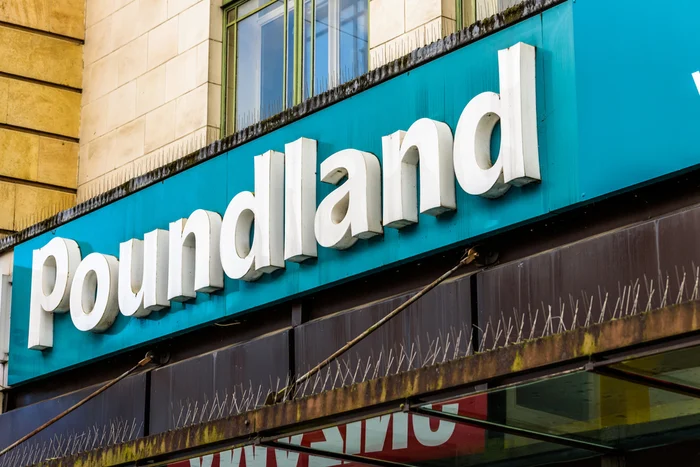
The British high street faces one of its most significant disruptions in recent years as discount retailer Poundland officially entered administration today. The move comes after a frantic, three-month effort to secure a solvent buyer for the business proved unsuccessful, casting a shadow of uncertainty over 11,000 employees and 600 retail locations during the critical pre-Christmas trading window.
The decision, confirmed by current owner Gordon Brothers, marks a dramatic downfall for a brand that, only 17 months ago, was acquired from the Pepco Group for a nominal fee of £1. Despite extensive restructuring efforts and a pivot toward core pricing strategies, the retailer has been unable to overcome the twin pressures of restricted funding and a volatile retail environment.
A Chronology of Decline and Attempted Recovery
The roots of Poundland’s current predicament stretch back to the turbulent economic landscape of the mid-2020s. Following its acquisition by the investment firm Gordon Brothers, the retailer embarked on an ambitious, albeit painful, turnaround strategy.
- July 2025: Facing a total collapse, Poundland narrowly avoided administration when the High Court sanctioned a radical restructuring plan. This maneuver allowed the business to continue trading, supported by an infusion of £85 million in new financing from Gordon Brothers.
- Late 2025 – Early 2026: The company executed a series of aggressive cost-cutting measures, including the closure of approximately 150 stores, the shuttering of distribution centers, and the termination of online operations to consolidate resources.
- September 2026: Recognizing the persistent fragility of the business model, Gordon Brothers initiated a formal auction process to find a new owner.
- October 2026: A management-backed rescue bid was rejected, prompting the firm to file a notice of intention to appoint administrators.
- November 2026: Negotiations with several prospective buyers, including international investment firms and retail competitors, reached an impasse. With no viable path to a solvent takeover, the company formally entered administration today.
The Financial Paradox: Profits Amidst Liquidity Crises
The collapse of Poundland is characterized by a stark contradiction between its operational performance and its financial solvency. Internal, unaudited figures for the year ending September 2026 revealed a remarkable turnaround in profitability. The retailer reported a profit of £18.1 million, a sharp reversal from the £68.1 million EBITDA loss recorded in the previous period—a financial swing of £86.2 million.
However, this improved bottom line masked a fatal flaw in the company’s liquidity management. According to industry insiders and reports from the Retail Gazette, the retailer’s access to working capital was severely restricted. This prevented the business from stocking its shelves adequately ahead of the vital Christmas period. Consequently, store inventory levels plummeted, leading to a reported 25% drop in sales against internal forecasts over recent weeks.
This liquidity crunch rendered the profit growth moot, as the business could not maintain the inventory velocity required to sustain its high-street footprint.
A Competitive Bidding War That Stalled
During the three-month auction process, several high-profile entities expressed interest in either the entire Poundland estate or strategic portions of its portfolio. Among the parties reported to have engaged in discussions were:
- Xyra Group Holdings: Which had recently secured funding to support a potential takeover, signaling an intent to expand the store estate.
- Martin Property Group: A Northern Irish firm with interest in the real estate assets.
- Zachert Private Equity: A German firm that had conducted due diligence on the business.
- Premier Quality Foods: A Dubai-based wholesaler looking to integrate the retailer into a broader distribution network.
Additionally, industry giants including Tesco, B&M, Iceland, Poundstretcher, and The Range were rumored to have shown interest in acquiring specific regional clusters of stores. Despite this level of engagement, none of the parties were able to reach a final agreement with Gordon Brothers, leading to the appointment of administrators to oversee the potential break-up or sale of the business assets.
Official Statements and Stakeholder Reactions
The collapse has drawn sharp criticism from political leaders and labor advocates. Prime Minister Andy Burnham intervened in the process earlier this month, urging the owners to prioritize the preservation of the workforce over asset liquidation.
Liam Byrne, chair of the Business and Trade Committee, has been particularly vocal, accusing Gordon Brothers of a "stripping" strategy. Byrne alleged that the investment firm extracted millions from the business while simultaneously choking off the credit lines necessary for day-to-day operations. Gordon Brothers has consistently denied these allegations, maintaining that their £85 million investment was a lifeline that kept the company afloat when no other lender was willing to intervene.
In a statement released upon entering administration, a Gordon Brothers spokesperson said: "First and foremost, our thoughts are with Poundland colleagues. We recognize how difficult the continued uncertainty is for them. Efforts to preserve as many jobs and stores as possible will continue, led by the administrators."
The firm further defended its tenure by highlighting the £100 million in cost savings achieved by the management team over the past year. "Despite a reduced cost base, looking forward, the business is still vulnerable to inflationary pressures or any downturn in sales and margin," the statement added.
The Broader Impact on the UK High Street
The potential disappearance or downsizing of Poundland represents a significant blow to the UK’s retail landscape. As a discount chain, the brand serves as a primary source of affordable household goods for millions of cost-conscious consumers, particularly during a period of sustained inflation.
The implications of this administration are three-fold:
- Job Market Volatility: With 11,000 jobs at stake, the retail sector faces a significant influx of labor if stores are shuttered permanently. While administrators aim for a "going concern" sale, the retail industry’s current trend toward consolidation makes the absorption of such a large workforce challenging.
- Retail Vacancies: The closure of 600 stores would create a massive void in high streets and shopping centers across the UK. Property experts suggest that while competitors like B&M or The Range might absorb some locations, many secondary and tertiary sites may remain vacant for extended periods, further depressing high street footfall.
- Supply Chain Disruption: The collapse creates a ripple effect for the wholesalers and logistics providers that depend on the Poundland contract. With the potential for stock liquidation—as signaled by the engagement of firms like Hilco Capital—the market may see a temporary flood of cut-price inventory, which could depress prices for other discount retailers in the short term.
Future Outlook and Next Steps
As administrators take control, the immediate future of the brand rests on their ability to structure a deal that satisfies creditors while maintaining the operational integrity of the stores. The administration process will now act as a filter, separating the viable, profitable stores from those that have become liabilities.
For the employees, the period ahead will be one of intense uncertainty. Retail unions are expected to demand transparency regarding redundancy packages and the potential for TUPE (Transfer of Undertakings) protections should any parts of the business be acquired by other retail groups.
The failure of Poundland serves as a cautionary tale of the retail sector’s "hollowed-out" recovery. While the financial metrics showed a return to profitability, the lack of robust capital backing left the retailer unable to survive the final, most testing hurdle of the festive trading season. As the administration process unfolds, the retail industry will be watching closely to see if any of the brand’s assets can be salvaged from the wreckage, or if this marks the end of a cornerstone of the British discount retail market.