Beyond the Court: Jordan Brand Steps into Strength Training Equipment as Nike Navigates Strategic Restructuring

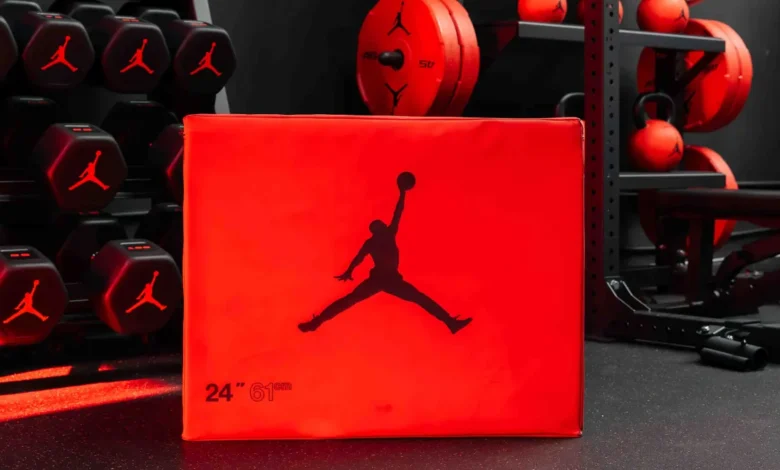
The Jordan Brand, a subsidiary of athletic apparel giant Nike, is officially expanding its footprint into the fitness hardware sector with the launch of the "Jordan Strength" collection. Designed to cater to everything from boutique home gyms to elite training facilities, the new line infuses high-performance weightlifting equipment with subtle design cues honoring Michael Jordan’s legendary six NBA championships. However, this high-profile hardware rollout arrives at a critical juncture for parent company Nike, which is actively working to right-size its inventory, diversify a product portfolio historically overreliant on classic sneaker franchises, and steer through a broader corporate turnaround.
A Strategic Pivot Beyond Footwear
For decades, the cultural resonance of the Jumpman logo has been inextricably linked to sneaker culture, specifically the iconic Air Jordan footwear lines that revolutionized both athletic performance and streetwear fashion. While footwear remains the powerhouse of the brand, the introduction of Jordan Strength signals a deliberate pivot into hard goods and functional fitness equipment.
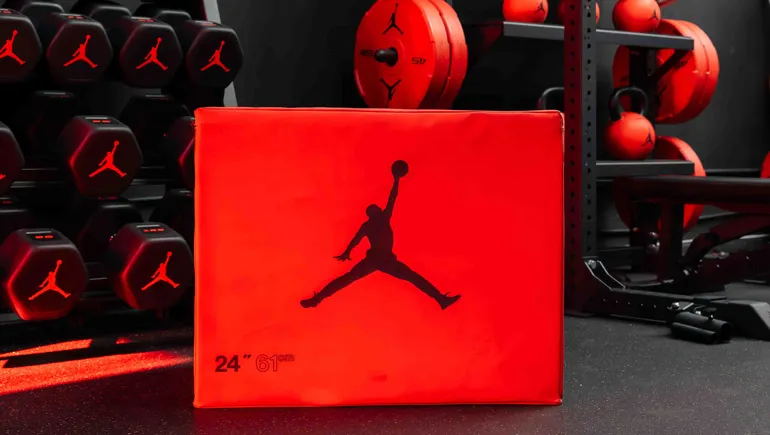
According to representatives from the Jordan Brand, the new collection was engineered to meet the rigorous demands of professional athletes while remaining accessible to everyday fitness enthusiasts curating home workout spaces. By incorporating bespoke elements—such as subtle nods to Michael Jordan’s six championship rings into the knurling of barbells, the plates, and structural framing—the brand is leveraging its rich heritage of competitive greatness to inspire physical conditioning.
The launch is not merely a lifestyle play; it is a calculated diversification strategy. The global fitness equipment market has experienced sustained structural demand following shifting consumer habits toward home and hybrid workouts. By branching out from apparel and footwear into durable training hardware, Nike and the Jordan Brand are attempting to capture a larger share of the wallet from consumers dedicated to athletic performance, weightlifting, and functional fitness.
Navigating Headwinds: Nike’s Inventory and Market Realities
The timing of the Jordan Strength launch underscores a delicate balancing act for Nike as a whole. During past earnings calls and strategic updates, Nike CEO Elliott Hill acknowledged that the company had become overindexed on classic footwear franchises. Core heritage models—namely the Air Force 1, the Air Jordan retro lines, and the Dunk—have historically driven immense revenue, but an overreliance on these silhouettes left the company vulnerable to shifting consumer tastes and market fatigue.
In Nike’s most recent fiscal fourth-quarter earnings report, the company revealed that overall revenue had declined by 1% year-over-year to $11 billion, bringing flat performance for the full fiscal year at $46 billion. Furthermore, forward-looking guidance has been adjusted downward, with Nike anticipating a low- to mid-single-digit drop in revenue for the first half of the upcoming fiscal year.
Compounding these top-line pressures, Nike’s streetwear segments have encountered persistent turbulence. On recent earnings calls, leadership addressed ongoing challenges within Nike Sportswear and Jordan Streetwear, noting that sell-through rates have remained sluggish. This softness has forced heavier discounting to clear older inventory, which in turn impacts future order books and profit margins. While leadership anticipates gradual improvements in Jordan Streetwear during the back half of the fiscal year, the near-term environment remains demanding.
Broader Portfolio Rebalancing and Structural Shifts
The introduction of new hardware categories like Jordan Strength is just one piece of a much larger, complex puzzle as Nike executes a sweeping corporate turnaround. The company has systematically evaluated its retail footprint and partnership ecosystems to optimize operational efficiency.
In recent months, Nike quietly began closing several of its "Nike Live" and Well Collective neighborhood concept stores across the United States. While localized, community-based retail models were initially touted as the future of experiential shopping, Nike leadership has shifted toward a more streamlined approach to create what a company spokesperson termed "Nike’s future marketplace." This involves consolidating resources into high-performing digital channels and wholesale partnerships while trimming underperforming physical footprints.
The turbulence has also manifested in capital markets. In a notable index adjustment, Nike was removed from the prestigious S&P 100, though the company retains its long-standing position on the S&P 500. Market analysts have pointed to this demotion as an empirical reflection of the company’s recent valuation compression and the formidable challenges it faces in restoring rapid, profitable growth. Neil Saunders, managing director at GlobalData, noted in previous commentary that the move underscores Nike’s broader structural hurdles and its ongoing struggle to recapture the momentum that defined its prior decade of dominance.

Analysis of Implications: Can Hardware Move the Needle?
The introduction of specialized strength equipment represents an intriguing test case for brand equity extension. Historically, athletic brands attempting to cross over into heavy fitness hardware—such as racks, bumper plates, dumbbells, and functional training rigs—must compete on both aesthetic prestige and uncompromising durability.
By tying the product line directly to the competitive ethos of Michael Jordan, the brand possesses an immediate marketing advantage. Fitness consumers are often willing to pay a premium for gear that carries authentic sports heritage and high-end industrial design. If Jordan Strength successfully penetrates commercial athletic facilities, university weight rooms, and affluent home gyms, it could establish a resilient secondary revenue stream that insulates the brand from the cyclical volatility of footwear trends.
However, analysts caution that hardware lines, while brand-enhancing, will take time to scale to a level that meaningfully moves the financial needle for a multi-billion-dollar enterprise like Nike. The immediate priority for executive leadership remains stabilizing core wholesale relationships, correcting footwear inventory imbalances, and revitalizing lifestyle streetwear demand.
Looking Ahead
As Nike navigates a transitional fiscal year marked by cautious guidance, market index adjustments, and selective retail rationalization, the success of brand extensions like Jordan Strength will be closely watched by investors and industry observers alike. The initiative proves that even as the company grapples with macroeconomic and inventory headwinds, it remains committed to exploring innovative avenues for brand storytelling and consumer engagement.
Whether the physical weight of Jordan’s championship legacy can help lift Nike’s broader financial metrics out of their current plateau will depend heavily on execution, consumer reception, and the broader macro recovery of the athletic retail sector in the quarters to come.