Levi Strauss & Co. distribution network overhaul faces further delays pushing target completion to 2027

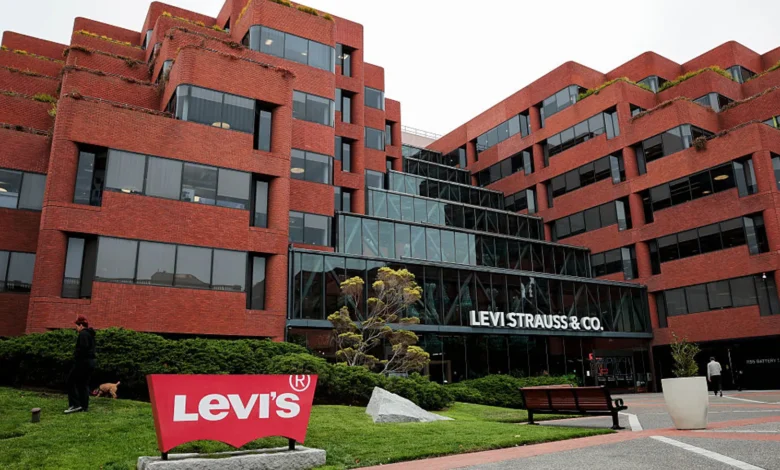
The ambitious transformation of the Levi Strauss & Co. global supply chain, a multi-year initiative designed to modernize the apparel giant’s logistics footprint, has encountered significant setbacks that will defer anticipated operational benefits until 2027. The company, which is transitioning from a traditional, owned distribution model to a more agile, hybrid third-party-run facility structure, confirmed that a combination of internal complexity and unforeseen physical disruptions has necessitated a revised timeline for its network optimization.
At the core of this transition is the consolidation of logistics operations into high-capacity facilities, most notably the Groveport, Ohio, distribution center. This site was intended to serve as the linchpin of the company’s North American supply chain strategy. However, the migration of workflows from legacy sites, including the now-shuttered Hebron, Kentucky, facility, has proven more resource-intensive than initial projections suggested. The added strain of a facility fire during the third quarter of 2026 further complicated these efforts, creating a compounding effect that forced the company to recalibrate its expectations for efficiency gains and cost savings.
A Chronology of Supply Chain Hurdles
The effort to modernize Levi’s logistics network has been a hallmark of the company’s recent strategic planning, yet it has been defined by a series of delays that underscore the difficulty of re-engineering a global retail supply chain.
In early 2024, Levi’s management signaled that the transition of its distribution infrastructure was entering its final phase. The initial roadmap aimed for a complete migration of inventory management and fulfillment workflows to the new third-party logistics (3PL) model by the end of 2025. However, operational friction during the integration process quickly emerged. By January 2026, the company acknowledged that the transition was behind schedule. At that time, management noted that they were forced to maintain operations at the legacy Hebron facility longer than originally intended to prevent systemic service failures while the Groveport site struggled to ramp up to full capacity.
The subsequent closure of the Hebron facility later in the year was framed as a milestone of progress. Despite this, the transition continues to face what leadership describes as "operational complexities" regarding SKU mix—the wide variety of product sizes, fits, and styles that Levi’s must manage. As of October 2026, the company has officially adjusted its target date for realizing the full benefits of the overhaul to the 2027 fiscal year.
The Impact of SKU Complexity and External Disruptions
The "SKU mix" issue referenced by the company is a frequent hurdle for apparel retailers undergoing digital and physical transformations. Levi’s, which manages a massive catalog of denim variations, requires highly precise inventory handling. When a distribution center is undergoing a systems migration, the inability to effectively sort and track this high-volume, high-variety inventory leads to what industry experts call "logistics drag."
The third-quarter facility fire served as an accelerant for these existing inefficiencies. While the company has not disclosed the full financial impact of the fire, such events in a centralized distribution environment have a multiplier effect. They often necessitate the rerouting of freight to secondary locations, which increases transportation costs and adds days to the lead time for wholesale partners.
Securities filings suggest that these hurdles have resulted in more than just internal process delays. Levi’s has reported incidents of shipping delays and order cancellations. These failures in the supply chain directly impact wholesale relationships, where retailers demand punctuality and inventory accuracy to stock their own shelves. If a major vendor like Levi’s consistently misses delivery windows, it risks contract penalties and a loss of shelf space in a highly competitive retail environment.
Economic and Operational Implications
The financial stakes of this delay are substantial. Levi’s is investing heavily in this transition with the goal of reducing its physical footprint and lowering long-term operating expenses. By moving toward a hybrid 3PL model, the company hopes to shift from fixed real estate costs to variable costs that align more closely with demand fluctuations.

However, the cost of the transition—characterized by double-running legacy and new systems, increased labor spending, and lost productivity—is currently offsetting the efficiency gains the company is chasing. According to industry analysis, firms undergoing similar transformations often see an initial 15% to 20% spike in logistics costs during the transition phase. If the timeline is extended by a full year, as is the case here, the company’s operating margins face sustained pressure.
Furthermore, the delay impacts the company’s ability to respond to market trends. In the current retail climate, speed-to-market is the primary competitive advantage. Any bottleneck in the distribution network limits the company’s ability to pivot its inventory allocation based on real-time sell-through data.
Comparative Industry Perspectives
Levi’s is not the only major firm currently wrestling with the redesign of its logistics network. The retail sector is currently undergoing a broad, industry-wide correction as companies move away from the "just-in-case" inventory stockpiling that defined the early 2020s and toward more optimized, lean distribution models.
La-Z-Boy, for instance, has embarked on a strategy to shrink its total number of distribution facilities to reduce the "last-mile" mileage of its products. Their focus is on reducing the carbon footprint and transportation costs by placing product closer to the point of sale. Conversely, companies like AutoZone are moving in the opposite direction, expanding their domestic distribution networks to ensure that parts are available at the store level with minimal delay.
These divergent strategies highlight that there is no "one-size-fits-all" approach to modern supply chain management. Levi’s preference for a hybrid 3PL model is common for global apparel brands that want to offload the labor-intensive aspects of warehousing to specialized firms. The difficulty, as demonstrated by the Groveport experience, lies in the transition of data integration and the physical movement of inventory, which are rarely as seamless as initial implementation plans suggest.

Official Stance and Outlook for 2027
Despite the frustration caused by the repeated delays, Levi’s leadership maintains a constructive outlook. Management has emphasized that the closing of the Hebron facility was an essential step in validating that the Groveport location is capable of handling the company’s total fulfillment needs, even if that confidence has been hard-won.
"I think 2027 is very reasonable and realistic to start seeing the benefits," an executive noted in a recent update. The emphasis remains on the fact that the company is moving toward a more modern, scalable architecture. The transition is essentially a "rip-and-replace" of the company’s logistical backbone, and the current challenges are being framed by the company as the "growing pains" of a necessary evolution.
For investors and wholesale partners, the question remains whether the company can maintain service levels during this extended transition. The company’s ability to stabilize operations at the Groveport site will be the primary metric for success in the coming year. If the operational complexities are managed effectively, the 2027 deadline may mark the end of the turbulence and the beginning of a more profitable, efficient era for the brand’s supply chain.
In the immediate future, however, Levi’s must demonstrate that it can mitigate the risks of further service disruptions. This will likely involve increased investments in backup inventory, potential premiums paid to logistics partners to expedite shipping, and enhanced communication with retail partners to manage expectations regarding delivery timelines. The path to 2027 is clear, but the terrain remains complex, and the company’s ability to navigate it will define its operational efficiency for the remainder of the decade.