Why Steve Jobs famously rejected the touchscreen laptop and how Apple is finally changing its mind

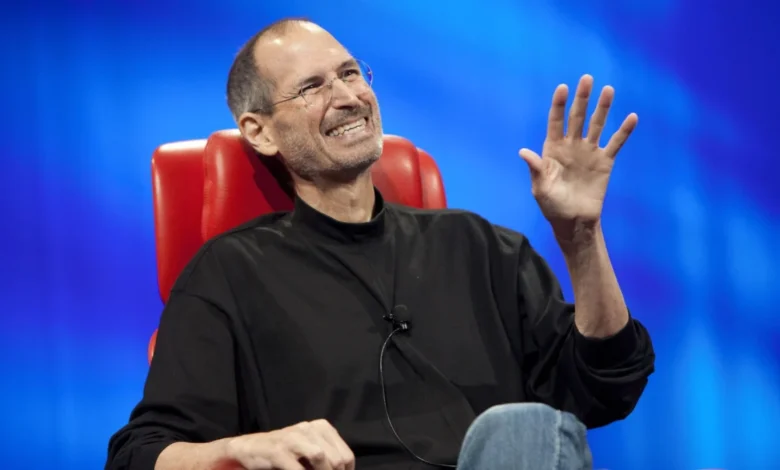
The late Apple co-founder Steve Jobs was renowned for his unwavering vision regarding the future of personal computing, a philosophy that often prioritized user ergonomics and design purity over the prevailing industry trends of his time. During the 2010 Back to the Mac event at Apple’s Cupertino headquarters, Jobs addressed the growing trend of touchscreen integration in laptops—a movement spearheaded by competitors like Microsoft and hardware manufacturers such as HP—with characteristic bluntness. While the rest of the industry was rushing to marry the vertical display to touch-sensitive technology, Jobs firmly refused to incorporate such features into the MacBook line, setting a course that would define the company’s product strategy for over a decade.
The Philosophy of the Vertical Touchscreen
During the 2010 presentation, Jobs explained that the primary reason Apple refrained from integrating touchscreens into its laptop displays was rooted in human physiology. He argued that after extended periods of use, a vertical touchscreen would inevitably lead to what he famously termed "gorilla arm"—a state of significant physical fatigue and muscle strain. Jobs emphasized that the human arm is not designed to remain suspended in mid-air to interact with a vertical surface for hours on end.
Beyond the physical limitations, Jobs noted the lack of precision. When navigating complex operating systems or professional creative software, a finger is a blunt instrument compared to the fine-tuned control offered by a trackpad or a mouse. He believed that the desk-bound nature of the laptop required an interface that kept the user’s hands resting comfortably on a surface, rather than reaching out to tap a display. This was not merely a stubborn refusal to innovate; it was a calculated decision based on the ergonomics of the computing environment as he understood it at the time.
A Chronology of Resistance and Adaptation
The history of the touchscreen laptop is marked by a clear divide between Apple and the Windows ecosystem.
- 2009–2010: The rise of devices like the HP TouchSmart series signaled the industry’s desire to merge the mobility of the laptop with the intuitive nature of the smartphone. During this period, Microsoft began optimizing Windows 7 and subsequently Windows 8 for touch input, envisioning a future where all PCs would function as tablets.
- 2010: Steve Jobs publicly dismisses the concept of the touchscreen laptop during the Mac OS X Lion introduction, cementing Apple’s commitment to the mouse and trackpad as the superior input methods for desktop-class computing.
- 2012–2016: Apple introduces the MacBook Pro with Retina display and eventually the Touch Bar. The Touch Bar, a thin, OLED-based strip replacing the function keys, served as a "middle ground" solution. It allowed for touch-based interaction in a horizontal plane, keeping the user’s hands in a relaxed, ergonomic position.
- 2020: Apple transitions its entire Mac lineup to Apple Silicon. The efficiency and thermal management of the M-series chips allow for more versatile form factors, reigniting speculation about the potential for a touchscreen device.
- 2023–Present: Reports from supply chain analysts and reputable technology journalists suggest that Apple is currently developing its first touchscreen MacBook Pro. This shift represents a monumental reversal of the internal dogma established by Jobs.
The Industry Shift and the Windows Experience
While Apple held the line, the PC industry went in the opposite direction. Microsoft, in its attempt to unify the mobile and desktop experience, pushed hard for the 2-in-1 hybrid category. The success of the Microsoft Surface line demonstrated that consumers were indeed interested in touch interaction, provided the hardware was designed to accommodate it. These devices often featured 360-degree hinges or detachable keyboards, allowing the screen to lay flat or be held at a more natural angle, effectively mitigating the "gorilla arm" effect Jobs had warned about.
However, the integration was not without its challenges. Early touchscreen laptops often suffered from poor color accuracy due to the glass overlay, increased power consumption, and weight issues. It took years for manufacturers to refine the technology to the point where it did not compromise the laptop’s performance as a professional-grade workstation. Apple’s decision to wait allowed them to bypass the "teething problems" that many early Windows touchscreen devices faced, allowing the company to observe which implementations resonated with users before committing to their own version.
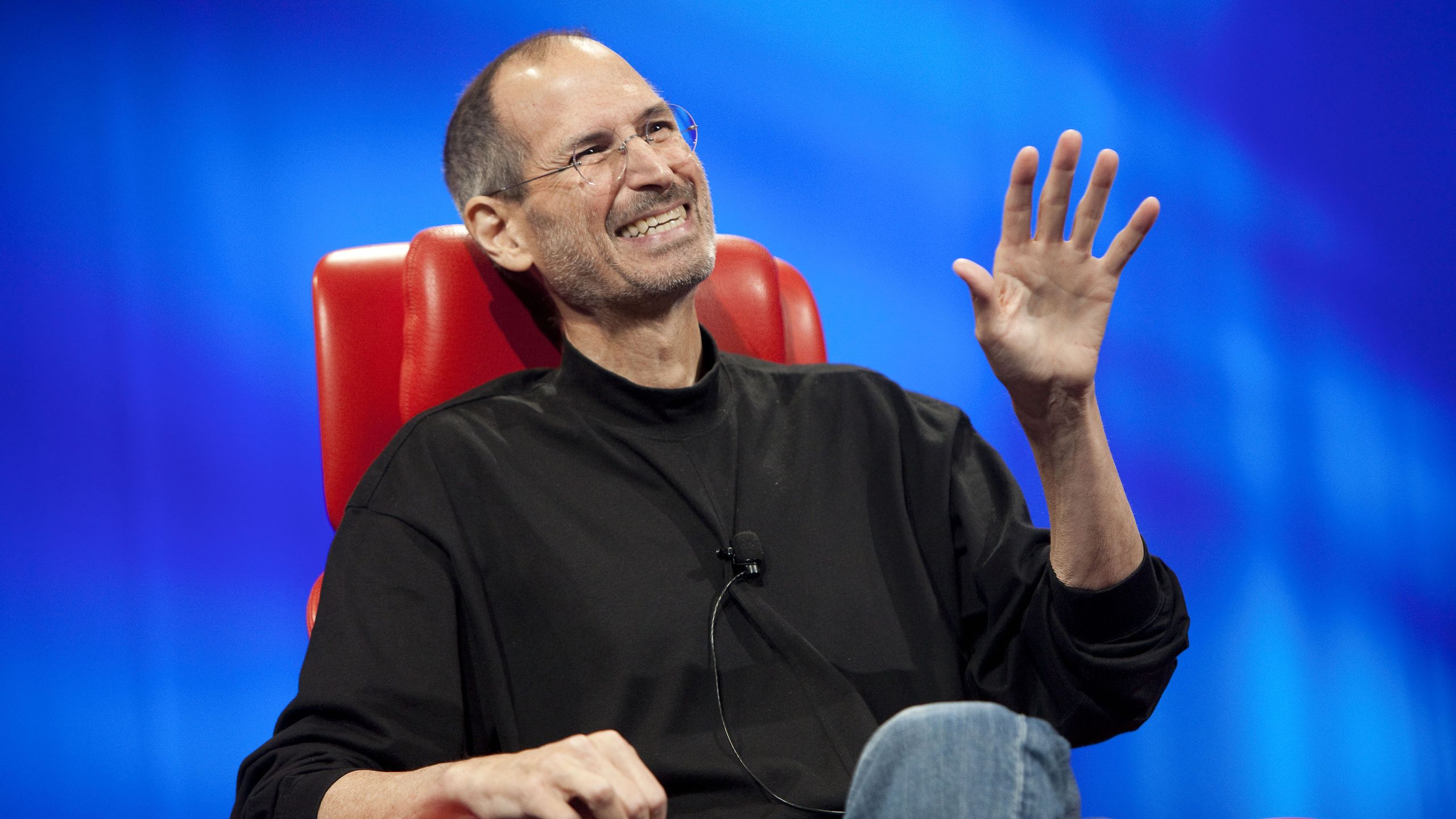
The Case for the OLED Touchscreen MacBook
The current rumors surrounding a potential touchscreen MacBook Pro point toward a significant technological leap. Industry analysts suggest that the introduction of OLED technology is the catalyst for this change. Unlike traditional LCDs, OLED displays offer higher contrast ratios, deeper blacks, and are inherently more efficient. Crucially, they can be manufactured with thinner profiles, making the integration of touch-capacitive layers less intrusive to the overall weight and thickness of the laptop chassis.
If Apple does indeed release such a device, it will likely represent a fusion of their existing macOS interface with the intuitive gestural language of iOS. The challenge for Apple’s engineers will be to bridge the gap between a desktop-class operating system, which is built for the precision of a cursor, and a touch interface that demands larger, more forgiving targets.
Economic and Practical Implications
The impact of such a shift on the market cannot be overstated. Apple’s entry into the touchscreen laptop space would likely validate the form factor in a way that no other manufacturer has managed. It would also force a shift in the software landscape; developers would be compelled to optimize their applications for touch-based workflows, potentially transforming how creative professionals—who make up a large portion of the MacBook Pro user base—interact with their tools.
Furthermore, there is a clear consumer demand. According to recent market research, a significant percentage of professional users who currently own both an iPad and a MacBook have expressed interest in a device that offers the functionality of both. While Apple has long maintained that the iPad Pro serves this role, the software limitations of iPadOS have kept many professionals tethered to their laptops. A touchscreen MacBook Pro could provide the "best of both worlds," offering the raw power of macOS with the immediate, tactile feedback of a touchscreen.
Looking Ahead: The Legacy of Innovation
The evolution of the MacBook does not necessarily render Steve Jobs’ original assessment incorrect; rather, it highlights the progression of technology. When Jobs made his remarks in 2010, the technology available to implement a touchscreen was indeed crude and prone to causing fatigue. Fourteen years later, the miniaturization of sensors, the improvement in display materials, and the sophistication of gesture-based software have fundamentally changed the equation.
Apple’s potential move toward a touchscreen laptop is a reminder that even the most deeply held corporate doctrines are subject to the pressures of time and technological advancement. By remaining patient and refusing to adopt a technology until it could be executed with the high standards of user experience that Apple demands, the company has positioned itself to disrupt a market that it previously shunned. Whether this new chapter in MacBook design will finally silence the debate between the purists of the keyboard-and-trackpad era and the advocates of the touch-first future remains to be seen, but the industry is undoubtedly preparing for a significant paradigm shift. As the company continues to refine its hardware and software, the upcoming generation of MacBooks may prove to be the most versatile tools in the history of personal computing.